

Reviewed · AQUARIUMS
LA: Aquarium of the Pacific Skip-the-Line Entry
A full day by the Pacific. The Aquarium of the Pacific in Long Beach packs 12,000 animals and hundreds of exhibits into a visit that works well for families, couples, and curious adults. I especially like the mix of indoor galleries and outdoor areas, plus the chance to feed lorikeets and get close to sharks, rays, penguins, and sea otters.
The skip-the-ticket-line entry is useful on busy days, when standing at the ticket booth can eat into your time. The main drawback is that the aquarium can feel crowded, especially on Saturdays, and the cafe is pricier than some visitors expect.
In This Review
- Aquarium of the Pacific highlights
- Entering Long Beach’s ocean museum
- Three Pacific regions, one easy comparison
- Sea otters, turtles, and the animals everyone wants to see
- Shark Lagoon and hands-on outdoor exhibits
- Lorikeet Forest and the aquarium’s most memorable encounter
- June Keyes Penguin Habitat and Magellanic penguins
- Pacific Visions and the eight-minute theater film
- How much time should you plan?
- Food, parking, and busy-day planning
- Who gets the most value from the $44 ticket?
- Should you book Aquarium of the Pacific entry?
- FAQ
- Where is the Aquarium of the Pacific?
- How much does admission cost?
- What does the ticket include?
- Is parking included?
- How long is the ticket valid?
- Can I cancel the booking?
- Is the aquarium open on December 25?
Aquarium of the Pacific highlights
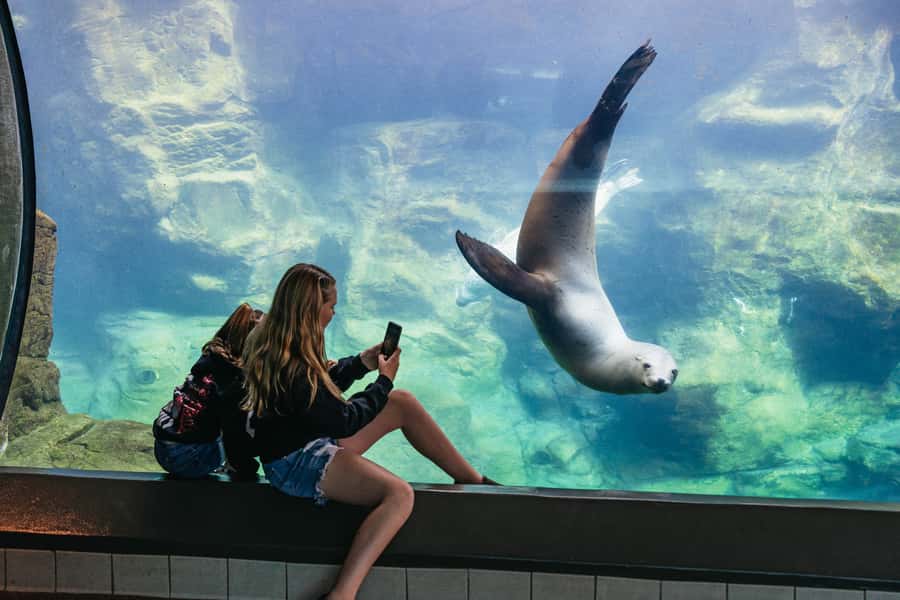
- Three Pacific regions: Compare sunny Southern California waters, the cold Northern Pacific, and colorful Tropical Pacific habitats.
- Shark Lagoon: See large predators and touch selected animals in the outdoor area.
- Lorikeet Forest: Buy food separately if available and let colorful birds land on your hands.
- June Keyes Penguin Habitat: Watch Magellanic penguins swim, waddle, and interact.
- Honda Pacific Visions Theater: Admission includes an eight-minute film with a curved 180-degree screen, floor projections, and multisensory effects.
- One flexible day: You can take your time, return to favorite galleries, and shape the visit around children or your own interests.
Entering Long Beach’s ocean museum
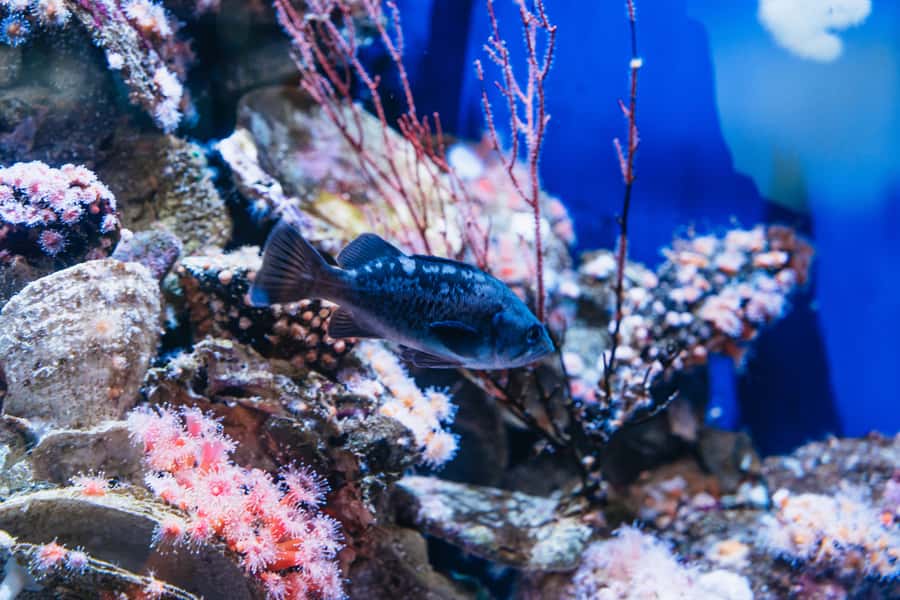
The aquarium sits in Long Beach, California, and you go directly to the Aquarium of the Pacific rather than meeting a guide elsewhere. Your ticket provides skip-the-ticket-line entry, so you can head toward admission instead of joining the regular ticket booth queue.
That distinction matters most during school holidays, weekends, and other busy periods. It does not turn the aquarium into a private visit, and you should still expect people inside, but it removes one needless wait at the start of the day.
The ticket is listed at $44 per person and is valid for one day. For a large aquarium with hundreds of exhibits, that can be fair value if you stay several hours. It is less compelling if you plan only a quick look, especially since food, parking, and any extra activities are not included.
The visit is self-guided. That is good news if you want to linger at the penguins, move quickly past a tank that does not interest you, or pause for lunch without following a fixed group. The tradeoff is that you need to plan your own route. One visitor specifically wished for a clearer path through the building, so pick up the guide book and use it to keep track of galleries.
A few more options to weigh up in Los Angeles
- Skip the Ticketing Line: Aquarium of the Pacific General Admission Ticket
★ 4.5 · 485 reviews - Atlanta: Georgia Aquarium Skip-the-Box-Office Entry Ticket
★ 4.7 · 3,476 reviews - The Florida Aquarium Ticket
★ 4.6 · 979 reviews
Three Pacific regions, one easy comparison
The aquarium’s central idea is simple: show you how life changes across the Pacific Ocean. Instead of presenting one long collection of fish tanks, the exhibits cover Southern California, the Northern Pacific, and the Tropical Pacific.
Start with Southern California if you want a familiar point of reference. The animals and habitats connect the aquarium to the coast outside, making this section easy to appreciate even if you are not an ocean expert. You can then compare that environment with colder northern waters and warmer tropical reefs.
The Northern Pacific galleries offer a useful contrast. Expect a colder-water setting and animals adapted to a very different part of the ocean. This is where the aquarium’s scale becomes clear: the Pacific is not one uniform blue space, and the animals have very different needs.
The Tropical Pacific section brings more color and visual variety. Reefs, fish, and sea jellies give this part a strong family appeal, especially for children who want bright movement and close views. I would allow time to stop at the identification signs. They help turn the visit from a quick parade of pretty tanks into a better understanding of what you are seeing.
The aquarium presents about 500 exhibits and more than 100 named exhibit areas and experiences across the facility. You will not absorb every sign in one pass, so choose a few themes. You might focus on predators, animals you can touch, endangered species, or the contrast between warm and cold Pacific habitats.
Sea otters, turtles, and the animals everyone wants to see
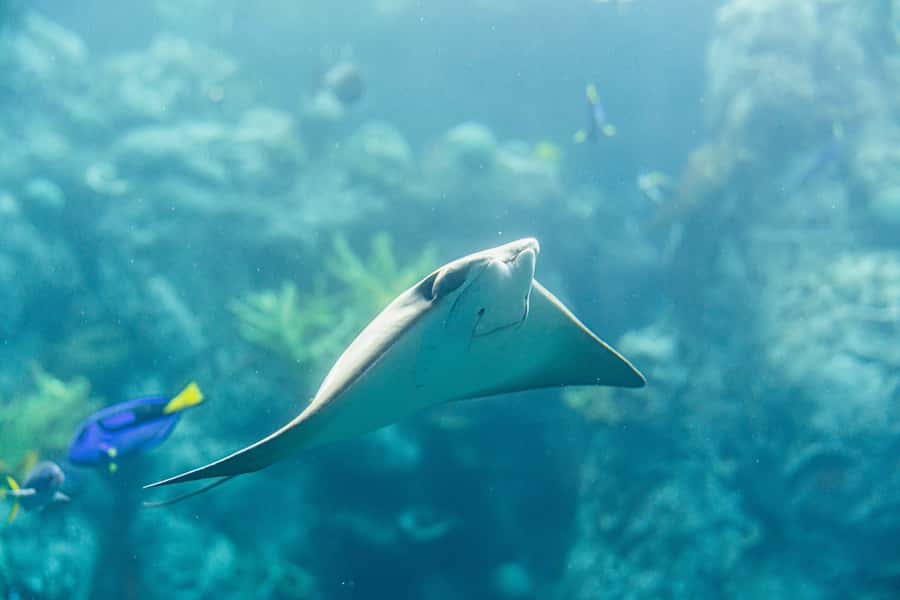
Some animals have an instant pull, and the aquarium gives you plenty of those familiar favorites. Sea otters are a natural crowd magnet, with their expressive faces and busy movements. Green sea turtles offer a slower counterpoint and give you a chance to watch an animal that looks calm but remains closely tied to ocean conservation concerns.
Sea lions and seals also feature among the main attractions. Their tanks provide the sort of active animal viewing that keeps children interested after a quieter fish gallery. You might find yourself spending more time here than expected, especially if an animal is moving near the viewing glass.
The aquarium holds 12,000 animals representing major Pacific regions. That number is large enough to give the visit real range, but it can also make the building feel busy in places. If you are visiting with young children, keep your route flexible rather than trying to inspect every tank.
The identification signs earn praise for helping you understand the species. Some tanks can be quite dark, which suits the animals but may make labels or close viewing harder. Give your eyes a moment to adjust before moving on.
Shark Lagoon and hands-on outdoor exhibits

Shark Lagoon is one of the aquarium’s best stops for a direct encounter with ocean predators. You can come face-to-face with sharks and also find interactive touch areas featuring animals such as rays and small sharks.
The touch pools add a physical element that standard aquariums often lack. Children can connect a hand on a ray or a glimpse of a shark with the animals they have just seen through glass. Staff presence and clear instructions matter here, so listen before touching and move gently.
This outdoor section also changes the pace of the visit. After several indoor galleries, fresh air and open space can be welcome. The drawback is practical: outdoor exhibits are more exposed to the weather, and bags placed down may get muddy near some areas.
If you are visiting with a baby or toddler, crowds can make it harder to reach the front of a touch pool. One useful approach is to use a baby carrier instead of relying entirely on a stroller. That gives you more freedom to move close to the exhibits, though you should still follow the aquarium’s own safety instructions.
A different kind of day out entirely:
- Los Angeles: Warner Bros. Studio Tour Hollywood
★ 4.6 · 7,191 reviews - Full-Day Iconic Sights of LA, Hollywood, Beverly Hills, Beaches and More
★ 5.0 · 6,147 reviews - Warner Bros. Studio Tour Hollywood
★ 4.5 · 5,246 reviews - Hollywood, Beverly Hills & Celebrity Homes Tour by Open Air Bus
★ 5.0 · 2,557 reviews
Lorikeet Forest and the aquarium’s most memorable encounter
For many people, Lorikeet Forest becomes the surprise favorite. These colorful birds can land on your hands, creating a much more personal encounter than watching animals behind glass.
Hand-feeding the lorikeets is an extra-style experience rather than simply another viewing gallery, so check the current arrangements and any added charge on the day. The birds are active and close, which makes this a strong choice for children and for anyone who wants a photograph with a little more life in it.
You should also be ready for the possibility that the birds may not cooperate on your schedule. The appeal is in their freedom to move around, not in a guaranteed pose. Keep your hands steady, follow staff directions, and expect the area to be popular.
The exhibit provides a nice reminder that an aquarium visit does not have to mean walking from tank to tank. Between the lorikeets, touch pools, and outdoor habitats, you get several ways to meet Pacific wildlife.
June Keyes Penguin Habitat and Magellanic penguins
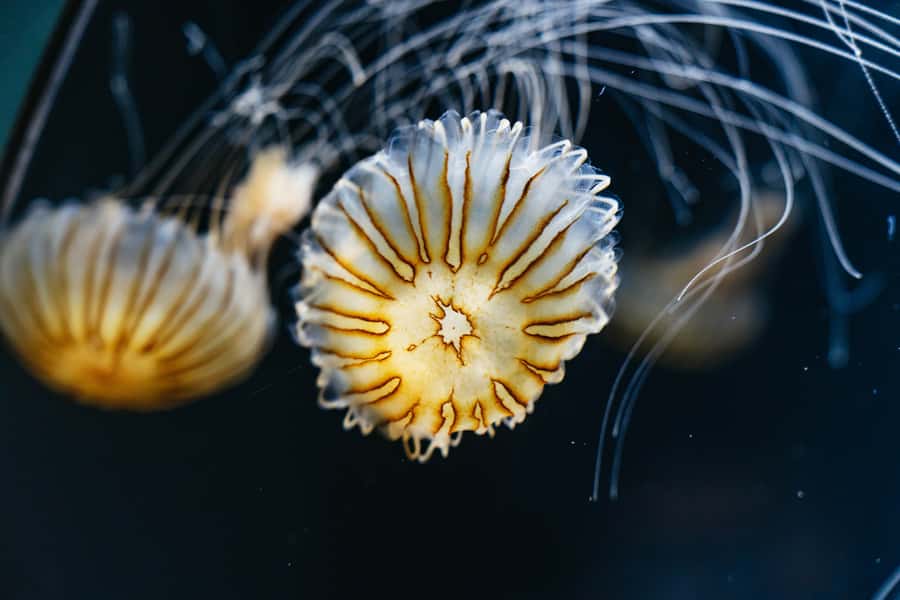
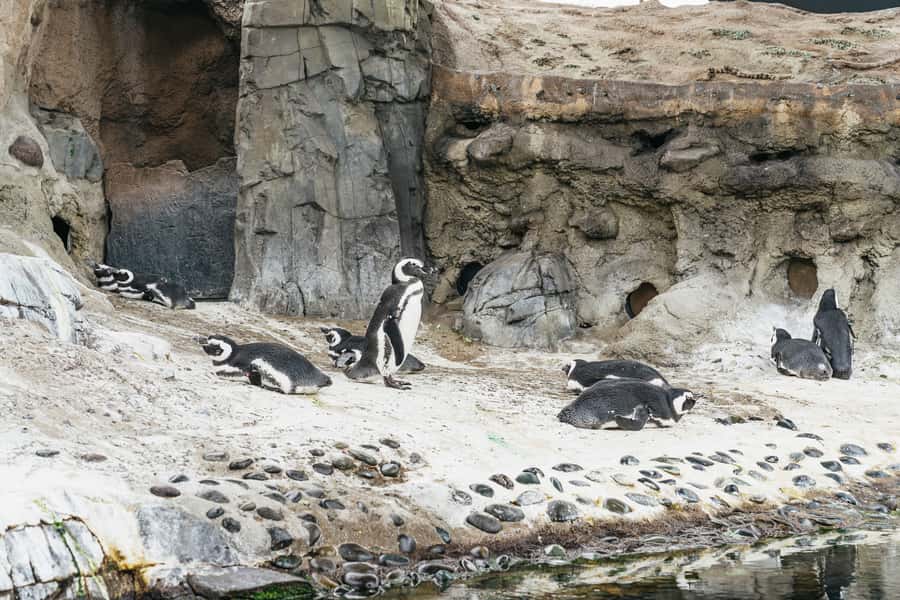
The June Keyes Penguin Habitat is another clear highlight. Here you can watch Magellanic penguins in a setting designed around their swimming and waddling behavior.
Penguins appeal across age groups because they are easy to watch without needing a long explanation. Children can follow their movements, while adults may appreciate the chance to observe a species from the southern part of the Pacific world.
The penguin area is also a useful pause in the middle of the day. The aquarium has a lot to see, and a favorite animal habitat can help you reset before continuing. If the viewing area is crowded, wait a few minutes rather than trying to squeeze through. The penguins will still be there, and patience usually gives you a better view.
Pacific Visions and the eight-minute theater film
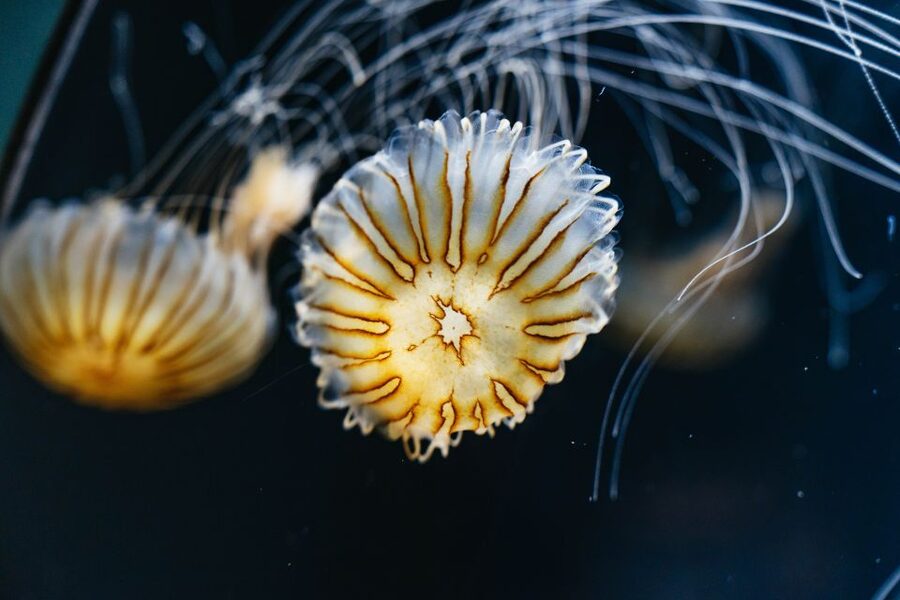
Pacific Visions adds a more high-tech side to the aquarium. Its centerpiece, the Honda Pacific Visions Theater, uses an eight-minute film, a massive 180-degree curved screen, and a floor projection disc.
The multisensory effects are included in admission, so you do not need to buy a separate theater ticket. The full-range screen gives this short presentation a different feel from a standard educational video. It is a useful change of pace when you want to sit down and let the aquarium tell the story for you.
At eight minutes, the film is short enough for children who struggle with long presentations. It also makes a sensible addition if you are tired after walking through the galleries. Check the current show timing when you arrive so you can fit it into your route rather than crossing the building twice.
I would treat Pacific Visions as a worthwhile extra, not the main reason to buy the ticket. The animals and hands-on areas carry the visit. The theater adds context and a modern visual presentation.
How much time should you plan?
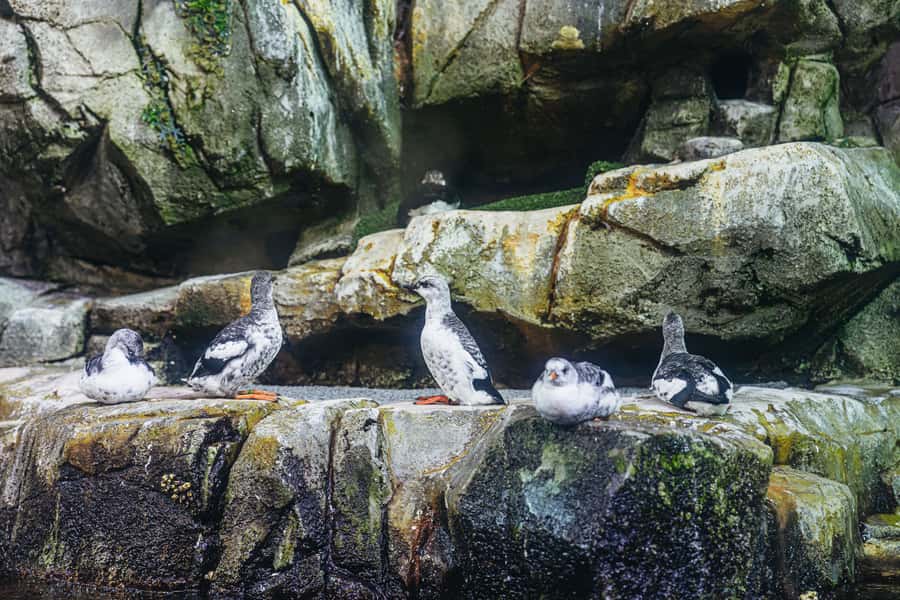
Most people can see the aquarium in about two to three hours if they keep moving. That is enough for the major exhibits, though not enough for a careful reading of every sign, repeated visits to favorite animals, lunch, and all interactive areas.
Families with young children may stay much longer. One family with children aged three and six arrived around noon and stayed until closing, finding enough activities to fill the afternoon. The aquarium can support that kind of slower visit because you can alternate animal viewing, touch pools, outdoor areas, food, and the theater.
For a relaxed visit, I would plan at least half a day. A full day is possible if you want to read the displays, watch animal behavior, eat on site, and revisit the best areas. The official duration is one day, which gives you room to make the visit fit your schedule rather than rushing through it.
The aquarium is mostly indoors, which helps if you want a California activity that is less dependent on sunshine. Outdoor exhibits still matter, especially Shark Lagoon and Lorikeet Forest, but much of the visit remains protected from the weather.
Food, parking, and busy-day planning
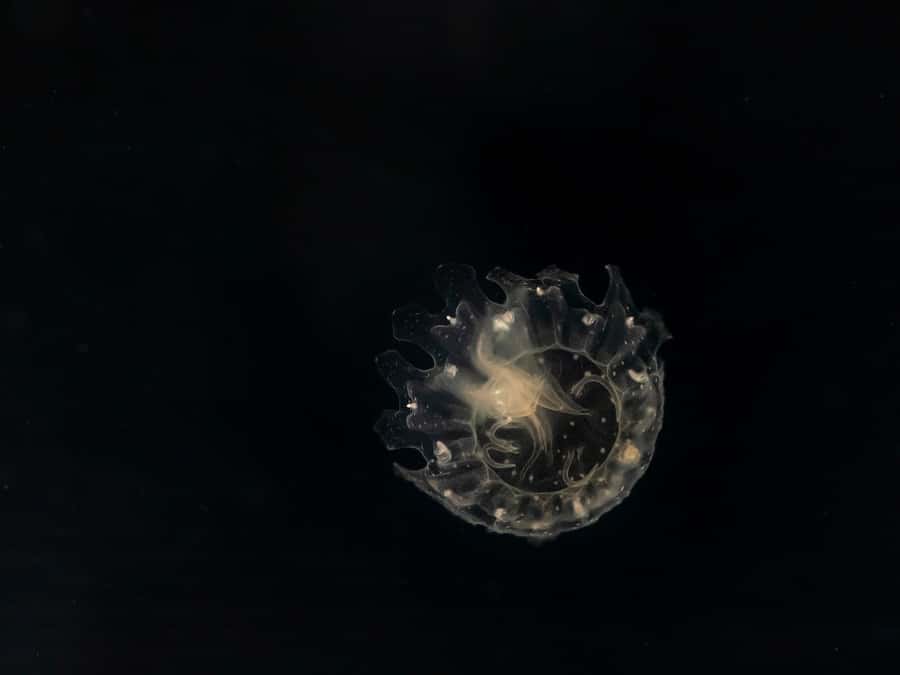
Food is available at the aquarium, and the cafe can be convenient when you are traveling with children or do not want to leave the site. The portions have been described as generous and the food as tasty, but prices are higher than a casual meal outside the aquarium. Bring that cost into your day’s budget.
Parking is not included. If you drive, bring your parking ticket into the aquarium for an $8 all-day parking validation. That can lower the sting of parking, but you still need to allow time to find a space.
The aquarium is open during the Long Beach Grand Prix, but parking is very limited then. That is a major planning point. If your visit overlaps with the race, check parking arrangements carefully and consider arriving with extra time.
Saturday crowds can change the experience. Busy periods affect the touch pools, popular animal windows, and general movement through the galleries. The skip-the-line ticket helps at the entrance, but it cannot make the interior quiet. For a calmer visit, choose a less crowded day if your schedule allows.
The aquarium closes on December 25. It is worth checking the date before you commit your plans, especially if you are building a holiday itinerary.
Who gets the most value from the $44 ticket?
The ticket makes the most sense for families who want several hours of activity in one place. Children can move between bright fish, penguins, sharks, touch pools, birds, and the theater, so the visit is not dependent on one favorite animal.
It also suits adults who enjoy marine life but do not want a formal guided tour. You can read as much or as little as you like, take photographs, and set your own pace. The friendly English and Spanish speaking staff can help if you need directions or exhibit information.
The value is weaker for someone already familiar with the aquarium who plans a short stop. At $44, you should give yourself enough time to see the three Pacific regions, outdoor exhibits, Penguin Habitat, Lorikeet Forest, and Pacific Visions.
The ticket is also worth considering if you dislike ticket booth queues. Digital entry has been easy to use, with a quick scan at admission. Reserve now and pay later is available, and cancellation is allowed up to 24 hours before the visit for a full refund. Those terms help if your Southern California plans are still shifting.
Should you book Aquarium of the Pacific entry?
Book it if you want a flexible, family-friendly aquarium day with excellent animal variety and several hands-on stops. The penguins, lorikeets, touch pools, sea otters, sharks, and outdoor habitats give the visit more range than a simple walk through fish tanks.
I would book ahead for busy dates, particularly if avoiding the ticket line matters to you. Just budget for parking and food, expect crowds on Saturdays, and do not assume skip-the-line entry means every exhibit will be quiet.
For most families, couples, and first-time visitors to Long Beach, the $44 price is reasonable when you stay half a day or longer. If you have only two hours, focus on Shark Lagoon, Lorikeet Forest, the penguins, sea otters, and Pacific Visions. If you can stay until closing, the aquarium gives you a fuller and more satisfying look at life across the Pacific.
FAQ
Where is the Aquarium of the Pacific?
The Aquarium of the Pacific is in Long Beach, California. You should go directly to the aquarium for entry.
How much does admission cost?
The listed price is $44 per person. The ticket includes skip-the-ticket-line admission for one day.
What does the ticket include?
It includes entrance to the Aquarium of the Pacific and the Honda Pacific Visions Theater experience. The theater includes an eight-minute film with multisensory effects.
Is parking included?
No. Parking is not included. If you bring your parking ticket into the aquarium, you can receive an $8 all-day parking validation.
How long is the ticket valid?
The ticket is valid for one day. You can check availability for the available starting times when booking.
Can I cancel the booking?
Yes. You can cancel up to 24 hours in advance for a full refund.
Is the aquarium open on December 25?
No. The aquarium is closed on December 25. It is open during the Long Beach Grand Prix, but parking is very limited during the event.
Just added in Los Angeles
- Malibu: Guided Vineyard Hike with Photo Stops and Wine★ 5.0 · 391 reviews
- Guided Whale Watching Tour from Long Beach★ 4.5 · 335 reviews
- City Tour of Los Angeles, Hollywood and Beverly Hills★ 5.0 · 444 reviews
- Universal Studios Hollywood General Admission Ticket, California★ 4.0 · 1,489 reviews
- The VIP Experience at Universal Studios Hollywood in California★ 4.5 · 551 reviews
- Los Angeles Original 90-Minute Walking Tour to The Hollywood Sign★ 5.0 · 693 reviews
- The Ultimate LA Tour: Full Day Sightseeing Tour On Electric Bike★ 5.0 · 478 reviews
- Swan Boat Rental at Rainbow Lagoon in Long Beach★ 4.5 · 405 reviews
Aquariums, compared.
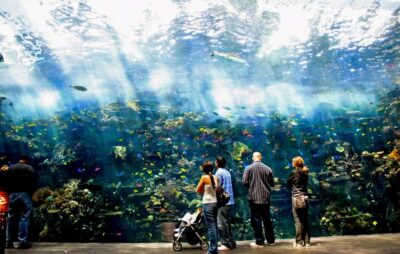
Georgia Aquarium Skip-the-Box-Office Entry Ticket
Read our review →

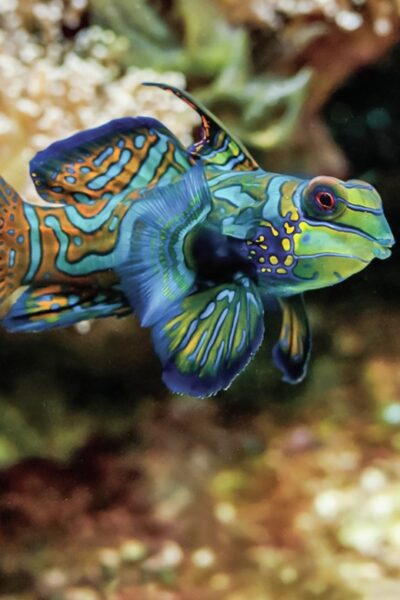
New England Aquarium Entry + Optional Simons Theatre
Read our review →
Skip the Ticketing Line: Aquarium of the Pacific General Admission Ticket
Read our review →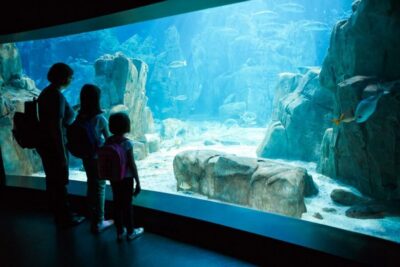
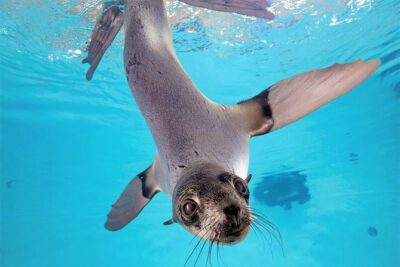

Madame Tussauds and SEA LIFE Aquarium Combo Ticket
Read our review →Browse the lists this tour appears in