
Reviewed · MANTA RAY SNORKEL TOURS
Manta Ray Night Snorkel Kona – Coral Reef Snorkel Adventures
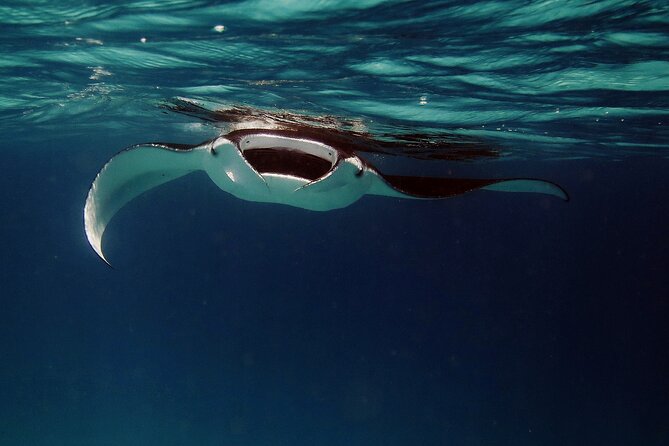
Night snorkeling changes the rules. In Kona, plankton gathers beneath bright boards after dark, and manta rays glide in to feed. This Coral Reef Snorkel Adventures trip gives you a close look at these gentle giants in their natural setting, not behind glass or in a managed show.
I like the small-vessel format, which can put you near the action with fewer people around you. I also like the strong manta-sighting record, with the company reporting better than a 90 percent chance. The main caution is the open-ocean ride. The boat can bounce hard, and the water may feel cold and tiring once you are holding the board.
The trip costs $125 per person and lasts about 90 minutes. You receive snorkeling gear, instruction, snacks, and non-alcoholic drinks. The guide team, including Jacob, Jeff, Cody, and others named in guest feedback, earns especially high marks for calm help and clear information. Just make sure you understand the group-size policy: some booking information describes a maximum of six, while the tour’s additional details and company response allow up to 12 people.
In This Review
- Key Points Before You Book
- Meeting at Honokohau Small Boat Harbor
- A Fast Boat Ride After Sunset
- The Lightboard Viewing Area
- Holding On for 30 to 45 Minutes
- Manta Sightings, With No Absolute Promise
- The Ride Back and What You Receive
- Is $125 a Fair Price?
- Who Will Enjoy This Night Snorkel?
- Practical Tips for a Better Evening
- Cancellation and Booking Details
- FAQ
- Where does the manta ray night snorkel begin?
- How long does the experience last?
- Is snorkeling equipment provided?
- Do I need to be a strong swimmer?
- How many people can join the boat?
- What happens if no manta rays appear?
- Should You Book Coral Reef Snorkel Adventures?
Key Points Before You Book
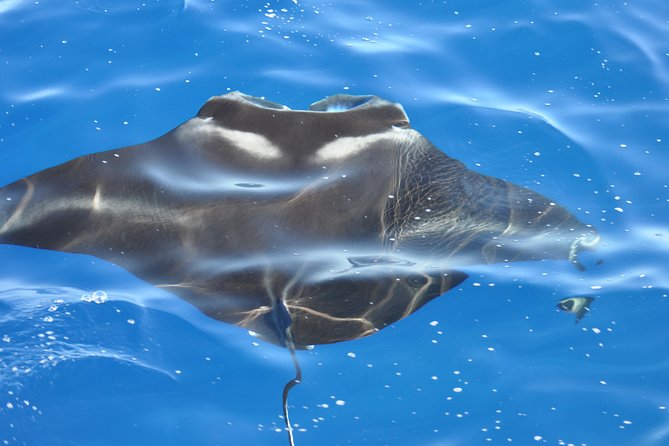
- Mantas feed beneath lighted boards: Plankton gathers around the lights, bringing manta rays close to the surface.
- The ride can be rough: The small Zodiac-style boat moves quickly across open water, and the return trip may feel chilly.
- You must swim independently: You need to swim without a flotation device and manage roughly 30 to 45 minutes holding the board.
- Sightings are not guaranteed: The reported chance is above 90 percent, but some outings see few or no rays.
- Guides are a major strength: Jacob, Jeff, Cody, Alexis, Danny, and other crew members receive praise for safety support and manta information.
- Book early in your stay: If the rays do not appear, a free return opportunity may help, but only if you still have time on the island.
Meeting at Honokohau Small Boat Harbor
The experience begins at Coral Reef Snorkel Adventures, 74-425 Kealakehe Parkway in Kailua-Kona. You receive a mobile ticket and booking confirmation, and the tour is offered in English.
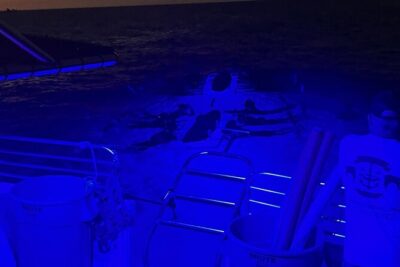
At the harbor, the guide meets your group and leads you to the boat. The setup is simple, but do not arrive expecting a large catamaran with wide decks and lots of room. The boat used for this experience is a small, fast vessel, often described as a Zodiac-style craft with seating along the pontoons.
That design has a clear benefit: you spend less time moving a large crowd around. It can also bring you closer to the viewing area without the bulk of a big boat. The tradeoff is comfort. You may sit on the outer pontoon, and the ride can be bumpy when the sea is up.
You will put on the provided snorkeling equipment and receive instructions before heading out. Some accounts also describe wetsuit jackets or wetsuits being provided, though the listed inclusions specifically guarantee snorkeling equipment. Bring only what you need, since shoes and personal items may be stored aboard, and you will want both hands free.
More manta ray night snorkels:
- Big Island Manta Ray Night Snorkel
★ 5.0 · 5,656 reviews - Big Island: Kona Manta Ray Snorkel Tour in Keauhou Harbor
★ 4.5 · 2,465 reviews - KONA Manta Ray Night Snorkel – FREE re-ride if no Sightings
★ 5.0 · 2,212 reviews
A Fast Boat Ride After Sunset
The boat leaves after dark, when manta rays commonly feed near Kona’s viewing areas. The ride to the site takes roughly 20 to 25 minutes according to detailed trip accounts, though the total tour is listed at about an hour and a half.
This crossing is part of the adventure, but it is not a quiet cruise. A small boat reacts more sharply to waves, and several people found the ride rough enough to feel sick or decide not to enter the water. Conditions change with the weather and season, and the captain can cancel if the sea is unsafe, but you should still treat motion sickness as a real possibility.
I would sit where the crew directs you, keep your eyes on the horizon when possible, and ask about current sea conditions before booking if you are prone to nausea. Speak with a health professional in advance about motion-sickness options. The company notes that larger boats are not automatically better for seasickness, since they may spend longer loading people and waiting on the water. Still, if you dislike fast rides or unstable boats, this is an important drawback.
The crossing can also be beautiful. One evening may bring a sunset on the way out, followed by a dark sky scattered with stars. On the return, you may be cold, wet, and ready for the harbor, so keep your towel easy to reach.
The Lightboard Viewing Area
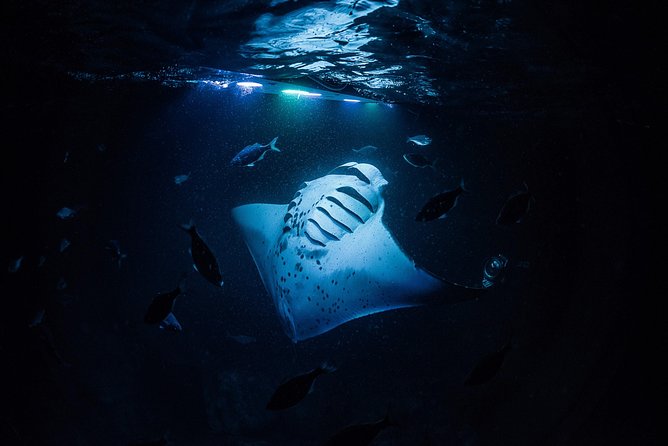
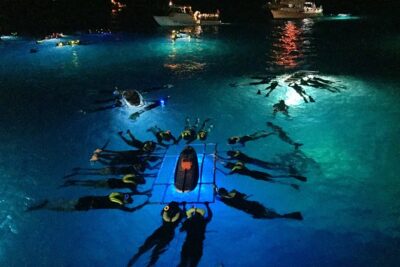
At the site, the boat stops near a floating lightboard. You enter the water and hold the board’s handles while looking down into the illuminated water. The lights draw plankton, and the plankton draws manta rays.
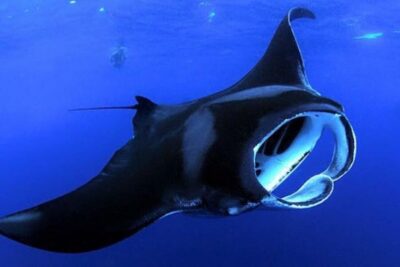
The scene is unusual. You are not chasing the animals. You are floating in place while the rays sweep below you, sometimes turning upside down, rolling, or passing within inches of your face. Several accounts describe rays brushing close to a swimmer’s torso or making repeated passes beneath the board.
The lightboard gives you a stable reference point, but the ocean still moves. Waves can push you around, and you may accidentally bump feet with people from nearby groups. Keep your kicking gentle. Strong, busy kicking can make it harder for rays to approach and can tire you out.
The company’s instructions are designed to protect both you and the animals. Listen carefully before entering the water, keep your body controlled, and do not touch the manta rays. They are wild animals, and their close approach is their choice.
Holding On for 30 to 45 Minutes
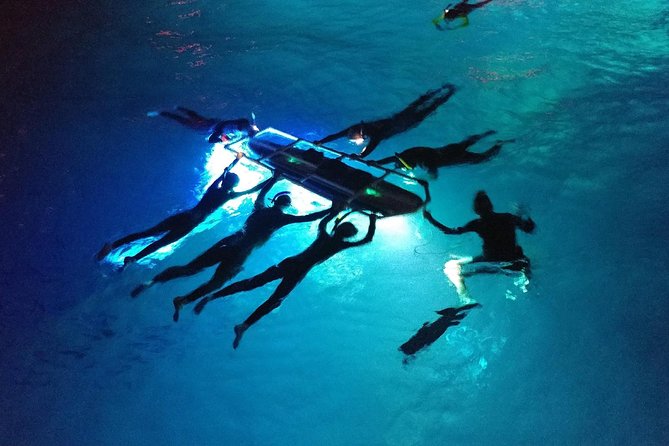
The water time is usually the heart of the outing. Detailed accounts describe roughly 30 to 45 minutes watching the animals below the board, though the exact time depends on conditions and the crew.
You need to swim independently and hold on without a floatation device. The position can feel like a Superman pose, with your arms extended toward the board. That may sound easy, but holding your shoulders out for half an hour can leave your arms, neck, and upper back sore.
Here is the practical trick: do not over-grip. Relax your shoulders, keep your breathing steady, and use the board for support without locking every muscle. If you submerge your head completely, you may miss the guide’s explanations, so you will be balancing two goals: watching the rays and listening to the information.
A snorkel mask makes it easier to keep your face in the water while breathing normally. The guides assist with masks and equipment, explain safe behavior, and point out what you are seeing. Jacob receives repeated praise for his patience and explanations, while other crew members, including Jeff, Cody, Alexis, and Danny, are credited with helping nervous swimmers feel secure.
The setting can feel strange at first. Entering the ocean at night takes nerve, even with a group and a guide nearby. Once the first manta passes under the lightboard, that nervous feeling often gives way to amazement. The animals are large, quiet, and graceful, and their feeding pattern lets you watch them at close range without a chase.
A few more options to weigh up in Big Island of Hawaii
- Big Island in a Day: Volcanoes Waterfalls Sightseeing and History
★ 5.0 · 6,569 reviews - Hilo Shore Excursion: Volcanoes National Park & Black Sand Beach
★ 4.5 · 2,338 reviews - Big Island: Captain Cook Snorkel On A Power Catamaran With Lunch
★ 5.0 · 2,232 reviews - Manta Ray Night Snorkel at Kona, Big Island
★ 5.0 · 1,758 reviews
Manta Sightings, With No Absolute Promise
The company advertises a better than 90 percent chance of spotting manta rays. That is an excellent outlook, but it is not a guarantee. Some outings see 10 or 11 rays, while another may see only one. A few have had no manta sighting at all.
That variation is worth accepting before you pay. The ocean controls the schedule, the plankton, and the animals. Even when you see only one ray, it may circle repeatedly and give you a memorable encounter. On other nights, several animals may feed beneath the board at once, turning and passing within inches of your mask.
If no manta appears, the company may offer a free return trip. That policy can make a real difference, but only if you book early enough in your Big Island visit to use it. I strongly suggest scheduling this experience near the beginning of your stay rather than on your last night. You then have room to try again if conditions or animal activity disappoint.
The best sightings also depend on your own behavior. Stay calm, avoid excessive kicking, and look in every direction beneath the board. The rays may approach from behind or move below another section of the board before sweeping into view.
The Ride Back and What You Receive
After the water session, you climb back up the boat ladder. This step may be awkward if you have knee trouble, limited upper-body strength, or difficulty pulling yourself up. The tour is not recommended for people with neck problems, and you need a moderate level of physical fitness.
The ride back to the harbor can be just as rough as the ride out. It may also feel colder because you are wet and tired. Bring your own towel, which is the one item the tour specifically asks you to provide. Keep it accessible rather than buried in a dry storage cabinet.
Snacks and non-alcoholic drinks are included. The timing may vary, and one account says drinks were served after the outing in the parking area rather than immediately aboard. Another notes that the drinks were hot, so do not count on a cold beverage during the boat ride. Think of the refreshments as a modest finish, not a meal.
The trip ends back at the original meeting point. Since the listed duration is about 90 minutes, it fits neatly into an evening plan, but allow flexibility around the stated time because open-water conditions and loading procedures can affect the schedule.
Is $125 a Fair Price?
At $125, this is not the cheapest way to spend an evening in Kona. You are paying for a boat ride, gear, a guide team, snacks, and the chance to see wild manta rays at close range.
The value rests on the quality of the encounter. If several mantas glide beneath you, roll near the board, and remain for 30 to 45 minutes, the price can feel very reasonable. The close viewing position and smaller vessel may also be worth paying for if you prefer a more personal experience over a large operation carrying 30 to 50 or more people.
The group-size details need careful attention. The highlights describe a maximum of six, and some bookings appear to have been sold with that expectation. Yet the additional tour information lists a maximum of 12, and the company confirms that its Coast Guard-certified vessels can carry up to 12 guests. A 12-person boat is still smaller than many competing operations, but it is not the same as a six-person outing.
If a six-person maximum matters to you, contact Coral Reef Snorkel Adventures before paying and get the current policy in writing. The company also offers private charters for people who want exclusive use of the boat.
Who Will Enjoy This Night Snorkel?
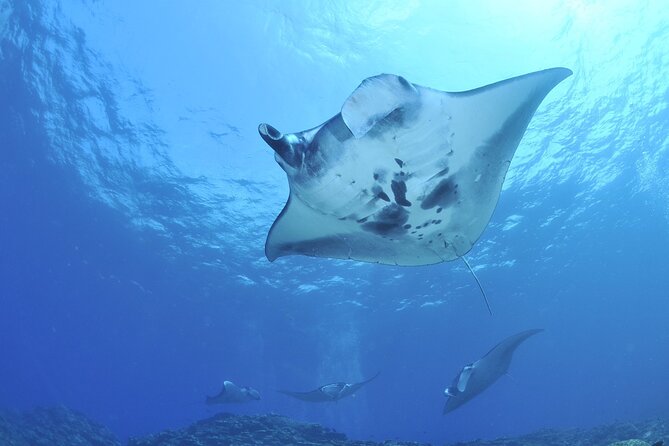
This experience suits confident swimmers, families with older children, couples, and anyone who wants a close wildlife encounter rather than a standard daytime snorkel. Children have enjoyed the rays, and guides have helped reassure nervous youngsters, including a 10-year-old.
You should be comfortable with open water, a night setting, boat motion, and holding the board for an extended period. The tour is not a good match if you cannot swim without flotation support, have serious neck problems, or know that rough rides leave you ill.
People with knee trouble can still find the crew patient and helpful, but getting in and out of a small boat requires care. If you have limited strength or mobility, ask specific questions before booking. The ladder and pontoon seating are more demanding than a broad, stable platform.
The experience can work for a family group, but the small boat does not provide much separation from other people. If a crowded boat would spoil the evening, confirm the actual group size or consider a private charter.
Practical Tips for a Better Evening
- Book early in your island stay: A return opportunity is useful only when you have another night available.
- Bring a towel: The tour does not provide one, and you may be cold on the way back.
- Wear a swimsuit: You will be fitting snorkeling gear and entering the water after the boat ride.
- Protect your shoulders: Keep a relaxed grip on the board instead of locking your arms.
- Listen with one ear: Keep your face in the water when you want to watch, but raise your head periodically for guide instructions.
- Expect motion: Ask about sea conditions before departure if you are prone to seasickness.
- Check the group size: The published information gives both six and 12 as possible maximums.
- Do not touch the rays: Their close approach is thrilling enough without contact.
- Plan for cold afterward: A towel and dry clothes will make the return much more comfortable.
- Keep your expectations honest: A high sighting rate is encouraging, but no wild animal schedule is certain.
Cancellation and Booking Details
You can cancel for a full refund up to 24 hours before the start time. Changes or cancellations made within 24 hours are not refunded or accepted.
The outing requires suitable weather and a minimum number of participants. If the company cancels for poor weather or insufficient bookings, you can choose another date or receive a full refund.
The experience is offered in English, and confirmation is provided when you book. The listed weight limit is 280 pounds per person.
FAQ
Where does the manta ray night snorkel begin?
It begins at Coral Reef Snorkel Adventures, 74-425 Kealakehe Parkway, Kailua-Kona, Hawaii 96740. The outing ends back at the same meeting point.
How long does the experience last?
The listed duration is approximately one hour and 30 minutes. Detailed trip accounts describe a boat ride of about 20 to 25 minutes each way and roughly 30 to 45 minutes in the water.
Is snorkeling equipment provided?
Yes. Snorkeling equipment is included. You should bring your own towel.
Do I need to be a strong swimmer?
You must be able to swim without the assistance of a flotation device. The tour also requires a moderate level of physical fitness because you hold the lightboard and climb back into the boat.
How many people can join the boat?
The supplied information gives two group-size descriptions. The highlights describe a maximum of six, while the additional details and company explanation allow up to 12 people. Contact the operator before booking if the exact group size is important to you.
What happens if no manta rays appear?
The tour does not guarantee a sighting, although the stated chance is above 90 percent. The company may offer a free return opportunity when there is no manta sighting, so booking early in your island stay is wise.
Should You Book Coral Reef Snorkel Adventures?
I would book this tour if seeing manta rays is high on your Big Island wish list and you are a comfortable swimmer who can handle a small boat. The best part is the close, quiet view as the rays circle beneath the lightboard. The crew’s patient help, especially from guides such as Jacob, Jeff, Cody, and Alexis, adds real value.
I would hesitate if you get seasick, dislike unstable boats, have neck problems, or need a flotation device. I would also confirm the group size before booking, since six and 12 are both presented as limits.
For the strongest chance of a satisfying experience, schedule it early in your Kona stay, ask about sea conditions, bring a towel, and keep your shoulders relaxed in the water. If the night goes well, $125 buys one of Hawaii’s most memorable wildlife encounters.
Just added in Big Island of Hawaii
- Volcano Adventure: Hilo Sightseeing w/ Optional Helicopter Tour★ 4.5 · 412 reviews
- Hilo Shore Excursion: Active Volcano, Lava Tube, Waterfall and Gardens★ 5.0 · 393 reviews
- Kealakekua Bay Snorkeling Tour – 4 hour Kona Zodiac Adventure★ 5.0 · 508 reviews
- Zodiac Raft Whale Watching Adventure★ 5.0 · 456 reviews
- Whale Watching On The Big Island★ 5.0 · 573 reviews
- Big Island, Hawaii: Volcanoes National Park Safari★ 4.5 · 545 reviews
- Manta Ray Night Snorkel Tour in Kailua-Kona, Big Island★ 5.0 · 382 reviews
- Hawaii Volcanoes, Waterfalls, Beaches & Hilo Highlights Day Tour★ 5.0 · 391 reviews
Manta Ray Snorkel Tours, compared.
Big Island: Kona Manta Ray Snorkel Tour in Keauhou Harbor
Read our review →
KONA Manta Ray Night Snorkel – FREE re-ride if no Sightings
Read our review →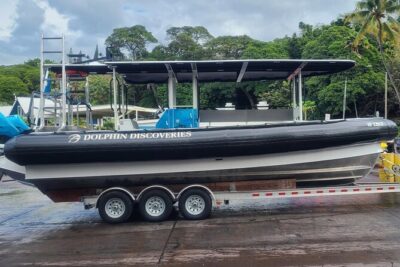
Kailua Kona: Night Manta Ray Adventure on the Big Island
Read our review →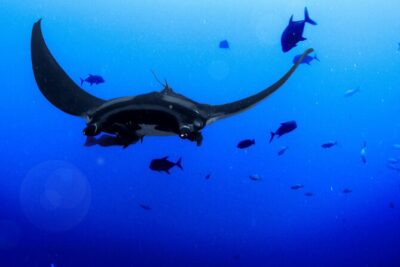
Manta Magic: Small-Group Manta Ray Night Snorkel in Kailua Kona
Read our review →
Browse the lists this tour appears in