
Reviewed · MANTA RAY SNORKEL TOURS
Manta Ray Snorkeling by Night in Kailua-Kona, Hawaii
Manta rays turn Kona’s night water into a theater. Eka Canoe Adventures pairs a short ride in a historically accurate Hawaiian double-hulled canoe with a close look at wild manta rays feeding beneath illuminated float boards. The setting feels more personal than a large boat outing, and the small group limit of 12 keeps the evening manageable.
I like the small-group format, which gives you more room around the light board and makes it easier for the water guide to keep an eye on everyone. I also like the canoe ride itself, a simple but memorable way to reach the manta site rather than boarding a crowded vessel. The main consideration is time: the trip lasts about an hour, with actual water time commonly lasting 45 minutes or more, so the price can feel high if the encounter is brief or the rays do not appear.
In This Review
- Key points before you book
- Why Kona is famous for night manta encounters
- The short canoe ride sets the tone
- The lightboard is where the action happens
- What the manta encounter can look like
- A small crew makes a real difference
- Is $127.10 a fair price?
- Who should book this experience?
- Practical details for a smoother evening
- Should you book the Kona night manta snorkel?
- FAQ
- How long does the manta ray snorkel tour last?
- What is included in the tour?
- Are manta ray sightings guaranteed?
- Where does the tour meet?
- What age can participate?
- What should I bring?
Key points before you book
- Wild manta rays feed beneath the lights: The rays are not fed, trained, or handled, so sightings cannot be promised.
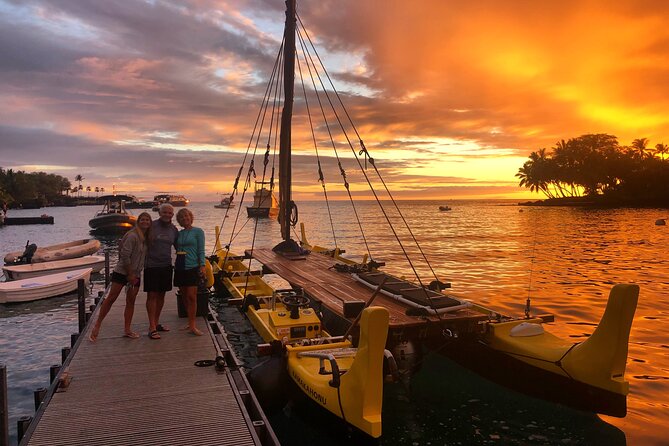
- The canoe holds 12 people or fewer: This is a calmer choice than a large-group boat trip.
- Purpose-built lightboards attract plankton: Plankton gathers around the lights, which brings manta rays close to the surface.
- A wetsuit top is included: You also receive flotation equipment and regular or prescription snorkel gear.
- You need basic swimming ability: You must be able to swim and climb a short ladder without help.
- The price is $127.10 per person: That is reasonable for a small group and specialized equipment, but less attractive if you want a long water session.
Why Kona is famous for night manta encounters
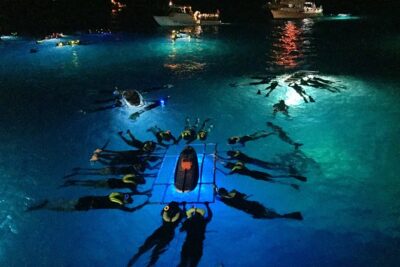
Along the Kona Coast, manta rays gather after dark to feed on plankton. The tour uses lights aimed into the water, drawing plankton toward the surface and creating the feeding scene you came to see.
This is not a zoo visit or a staged animal show. The rays are free to appear, circle, or stay away. That uncertainty is part of the experience, but it also matters when you decide how much to pay and how to plan your evening.
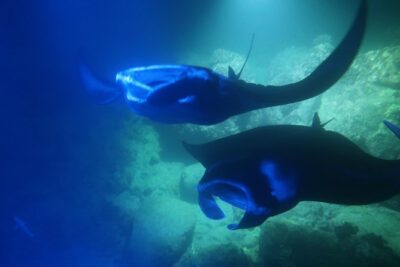
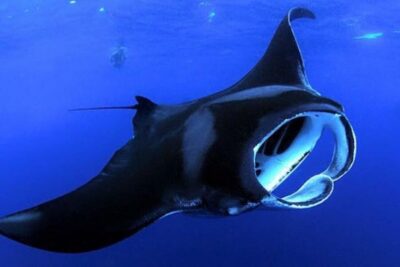
When the rays arrive, they glide beneath the light board with their wide mouths open, sweeping up plankton. Their movements can look almost choreographed, with slow rolls, sudden turns, and broad wings passing close to your face. Several of the strongest accounts describe rays coming within inches of the swimmers.
The most useful expectation is simple: you are going to a place where manta rays often feed, not buying a guaranteed wildlife performance.
More manta ray night snorkels:
- Big Island Manta Ray Night Snorkel
★ 5.0 · 5,656 reviews - Big Island: Kona Manta Ray Snorkel Tour in Keauhou Harbor
★ 4.5 · 2,465 reviews - KONA Manta Ray Night Snorkel – FREE re-ride if no Sightings
★ 5.0 · 2,212 reviews
The short canoe ride sets the tone
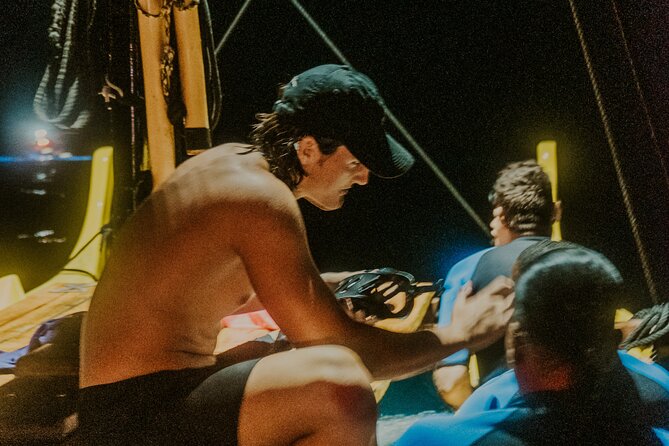
You meet the group at 78-7130 Kaleiopapa Street in Kailua-Kona. After check-in, the crew provides your snorkel equipment, flotation aid, and wetsuit top. Height and weight are collected so the wetsuit top can be sized correctly.
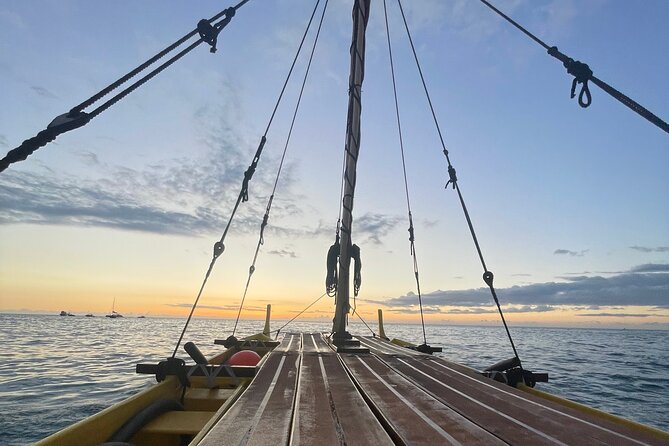
The trip out to the viewing area is brief. That helps keep the total outing compact, and it means less time bouncing offshore before you reach the main activity. The canoe is one of the experience’s defining features. It is a historically accurate Hawaiian sailing canoe with two hulls, giving the ride a stronger sense of place than a standard excursion boat.
I would choose this format if the canoe matters to you, not just the manta rays. A boat is often the quickest way to move a large crowd, while a canoe makes the outing feel smaller and more connected to the coast. The tradeoff is that you have less room and fewer conveniences than you might find on a larger vessel.
The group size is capped at 12, and the crew has been praised for careful boarding and unloading. You may enter the water from close to the canoe, using a pool float or similar flotation aid, then move a short distance to the light board. That short transfer can be reassuring if you feel nervous in open water.
The lightboard is where the action happens
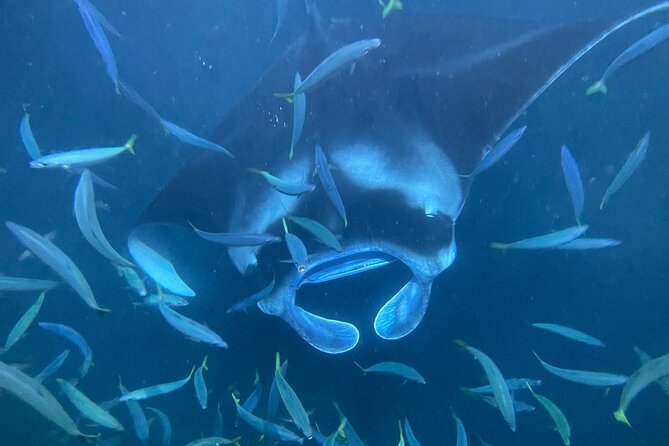
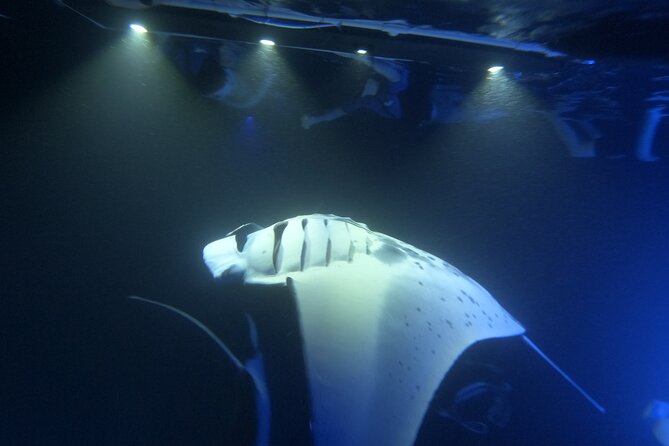
Once you reach the site, the canoe remains nearby while you hold onto an illuminated flotation board. The lights attract plankton, and the plankton attracts the manta rays.
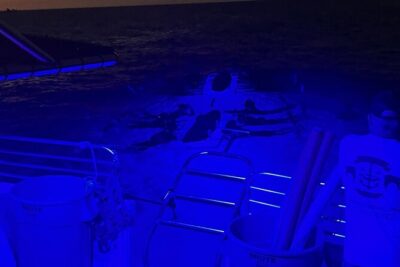
The board serves two jobs. It provides a place to hold while you watch, and it concentrates light in one area so you can see the animals more clearly. The company describes its lights as small but powerful, with a blue hue that may look less bright than white lights but is intended to work well underwater.
You are not asked to chase the rays. The best viewing comes from staying in place, keeping your body calm, and allowing the animals to pass beneath you. The water guide narrates what is happening and checks on the group. Guides named in particularly positive accounts included Ni’Koa, Kalala, Kama, Chris, Lance, Chaden, Beck, Tayler, and Rob, though crew assignments can change.
Holding the board for an extended period can tire your arms. One account describes seeing a few rays early, then waiting in the water before a larger group arrived near the end. That is a useful warning: even a great sighting can involve several minutes of floating and waiting.
If you are not a strong swimmer, do not confuse the flotation gear with a substitute for swimming ability. You still need basic swimming skills and must climb a short ladder unassisted when returning to the canoe.
What the manta encounter can look like
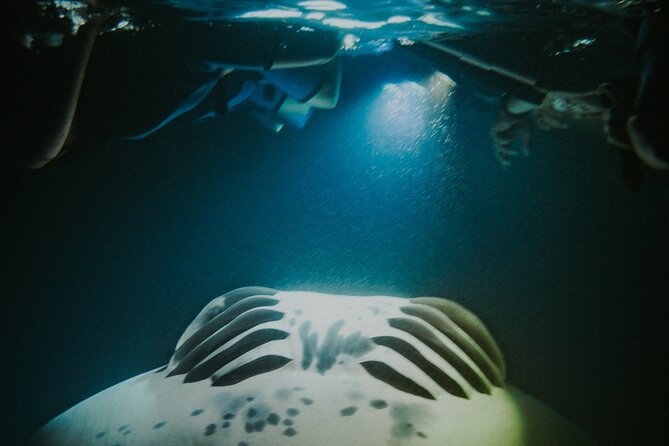
The experience varies from night to night. On a lucky evening, you might see several large rays circling continuously beneath the board. They may roll, turn, and pass close enough to make you instinctively pull your arms in.
The animals are gentle, but they are still wild. You should watch without touching them or trying to change their path. The best part is their natural movement, not physical contact.
The reviews describe a wide range of memorable scenes: three rays appearing within minutes, six rays gathering near the end, and groups of as many as eight passing close to the swimmers. Those numbers are not promises for your departure. They show how dramatic the encounter can be when feeding activity is strong.
The moonlit setting adds to the mood, but your attention will mostly be directed downward toward the illuminated water. If you book an early evening departure, you may also catch sunset before the sky darkens. A 6 p.m. outing was specifically praised for combining sunset with the nighttime activity.
The water can feel chilly, especially while you wait. The included wetsuit top helps, but it does not cover your whole body. Bring your own towel, since towels are not provided. Dry clothes for afterward are also a sensible choice.
More Snorkeling Trips in Big Island of Hawaii:
- Glow of the Deep: Night Snorkeling with Manta Rays
★ 4.5 · 1,254 reviews - Big Island: Manta Ray Night Snorkeling Adventure in Kailua-Kona
★ 5.0 · 593 reviews - Kealakekua Bay Snorkeling Tour – 4 hour Kona Zodiac Adventure
★ 5.0 · 508 reviews - Deluxe Morning Snorkeling Adventure
★ 5.0 · 325 reviews
A small crew makes a real difference
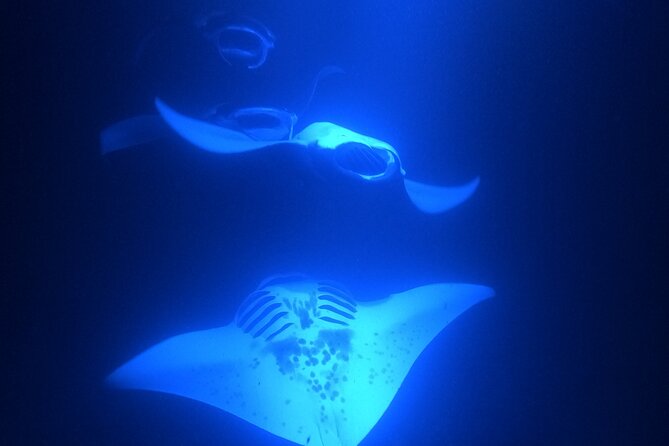
The canoe carries no more than 12 people, and the crew-to-participant ratio can make the water portion feel less chaotic. Three guides were praised on one outing, including a water guide who gave a running explanation and assisted people who were nervous or struggling.
That personal attention is especially valuable when you are entering the ocean at night. Several accounts describe clear instructions, careful boarding, and crew members checking on people during the session. A guide also helped with motion sickness during one family outing.
The experience is not perfect for everyone. One critical account described staff as insufficiently attentive and raised concern about an arm injury. The operator responded that no injury had been reported that evening and said it would review the concern. This is worth noting because nighttime water activities demand alert supervision, and you should speak up immediately if you feel unsafe or uncomfortable.
Most of the praise centers on the crew’s calm manner and willingness to help. That matters more here than a polished speech. You want guides who can get you in and out safely, explain what you are seeing, and notice when someone needs assistance.
Is $127.10 a fair price?
At $127.10 per person, this is not a cheap add-on. You are paying for a short outing, specialized lights, safety equipment, a wetsuit top, snorkel gear, and a group limited to 12 people.
The value improves if you dislike crowded excursions. Several people specifically preferred the smaller canoe to larger boats and felt the shorter ride did not reduce their water time. If you see a strong manta display, the cost may feel justified by the closeness and the personal attention.
The value is weaker if your main goal is a long snorkel session. The listed duration is about one hour, while the operator explains that the total commonly runs about one hour and 15 minutes, with roughly 45 minutes or more in the water. One dissatisfied customer expected a much longer outing and requested a partial refund. Check the duration carefully when booking so you do not arrive with the wrong expectation.
No company can control the animals. If no manta rays appear, the operating costs remain, so there is no automatic refund simply because the wildlife stayed away. The company offers a Manta Ray Guarantee, allowing another attempt on a different evening or a future visit to Kona, subject to available seats. That helps, but it is most useful if you have enough time on the island to try again.
Who should book this experience?
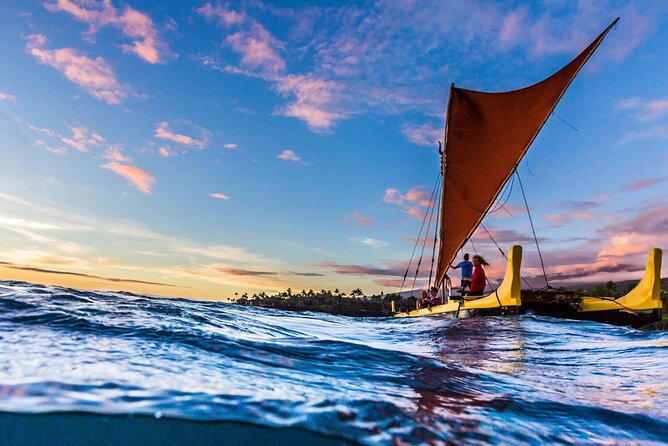
I would recommend it to confident swimmers, families with older children, couples, and solo visitors who want a close wildlife encounter without joining a large crowd. The minimum age is five, but age alone does not tell you if a child is ready. Your child must be comfortable in the water and able to follow instructions.
It also suits anyone who values the canoe ride as part of the outing. If you want a Hawaiian setting and a compact tour, this format has a clear advantage over a larger boat.
Think carefully before booking if you have recently undergone surgery, mobility restrictions, or other physical concerns. The tour requires entering the water and climbing a short ladder without assistance. Motion sickness can also be an issue, and medication is not included.
You do not need to be an exceptional swimmer, but you do need enough ability to manage yourself in the ocean while holding the flotation board. If you are anxious, tell the crew at the start. The strongest accounts describe guides helping nervous participants enter the water and stay calm.
Practical details for a smoother evening
Opt in to the company’s text updates during booking. The day-of message includes parking instructions and pictures showing the check-in location, which can save time at the meeting point.
Bring a towel. It is not included, and several people specifically wished they had remembered one. Pack dry clothes as well, since you return to the same meeting point after the water session.
Coffee, tea, and snacks are not provided. Eat beforehand if you need something substantial, but keep in mind that motion sickness can affect some people. Private transportation is also not included, though the meeting point is near public transportation.
Prescription snorkel equipment is available, as is normal snorkel gear. The wetsuit top is supplied for warmth, and flotation devices are included.
The tour is offered in English. Confirmation arrives when you book, and cancellation is free if you cancel at least 24 hours before the local start time. A late cancellation or late change is not refunded. If poor weather cancels the trip, you can choose another date or receive a full refund. The same choice applies if the minimum number needed to operate is not reached.
Should you book the Kona night manta snorkel?
Book it if you want wildlife up close, a small group, and a distinctive canoe ride. The strongest reason to choose Eka Canoe Adventures is the compact scale: no more than 12 people, a short ride to the site, flotation and snorkel equipment included, and guides who focus closely on safety.
Skip it if you dislike open-water swimming, need a long tour for the price, or have no spare evening for a possible second attempt. The manta rays may not appear, and even a successful outing can feel short.
For most people who meet the swimming requirements, this is a memorable use of one Kona evening. Just book with realistic expectations, bring a towel, and remember that the stars of the night are wild animals, not scheduled performers.
FAQ
How long does the manta ray snorkel tour last?
The experience is listed at approximately one hour. The operator says the tour commonly runs about one hour and 15 minutes, with actual snorkel time typically lasting 45 minutes or more.
What is included in the tour?
You receive a wetsuit top, flotation devices, and snorkel equipment. Regular and prescription snorkel equipment are available.
Are manta ray sightings guaranteed?
No. The manta rays are completely wild and are not fed or trained. The company cannot guarantee their presence, but its Manta Ray Guarantee offers another opportunity on a different evening or during a future visit to Kona, subject to available seats.
Where does the tour meet?
The meeting point is 78-7130 Kaleiopapa Street, Kailua-Kona, Hawaii 96740. The activity ends back at the same meeting point.
What age can participate?
The minimum age onboard is five years old. Participants must also be able to swim and climb a short ladder without assistance.
What should I bring?
Bring a towel and dry clothing for afterward. Coffee, tea, snacks, private transportation, motion sickness medication, and crew gratuity are not included.
Just added in Big Island of Hawaii
- Volcano Adventure: Hilo Sightseeing w/ Optional Helicopter Tour★ 4.5 · 412 reviews
- Hilo Shore Excursion: Active Volcano, Lava Tube, Waterfall and Gardens★ 5.0 · 393 reviews
- Kealakekua Bay Snorkeling Tour – 4 hour Kona Zodiac Adventure★ 5.0 · 508 reviews
- Zodiac Raft Whale Watching Adventure★ 5.0 · 456 reviews
- Whale Watching On The Big Island★ 5.0 · 573 reviews
- Big Island, Hawaii: Volcanoes National Park Safari★ 4.5 · 545 reviews
- Manta Ray Night Snorkel Tour in Kailua-Kona, Big Island★ 5.0 · 382 reviews
- Hawaii Volcanoes, Waterfalls, Beaches & Hilo Highlights Day Tour★ 5.0 · 391 reviews
Manta Ray Snorkel Tours, compared.
Big Island: Kona Manta Ray Snorkel Tour in Keauhou Harbor
Read our review →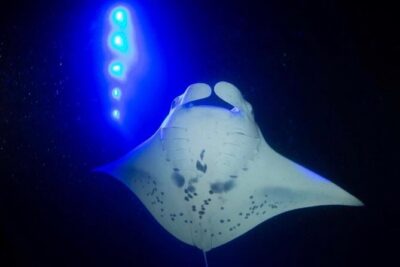
KONA Manta Ray Night Snorkel – FREE re-ride if no Sightings
Read our review →
Kailua Kona: Night Manta Ray Adventure on the Big Island
Read our review →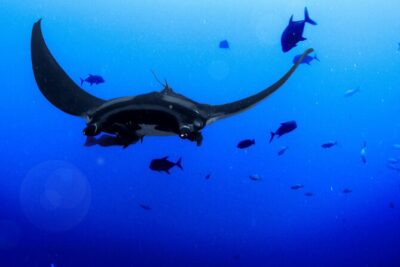
Manta Magic: Small-Group Manta Ray Night Snorkel in Kailua Kona
Read our review →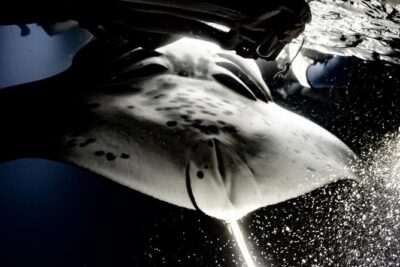
Browse the lists this tour appears in