
Reviewed · FARMS
Alpaca and Llama Farm Tour
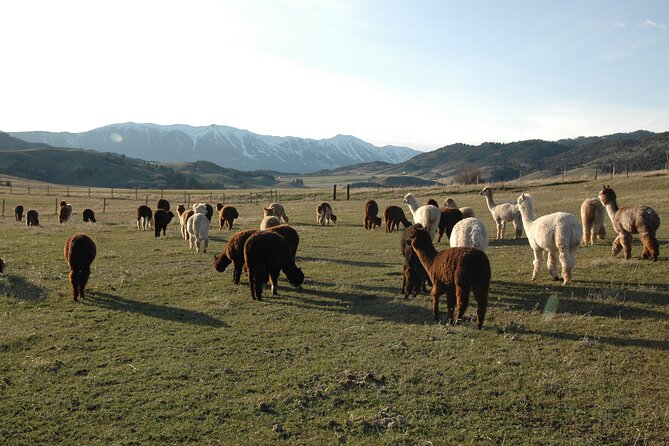
Meet your new woolly walking partner. This small-group Bozeman farm visit lets you feed, pet, bathe, and walk alpacas and llamas, rather than simply viewing them from behind a fence. I especially like the personal scale, with no more than four people, and the chance to learn from guides such as Jenna, Fiona, and Sarah.
I also like the extra farm characters, from the Turkish Anatolian guard dogs to chickens, horses, deer, bald eagles, and Jill the cat. The main drawback is practical: you stay outdoors on uneven ground, and there is no public restroom, so you need to plan ahead.
In This Review
- Key things to know before you go
- Why this Bozeman farm visit feels different
- Arriving at 8255 South Cottonwood Road
- Meeting the alpacas and llamas up close
- The Anatolian guard dogs and the rest of the farm
- What the guide adds to the hour
- A working farm, not a spotless petting zoo
- Walking, terrain, and access needs
- Is the short visit good value?
- Weather, cancellation, and what to pack
- Who will enjoy it most?
- Final verdict: Should you book the alpaca farm tour?
- FAQ
- Where does the Alpaca and Llama Farm Tour meet?
- How long does the tour last?
- What animals can I see?
- Is there a restroom at the farm?
- What should I wear?
- Can children or visitors with mobility concerns participate?
Key things to know before you go
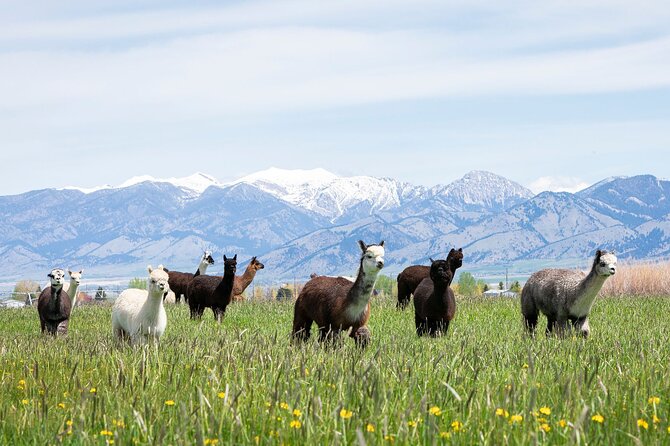
- Small groups make the animal time personal: The tour caps participation at four people, giving you more room for questions and hands-on contact.
- You do more than take pictures: Feeding, walking, watering, bathing, and petting are all part of the experience when conditions and animal routines allow.
- The farm has a full cast of characters: Meet Chili, Hazel, and Finn, three litter-mate Anatolian guard dogs, along with chickens, seasonal horses, and Jill the cat.
- It is easy to fit into a Bozeman day: Morning and afternoon departures, plus a duration of about an hour to an hour and a half, leave room for other plans.
- Dress for a real working farm: Wear closed-toe shoes you do not mind getting dirty, long pants can help with flies, and bring sunscreen and water.
- The setting requires a little flexibility: You may see breeding or live births, and the ground includes gravel, dirt, and natural rocks.
Why this Bozeman farm visit feels different
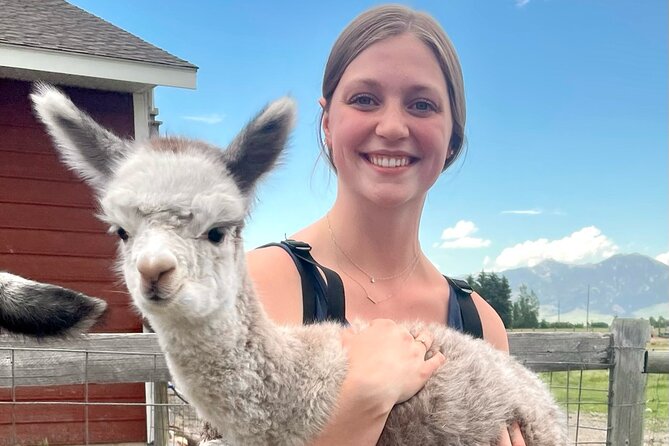
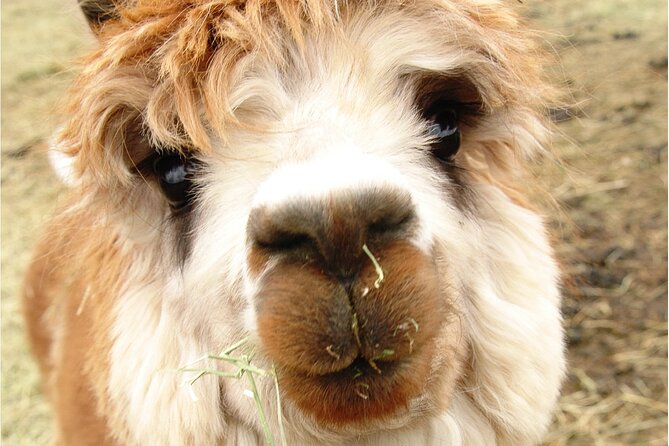
Many animal attractions keep you at a safe distance. This one is built around calm, guided contact. You are not just looking at an alpaca’s remarkably fluffy coat. You may help feed one, lead it on a walk, give it water, or take part in a bath.
That hands-on approach gives the visit a purpose. You learn how the animals behave, how a working farm operates, and why regular, respectful contact helps keep alpacas and llamas comfortable around people. One especially useful point is that socialized animals may find routine care, such as shearing or veterinary work, less stressful.
The small group size matters here. With a maximum of four people, your guide has time to answer questions and help you approach the animals properly. The tone is relaxed and personal, not rushed from one display to the next. Guides named in the feedback include Jenna, Fiona, Sarah, and others, and each is described as warm, clear, and happy to explain the animals.
This is still a farm, not a polished petting zoo. That distinction is important. You will walk across working-farm ground, watch your step, and follow instructions around large animals. The farm notes that you might see alpacas breeding or giving birth. That may be fascinating for some people, but families with very young children should decide in advance if those sights are appropriate.
A few more options to weigh up in the USA
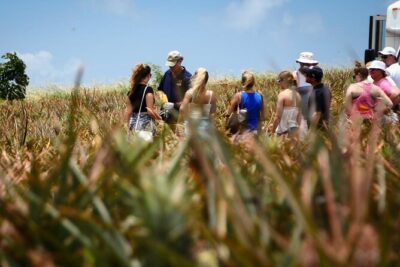
- Maui Pineapple Farm Tour in Haliimaile
★ 5.0 · 2,855 reviews - Half-Day Thoroughbred Horse Farm Tour in Kentucky
★ 5.0 · 1,924 reviews - Premium Amish Country Tour including Amish Farm and House
★ 4.5 · 1,306 reviews
Arriving at 8255 South Cottonwood Road
The meeting point is 8255 S Cottonwood Rd, Bozeman, Montana 59718. You arrange your own way there, since private transportation is not included. At the end, you return to the same meeting point.
The farm is outside the standard downtown sightseeing loop, so I would treat it as a planned stop rather than something you squeeze in between two nearby attractions. The upside is that the visit takes only about an hour to an hour and a half, making it manageable alongside other Bozeman plans.
You receive a mobile ticket, and the tour is offered in English. Morning and afternoon times provide useful flexibility. I would choose the slot that leaves enough breathing room for the drive and for the fact that farm activities do not always run like a city museum schedule.
Arrive dressed for the ground, not for a café. Closed-toe shoes are required, and you should choose a pair that can handle dirt. Long pants are a smart choice during buggy periods, as one visitor found flies bothersome. Bring water and sunscreen, since the tour takes place outdoors from start to finish.
There is no public restroom on site. Use a restroom before leaving town and do not count on finding one at the farm. That is the sort of small detail that can shape an otherwise pleasant outing, especially for families.
Meeting the alpacas and llamas up close
Your main experience is time with the alpacas and llamas. The guide introduces the animals and explains their background, behavior, and place on the farm. You then have opportunities to feed them and spend time beside them.
The best part is the direct contact. You may pet your favorite alpaca, pose for pictures, and learn how to handle an animal on a lead. Several people particularly enjoyed walking an alpaca or llama, an activity that turns the visit from a short photo stop into something you actively take part in.
Names help make the experience memorable. Billy, Hamlet, Annie, and other individual animals have become familiar parts of the farm visits. You may leave remembering one animal’s face, personality, or curious approach more clearly than any general fact about alpacas.
Feeding is also more interesting when you understand what you are doing. Your guide shows you how to offer food safely and how to read the animals’ behavior. That guidance matters because these are sturdy farm animals, not stuffed toys. They can be gentle and friendly, but they still need calm handling.
Bathing is another possible activity. The experience can include helping with showers or watering the animals, depending on the tour and the farm’s needs that day. These chores offer a glimpse of ordinary animal care. They are less staged than a quick photo opportunity and give children a useful lesson in responsibility.
The animals’ welfare comes first. That means the exact order of activities may vary. If an alpaca is busy, tired, or being cared for, you may spend more time with another animal or listen to the guide. A little patience is part of the bargain.
The Anatolian guard dogs and the rest of the farm
Do not overlook the three Turkish Anatolian guard dogs: Chili, Hazel, and Finn. They are litter-mates and best friends, and they help protect the herd. Their presence adds a practical side to the farm story. Alpacas and llamas are not simply kept for visitors to enjoy. They are part of a working operation with animals and routines that serve real purposes.
The chickens also tend to welcome people, especially if treats are available. Horses may be present seasonally. Ground squirrels, deer, and bald eagles can add to the sense that this is an open farm setting rather than a sealed attraction.
Jill the cat makes an occasional appearance. She is not guaranteed, of course, but a farm cat who wanders into the action is exactly the kind of small surprise that makes a visit feel genuine.
You should keep your expectations sensible. Wildlife sightings are not scheduled activities, and seasonal animals may not be present. The focus remains alpacas and llamas, with the other animals adding character when they happen to be around.
A different kind of day out entirely:
- NYC: SUMMIT One Vanderbilt Tickets
★ 4.7 · 51,195 reviews - NYC: 9/11 Memorial & Museum Timed-Entry Ticket
★ 4.8 · 31,428 reviews - NYC: Empire State Building Tickets – Observatory & Museum
★ 4.7 · 25,757 reviews - NYC: Empire State Building Observation Deck Tickets
★ 4.7 · 22,072 reviews
What the guide adds to the hour
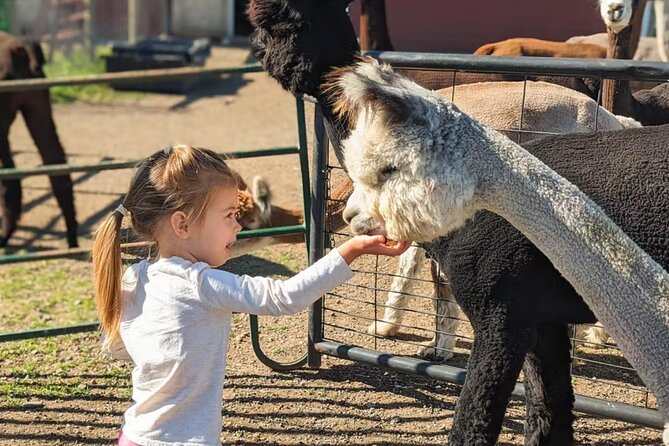
The guide shapes the whole visit. The strongest part of the experience is not only the animals, but the clear explanations woven into the activities. Sarah has been praised for explaining alpaca and llama background while keeping the tour moving. Jenna is often noted for her cheerful manner and careful step-by-step help. Fiona is described as kind, attentive, and full of useful facts.
You can expect information about camelid biology, farming, animal care, and the work surrounding alpacas. If you know little about these animals, the explanations give structure to what you are seeing. If you already like alpacas, the small group lets you ask more specific questions.
The guides also help with photographs. They can show you how to stand near an animal, handle a lead, and make the most of your time without turning the visit into a nonstop camera session. Bring your phone. The farm encourages pictures with your favorite alpaca and social media tagging, and the animals are certainly photogenic.
One visitor described holding a very young alpaca, while others had the chance to see mothers and babies. Do not treat that as a guarantee. Young animals and births depend on the farm’s schedule and animal welfare needs. Still, the possibility adds a special element that a standard animal encounter cannot promise.
A working farm, not a spotless petting zoo
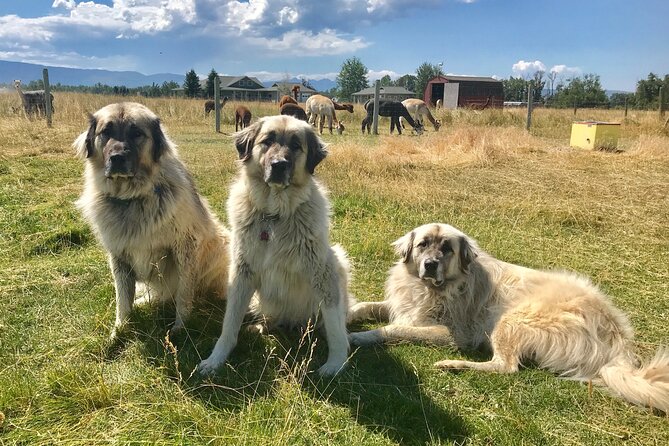
The farm setting brings authenticity, but it also brings mess. The ground may be uneven, with gravel, dirt roads, and natural rocks. You may step around animal waste or other ordinary signs of farm life. Watch where you put your feet.
You may also see breeding or live births. This information is given clearly because the farm continues its normal work while tours take place. Some people will find that educational and memorable. Others may prefer a more carefully controlled attraction with only tidy, child-friendly scenes.
For families, supervision is essential. Children should remain with an adult at all times, and the farm recommends at least one adult for every two children. That ratio is practical advice, not needless fussiness. A young child may want to hug an animal, while the animal may prefer space or may move suddenly.
The tour suits children, couples, friends, and solo visitors, but your group should be ready to follow directions. Calm behavior produces better contact. Running, shouting, or grabbing at animals would work against the gentle atmosphere this experience aims to create.
Walking, terrain, and access needs
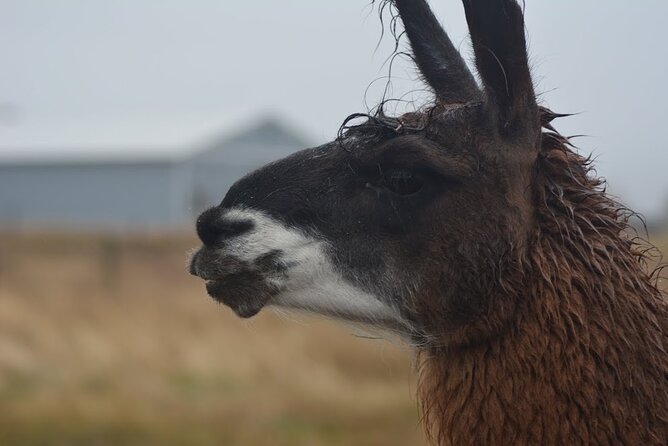
You do not need to cover a long route at a brisk pace. The tour moves slowly, with time to enjoy the animals. Still, the first stretch from the parking area to the barn is about 100 yards, and the surface can be difficult for anyone who struggles with gravel, dirt, or rocks.
The farm offers a thoughtful option for visitors with limited mobility. If you can reach the barn area, a shaded swinging chair provides a place to rest and enjoy the view. Staff can also bring alpacas over for close interaction, so you may not need to follow the full route.
This is not a promise of fully level, paved access. Contact the provider before booking if you have detailed mobility concerns or need a particular arrangement. The important point is that the staff is willing to adapt the animal interaction where possible.
Is the short visit good value?
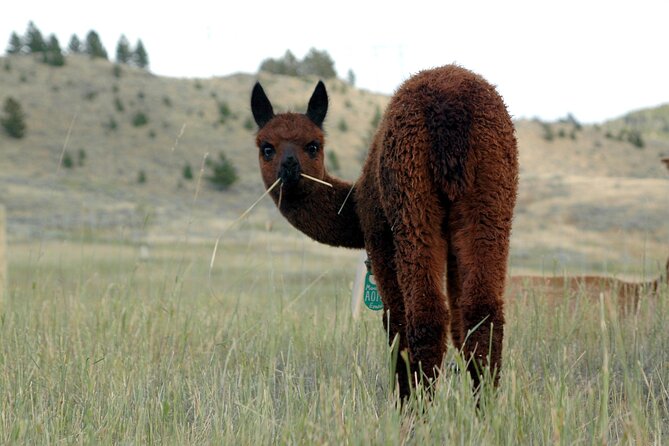
No price is provided in the tour details, so I cannot judge the exact cost. I can judge what you receive for the time: a small group, a guide, direct contact with several animals, outdoor farm time, photo opportunities, and a keychain or ornament souvenir.
The value is strongest if you want an activity rather than a viewing stop. You are getting instruction and participation, not just admission to a field. Feeding and walking an alpaca can create a lasting memory, especially for a child or anyone who has never spent time around these animals.
The duration also helps. A one-hour itinerary, described elsewhere as about an hour and a half, is long enough to feel worthwhile without taking over a full day. I would leave a little extra room in your schedule because the farm work and animal routines may affect the pace.
The souvenir is modest, but useful. You choose a keychain or sticker-style keepsake at the end, which gives children a simple conclusion to the visit. The real value remains the interaction and the farm lesson.
Weather, cancellation, and what to pack
The experience requires good weather. If poor conditions force a cancellation, you are offered another date or a full refund. You can cancel for a full refund up to 24 hours before the start time. Inside that 24-hour window, cancellations and changes are not accepted for a refund.
Because the entire tour is outside, check the forecast before you leave. Rain does not necessarily ruin the experience, and the farm operates in rain or shine when conditions permit, but poor weather can still affect comfort and animal activities.
Pack simply:
- Closed-toe shoes that can get dirty
- Long pants, especially during periods with biting flies
- Sunscreen
- Drinking water
- A phone or camera
- Weather-appropriate clothing
Do not arrive expecting an indoor backup plan or a public bathroom. Those are the two biggest comfort issues to solve before setting out.
Who will enjoy it most?
I would recommend this for animal lovers, families with supervised children, couples seeking an unusual Bozeman activity, and anyone who enjoys learning through doing. It is also a good choice if you have only a short open block in your schedule but want something more personal than another standard attraction.
It works especially well for people who like photographs with a story behind them. A picture of you leading an alpaca is more memorable when you have learned the animal’s name and helped care for it.
I would think twice if you dislike dirt, uneven ground, outdoor exposure, or unpredictable farm sights. People who need a restroom on site should also plan carefully. The tour is gentle in pace, but it is not a fully polished, climate-controlled attraction.
Final verdict: Should you book the alpaca farm tour?
Yes, if you want a small, friendly, hands-on activity in the Bozeman area. The strongest reasons to book are the maximum group size of four, the chance to feed and walk the animals, and guides who make time for questions. The Anatolian dogs, chickens, seasonal horses, and occasional cat appearance add welcome personality.
Book it with the right expectations. Wear old shoes, bring water, use a restroom first, supervise children closely, and accept that a working farm can be muddy, uneven, and occasionally surprising. If that sounds like part of the fun, this is a memorable way to spend an hour or so with animals that you usually see only in photographs.
FAQ
Where does the Alpaca and Llama Farm Tour meet?
The tour begins and ends at 8255 S Cottonwood Rd, Bozeman, MT 59718, USA.
How long does the tour last?
The experience is listed as approximately one hour and 30 minutes, while the farm activity itself is described as one hour. Allow about an hour to an hour and a half.
What animals can I see?
You can meet alpacas and llamas, along with Chili, Hazel, and Finn, the three Turkish Anatolian guard dogs. Chickens, seasonal horses, ground squirrels, deer, bald eagles, and the cat Jill may also be present.
Is there a restroom at the farm?
No. There is no public restroom on site, so use one before arriving.
What should I wear?
Wear closed-toe shoes that you do not mind getting dirty. Long pants may be helpful during periods with biting flies. Bring sunscreen and water because the tour takes place outdoors.
Can children or visitors with mobility concerns participate?
Children can participate with close adult supervision. The farm recommends at least one adult for every two children. The property has gravel, dirt, and natural rocks, but staff may bring alpacas to visitors who cannot manage the full route. A shaded swinging chair is available after the roughly 100-yard walk from the parking area to the barn.
Just added in the USA
- Monterey Bay Whale Watching★ 4.5 · 316 reviews
- Monterey Whale Watching Tour★ 4.5 · 732 reviews
- 17-Mile Drive Electric Bike Guided Tour★ 5.0 · 401 reviews
- Whale Watching Tour★ 4.5 · 497 reviews
- Elkhorn Slough Wildlife Tour★ 5.0 · 424 reviews
- Carmel Small Group Walking Food & Cultural Tour★ 5.0 · 392 reviews
- U-Drive Hells Revenge 4×4 Tour- 2.5 HR TOUR★ 5.0 · 334 reviews
- The Best U-Drive Hell’s Revenge 4×4 Off Roading Tour from Moab★ 5.0 · 909 reviews
Farms, compared.
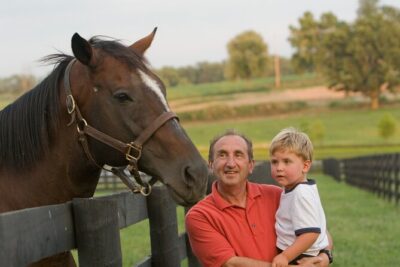
Half-Day Thoroughbred Horse Farm Tour in Kentucky
Read our review →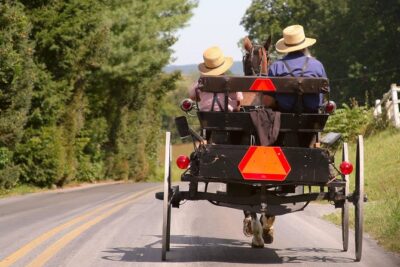
Premium Amish Country Tour including Amish Farm and House
Read our review →
Unique Horse Farm Tours with Insider Access to Private Farms
Read our review →
Lahaina: Maui Ku’ia Estate Guided Cacao Farm Tour and Tasting
Read our review →
Road to Hana Adventure with Farm to Table Lunch
Read our review →

Browse the lists this tour appears in