
Reviewed · HOP-ON HOP-OFF BUS TOURS
Big Bus Chicago: Hop-On Hop-Off Sightseeing Tour, 24/48/72hr Pass
Chicago rewards a wide view. The Big Bus Chicago tour gives you a fast look at downtown icons, from Millennium Park to Navy Pier, without making you wrestle with city blocks and train maps. I like the open-top double-decker views, especially along the lakefront and between downtown towers. I also like the flexible 24, 48, or 72-hour passes, which let you use the bus as both a sightseeing ride and a useful way to get around.
The full loop takes about two hours without getting off. That is a good first look at the city, but the service runs only from about 10 a.m. to 5 p.m., with buses generally arriving every 30 to 45 minutes and sometimes only hourly. Cold weather, traffic, route changes, and uneven audio quality can turn a simple hop-on, hop-off plan into a slower day.
In This Review
- Quick points before you book
- What the Big Bus Chicago ride is really good at
- Stop 1: Chicago Riverwalk and the best place to get oriented
- Stop 2: Willis Tower and Skydeck Chicago
- Stop 3: Millennium Park and the Art Institute
- Stop 4: Grant Park and the Hilton Chicago
- Stop 5: Adler Planetarium and the lakefront view
- Stop 6: Field Museum and Museum Campus
- Stop 7: Chicago Architecture Center and the Sheraton Grand
- Stop 8: Navy Pier for lakefront fun
- Stops 9 and 10: The Magnificent Mile and 360 Chicago
- Stop 11: River North and the McDonald’s stop
- The open top, the lower deck, and Chicago weather
- Audio commentary and the human touch
- App tracking, timing, and the real pace of the day
- Is the $45 price good value?
- Who will enjoy this bus most?
- Should you book Big Bus Chicago?
- FAQ
- How long does a full Big Bus Chicago circuit take?
- How often does the bus arrive at each stop?
- Can I board at any Big Bus Chicago stop?
- What does the Big Bus Chicago app do?
- Is the bus wheelchair accessible?
- Can I bring a pet, food, or luggage?
Quick points before you book
- The 11-stop route covers Chicago’s core sights: You can reach the Riverwalk, Willis Tower, Millennium Park, Grant Park, Museum Campus, Navy Pier, the Magnificent Mile, and River North.
- A complete circuit takes about two hours: Stay aboard for an overview, or get off at the stops that match your interests.
- The top deck gives you the best city views: Part of it is covered, and the lower deck is enclosed and climate controlled.
- The app matters: Use it for stop locations, live bus tracking, route information, and city tips. Do not rely on printed times alone.
- The audio guide is useful but not always perfect: It covers Chicago sights in several languages, though volume and headphone quality can vary.
- The best value comes from repeated use: A 24-hour pass can work well for a first look plus one or two stops. The longer passes make more sense if you plan to ride on separate days.
What the Big Bus Chicago ride is really good at
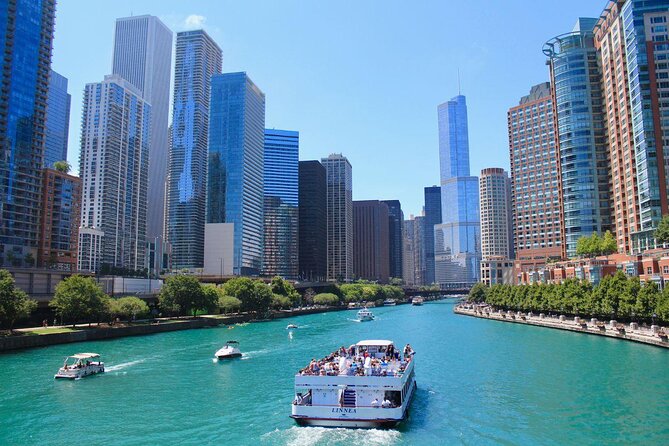
This is not a substitute for walking Chicago. It is a way to understand the shape of the city before you choose where to spend your time.
Chicago’s downtown sights are spread across several areas. The Riverwalk and Willis Tower sit west of the main park district. Millennium Park, Grant Park, and the museums continue south. Navy Pier and the Magnificent Mile pull you north. The bus links these areas in one broad circuit, saving you from repeated walks or separate rides.
I especially like the first uninterrupted loop. Stay on for the full two hours, listen to the commentary, and watch for the change from skyscrapers to lakefront parks and museums. Then use the rest of your pass with a plan.
The experience is also friendly to mixed groups. One person can focus on architecture, another on museums, and children can get a break from walking. The bus has WiFi, headphones for the digital commentary, and an enclosed lower deck when Chicago weather turns sharp.
Do not treat the posted schedule as a promise to the minute. Traffic, road closures, festivals, protests, and bad weather can change the route or end service early. Check the app before leaving your hotel and again before you get off.
More Hop-On Hop-Off Tours in Chicago:
- Chicago: Hop-on Hop-off Sightseeing Tour by Open-top Bus
★ 4.3 · 1,349 reviews - Savannah Hop-On Hop-Off Trolley Tour
★ 4.5 · 6,527 reviews - New York: Hop-on Hop-off Sightseeing Tour by Open-top Bus
★ 4.2 · 5,863 reviews
Stop 1: Chicago Riverwalk and the best place to get oriented
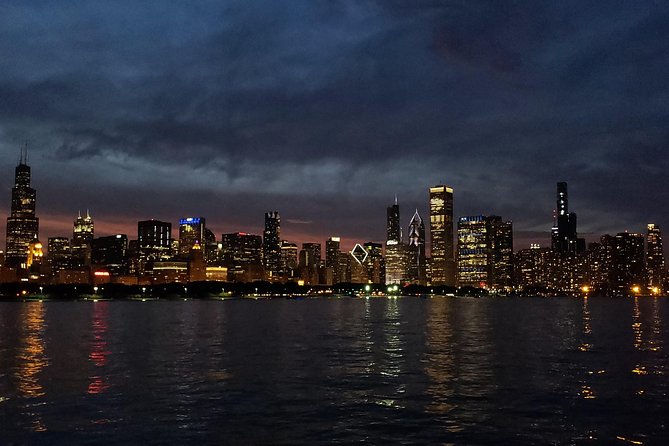
Stop 1 is at 98 East Wacker Drive, across the bridge from Trump Tower, on the corner of Michigan and Wacker. This is a practical starting point because you are near the Chicago Riverwalk and the meeting point of several major downtown streets.
The river is one of the clearest ways to understand Chicago. Look along the canyon of buildings, then notice how the river cuts through the city before reaching the lake. The included self-guided digital walk on Chicago architecture can add useful context if you select the option that includes the walking tours.
You can redeem a voucher here with Big Bus staff, though you can also board by showing an electronic or printed ticket at other stops. If you use the app, add your booking reference, then activate the ticket on the day of your ride.
Stop 2: Willis Tower and Skydeck Chicago
The Willis Tower stop puts you near Skydeck Chicago, the famous observation deck high above the city. Admission is not included, so treat this as a convenient drop-off, not part of the bus ticket.
This stop works best if you want to pair a broad street-level view with a high skyline view. The bus shows you Chicago from between the buildings. Skydeck gives you a different angle from above. Allow enough time for the attraction and remember that a 24-hour pass is based on bus use, not attraction entry.
If you are staying aboard, this section gives you a good sense of the central business district. The tall buildings can make the upper deck worthwhile, though tree branches and low-clearance areas may occasionally affect the open-air seating.
Stop 3: Millennium Park and the Art Institute
Stop 3 serves Millennium Park and the Art Institute of Chicago. For many people, this is the most useful stop on the route because it combines public art, park space, and one of the city’s major museums.
Millennium Park is a natural place to hop off for photos and a walk. The included digital walking tour on public art or Millennium Park can help you make more of a short visit. The Art Institute is next to Grant Park and requires its own admission.
This stop also works well at the start of your Chicago visit. You can see the park, check the city map, and decide how much time you want to give the museums and downtown streets. I would not rush the Art Institute just to catch the next bus. If the museum is your priority, plan your day around it and use the bus later.
A few more options to weigh up in Chicago
- Chicago Architecture River Cruise
★ 5.0 · 15,756 reviews - Chicago River 90-Minute Architecture Tour
★ 4.5 · 9,629 reviews - Chicago River: 1.5-Hour Guided Architecture Cruise
★ 4.8 · 8,046 reviews - Chicago: Gangsters and Ghosts Walking Tour
★ 5.0 · 7,155 reviews
Stop 4: Grant Park and the Hilton Chicago
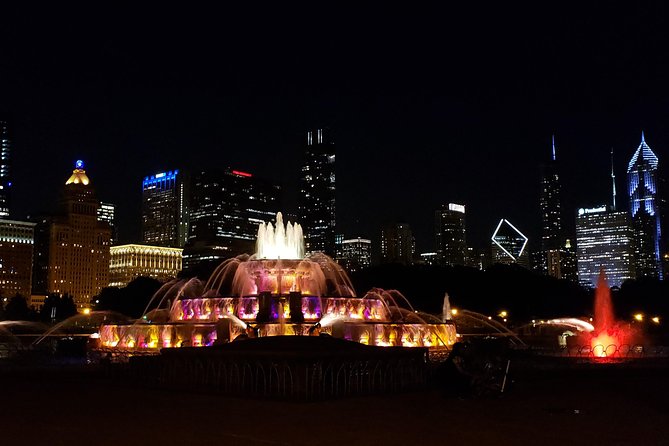
Stop 4 is at the Hilton Chicago and Grant Park. Grant Park gives the ride some breathing room after the downtown tower districts, with broad open space and views toward the lake.
This stop is useful for anyone who wants a park walk without committing to the larger Museum Campus. It is also close enough to the central sights to serve as a flexible backup if another stop is crowded or temporarily closed.
The bus route is at its most scenic when you can compare the city’s hard vertical lines with the open park and lakefront space. On a clear day, sit upstairs. In winter, use the lower deck or the covered section of the top deck.
Stop 5: Adler Planetarium and the lakefront view
Stop 5 reaches the Adler Planetarium at the southern end of the lakefront sightseeing area. The planetarium is not included in the bus ticket, but the stop lets you combine it with the Field Museum and Shedd Aquarium area nearby.
The ride toward the planetarium is one of the better stretches for photographs. From the bus, you get a broad view back toward the skyline rather than the close-up canyon you see in the Loop.
Give this part of the route extra time if you plan to visit an attraction. The buses do not function like a private shuttle waiting for you. With service roughly every 30 to 45 minutes, and less frequent service reported at times, a missed bus can affect the rest of the day.
Stop 6: Field Museum and Museum Campus
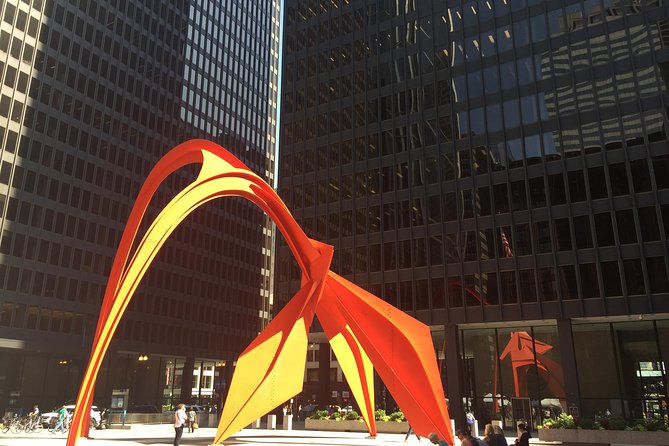
Stop 6 serves the Field Museum of Natural History and Museum Campus. This is the stop for a serious museum visit, not a quick photo stop.
The Museum Campus can easily fill several hours, so the 48-hour or 72-hour pass may be a better match if this is on your list. A 24-hour pass still works, but only if you are comfortable using the bus for an overview and returning to the museums on foot or by another method.
I like this stop because it shows how spread out Chicago’s main attractions are. The bus does not simply circle a few downtown blocks. It connects the commercial center with the lakefront institutions, which saves effort for families and anyone managing a packed sightseeing day.
Stop 7: Chicago Architecture Center and the Sheraton Grand
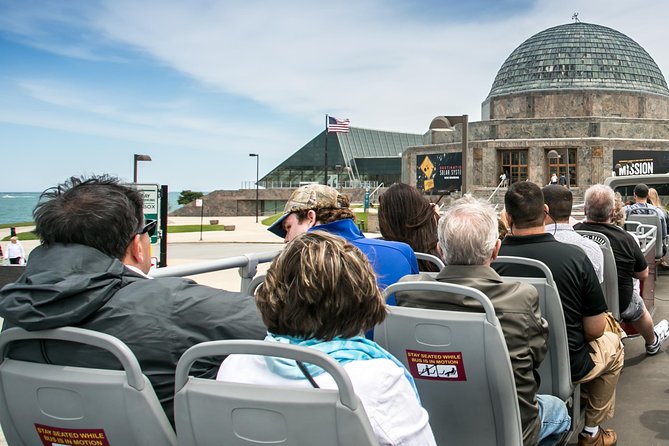
Stop 7 serves the Chicago Architecture Center and the Sheraton Grand. It is a strong choice for anyone interested in the city’s buildings, bridges, and riverfront design.
The included self-guided digital architecture walk can be useful here if you chose that ticket option. You can listen on your own schedule instead of trying to absorb every detail from the moving bus.
The bus commentary gives you a basic introduction, but do not expect a full architecture seminar on every building. Some rides include extra remarks from the driver, while others stick closely to stop announcements and recorded information. Drivers such as Candace and Donnie have been praised for adding personality and local suggestions, but that level of live commentary is not guaranteed.
Stop 8: Navy Pier for lakefront fun
Stop 8 is Navy Pier, one of Chicago’s easiest places to visit with children or a group that wants shops, food, views, and an uncomplicated walk.
The pier reaches into Lake Michigan, so it gives you a different sense of Chicago than the downtown streets. It is also a practical place to pause before continuing north or south on the route.
Navy Pier can take as little or as much time as you wish, but keep the next bus in mind. If you spend too long here on a 24-hour pass, you may lose the chance to make another full loop. Use the app’s live tracking feature instead of guessing from the clock.
Stops 9 and 10: The Magnificent Mile and 360 Chicago
Stop 9 serves the Water Tower and the Magnificent Mile. Stop 10 is at the John Hancock Center, home to 360 Chicago.
These stops are close enough to combine on foot, depending on your pace and plans. The Magnificent Mile offers a concentrated stretch of shopping, hotels, restaurants, and grand buildings. The Water Tower gives the area a historic visual anchor amid newer construction.
At 360 Chicago, admission is separate. As with Skydeck, the bus gets you close to an observation attraction but does not include entry. Choose one paid viewpoint unless skyline views are a major purpose of your visit.
The upper deck is especially enjoyable here because you can look up at the architecture rather than only across the street. On cold or wet days, the covered section and lower deck matter. Several winter rides have been comfortable only because passengers could move downstairs or sit under the partial roof.
Stop 11: River North and the McDonald’s stop
Stop 11 is in River North near McDonald’s. This stop brings you back into a district filled with restaurants, galleries, hotels, and nightlife.
It is a handy end point if you are hungry or staying in the area. It also gives you another way to break the loop without returning all the way to the Riverwalk.
River North is a good place to finish a first circuit because the route has already shown you the main downtown districts. From here, you can decide if you want to repeat the skyline stretch, return to Millennium Park, or end the bus portion of your day.
The open top, the lower deck, and Chicago weather
The open-top deck is the main reason to choose a sightseeing bus instead of a standard city ride. You get a higher view over traffic and clearer sight lines toward buildings, parks, and the lake.
The top deck is not completely exposed. Part of it has a glass roof and side protection, which can help in wind or light rain. Still, Chicago weather can change quickly, and the open section can be cold. Winter reports include buses with weak or missing heat, cold seats, and long waits in freezing conditions.
My practical advice is simple: treat the top deck as a weather-dependent bonus, not a guarantee. Bring a warm layer even in mild seasons. If the windows are dirty or wet, the lower deck may actually offer a clearer view. Some buses are climate controlled downstairs, but comfort can vary by vehicle.
The service requires good weather and can be canceled or altered. If poor weather is forecast, check the current service information before making the bus the backbone of your day.
Audio commentary and the human touch
The recorded commentary is offered in multiple languages and covers Chicago sights and history. It gives you enough information to understand what you are seeing, especially on the first loop.
Audio quality is not always consistent. Headphones may be uncomfortable or difficult to hear, and some rides have had limited headphone supplies. Bring your own wired headphones only if the equipment accepts them, and ask the staff before boarding if you need a pair.
The best rides gain something from the driver. Candace has been singled out for clear, playful narration, while Donnie has been appreciated for adding information beyond the recording. Other drivers may offer little beyond stop announcements. That variation means you should book this for the route and views first, with live storytelling as a welcome extra.
App tracking, timing, and the real pace of the day
Download the free Big Bus app before you start. It shows stop locations, city information, route details, and live bus tracking. Its Find a Stop feature can help you locate the exact boarding point, which matters because a downtown stop may be close to several intersections but not obvious from a hotel lobby.
The published information gives two different timing expectations: buses are described as arriving approximately every 30 to 45 minutes, while the route description says buses depart hourly from each of 11 stops. Plan for the slower figure. If a bus arrives sooner, you gain time.
The first bus leaves at about 10 a.m., and the last leaves at about 5 p.m. That makes the pass less useful for early morning sightseeing or evening views. Road closures can also shorten service or move the final stop far from your starting point. Check the app and service updates on festival days and during major downtown events.
Is the $45 price good value?
At about $45 per person, the pass is not cheap if you only stay aboard for two hours. In that case, you are paying for a moving introduction to Chicago, with an upper-deck view and recorded commentary.
The value improves when you hop off at two or three places. A 24-hour pass can make sense for a first day when you want to connect the Riverwalk, Millennium Park, Museum Campus, and Navy Pier without arranging each transfer yourself.
A 48-hour pass gives you more breathing room for museums and observation decks. A 72-hour pass is best for a slower schedule, though you should confirm operating dates before buying. A closure during a planned pass period can be especially frustrating, and service changes are not always communicated as quickly as you would hope.
Attractions are extra, and hotel pickup is not included. You must reach a stop on your own, but the stops are near public transportation. Think of the bus as a sightseeing network, not an all-inclusive Chicago pass.
Who will enjoy this bus most?
I would recommend it to first-time visitors who want a quick sense of Chicago before choosing their main stops. It is also useful for families, solo visitors who want an easy orientation, and anyone who prefers not to walk long distances between downtown districts.
It suits you best if you can handle flexible timing and check the app. You will get more from it if you use the first circuit for orientation, then hop off with a short list rather than trying to visit every stop.
I would be cautious if you are visiting in severe winter weather, have a tight schedule, or expect a polished guided tour with constant live narration. The bus can be cold, delayed, or rerouted, and the audio system is not flawless.
Service animals are allowed, but other pets are not. Food and alcohol are not permitted onboard, although nonalcoholic drinks in screw-top bottles are allowed. Luggage is not permitted.
Should you book Big Bus Chicago?
Book it if you want an easy first look at Chicago’s major districts, value open-air views, and plan to use the pass more than once. The route is broad, the stops are well chosen, and the bus can save your feet when the city’s sights pull you from the Riverwalk to the museums and then north to Navy Pier.
Skip it if you only have a few hours and need exact timing, or if a cold-weather ride sounds miserable. For the best chance of a good day, choose a 48-hour pass for a museum-heavy visit, use a 24-hour pass for a quick orientation, and check live tracking before every boarding decision.
FAQ
How long does a full Big Bus Chicago circuit take?
A complete round trip takes approximately two hours if you remain on the bus and do not get off.
How often does the bus arrive at each stop?
A bus arrives approximately every 30 to 45 minutes. The service description also notes hourly departures from each of the 11 stops, so you should allow extra time.
Can I board at any Big Bus Chicago stop?
Yes. You can show a printed or electronic ticket at any stop along the route. You can also redeem a voucher with staff at Stop 1, Chicago Riverwalk, at 98 East Wacker Drive.
What does the Big Bus Chicago app do?
The free app provides stop locations, route information, city details, and live bus tracking. You can add your booking reference and activate your mobile ticket in the app on the day of travel.
Is the bus wheelchair accessible?
Wheelchair-accessible vehicles with lifts are available, and the lifts can accommodate up to 650 pounds. Not every vehicle is equipped, so you should state your accessibility needs in the special requirements box when booking.
Can I bring a pet, food, or luggage?
Only ADA service animals are allowed. Food and alcohol are not permitted, though nonalcoholic drinks in screw-top bottles are allowed. Luggage is not permitted onboard.
Just added in Chicago
- Original Chicago Architecture Interiors Tour: Dazzling Interiors★ 5.0 · 1,489 reviews
- BYOB Spray Paint and Sip at Studio W.I.P.★ 5.0 · 401 reviews
- Delicious Donuts & City Sights: Chicago’s Original Donut Tour★ 5.0 · 1,389 reviews
- Bikes, Bites & Views: Chicago’s Signature Dishes Bike Tour-Adults★ 5.0 · 732 reviews
- The Escape Game Chicago: Epic 60-Minute Adventures in River North★ 5.0 · 332 reviews
- Field Museum of Natural History Admission Tickets★ 4.5 · 489 reviews
- Chicago Loop District Food Tour with Deep Dish & Beef Sandwich★ 5.0 · 870 reviews
- City Cruises Chicago: Signature Lunch Cruise on Lake Michigan★ 4.0 · 348 reviews
Hop-On Hop-Off Bus Tours, compared.

Hop-on Hop-off Sightseeing Tour by Open-top Bus
Read our review →
Boston Hop-On Hop-Off Trolley Tour with 13 Stops
Read our review →
New Orleans City Sightseeing Hop-On Hop-Off Bus Tour
Read our review →
Waikiki Trolley Hop-On Hop-Off Tour of Honolulu
Read our review →
Big Bus NYC: Hop-On Hop-Off Sightseeing Tour by Open-top Bus
Read our review →
Big Bus SF: Hop-on Hop-off Tour with 17 Stops and Sunset Option
Read our review →Browse the lists this tour appears in