
Reviewed · CANOES & KAYAKS
Bioluminescence Kayak Tour
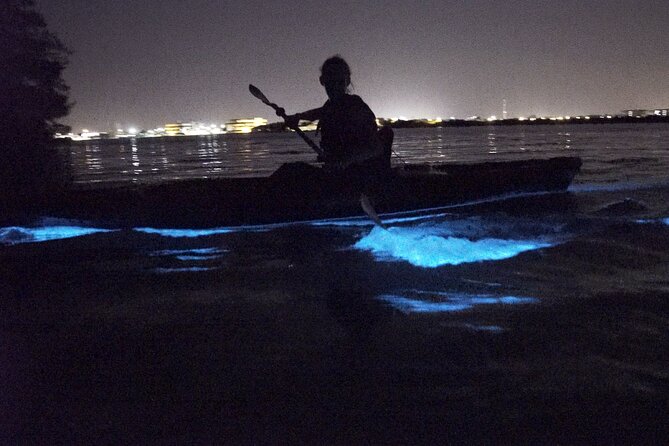
The water can light up beneath your paddle. This two-hour nighttime kayak tour near Cocoa Beach takes you into the calm waters around Merritt Island National Wildlife Refuge, where dinoflagellates can create a cloudy blue-green glow in summer and comb jellies can shine like tiny underwater lanterns in winter. I especially like the seasonal choice of wildlife and the chance to see more than just glowing water, including jumping fish, manatees, and possibly dolphins. The main drawback is simple: nature controls the show, and some outings produce only a few glowing specks.
I also like that the tour works for first-time kayakers. Guides such as Aidan, Sean, Zoey, Caleb, Matt, Jorge, and Drew have been praised for clear safety instructions, good group management, and lively explanations of the lagoon. Still, winter trips can be chilly, light pollution can weaken the effect, and rough wind can lead to cancellations.
In This Review
- Key Points
- Why This Lagoon Tour Is Different
- Arriving at 951 Kiwanis Island Park Road
- Paddling Into the Dark
- Watching Fish, Manatees, and Dolphins
- Summer Dinoflagellates From May Through Early November
- Winter Comb Jellies From Late November Through April
- What to Bring for a Wet Night Paddle
- How Much Value Does the Two-Hour Tour Offer?
- Cancellations, Conditions, and Who Should Book
- FAQ
- How long is the bioluminescence kayak tour?
- Where does the tour begin?
- Where does the activity end?
- What equipment is included?
- When is the best season for dinoflagellates?
- When can I see comb jellies?
- Do comb jellies sting?
- What should I wear and bring?
- Can beginners participate?
- Should You Book This Cocoa Beach Night Kayak?
Key Points
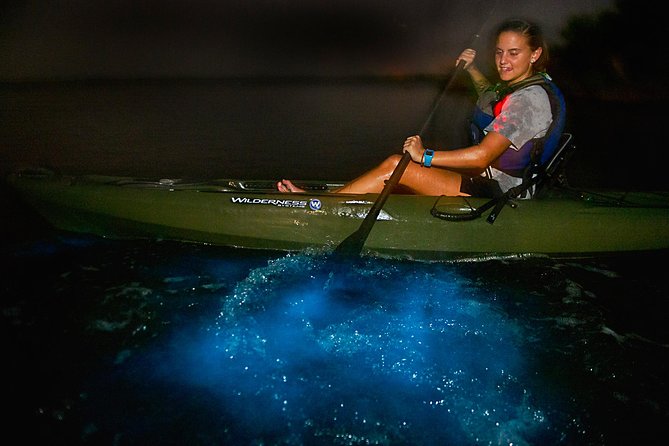
- Summer brings glowing plankton: Dinoflagellates usually offer the strongest blue-green display from May through early November.
- Winter offers hands-on wildlife: From late November through April, you may catch and gently hold clear, non-stinging comb jellies.
- Night kayaking is part of the fun: Even on a dim night, paddling under the stars is a pleasant outing.
- Wildlife adds surprises: Fish, mullets, manatees, and dolphins may appear alongside the glowing creatures.
- First-timers can participate: Kayaks, paddles, and personal flotation devices are supplied, and most people can take part.
- Conditions matter greatly: Moonlight, wind, water conditions, season, and local lights can all affect what you see.
Why This Lagoon Tour Is Different
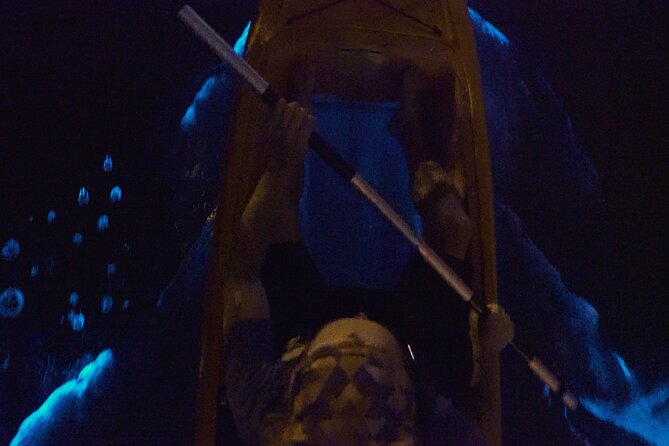
The appeal is not simply kayaking after sunset. It is the chance to watch living organisms respond to movement. A paddle stroke, hand, or jumping fish can disturb the water and trigger brief points of light.
In summer, the glow comes mainly from dinoflagellates, single-celled organisms that gather in the warm waters of the Indian River and Mosquito Lagoon. They tend to create a soft, cloudy blue-green effect rather than individual glowing animals. The display can be subtle or striking, depending on conditions.
Winter brings a different kind of show. Comb jellies are clear, glob-like creatures that collect in the protected Indian River Lagoon. They do not sting, and guides may provide nets so you can catch and hold them briefly. This gives the winter outing a more hands-on feel than the summer trip.
I would think of this as two related tours with a seasonal change in character. Summer is better for swirling light around your paddle. Winter is better for spotting individual glowing jellies.
The setting matters, too. The lagoon is lined with mangroves and palm trees, and the water is generally calm enough for a relaxed paddle. You are in one of North America’s most biologically varied estuaries, so the guide’s explanation of the local ecosystem can be as interesting as the glowing organisms.
More Kayak Tours in the USA:
- Clear Kayak Tour of Shell Key Preserve and Tampa Bay Area
★ 5.0 · 5,800 reviews - Half-Day Emerald Cave Kayak Tour with Optional Hotel Pickup
★ 5.0 · 4,978 reviews - Emerald Cave Kayak Tour: Scenic Paddle with Optional Shuttle
★ 5.0 · 2,858 reviews
Arriving at 951 Kiwanis Island Park Road
The tour begins at 951 Kiwanis Island Park Road in Merritt Island, Florida. This is north of Cocoa Beach, so allow enough time to reach the launch point and check your booking information before leaving.
Meeting details deserve care. At least one booking issue has involved an incorrect meeting location, although a guide contacted the group to correct it. I would verify the exact address and start time on the day of your outing, especially if you are booking through a third-party site.
The activity ends back at the same meeting point. That is useful if you have a car parked nearby and do not want to arrange a second pickup location.
After check-in, you receive a kayak, paddle, and personal flotation device. A guide gives instructions before the group heads out. First-time paddlers have found the introduction reassuring, including people who were nervous about falling in or had not kayaked for decades.
The tour can hold up to 42 people. That is a fairly large maximum group for a quiet night on the lagoon, though the actual size may vary. Smaller groups can feel more personal, while larger departures may require you to stay aware of the guide’s position and instructions.
Paddling Into the Dark
The first part of the outing is a night paddle. You move away from the launch area and into the lagoon, with the guide leading the group and pointing out wildlife and natural features along the way.
This is not described as a strenuous expedition, and several families have found the kayaking low-stress. Still, you should not mistake a calm lagoon for a guaranteed easy ride. Wind can make the water choppy, and one outing was criticized for a long paddle over rougher water. If your family includes older adults or people with limited paddling experience, ask the guide about current conditions before setting out.
You should expect to get at least a little wet. Some paddlers have reported getting soaked, so wear clothes you do not mind wetting. Water shoes, sandals, or Crocs that can be worn in the water are better than shoes you want to keep dry.
A safety light is provided. You may also bring a flashlight, though you should use it with care so you do not shine it into another paddler’s eyes or spoil the view of the dark water.
The night setting changes the pace. You are not rushing from one attraction to the next. You paddle, pause, listen, and watch the surface. That quiet rhythm is part of the value, particularly for families who want an outdoor activity that feels different from a standard daytime boat ride.
Watching Fish, Manatees, and Dolphins
Bioluminescence is the main reason to book, but the lagoon’s larger animals can become the evening’s best surprise. Jumping mullets are common enough to receive repeated mention, and their sudden leaps can look like flashes across the water.
Manatees may surface close to the kayaks. One outing included a manatee appearing directly in front of a boat, while another group watched several manatees playing before the paddle began. Dolphins have also been seen during the tour.
None of this is guaranteed. The guide can point out signs of wildlife, but animals do not follow an itinerary. I like that the tour treats these sightings as part of the wider lagoon setting rather than promising a wildlife checklist.
The guides are an important part of this section. Caleb has been praised for explaining sea life and local ecosystems, while Sean was singled out for explaining the biology behind bioluminescence in considerable detail. Jorge, Lucas, Drew, Jordan, Kurt, and Zoey have also been praised for keeping groups together, helping with paddling, and adding humor without losing sight of safety.
Guide quality can vary, as it can on any outdoor activity. Most of the available feedback is very positive, but one poor outing involved a late start, weak instructions, and a guide who seemed inexperienced. That report is a useful reminder to judge the activity by both natural conditions and staff performance.
A few more options to weigh up in the USA
- Merritt Island: Kennedy Space Center Visitor Complex Ticket
★ 4.7 · 5,637 reviews - Kennedy Space Center: Entry Ticket with Explore Bus Tour
★ 4.7 · 4,670 reviews - Wizard of OZ Museum tour
★ 5.0 · 1,056 reviews - Cocoa Beach Dolphin and Wildlife Tour
★ 5.0 · 1,052 reviews
Summer Dinoflagellates From May Through Early November
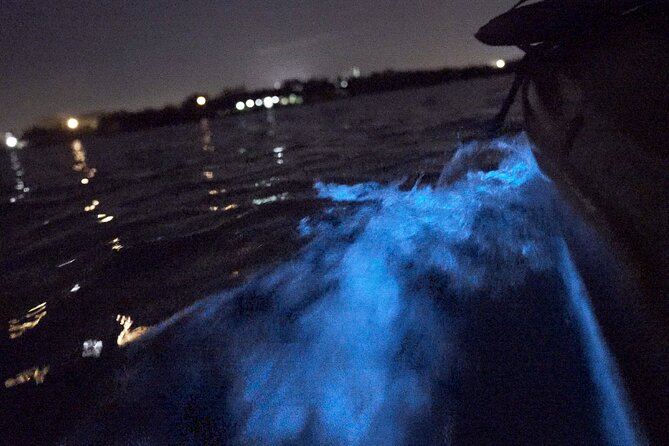
If your main goal is the classic glowing-water effect, summer is the better season to target. From May through early November, the warm lagoon water can contain dinoflagellates that glow when disturbed.
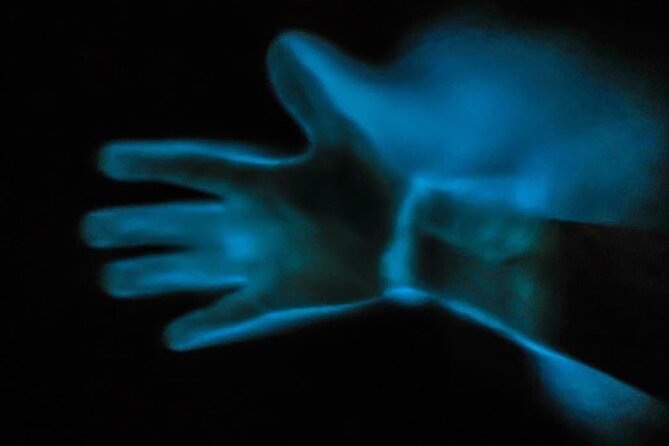
The strongest moments may come when you move your hands through the water or stir the surface with a paddle. You might see a pale cloud around the kayak rather than a bright, steady light. On a very good night, the effect can look like blue-green sparks or galaxies scattered across the water.
The difference between an average night and an excellent one can be dramatic. One group described the display as extremely strong, while another saw only a few sparkles. This is not a fault in the concept. It is the basic tradeoff of booking a natural event.
Timing within the season can matter. The available information identifies May through early November as peak season, but it does not promise the same level of activity on every date. If the glowing plankton is your top priority, I would favor the warmer months and keep expectations flexible.
Light also matters. Local lights can make faint bioluminescence harder to see. A darker night may improve the contrast, though a bright moon can make the overall paddle more scenic. One especially memorable outing combined glowing water, a bright moon, a meteor shower, heat lightning, and wildlife, but that kind of sky show is entirely outside the tour company’s control.
Winter Comb Jellies From Late November Through April
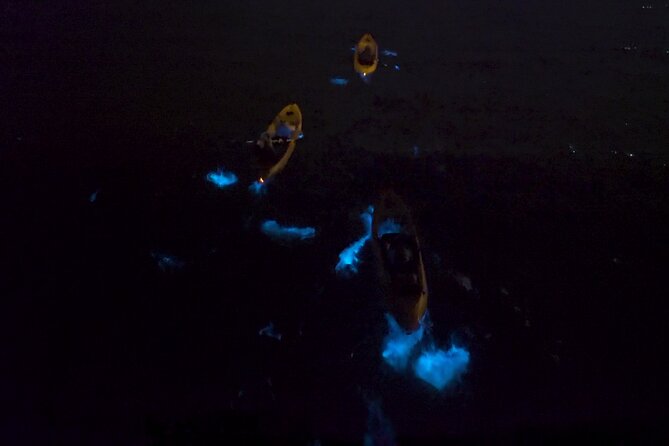
The winter version of the tour has a different appeal. From late November through April, comb jellies gather in the protected lagoon. These clear creatures can glow individually, making them easier to examine than a diffuse cloud of plankton.
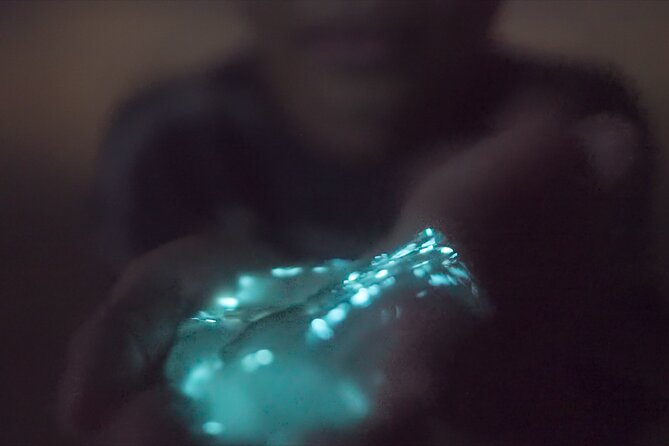
You may be able to catch them with a net and hold them briefly. Comb jellies are not true stinging jellyfish, so this is a gentle, hands-on part of the outing. It is particularly appealing for children and teenagers who enjoy looking closely at animals rather than simply watching the water flash.
Several families have enjoyed this part of the tour, and one child as young as five reportedly handled the kayaking well. That does not mean every child will be comfortable in a dark kayak, but the activity can suit families with children who follow instructions and are comfortable around water.
Winter has its limits. The air can feel cold once you are wet, and comb jelly activity may be modest. One December outing produced only a few jellies, with local lights also reducing visibility. Another winter group saw plenty of glowing creatures and wanted to return in summer for the plankton.
Bring a change of clothes. Keep a towel in the car rather than carrying it on the kayak, and bring a dry bag if you want to protect small personal items.
What to Bring for a Wet Night Paddle
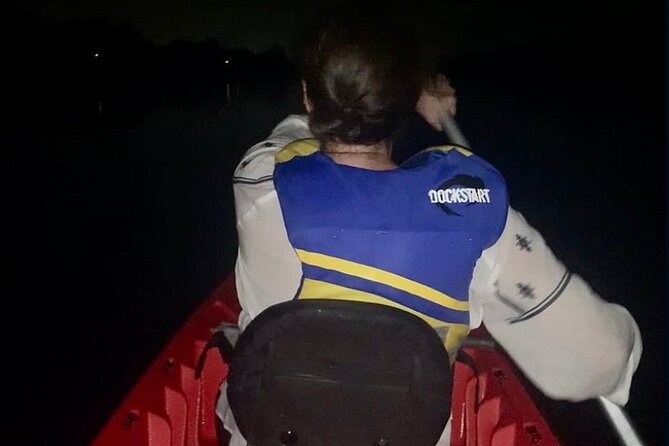
The supplied gear covers the basics: kayak, paddle, and PFD. You should bring the rest of your personal comfort kit.
Useful items include:
- Clothes you do not mind getting wet
- Water shoes, sandals, or Crocs suitable for water
- An extra change of clothes
- Towel for the car
- Bottled water and snacks
- Optional camera and dry bag
- Optional personal paddling gear
- Optional flashlight, in addition to the provided safety light
A camera is unlikely to capture the bioluminescence well. The glow is faint and difficult for ordinary phone cameras to record, particularly while you are moving. A camera can still be useful for taking pictures of your group before or after the darkest part of the paddle.
Do not let the equipment list make this sound technical. The tour supplies the main kayaking gear, and most people can participate. You will get more from the evening if you dress for splashes and focus on seeing the light directly instead of trying to film every moment.
How Much Value Does the Two-Hour Tour Offer?
No tour price was provided here, so I cannot make a fair dollar comparison. The better question is what you are paying for: a kayak, equipment, a guide, roughly two hours on the lagoon, and access to a natural event that you cannot guarantee or reproduce.
For many people, that is good value. The experience combines paddling, wildlife watching, local ecology, and a night outdoors. A strong summer display or close encounter with comb jellies can make it feel special. Families have also ranked it above other major Cocoa Beach area activities, including airboat rides and a Kennedy Space Center visit.
The value is weaker if you want a guaranteed light show. A winter night with weak jelly activity, a bright moon, wind, or nearby lights may feel like a standard night kayak with only a few glowing moments. One poor outing also involved a late start and a long paddle, which made the limited bioluminescence feel especially disappointing.
I would book this for the overall adventure, with bioluminescence as the hoped-for highlight. That mindset protects you from paying for a promise nature cannot keep.
The 4.8 rating from 831 reviews and 94 percent recommendation rate suggest that most people find the outing worthwhile. The strong praise centers on the guides, especially their safety support, local wildlife explanations, and ability to help new paddlers feel comfortable.
Cancellations, Conditions, and Who Should Book
Free cancellation is available if you cancel at least 24 hours before the scheduled start time. Cancellations within 24 hours are not refundable, and changes during that period are not accepted. Times are based on local time.
Weather can also interrupt plans. High winds have caused at least one cancellation. Before heading out, check for updates and understand how the provider handles a weather cancellation. Do not treat a credit as the same thing as a refund if you are visiting the area and cannot return.
I think this tour suits:
- Families with children who can follow water-safety instructions
- Couples looking for a quiet evening activity
- Solo visitors who enjoy guided outdoor trips
- First-time kayakers
- Anyone interested in local estuary life
- Visitors staying near Cocoa Beach or Merritt Island
It may not suit you if you need a guaranteed wildlife sighting, dislike getting wet, or have serious concerns about paddling in darkness. You should also be cautious about booking in cooler months if you are hoping for clouds of glowing plankton.
FAQ
How long is the bioluminescence kayak tour?
The tour lasts approximately two hours.
Where does the tour begin?
It begins at 951 Kiwanis Island Park Road, Merritt Island, Florida 32953.
Where does the activity end?
The tour ends back at the original meeting point.
What equipment is included?
The tour includes a kayak, paddle, personal flotation device, professional guide, and the two-hour guided outing.
When is the best season for dinoflagellates?
Dinoflagellate bioluminescence is in peak season from May through early November.
When can I see comb jellies?
Comb jellies are in peak season from late November through April.
Do comb jellies sting?
The comb jellies described for this tour do not sting.
What should I wear and bring?
Wear clothes that can get wet and water shoes, sandals, or Crocs suitable for the water. Bring a towel for your car, an extra change of clothes, water, and snacks. A camera and dry bag are optional.
Can beginners participate?
Most people can participate, and first-time kayakers have completed the tour with guide instruction. Kayaking may still become more difficult in wind or choppy water.
Should You Book This Cocoa Beach Night Kayak?
I would book it if you want a gentle outdoor adventure with a chance to see something unusual. Choose summer for the best chance of glowing dinoflagellates, or winter if catching and holding clear comb jellies sounds more appealing.
Go in expecting a night on the lagoon first and a light show second. That is the honest bargain. You may paddle through blue-green swirls, watch a manatee surface beside you, or see only a few glowing flecks beneath the stars. The guides, calm water, and unusual setting still give the tour plenty of value, but flexible expectations will make the night much more enjoyable.
Just added in the USA
- Monterey Bay Whale Watching★ 4.5 · 316 reviews
- Monterey Whale Watching Tour★ 4.5 · 732 reviews
- 17-Mile Drive Electric Bike Guided Tour★ 5.0 · 401 reviews
- Whale Watching Tour★ 4.5 · 497 reviews
- Elkhorn Slough Wildlife Tour★ 5.0 · 424 reviews
- Carmel Small Group Walking Food & Cultural Tour★ 5.0 · 392 reviews
- U-Drive Hells Revenge 4×4 Tour- 2.5 HR TOUR★ 5.0 · 334 reviews
- The Best U-Drive Hell’s Revenge 4×4 Off Roading Tour from Moab★ 5.0 · 909 reviews
Canoes & Kayaks, compared.
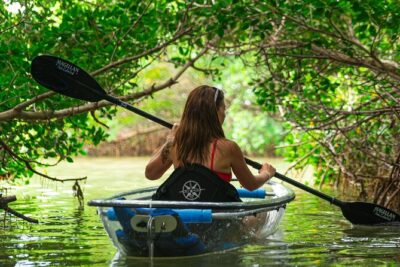
Clear Kayak Tour of Shell Key Preserve and Tampa Bay Area
Read our review →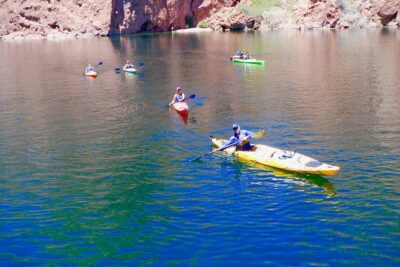
Half-Day Emerald Cave Kayak Tour with Optional Hotel Pickup
Read our review →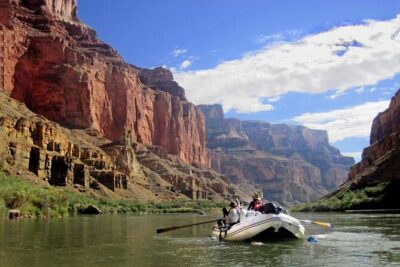
Emerald Cave Kayak Tour: Scenic Paddle with Optional Shuttle
Read our review →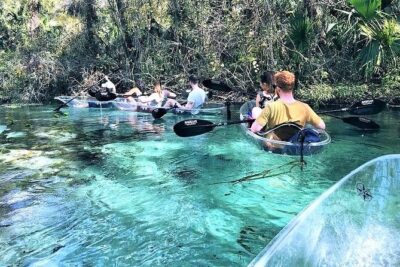
Rock Springs 2-Hour Glass Bottom Guided Kayak Eco Tour
Read our review →
Crystal River Three Sisters Springs and Manatee Clear Kayak Tours
Read our review →Browse the lists this tour appears in