
Reviewed · SAN FRANCISCO TOURS
California Academy of Sciences General Admission Ticket
Science gets wonderfully weird here. The California Academy of Sciences combines an aquarium, rainforest, planetarium, and natural history museum under one roof, making it one of San Francisco’s easiest full-day indoor outings. I especially like the African penguin colony and the chance to move from live coral reefs to galaxies in a single visit. The main drawback is cost: at $49 per person, plus separate charges for parking, food, or nearby attractions, a family day can become expensive.
I also like the freedom of a self-guided visit. You can linger over the animals, skip an exhibit that does not suit your group, or return to a favorite section later. Just plan ahead for the planetarium reservation, since free show passes are first come, first served and are not guaranteed.
In This Review
- Key points to know before you go
- Four San Francisco attractions under one living roof
- Steinhart Aquarium: the strongest section for many families
- Morrison Planetarium: reserve your free show right away
- Osher Rainforest: butterflies, heat, and four stories of habitat
- Natural history displays, geology, and California’s biodiversity
- Wander Woods and the living roof
- How long to stay and how to plan the route
- Price, crowds, and the real value of the ticket
- Who will enjoy the Academy most
- Should you book the California Academy of Sciences?
- FAQ
- Where is the California Academy of Sciences?
- How long should I allow for a visit?
- What does general admission include?
- Is a formal tour included?
- Are planetarium shows included?
- How do I reserve a planetarium show?
- Can young children enter the planetarium?
- Is food available inside?
- Can I cancel the ticket?
Key points to know before you go
- Four major attractions share one building: Steinhart Aquarium, Morrison Planetarium, the Osher Rainforest, and the natural history museum.
- Nearly 60,000 live animals represent more than 1,000 species, including African penguins, butterflies, reptiles, fish, and Claude, the white alligator.
- Planetarium passes cost nothing extra, but you must reserve a showtime after arrival by scanning the QR code in the lobby.
- The rainforest is hot and humid, so comfortable shoes and light clothing make the visit easier.
- Three to five hours is a realistic visit, though families with young children may need a full day with breaks.
- Golden Gate Park adds value, giving you a pleasant setting for a walk before or after the museum.
Four San Francisco attractions under one living roof
The Academy’s big selling point is simple: you get several very different experiences without crossing town. One minute you are watching penguins, and later you are standing beneath a four-story rainforest dome or looking at the edge of the universe.
That variety matters if your group has mixed interests. A child may race toward the aquarium, a teenager may prefer the earthquake simulator or planetarium, and an adult may spend time with the geology collection or California biodiversity displays. You are not locked into a formal tour, and there is no guide setting the pace.
The building is in Golden Gate Park at 55 Music Concourse Drive. It is near public transportation, and most people can take part. Service animals are allowed. The experience is offered in English, with mobile ticketing and instant access, so you can head to the entrance without first visiting a separate ticket kiosk.
The ticket includes public programs and exhibits. These can include animal feedings, short demonstrations, and other scheduled activities. Since the exact program schedule can change, check what is offered when you arrive and shape your route around anything you especially want to see.
A few more options to weigh up in San Francisco
- Muir Woods and Sausalito (Return by Bus or Ferry)
★ 4.5 · 5,098 reviews - Big Bus SF: Hop-on Hop-off Tour with 17 Stops and Sunset Option
★ 4.0 · 4,539 reviews - Napa and Sonoma Wine Country Full-Day Tour from San Francisco
★ 4.5 · 4,455 reviews
Steinhart Aquarium: the strongest section for many families
I would make the aquarium an early priority. Steinhart Aquarium houses nearly 60,000 live animals from more than 1,000 species, and it feels like much more than a row of standard fish tanks.
One major feature is the world’s deepest living indoor coral reef. The scale gives the aquarium a sense of theater, but the value is educational too. You can compare habitats and see how different animals fit into marine systems rather than simply ticking off colorful fish.
The Venom exhibit adds a sharper edge. It features more than a dozen species and gives the aquarium a change of mood after the gentler displays. The Twilight Zone section focuses on marine life from the dark parts of the ocean, a setting most of us rarely picture clearly. That contrast helps explain how life adapts when sunlight disappears.
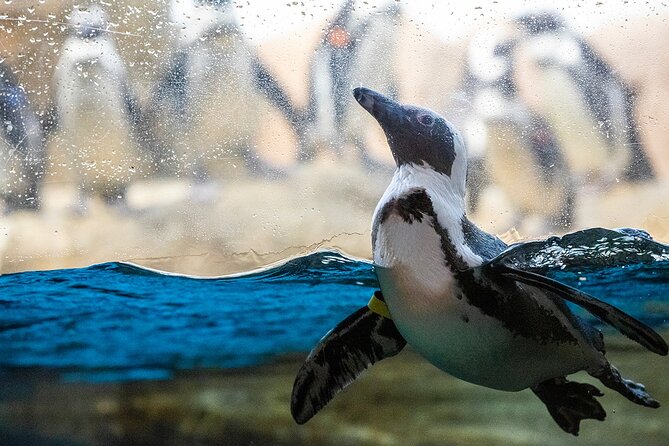
The penguins are a reliable hit. The African penguin colony is playful and easy to enjoy even if you are not a serious animal fan. A scheduled feeding gives you a chance to watch a biologist work and ask questions, so check the daily timetable when you enter.
Claude, the white alligator, is another memorable resident. He is the sort of unusual animal that children remember long after the museum’s labels have faded from memory.
Plan about an hour here, though aquarium fans can easily spend longer. The main limitation is crowding. On a busy Saturday or holiday, viewing areas can feel tight, and it becomes harder to pause at the most popular tanks. Go early, or return later in the day if the first pass feels too crowded.
Morrison Planetarium: reserve your free show right away
The Morrison Planetarium uses a 75-foot dome screen for shows about space and Earth. The scale is the point. Instead of watching a flat film, you sit beneath a curved screen that fills your field of view with stars, planets, and large computer-generated environments.
Several award-winning shows and times are offered during the day. One popular program, Incoming, focuses on cosmic objects and the forces that shape our planet. Show content changes, so look at the day’s options rather than assuming every visit offers the same film.
Admission includes the planetarium, but a show pass is still required. When you arrive, scan the QR code posted in the lobby to reserve a time. Passes are free and first come, first served. This is the most important practical detail in the entire visit. If you wait until after lunch, your preferred show may be full.
The planetarium is not suitable for every child. Shows may not be appropriate for children under seven, and children under four are not permitted. For families with very young children, the aquarium and rainforest are better anchors for the day.
If the planetarium is closed for maintenance or a special reason, you will not necessarily get the full four-part experience. That possibility makes it wise to treat the show as a bonus rather than the sole reason to buy the ticket.
Osher Rainforest: butterflies, heat, and four stories of habitat
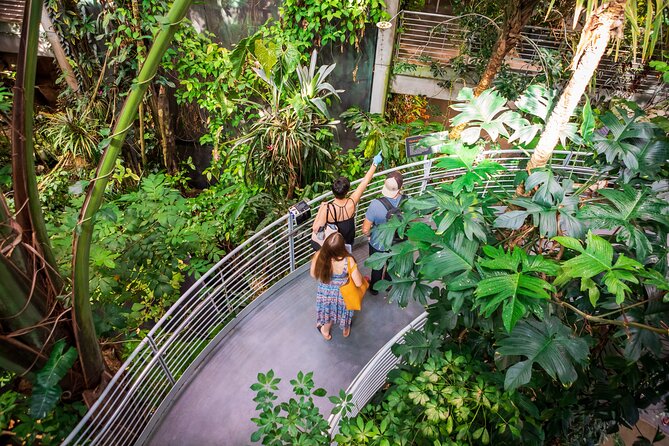
The Osher Rainforest is one of the Academy’s most distinctive areas. A glass dome rises four stories and contains more than 1,600 plants and animals. Free-flying birds and butterflies share the space with reptiles, spiders, and large Amazonian fish.
This section feels different from a conventional museum because the living environment surrounds you. You may see butterflies moving through the air, golden-silk orb weaver spiders, exotic reptiles, and fish below. The design lets you move through several levels of the forest, giving the exhibit a sense of height and motion.
Give yourself at least 30 minutes, though the right amount of time depends on how long you pause. Families often need longer because children want to look for every moving creature. The humidity is real. Wear comfortable clothes, and do not be surprised if the rainforest feels warm after the cooler museum galleries.
The rainforest can also be a bottleneck. If the building is busy, narrow paths and popular viewing points may slow your progress. Still, it is worth seeing even on a crowded day. The butterflies and other free-moving animals make this one of the most memorable parts of the Academy.
A different kind of day out entirely:
- Small Group Yosemite and Giant Sequoias Day Trip from San Francisco
★ 5.0 · 3,671 reviews - San Francisco: Golden Gate Bay Cruise
★ 4.7 · 3,644 reviews - San Francisco: Hop-On Hop-Off Sightseeing Tour with 17 Stops
★ 4.5 · 3,600 reviews - Yosemite Highlights & Giant Sequoias Day Tour from San Francisco
★ 4.5 · 3,455 reviews
Natural history displays, geology, and California’s biodiversity
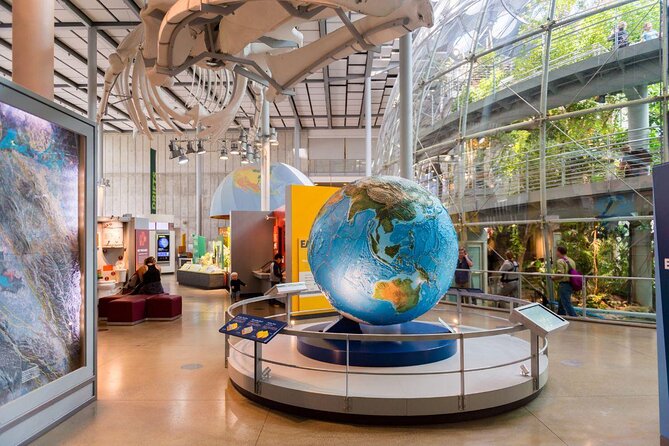
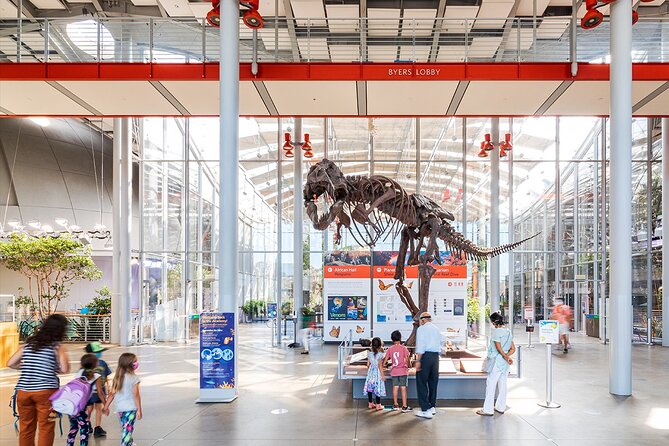
The natural history side gives the visit context. You can walk beneath the bones of some of the planet’s largest animals and explore hands-on exhibits that connect fossils, geology, plants, animals, and people.
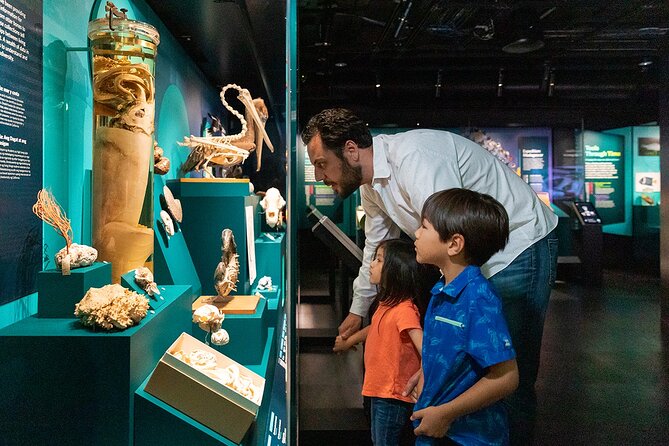
The geology collection includes nearly 400 specimens. That is a good stop if you like crystals, minerals, and the physical forces that shape the Earth. Interactive displays help keep this section from feeling like a silent storage room, especially for children who prefer touching and testing things to reading long panels.
The newer California: State of Nature exhibit focuses on the connection between the state’s species, places, and people. It uses scientific specimens, interactive features, multimedia, and models to explain California’s four ecosystems and its unusual range of life.
This section is less instantly entertaining than the penguins or butterflies, but it is where the Academy becomes more than an aquarium. You begin to see how the state’s environments work together and why local species matter.
There are also changing displays and research specimens. Hidden Wonders offers a look at previously unseen objects from the Academy’s collections. Exhibits change, so repeat visits may bring a different emphasis.
Some people expecting a large dinosaur hall may be disappointed. The dinosaur material does not seem to be the main attraction, and one family found that section underwhelming. If dinosaurs are your top priority, you may want to set expectations before paying the admission price.
Wander Woods and the living roof
Families with younger children should look for Wander Woods, an outdoor nature play and exploration area designed to encourage curiosity. It gives children a chance to move and investigate after time indoors, which can make a major difference during a three-hour museum visit.
The living roof is another part of the Academy’s identity. It blends architecture with environmental ideas and gives the building a distinctive profile within Golden Gate Park. You may not spend as much time there as in the aquarium, but it helps explain why the Academy feels like a modern science center rather than a conventional museum.
Golden Gate Park adds breathing room. You can combine the Academy with a walk through the park, but remember that admission to other nearby attractions, such as the Japanese Tea Garden, is separate. That distinction matters when you build your day’s budget.
How long to stay and how to plan the route
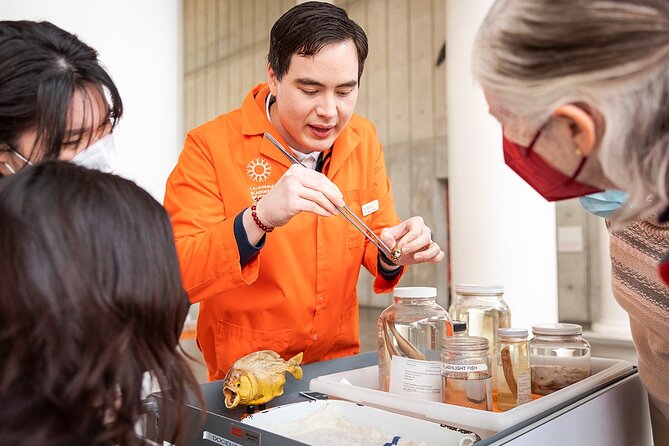
The advertised visit length is about three to five hours. I think three hours works if you move steadily and catch only one planetarium show. Four or five hours is better if you have children, want to attend a feeding, or plan to read the natural history displays.
A practical route looks like this:
- Reserve the planetarium show as soon as you arrive.
- Check feeding times and public demonstrations.
- Start with the aquarium before the busiest period.
- Visit the rainforest while your group still has energy.
- Use the natural history galleries and Wander Woods for a slower middle or final section.
- Leave time for food and a break.
You do not need to follow the suggested one-hour blocks rigidly. The aquarium and planetarium may deserve more time, while 30 minutes can be enough for the rainforest if your group is tiring.
Comfortable shoes matter. The building is large, and you will spend much of the visit standing or walking. A family may also appreciate the café and terrace restaurant, where sustainable grab-and-go food and drinks are available for purchase.
Price, crowds, and the real value of the ticket
At $49 per person, this is not a cheap museum stop. A family of four pays close to $200 before food, parking, or any separate attraction in Golden Gate Park. Parking has been reported at $31.25, which can change the math quickly.
The ticket becomes better value when you stay at least three hours and use the included planetarium show, aquarium, rainforest, public programs, and museum galleries. If you only want to see one section, the price will feel steep. If you treat it as a half-day or full-day outing, the range of experiences makes more sense.
Food also adds up. One family reported spending $75 for three people, so budget for lunch rather than assuming the admission price covers the whole outing.
Crowds are the other cost. Busy Saturdays and holidays can make popular galleries difficult to enjoy, and a packed rainforest is less pleasant than a quiet one. The instant-access ticket saves you from a separate redemption line, but it does not guarantee an empty building.
Most written feedback is strongly positive, with a 4.2 rating from 586 reviews. The most praised features are the aquarium, rainforest, planetarium, penguins, friendly staff, and family appeal. A few complaints focus on crowding, high total costs, occasional closure or limited access, and cleanliness in some food court areas.
One opening-time issue is worth noting. A dated ticket once showed a 9:30 a.m. opening, while the Academy was operating with a members-only period until 11 a.m. Check the current hours for your exact date instead of relying only on a booking confirmation.
Who will enjoy the Academy most
This is an easy choice for families with school-age children and teenagers. The mix of animals, interactive displays, visual shows, and outdoor play means you can adjust the day to different ages.
Adults without children can enjoy it too. The aquarium has serious biological range, the planetarium shows are made for adults as well as younger viewers, and the geology and California exhibits reward slower attention.
It is also a good rainy-day plan, though the Academy works in any weather. The indoor program is substantial, and Golden Gate Park gives you a pleasant outdoor setting if the skies clear.
I would hesitate if your group dislikes crowds, has a very tight budget, or expects a large dinosaur-focused museum. I would also think twice about bringing a child under four if the planetarium is essential, since those children are not permitted inside the shows.
The site is accessible, near public transportation, and suitable for most people. Since there is no formal tour, you control the pace. That is a major advantage for families and anyone who does not want a guide rushing them from room to room.
Should you book the California Academy of Sciences?
Book it if you want one flexible San Francisco attraction that can occupy most of a day. The combination of penguins, coral reef life, butterflies, rainforest animals, geology, California ecosystems, and a planetarium show gives you more variety than the $49 price first suggests.
Go early, reserve your planetarium pass immediately, and check the feeding schedule. Wear comfortable shoes, expect heat in the rainforest, and include food and parking in your budget.
Skip it if your main goal is only dinosaurs or if a large crowd would ruin the day. For everyone else, especially families and adults who enjoy live animals as much as science displays, this is one of the more useful indoor stops in Golden Gate Park.
FAQ
Where is the California Academy of Sciences?
The Academy is at 55 Music Concourse Drive in San Francisco, California, inside Golden Gate Park.
How long should I allow for a visit?
Plan on about three to five hours. You can see the main areas in roughly three hours, but families and anyone attending public programs may want longer.
What does general admission include?
General admission includes instant-access entry to the California Academy of Sciences, its exhibits, public programs, Steinhart Aquarium, Morrison Planetarium, and Osher Rainforest.
Is a formal tour included?
No. This is a self-guided admission ticket, not a formal guided tour.
Are planetarium shows included?
Yes. Planetarium show passes are included at no extra charge, but they are first come, first served and must be reserved at the Academy after you arrive.
How do I reserve a planetarium show?
Scan the QR code posted in the lobby to choose an available showtime. The pass pick-up desk is across from the planetarium entrance.
Can young children enter the planetarium?
Shows may not be suitable for children under seven, and children under four are not permitted.
Is food available inside?
Yes. Sustainable grab-and-go food and drinks are available at the Academy Café and Terrace Restaurant. Food and drinks are not included in the ticket price.
Can I cancel the ticket?
You can cancel up to 24 hours before the experience start time for a full refund. Cancellations or changes made less than 24 hours before the start time are not accepted, and the amount paid is not refunded.
Just added in San Francisco
- From San Francisco: Napa & Sonoma Valley Full-Day Wine Tour★ 4.5 · 513 reviews
- The Escape Game San Francisco: Epic 60-Minute Adventures Downtown★ 5.0 · 334 reviews
- Small-Group Wine Country Tour from San Francisco with Tastings★ 5.0 · 1,543 reviews
- San Francisco LGBTQ Walking Tour with Local Guide★ 5.0 · 600 reviews
- San Francisco Authentic Food Tour with 5 Locals Favorites Dishes★ 5.0 · 852 reviews
- Yosemite Day Tour from San Francisco★ 4.5 · 713 reviews
- Skip The Bus: San Francisco By Luxury Van Tour★ 5.0 · 800 reviews
- San Francisco Movie Sights City Tour★ 5.0 · 1,223 reviews
San Francisco Tours, compared.
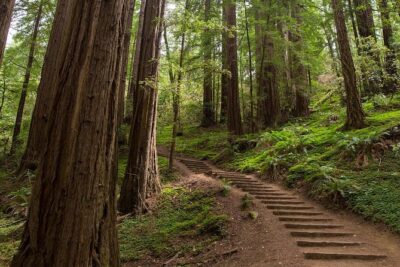
Muir Woods and Sausalito (Return by Bus or Ferry)
Read our review →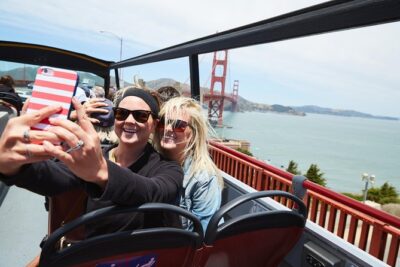
Big Bus SF: Hop-on Hop-off Tour with 17 Stops and Sunset Option
Read our review →
Napa and Sonoma Wine Country Full-Day Tour from San Francisco
Read our review →
Small Group Yosemite and Giant Sequoias Day Trip from San Francisco
Read our review →

Hop-On Hop-Off Sightseeing Tour with 17 Stops
Read our review →
Yosemite Highlights & Giant Sequoias Day Tour from San Francisco
Read our review →
San Francisco Super Saver: Muir Woods & Wine Country w/ optional Gourmet Lunch
Read our review →Browse the lists this tour appears in