
Reviewed · CRUISES & BOAT TOURS
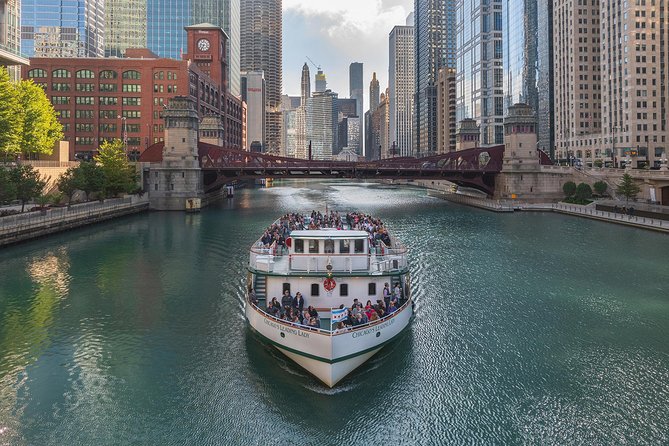
Chicago Architecture Center River Cruise aboard First Lady
Chicago looks best from the river. This 90-minute cruise turns Chicago’s famous buildings into a readable story, with Chicago Architecture Center docents explaining how the river, bridges, architects, and towers shaped the city. I like the clear, lively commentary, and I like how quickly you see major sights such as Marina City, Willis Tower, Navy Pier, and 150 North Riverside.
The main drawback is that seating is first come, first served, so a late arrival can limit your choice of views. The river route also covers a shorter stretch than some people expect, but the close-up look at downtown buildings makes the time count.
At $57 per person, this is not a bargain sightseeing boat. Still, it offers more than a view, especially if you are new to Chicago or want the city explained by someone who can connect architecture with politics, transport, business, and everyday life. The cruise is highly rated, with 98 percent of customers recommending it and a 4.9 rating from more than 5,500 reviews.
In This Review
- Key things to know before boarding
- Why a river cruise is the right Chicago introduction
- Arriving at the First Lady dock
- Choosing your seat and your side of the boat
- Chicago River: the city’s working spine
- Navy Pier: reuse on a grand scale
- Marina City: two concrete corn cobs
- Trump International Hotel and Tower: context matters
- Modernism at 330 North Wabash
- 150 North Riverside and the engineering show
- Boeing headquarters and the Riverside corridor
- Willis Tower and the story of height
- The old Marshall Field’s warehouse
- The Chicago Mercantile Exchange and Tribune Freedom Center
- What the onboard experience is like
- Who should pay $57 for this cruise?
- My verdict: book it early in your Chicago stay
- FAQ
- Where does the Chicago Architecture Center River Cruise depart?
- How early should I arrive?
- Is seating assigned?
- How long is the cruise?
- Does the boat operate in bad weather?
- Is there a restroom onboard?
- Can I buy food or drinks?
- Can I bring luggage?
- Are pets and service animals allowed?
- Is the cruise suitable for children?
Key things to know before boarding
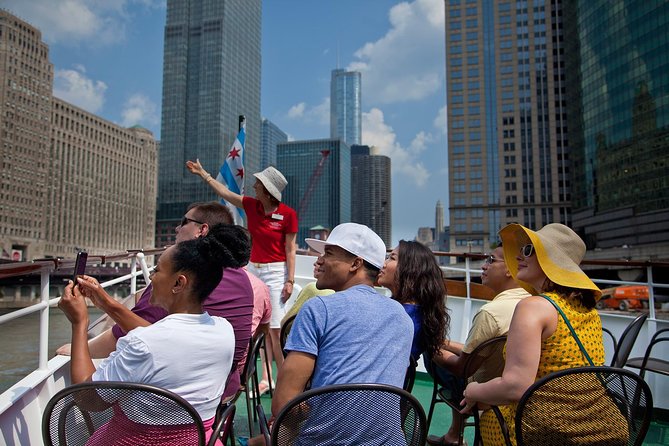
- The docent makes the difference: Guides such as Cynthia, Laura, Amy, Russell, Nick, and Mark have delivered lively talks that blend architecture with Chicago stories.
- You see the city from close range: Marina City, Willis Tower, Navy Pier, 150 North Riverside, and other landmarks appear directly from the river.
- The lower salon saves cold or rainy days: The boat has a climate-controlled indoor level with large windows, plus an open-air upper deck.
- Seating is general admission: Arrive 30 minutes early, then board promptly for the best chance at your preferred seat.
- The full bar is a useful extra: Drinks and light snacks are available, including hot chocolate on some departures.
- The tour works best early in your Chicago visit: The building stories help you recognize and understand downtown sights afterward.
Why a river cruise is the right Chicago introduction
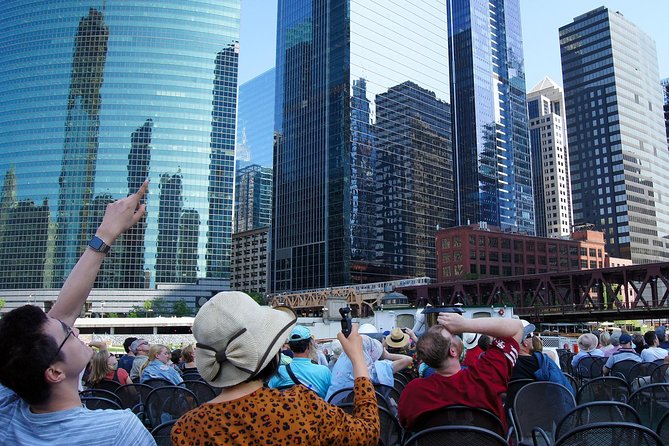
Chicago’s downtown can feel like a wall of glass, stone, and steel when you walk beneath it. From the river, you get enough distance to see whole buildings at once, while the boat brings you close enough to notice details in facades, setbacks, windows, and structural frames.
I especially like the way the guide explains buildings in relation to their neighbors. The focus is not simply on naming towers. You learn why a building took its shape, how it fit into the city around it, and what its design said about the period when it was built.
The Chicago River also gives the tour a useful backbone. Its story runs through industry, shipping, transport, recreation, and downtown renewal. In 90 minutes, you get an introduction to Chicago’s growth without spending half a day moving from one building to another.
This is best taken near the beginning of your stay. Afterward, you can walk around the Loop, visit the Riverwalk, or ride the elevated trains with more context. The cruise gives you a mental map of the city fast.
More Boat Tours in Chicago
- Chicago Architecture River Cruise
★ 5.0 · 15,756 reviews - Chicago River: 1.5-Hour Guided Architecture Cruise
★ 4.8 · 8,046 reviews - Chicago: Architecture River Cruise Skip-the-Ticket Line
★ 4.8 · 4,325 reviews
Arriving at the First Lady dock
The departure point is at 112 East Wacker Drive, along the Chicago Riverwalk. The dock sits about three blocks north of Millennium Park and close to the Magnificent Mile.
The street-level entrance is on the northeast corner of Michigan Avenue and Wacker Drive. Once you find the Riverwalk entrance, follow the signs toward the dock. Allow extra time in summer, when downtown sidewalks and the Riverwalk can be crowded.
Arrive at least 30 minutes before departure. This matters because boarding is not tied to assigned seats. All seating is general admission, even if a seat number appears on your ticket.
There is no elevator access to the boat dock, so plan for stairs. The nearest listed garage is the LAZ Parking garage at 111 East Wacker Drive, directly across from the stairway and next to the Chicago Architecture Center. Parking costs extra.
The Chicago Architecture Center is across Wacker Drive from the dock. Show your cruise ticket there for discounted admission of $5 per person, a useful add-on if you want more building models and city-planning background after the boat ride.
Choosing your seat and your side of the boat
The boat has two levels. The upper deck is open to the air, while the lower salon is enclosed and climate controlled. Large windows on the lower level let you keep viewing the buildings in poor weather.
The upper deck gives you the clearest photos and the least obstructed view overhead. It can also be chilly, especially when the boat moves into shade between tall buildings. Bring a warm layer even on a pleasant day, and pack sunglasses, a cap, or a visor because sunlight can interfere with your view.
If the weather turns wet, you do not lose the tour. The boat runs in all conditions, and the indoor level provides shelter. On colder departures, the heated lower area can be especially welcome.
Because seating is first come, first served, early arrival is the practical trick. You do not need a particular seat number. Choose the outdoor level for photographs and open views, or settle inside for comfort and steady access to the guide’s commentary.
The boat can carry up to 250 people. That is large enough for a lively outing but still small enough to hear the docent clearly when the guide is speaking through the onboard system.
Chicago River: the city’s working spine
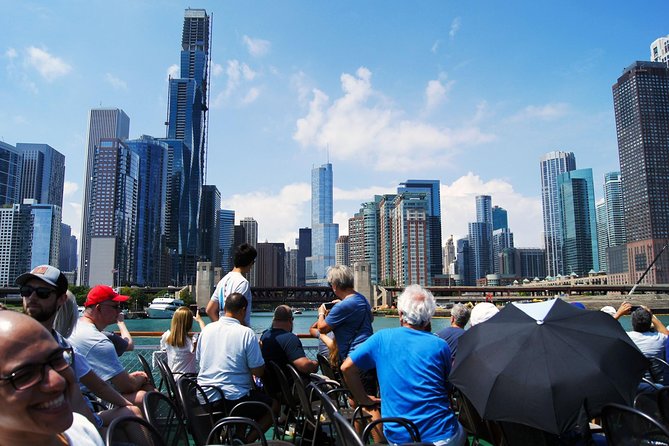
The cruise begins with the river itself, and that is more important than it may sound. Chicago’s river is not just a scenic waterway between skyscrapers. It has supported industry, shipping, transport, and more recent recreation and downtown renewal.
The river helps explain why Chicago became such an important commercial center. As you move through the central corridor, the buildings seem less like isolated attractions and more like responses to trade, land values, business needs, and changing ideas about city life.
The guide also points out bridges and the relationship between the river and the streets above. That added context is one reason this cruise offers more than a standard skyline ride.
A different kind of day out entirely:
- Chicago River 90-Minute Architecture Tour
★ 4.5 · 9,629 reviews - Chicago: Gangsters and Ghosts Walking Tour
★ 5.0 · 7,155 reviews - Chicago: Willis Tower Skydeck and The Ledge Ticket
★ 4.6 · 4,350 reviews - Chicago Crime and Mob Bus Tour
★ 4.5 · 3,186 reviews
Navy Pier: reuse on a grand scale
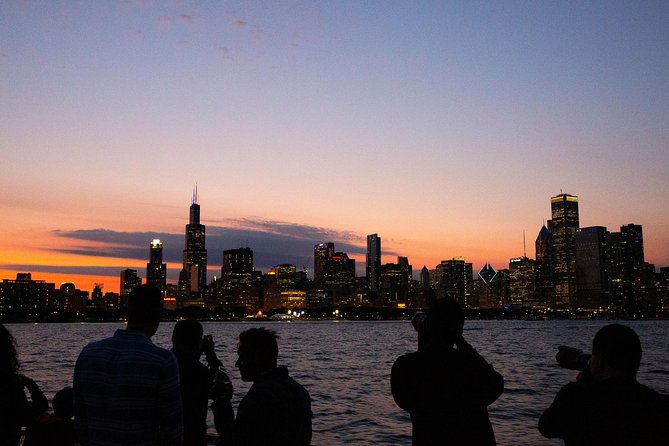
Navy Pier is one of the easiest landmarks to recognize from the water. From the cruise, you see it as part of the river and lakefront system rather than only as an entertainment stop.
Its past has included use as a naval base, a university campus, and a shipping hub. Today, it is a major entertainment destination. That sequence gives you a clear example of adaptive reuse, the practice of changing an old facility for new public needs instead of abandoning it.
The boat does not turn Navy Pier into a separate walking visit. You view it from the water, which is enough to understand its place in the city’s development. If you want rides, restaurants, or the pier’s attractions, plan a separate visit.
Marina City: two concrete corn cobs
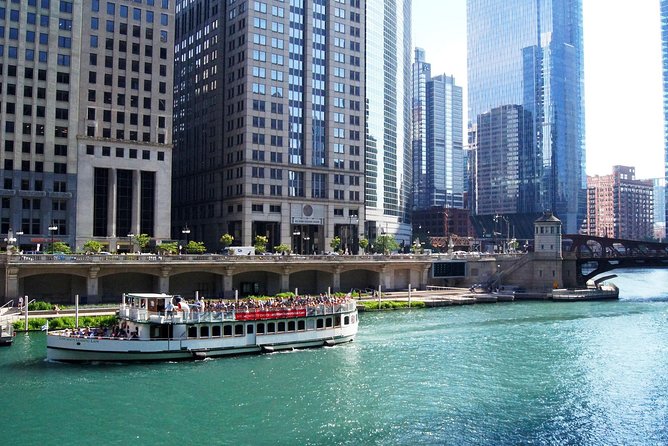
Marina City is one of the cruise’s most memorable sights. Bertrand Goldberg designed the pair of round towers as an urban experiment meant to draw middle-class residents back into the city after years of suburban migration.
From the river, the towers’ rounded balconies are especially easy to read. Their form is not decorative window dressing. It reflects a plan for dense city living with homes and amenities gathered in one complex.
The docent’s explanation helps you see Marina City as a social idea as well as a building. Chicago architecture often makes the most sense when you ask what problem the architect was trying to solve.
Trump International Hotel and Tower: context matters
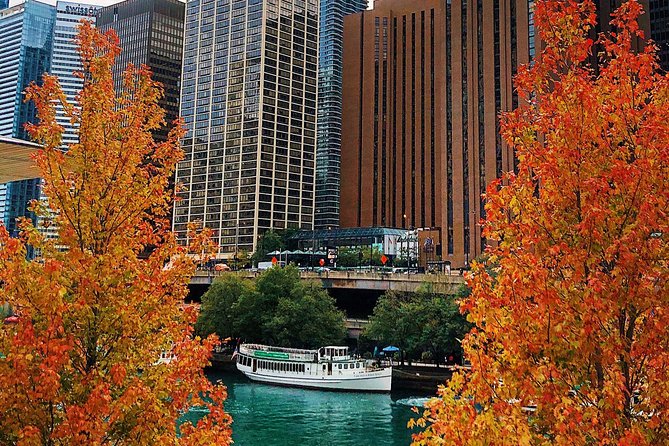
The Trump International Hotel and Tower appears as a large glass and steel presence beside the river. The interesting point here is how the tower responds to its setting.
The guide explains that the building reflects its surroundings, not only through its materials but also through its relationship to the river and nearby structures. That kind of comparison is useful because it shifts your attention from a single famous name to the larger group of buildings around it.
You will not get a long stop at each sight. The boat keeps moving, so listen closely when the guide begins a new building story and keep your camera ready.
Modernism at 330 North Wabash
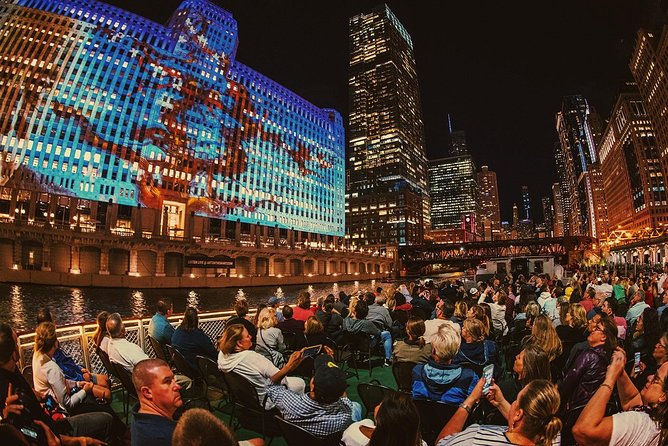
One of the last American projects designed by Ludwig Mies van der Rohe occupies a prominent place beside the river. Its strong Modernist lines make a sharp contrast with the curved forms of Marina City.
From the boat, the building’s position is easy to understand. It has a direct relationship with the water and the downtown towers around it. The cruise lets you compare different ideas of modern design without walking several blocks between examples.
This is one of the moments when the river route earns its price. You can study the building from a changing angle instead of seeing only one street-facing side.
150 North Riverside and the engineering show
150 North Riverside is among the most dramatic sights on the route. Its narrow base and broad upper structure create a gravity-defying appearance that catches attention before the guide explains how it works.
The building is presented as both an architectural and engineering achievement. From the river, its unusual shape is easier to grasp because you have a clear view of the full height and the open space around the base.
This is also a good example of the tour’s mix. You are not hearing only about old Chicago or only about glass towers. The route moves across different periods and shows how new construction continues to answer difficult downtown building problems.
Boeing headquarters and the Riverside corridor
At 100 North Riverside Plaza, you view the Boeing International Headquarters. It is one of several buildings that help fill out the western part of the route.
The cruise does not treat every building as a headline attraction. Some are useful links between the better-known towers, giving you a sense of the full riverfront corridor and the range of offices built along it.
This portion also shows why the 90-minute length works well. You see a broad selection without committing to a long boat outing. If you prefer a very slow trip with extensive time at each building, this may feel brisk.
Willis Tower and the story of height
For nearly 25 years, Willis Tower, formerly called the Sears Tower, held the title of the world’s tallest building. The name change can be confusing, so it helps that the guide identifies both names.
From the river, the tower is part of a wider lesson about Chicago’s contest for height. Size mattered in the Midwest, and the tower’s scale made a statement about business, ambition, and the city’s place in the world.
The cruise gives you a strong view of the tower without requiring a separate visit to its observation deck. If you want to step onto the glass ledge or see the city from the top, that is a different experience and costs extra. The boat provides the better value for learning how the tower fits into Chicago’s skyline.
The old Marshall Field’s warehouse
The former Marshall Field’s wholesale warehouse was the largest building in the world when it was completed in 1930. Its purpose was practical: retailers could buy stock there.
That detail helps correct the usual skyscraper-only view of Chicago architecture. The city’s important buildings were not all designed as glamorous offices. Warehouses, trading centers, and commercial support buildings were just as important to Chicago’s economic life.
The guide uses this stop to connect architecture with commerce. It is a good reminder to look beyond the most photographed towers and notice the large, sturdy structures that supported the city’s retail system.
The Chicago Mercantile Exchange and Tribune Freedom Center
The route also includes a view of the Chicago Mercantile Exchange Building at 20 South Wacker Drive. Its presence points to Chicago’s long role in finance and trade.
The Chicago Tribune Freedom Center adds another piece of the city’s working identity. Together, these stops show that the river corridor is not simply a collection of residences and landmark towers. It remains tied to news, business, finance, and the systems that keep a major city operating.
You should expect a continuous sightseeing route rather than a series of landings. The cruise ends back at the starting point, so you can continue on foot afterward without arranging a separate return.
What the onboard experience is like
The boat is described as clean, spacious, and comfortable, with restrooms onboard. The full bar serves drinks and light snacks, and some departures offer hot chocolate, a welcome treat on a cool day.
The restroom closes 15 minutes before the tour ends for safety reasons. Take care of that need early, especially if you are traveling with children.
The live commentary is the heart of the outing. The guides are trained Chicago Architecture Center docents, and the strongest departures feature clear delivery, humor, and a personal touch. Cynthia, Laura, Amy, Russell, Nick, and Mark have each been praised for keeping the talk lively and easy to follow.
The tour is offered in English. WiFi is not available, so download anything you need before boarding and treat the cruise as a screen-free hour and a half.
Who should pay $57 for this cruise?
At $57, you are paying for a guided city lesson with moving views, not just transportation. I think the price makes sense if you value expert interpretation, have limited time, or want an efficient introduction to downtown Chicago.
The cruise is particularly good for:
- First-time visitors who want a city orientation
- Architecture fans who want more than building names
- Couples and friends looking for an easy shared activity
- Families with older children
- Solo visitors who prefer a structured introduction
- Anyone who wants good skyline photos without a full day of walking
It is not recommended for children younger than 12, and children must be accompanied by an adult. Strollers are allowed, but you must remove the child before boarding, then fold and store the stroller in the salon.
Pets are not allowed, though service animals are permitted. Luggage cannot be brought onboard, and there is no dockside storage, so leave suitcases at your hotel.
The cruise is not refundable or transferable to another departure. Check your schedule carefully before booking, since a missed sailing cannot simply be shifted to a later time.
My verdict: book it early in your Chicago stay
I would book the Chicago Architecture Center River Cruise aboard First Lady early in a Chicago visit. The best part is not merely the view. It is the way a good docent turns towers, warehouses, bridges, and the river into a connected story you can keep using for the rest of your trip.
Choose an early departure for a better chance at your preferred seat. Choose an evening departure if you want the buildings in changing light, but bring an extra layer because shaded sections can feel cold.
Skip it only if you want a very short, purely scenic boat ride or if $57 feels too high for a 90-minute activity. For most visitors, especially those new to Chicago, the combination of close views, strong guides, indoor comfort, and useful city context makes this one of the smartest ways to get oriented.
FAQ
Where does the Chicago Architecture Center River Cruise depart?
It departs from 112 East Wacker Drive along the Chicago Riverwalk. The Riverwalk entrance is at street level on the northeast corner of Michigan Avenue and Wacker Drive.
How early should I arrive?
Arrive 30 minutes before departure. Allow extra time during summer.
Is seating assigned?
No. Seating is general admission and boarding is first come, first served. Any seat numbers printed on tickets are not valid for assigned seating.
How long is the cruise?
The cruise lasts about 1 hour and 30 minutes and ends back at the meeting point.
Does the boat operate in bad weather?
Yes. The cruise operates in all weather conditions. The upper deck is open air, and the lower salon is enclosed and climate controlled.
Is there a restroom onboard?
Yes. Restrooms are available onboard, but they close 15 minutes before the end of the tour.
Can I buy food or drinks?
Yes. Drinks and light snacks are available for purchase, and the boat has a full bar.
Can I bring luggage?
No. Luggage is not allowed onboard, and there is no storage area at the dock.
Are pets and service animals allowed?
Pets are not allowed. Service animals are permitted.
Is the cruise suitable for children?
Children must be accompanied by an adult. The activity is not recommended for children younger than 12, although strollers are permitted if the child is removed before boarding and the stroller is folded for storage.
Just added in Chicago
- Original Chicago Architecture Interiors Tour: Dazzling Interiors★ 5.0 · 1,489 reviews
- Delicious Donuts & City Sights: Chicago’s Original Donut Tour★ 5.0 · 1,389 reviews
- BYOB Spray Paint and Sip at Studio W.I.P.★ 5.0 · 401 reviews
- Bikes, Bites & Views: Chicago’s Signature Dishes Bike Tour-Adults★ 5.0 · 732 reviews
- The Escape Game Chicago: Epic 60-Minute Adventures in River North★ 5.0 · 332 reviews
- Field Museum of Natural History Admission Tickets★ 4.5 · 489 reviews
- Chicago Loop District Food Tour with Deep Dish & Beef Sandwich★ 5.0 · 870 reviews
- City Cruises Chicago: Signature Lunch Cruise on Lake Michigan★ 4.0 · 348 reviews
Cruises & Boat Tours, compared.
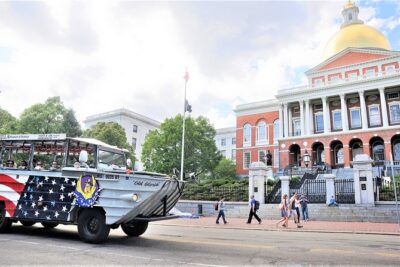
Boston Duck Boat Sightseeing City Tour with Cruise Along Charles River
Read our review →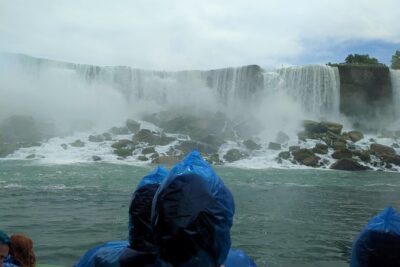
Best Niagara Falls US Tour W/Boat Ride, Cave & More Wonders!
Read our review →
Circle Line 2h Harbor Lights Cruise Skip-The-Box-Office
Read our review →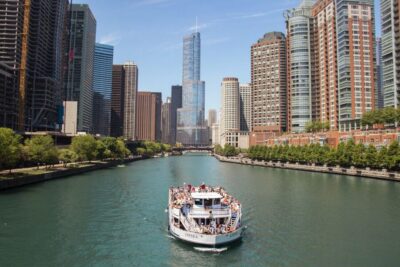
Chicago River: 1.5-Hour Guided Architecture Cruise
Read our review →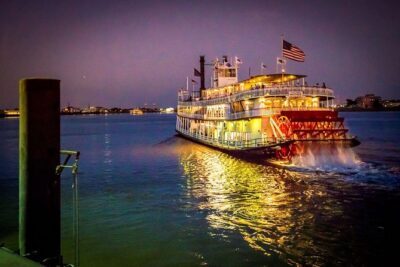
New Orleans Steamboat Natchez Jazz Cruise with Dinner Option
Read our review →
Biscayne Bay Millionaire’s Homes Sightseeing Cruise
Read our review →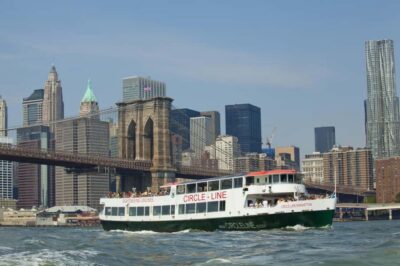
Browse the lists this tour appears in