
Reviewed · WHALE WATCHING
Monterey Bay: Whale Watching Tour
Whales make Monterey Bay feel wonderfully wild. This 3 to 4-hour cruise takes you from Old Fisherman’s Wharf into the Monterey Bay National Marine Sanctuary, where the bay’s close-to-shore submarine canyon draws feeding whales and dolphins. I especially like the small boat setting and the onboard biologist, who turns animal sightings into a useful lesson about marine life. The main catch is simple: ocean conditions can be rough, and whale sightings are never guaranteed.
I also like how the trip changes with the seasons. Summer and fall focus on feeding humpbacks, while winter trips head toward the southern bay to look for migrating gray whales. The $75 price feels fair when you see several species and receive lively guidance from people such as Isaiah, Maddy, Sophie, and Ryan, though it may feel steep if the sea is choppy or wildlife stays far away.
In This Review
- Key Things To Know Before You Go
- Why Monterey Bay Is Such a Strong Whale-Watching Spot
- From Discovery Whale Watch to Old Fisherman’s Wharf
- Passing Cannery Row and Entering Protected Waters
- Summer and Fall: Following Feeding Humpbacks
- Winter Trips and Migrating Gray Whales
- The Biologist Makes the Difference
- What the Boat Ride Feels Like
- Is $75 a Fair Price?
- Who Will Enjoy This Most?
- Practical Details That Can Save Your Day
- Should You Book Discovery Whale Watch?
- FAQ
- How long is the Monterey Bay whale-watching tour?
- How much does the tour cost?
- Where does the tour depart?
- How early should I arrive?
- What whales might I see?
- Are dolphins and sea lions also possible?
- Is food included?
- What should I bring?
- Are dogs allowed on the boat?
Key Things To Know Before You Go
- Whales are often found close to Monterey: The deep submarine canyon brings feeding wildlife near the coast.
- Summer and fall offer strong variety: Humpback whales are the main target, with possible blue, fin, gray, and killer whales, dolphins, porpoises, and seals.
- Winter changes the plan: The boat usually works the south end of the bay for migrating gray whales.
- The boat is not a giant floating bus: One boat described by a passenger held about 25 people, leaving room to move around for better views.
- Seasickness deserves serious thought: Bring your own remedy or buy one at the office before departure.
- Check-in takes planning: Complete the electronic Coast Guard waiver and arrive at least 45 minutes early.
Why Monterey Bay Is Such a Strong Whale-Watching Spot
Monterey Bay has a natural advantage that makes this trip more than a simple ride along the coast. A submarine canyon runs close to shore, allowing deep ocean water and food sources to come near the bay. Whales do not need to travel far offshore to feed, which gives the boat a better chance of finding them during a three or four-hour outing.
The bay is also protected as the Monterey Bay National Marine Sanctuary. That matters because your time on the water is tied to a larger conservation story. The biologist explains what you are seeing and discusses the work involved in protecting the bay’s animals and habitat.
I would set your expectations carefully. You are watching wild animals, not attending a scheduled show. A whale may surface once and vanish, or a pod of dolphins may race beside the boat for several minutes. On other days, the payoff can be extraordinary: groups have seen more than 20 whales, breaching humpbacks, blue whales, orcas, and large dolphin pods.
That uncertainty is part of the appeal, but it also explains why you should leave some flexibility in your day. One November outing ran later than planned because the crew took time to locate whales. Give yourself room after the cruise rather than booking a tight lunch, train, or other timed activity.
More Whale Watching Trips in Monterey:
- Monterey: Monterey Bay Dolphin and Whale Watching Boat Tour
★ 4.7 · 1,645 reviews - 4 Hour Whale Watching Tour From Monterey
★ 5.0 · 1,045 reviews - Monterey Whale Watching Tour
★ 4.5 · 732 reviews
From Discovery Whale Watch to Old Fisherman’s Wharf
Your morning begins at Discovery Whale Watch, at 66 Fisherman’s Wharf in Monterey. Check in at least 45 minutes before departure. Each person needs an electronic Coast Guard waiver, and an adult must complete the form for any minor. The waiver arrives separately, so check your email before heading to the waterfront.
The departure area is easy to reach, but parking requires attention. The nearest listed lot is Monterey Harbor Waterfront at 245 Washington Street. Pay before you leave the car using the ParkMobile App or one of the pay stations. Failing to pay can lead to a $49 ticket, an unpleasant souvenir for any whale-watching day.
From the lot, walk toward Wharf 1. Pass the pink Harbor House, continue beyond the yellow Crab House, and turn right. Discovery Whale Watch is the blue building on your right. If you are staying nearby, walking may be simpler than dealing with the lot. One passenger walked from a hotel and avoided the parking problem altogether.
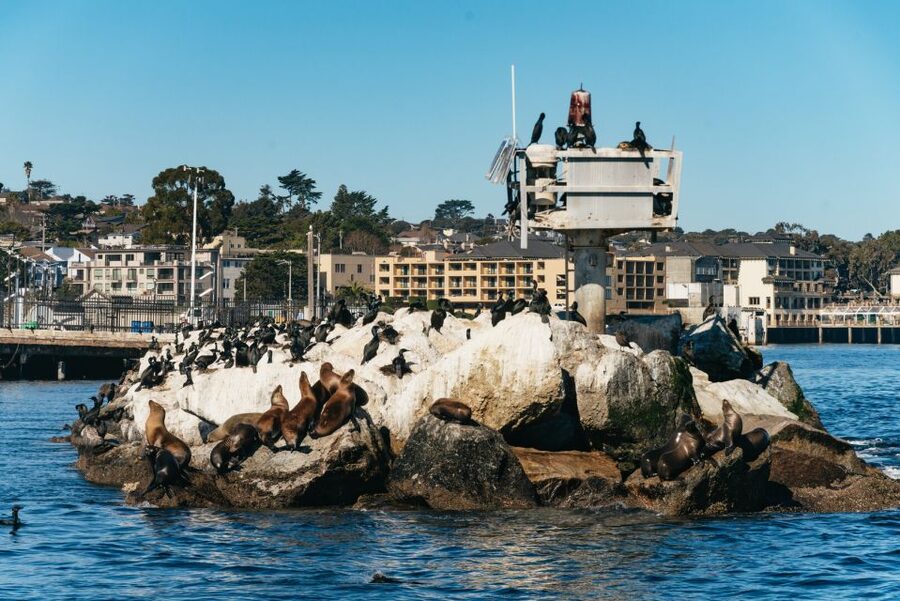
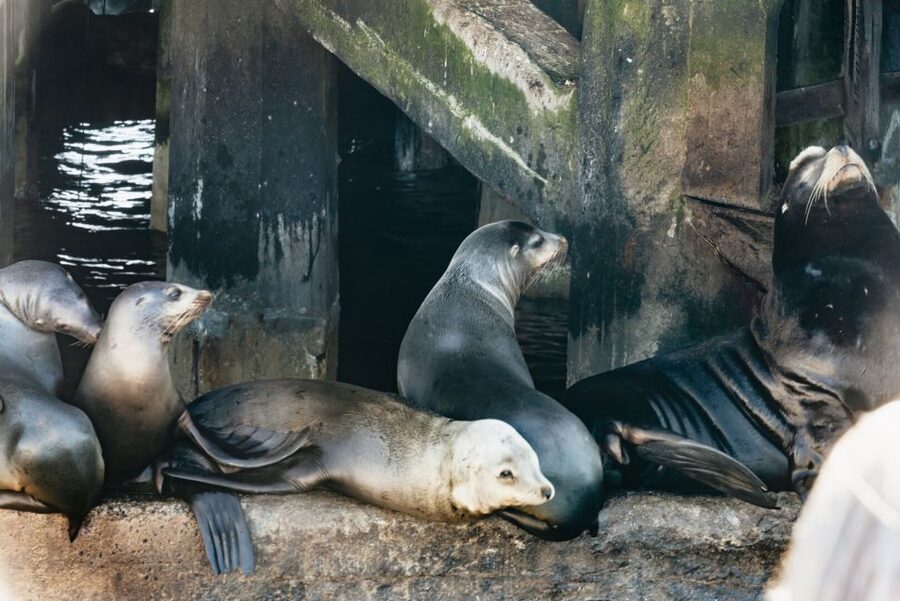
Once the boat leaves the dock, look into the harbor for California sea lions. Hundreds may gather there, making the first wildlife sighting almost immediate. It is a good reminder that the bay’s animal life begins before you reach open water.
Passing Cannery Row and Entering Protected Waters
The boat passes Cannery Row before reaching the Monterey Bay National Marine Sanctuary. This short opening section gives you a coastal view and helps you settle into the rhythm of the trip.
Cannery Row is closely tied to Monterey’s former fishing and canning industry, but from the boat your attention will likely stay on the water. Keep your camera ready, but do not spend the whole ride staring at a screen. A whale’s back, blow, or tail may appear for only a few seconds.
The crew gives safety instructions before departure and explains the general plan. The boat has restroom facilities, and hot beverages are included. You may also bring a small packed lunch and non-alcoholic drinks. Food is not included, so carrying something small makes sense on the longer morning trip.
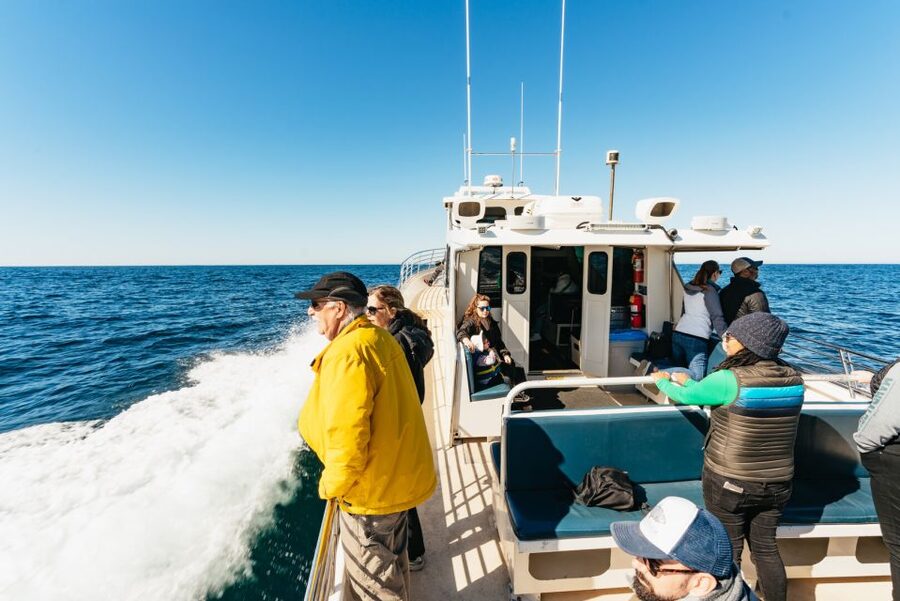
The vessel’s size is an important detail. A boat carrying about 25 people gives you a better chance to shift sides and find a clear sightline than a crowded, high-capacity vessel. That does not guarantee a perfect view for every person, but it makes the experience feel less cramped and more personal.
Summer and Fall: Following Feeding Humpbacks
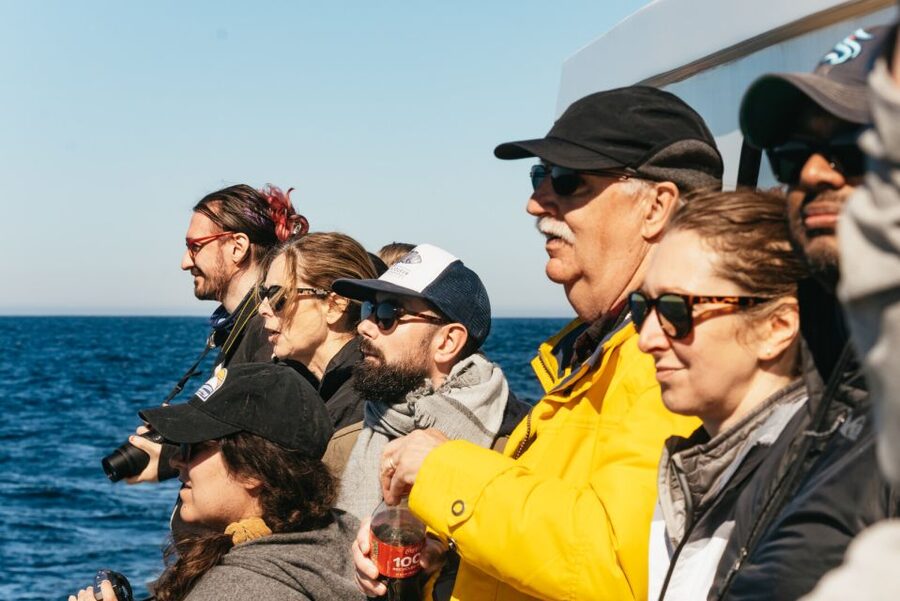
From summer through fall, the crew focuses on feeding whales. Humpback whales are the regular stars, and they may appear singly or in groups. Their feeding behavior can attract seabirds, sea lions, and dolphins, creating the sort of busy scene that makes Monterey Bay special.
You might see a humpback surface, blow, roll, and disappear. If you are lucky, one may breach or slap its fins. Several outings in late summer and early fall produced sightings of roughly 10 to 30 whales, including breaching animals and groups feeding together.
The possible list is impressive:
- Humpback whales
- Blue whales
- Fin whales
- Gray whales
- Killer whales
- Several dolphin species
- Porpoises
- Sea lions, seals, and sea otters
Blue whales are especially memorable because of their enormous size, but they are not guaranteed. One July trip included a blue whale and calf, while another September trip produced many humpbacks and a blue whale. These are fortunate encounters, not promises built into the ticket.
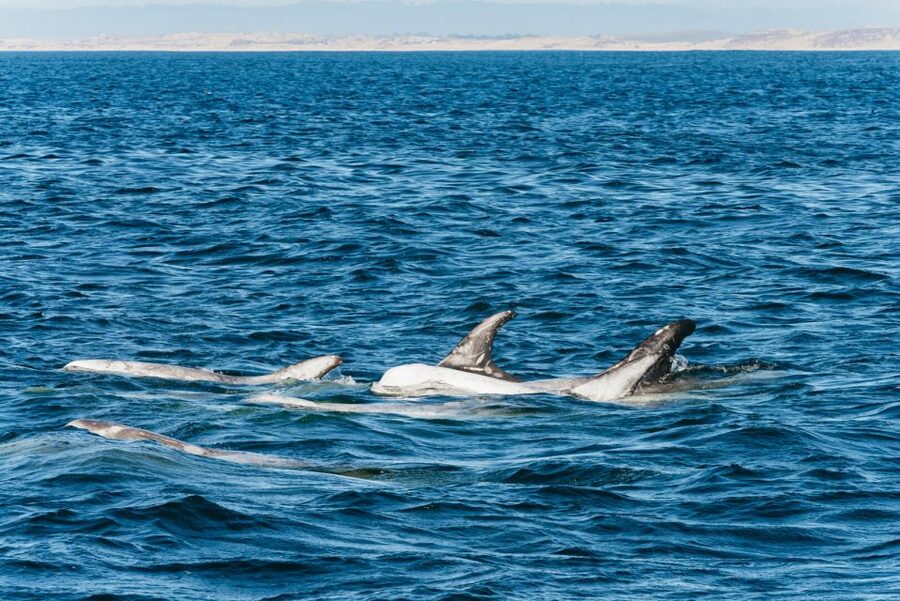
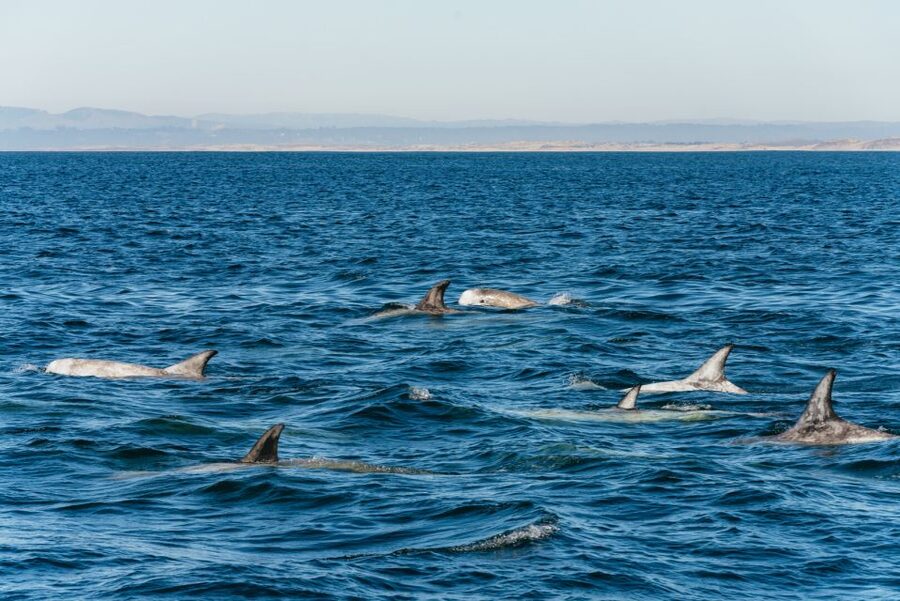
The dolphin sightings can be just as entertaining. People have seen Risso’s dolphins, short-nosed common dolphins, and white-sided dolphins. One outing included a rare all-white dolphin known as Casper. Dolphins may ride the bow, giving you a fast, close-moving subject that is easier to watch than a whale that surfaces only briefly.
Morning summer and fall cruises last about 3.5 to 4 hours. That longer schedule gives the captain more time to search and can make the $75 fare a better deal, especially on a day with many sightings. The afternoon tours run about 2.5 to 3 hours year-round, so check the exact option and departure time before booking.
A few more options to weigh up in Monterey
- Monterey’s 17 Mile Drive Guided Electric Bike Tour, 3 hr
★ 5.0 · 870 reviews - Monterey: Sunset Whale Watching Cruise with A Guide
★ 4.7 · 519 reviews - Whale Watching Tour
★ 4.5 · 497 reviews - From San Francisco: Monterey and Carmel Day Tour
★ 4.4 · 476 reviews
Winter Trips and Migrating Gray Whales
Winter changes the purpose of the cruise. Instead of concentrating mainly on feeding areas, the boat heads toward the south end of Monterey Bay to look for migrating whales, especially gray whales.
Gray whale sightings can be magical, but winter weather deserves respect. December is not always considered the strongest period for whale watching, yet one early December trip still produced around 10 whales, along with more dolphins and sea lions. Another February outing found migrating gray whales and gave the group excellent views.
Winter morning cruises usually last 2.5 to 3 hours. Afternoon trips also run about 2.5 to 3 hours throughout the year. That shorter duration does not make the trip poor, but it gives the crew less search time than a long summer morning cruise.
Cold, rain, and wind can affect your comfort even when the wildlife is active. One November trip remained enjoyable despite cold rain because the guides kept the educational side lively. Bring layers, sunglasses, a hat, and sunscreen. Cloudy weather does not mean you can skip sun protection, and the open water can feel colder than the shore.
The Biologist Makes the Difference
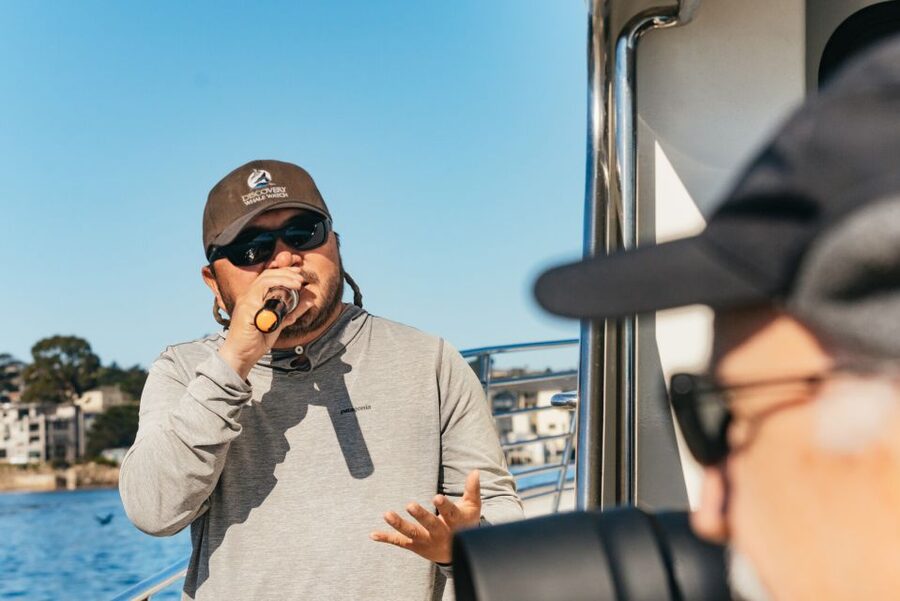
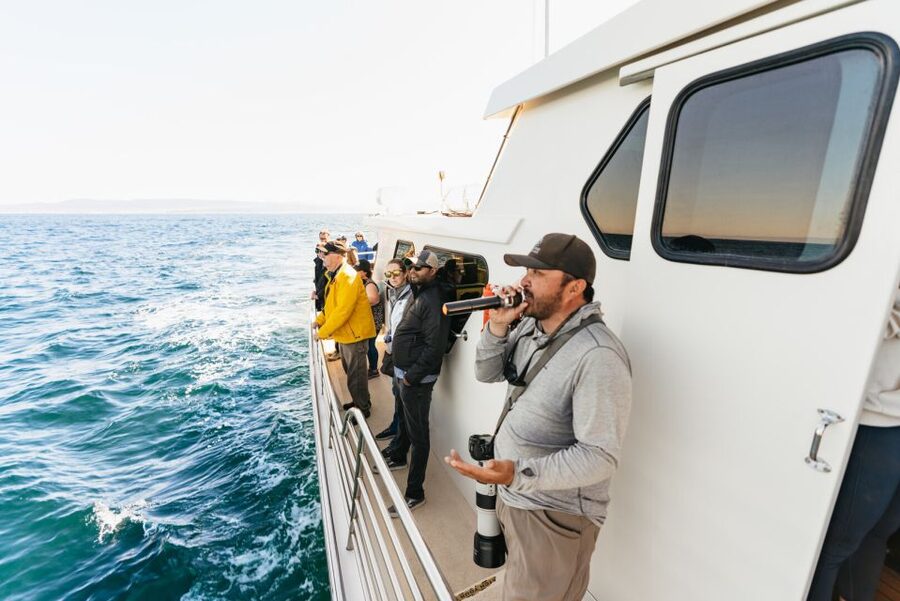
The guide is not just there to point at a fin. The onboard biologist explains animal behavior, identifies species, and adds context about conservation. That makes a brief sighting more meaningful.
Isaiah received repeated praise for his humor, photography, and clear explanations. He also sang sea shanties on one trip, which is a fun touch if you like a little personality with your natural history. Maddy and Sophie were described as warm and enthusiastic, while Maddy and Ryan handled a winter trip with strong explanations about migrating whales.
Different guides will lead different departures, so you should not expect one particular person every time. Still, the pattern is clear: the educational side is one of the tour’s strongest features. The crew answers questions, explains safety procedures, and tries to keep the mood upbeat without turning the boat into a noisy entertainment show.
Some guides also take photographs during the trip. Isaiah provided images that were better than many phone pictures, and one passenger appreciated having access to them afterward. This is useful because your best whale moment may happen too quickly for you to frame it yourself.
What the Boat Ride Feels Like
A whale-watching cruise is not a calm harbor sightseeing ride. The boat can bounce, roll, and move through large swells. One person became very seasick despite having a wonderful wildlife experience, while another followed the advice to take motion sickness tablets and had no trouble in choppy conditions.
If you are prone to seasickness, take the issue seriously. Remedies are available for purchase at the office, and you may bring your own. Eat sensibly, drink water, and keep your attention on the horizon when possible. The crew has helped sick passengers with care and ginger candy, but prevention is still your best tool.
Wear comfortable shoes with a good grip. Bring a warm layer even on a sunny Monterey day, plus a hat, sunglasses, and sunscreen. You can bring a small lunch and non-alcoholic beverages. Smoking, alcohol, and drugs are not allowed.
Friendly dogs are permitted aboard. That is convenient for some families, though you should think honestly about how your dog handles noise, motion, and a long boat ride. Pregnant women and people with mobility impairments should not book this activity, according to the operator’s restrictions.
Is $75 a Fair Price?
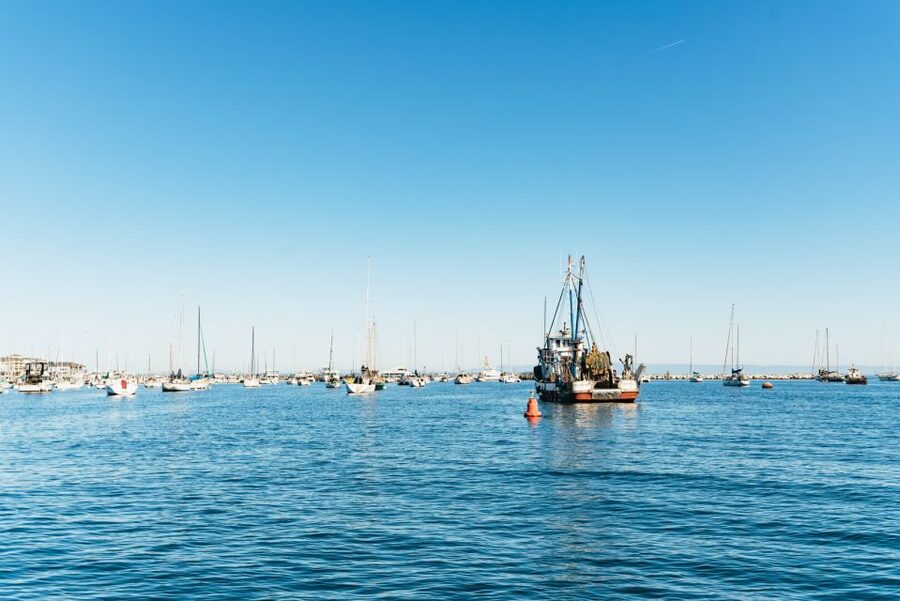
At $75 per person, this is not a bargain attraction, but it can be good value. You are paying for several hours on the water, a biologist guide, hot drinks, a captain and crew, and access to one of California’s best marine viewing areas.
The value improves when you see multiple species or spend sustained time with whales. A trip with 15 humpbacks, dolphins, sea lions, and a blue whale feels like a strong use of the money. A trip with fewer sightings may feel less satisfying, especially if rough seas keep you inside or make the ride uncomfortable.
The smaller boat helps justify the fare. You have more room to move, and the experience feels less packed. The crew also works to locate animals rather than simply cruising a fixed route. Still, wildlife is unpredictable, so book this because you want time on the ocean and a chance to see wild animals, not because you expect a guaranteed breach.
Free cancellation up to 24 hours before departure and the reserve-now, pay-later option make planning easier. You can hold a place without paying immediately, then keep an eye on the weather and your wider Monterey schedule.
Who Will Enjoy This Most?
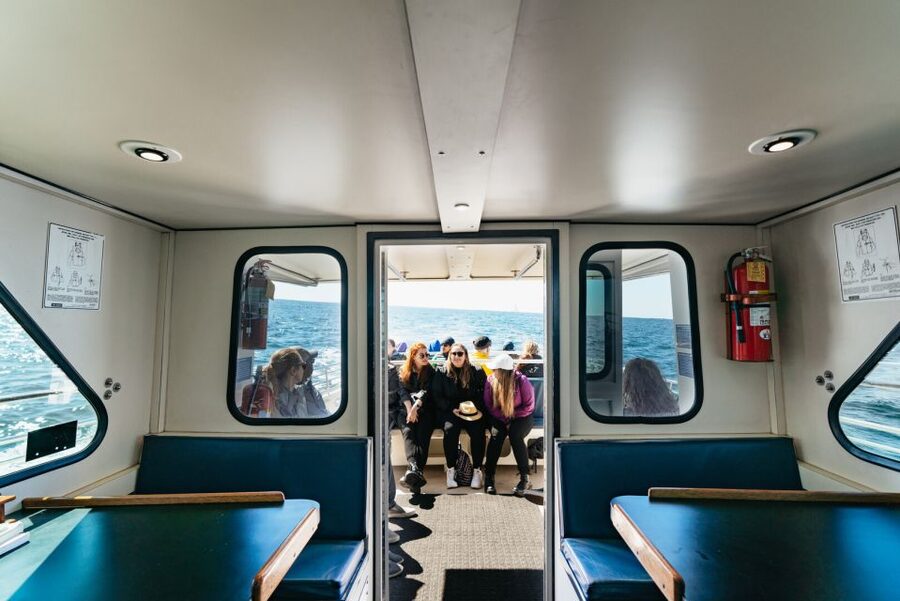
I would recommend this cruise to families with older children, couples, solo visitors, and anyone with a real interest in marine life. Children around nine and thirteen have enjoyed the trip, especially when the guide keeps the explanations lively.
It also suits people who value learning along with sightseeing. The biologist gives you a better understanding of feeding patterns, migration, species differences, and conservation. You may remember the animal facts long after the exact location of each whale has faded.
This is less suitable for anyone who dislikes open-water motion, needs step-free access, or has a rigid schedule afterward. Pregnant women and people with mobility impairments should choose another Monterey activity.
Practical Details That Can Save Your Day
Plan to arrive 45 minutes early, not at the listed departure time. Your party needs completed electronic waivers, and a missing form can slow down check-in.
Wear layers. Several people found the open water colder than expected, especially on cloudy or wet days. Keep your camera protected and your sunscreen handy.
Leave extra time after the cruise. The boat may return later than planned if the crew finds wildlife worth watching or needs additional time to locate whales.
If you are choosing between departures, summer and fall morning trips last longer, about 3.5 to 4 hours. Afternoon trips and winter morning trips are generally 2.5 to 3 hours. Pick the longer morning option if wildlife viewing is the main purpose of your day.
The overall rating of 4.8 from about 2,300 ratings fits the strongest parts of the experience: good wildlife access, friendly staff, useful explanations, and a boat that is not overly crowded. The main limitations are the sea conditions, variable return time, and the fact that no wild animal follows a script.
Should You Book Discovery Whale Watch?
Yes, if you can handle the possibility of a rough ride and keep your schedule flexible. The combination of Monterey Bay’s close-to-shore canyon, a small boat, strong guides, and seasonal whale patterns gives you a serious chance at memorable wildlife encounters.
For the best odds of a long outing, choose a summer or fall morning departure. For gray whales, consider winter and check the migration timing. Bring motion sickness medicine, arrive early, and dress warmer than you think you need.
I would skip it only if you need guaranteed timing, dislike boats, or cannot manage the boarding conditions. Otherwise, $75 is a reasonable price for several hours in a protected marine sanctuary, especially when the day produces humpbacks, dolphins, sea lions, and perhaps the rare blue whale or orca.
FAQ
How long is the Monterey Bay whale-watching tour?
The cruise lasts 3 to 4 hours depending on the option booked. Summer and fall morning trips usually last 3.5 to 4 hours, while winter morning and afternoon trips generally last 2.5 to 3 hours.
How much does the tour cost?
The listed price is $75 per person.
Where does the tour depart?
The tour departs from Discovery Whale Watch at 66 Fisherman’s Wharf, Monterey, California.
How early should I arrive?
You should check in at least 45 minutes before departure with the required Coast Guard waivers completed.
What whales might I see?
Possible sightings include humpback, blue, fin, gray, and killer whales. Humpbacks are commonly seen during summer and fall, while winter trips focus more on migrating gray whales.
Are dolphins and sea lions also possible?
Yes. The bay may offer sightings of several dolphin species, porpoises, sea lions, seals, and sea otters, in addition to whales.
Is food included?
Food is not included, but hot beverages are provided. You may bring a small packed lunch and non-alcoholic beverages.
What should I bring?
Bring identification, comfortable shoes, sunglasses, a sun hat, sunscreen, and layers for changing conditions. Motion sickness remedies are also worth bringing if you need them.
Are dogs allowed on the boat?
Friendly dogs are permitted on board. Smoking, alcohol, and drugs are not allowed.
Just added in Monterey
- Monterey Bay Whale Watching★ 4.5 · 316 reviews
- Monterey Whale Watching Tour★ 4.5 · 732 reviews
- 17-Mile Drive Electric Bike Guided Tour★ 5.0 · 401 reviews
- Whale Watching Tour★ 4.5 · 497 reviews
- Elkhorn Slough Wildlife Tour★ 5.0 · 424 reviews
- Carmel Small Group Walking Food & Cultural Tour★ 5.0 · 392 reviews
- Monterey: Whale Watching Tour with A Marine Guide★ 4.7 · 348 reviews
- From San Francisco: Monterey and Carmel Day Tour★ 4.4 · 476 reviews
Whale Watching, compared.
Juneau Wildlife Whale Watching & Mendenhall Glacier
Read our review →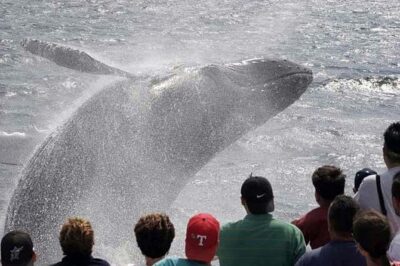
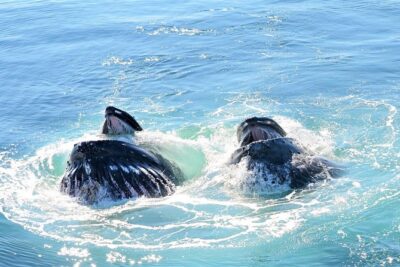
City Cruises Boston Whale Watching Cruise by High-Speed Boat
Read our review →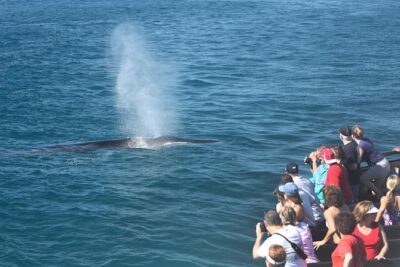
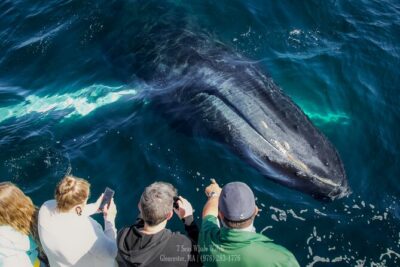
Whale Watching Trips to Stellwagen Bank Marine Sanctuary. Guaranteed sightings!
Read our review →
2-Hour Oahu Whale Watch from Ala Wai Harbor, Waikiki
Read our review →
Monterey: Monterey Bay Dolphin and Whale Watching Boat Tour
Read our review →Browse the lists this tour appears in