
Reviewed · WHALE WATCHING
City Cruises Boston Whale Watching Cruise by High-Speed Boat
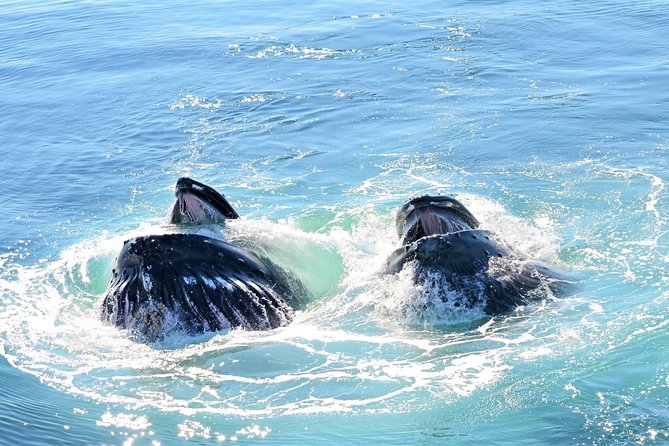
Whales can turn a Boston day into a story. This half-day cruise races from Long Wharf to Stellwagen Bank National Marine Sanctuary, where humpback, fin, minke, and pilot whales feed alongside dolphins and seabirds. I like the excellent naturalist narration, especially the focus on animal behavior, conservation, and scientific tracking. I also like the chance to trade city streets for open water without arranging a separate trip from Boston.
The main caution is simple: this is a long boat ride, and the sea can be rough. Motion sickness is a real concern, and the outdoor decks can feel cold even on a pleasant day. Sightings are never guaranteed, although the crew works in an active marine sanctuary with a strong record of whale encounters.
In This Review
- The essential facts at a glance
- From Long Wharf to open Massachusetts Bay
- Why Stellwagen Bank matters
- What a whale-watching encounter feels like
- The outdoor decks and indoor cabin
- Motion sickness: take the warning seriously
- The price and what you receive
- Timing your Boston whale watch
- Families, solo visitors, and accessibility
- How the crew shapes the trip
- What to bring to Long Wharf
- Should you book this Boston whale watch?
- FAQ
- Where does the Boston whale-watching cruise begin?
- How long does the whale-watching trip last?
- What whales might I see?
- Is food included?
- Should I bring a jacket?
- Is the cruise suitable for people prone to motion sickness?
- What happens if the cruise is canceled?
The essential facts at a glance
- Stellwagen Bank is the main event: You spend the outing in a protected feeding area at the mouth of Massachusetts Bay, not just cruising along Boston Harbor.
- High-speed catamaran: The boat cuts down the time needed to reach open water, giving you more time near the sanctuary.
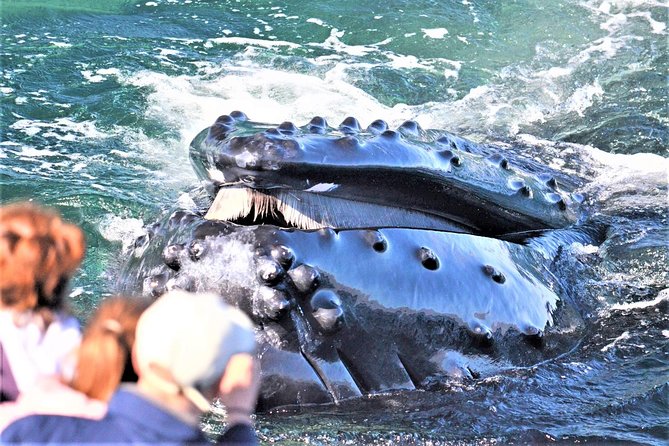
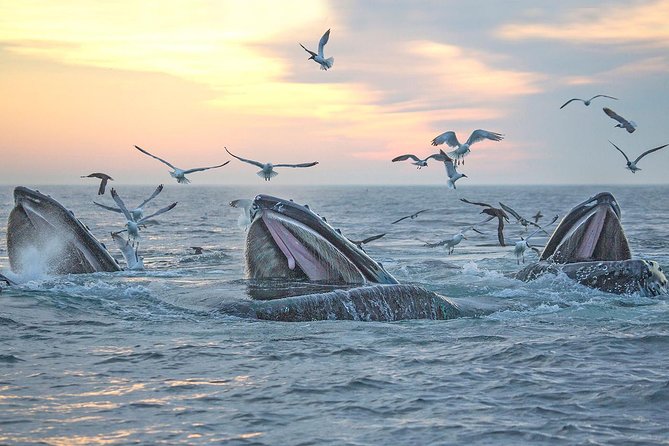
- Wildlife to watch for: Humpback, fin, minke, and pilot whales may appear, along with Atlantic white-sided dolphins and seabirds.
- Naturalist-led experience: An on-board guide shares facts about behavior, conservation, identification, and research.
- Plan for changing weather: Bring a jacket, sunscreen, sunglasses, and something to control long hair on windy days.
- A sizeable boat and crowd: The maximum capacity is 350 people, so your view may depend on when you claim deck space.
From Long Wharf to open Massachusetts Bay
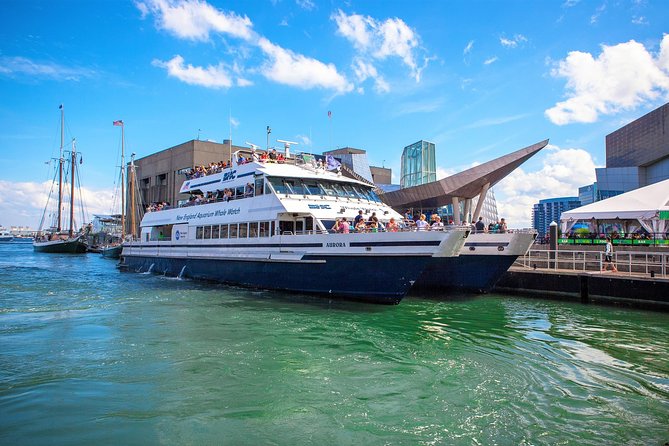
Your outing begins at 1 Long Wharf, a handy downtown location near public transportation. Boarding starts 30 minutes before departure, and you need to arrive early. A late arrival is not a small inconvenience here. Once the boat leaves, it will not wait at the dock.
The high-speed catamaran is air-conditioned and has restrooms, indoor seating, outdoor viewing decks, and a galley selling food and drinks. That mix matters because you will spend about three and a half hours on the water, with roughly an hour or more each way possible between the dock and the feeding area.
As the boat pulls away, you get a different view of Boston than you will from the Freedom Trail or a harbor ferry. The skyline, harbor islands, and sunset can be especially attractive on a late trip. The city views are a pleasant bonus, but the real purpose is to reach the whales.
The ride out can feel smooth on a calm day, but conditions change once you reach open water. One useful strategy is to start with an outdoor spot if you feel well, then move indoors when you need a break. You will have better views outside, but the climate-controlled cabin provides welcome relief from wind and spray.
More Boat Tours in Boston
- Boston Duck Boat Sightseeing City Tour with Cruise Along Charles River
★ 4.5 · 9,378 reviews - Boston: City Cruises Whale Watching Cruise
★ 4.5 · 4,710 reviews - Boston: City Cruises Historical Sightseeing Cruise
★ 4.6 · 1,771 reviews
Why Stellwagen Bank matters
Stellwagen Bank National Marine Sanctuary is a large marine protected area at the entrance to Massachusetts Bay. Its underwater banks help bring food close to the surface, which makes the area useful to whales, dolphins, seabirds, and other marine life.
That setting gives the trip more meaning than a simple boat ride in search of a lucky sighting. You are visiting an important feeding area where wild animals choose to gather. The crew cannot order a whale into position, and the experience changes with weather, season, water conditions, and animal behavior.
The naturalist helps you understand what you are seeing. The narration covers animal behavior, conservation status, and scientific tracking, so the trip has an educational side without feeling like a classroom. Colin, one of the guides praised for his lively presentation, is a good example of the tone to expect: useful facts, enthusiasm, humor, and plenty of help spotting animals.
Bring binoculars if you already own a compact pair, but do not depend on them. The crew points out animals and helps direct attention to blows, fins, flukes, and movement. You may see a whale surface for only a few seconds, so listening closely can be just as useful as scanning the water.
What a whale-watching encounter feels like
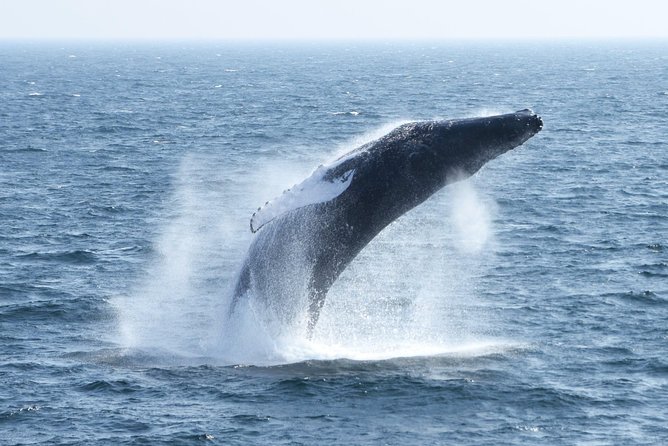
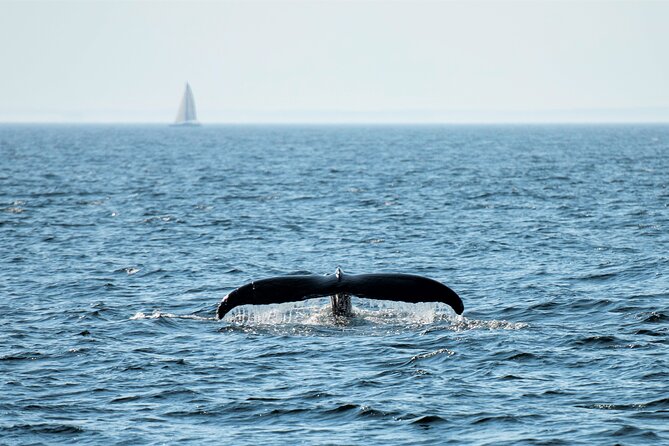
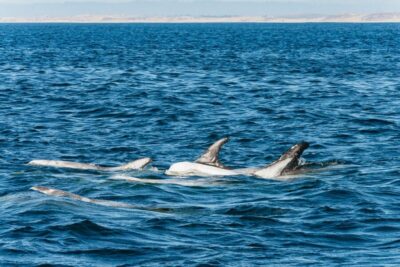
A whale sighting rarely begins with a full view of the animal. You might first see a blow, a patch of dark back, or a fin cutting through the water. Then the whale may surface again, slap a flipper, show its tail, or disappear for several minutes.
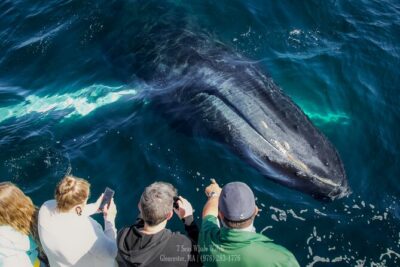
Humpbacks are often the most dramatic possibility. They can surface close to the boat, travel alongside it, or show a fluke before heading below. Fin whales and minkes are also possible, while pilot whales and Atlantic white-sided dolphins add variety to the trip.
Some outings produce several sightings in a short period. You might see two humpbacks together, a group of dolphins, or multiple whales moving through the feeding area. On a particularly fortunate day, a whale may breach or slap its flipper. Those moments are spectacular, but you should not treat them as part of the schedule.
Other trips involve a long wait. You might spend three hours on the water before finding two whales, or return without seeing a whale at all. The sanctuary improves your chances, but nature still sets the timetable. A good attitude makes a real difference. The ride, city views, seabirds, and naturalist talk still give the outing value when the animals remain distant.
The outdoor decks and indoor cabin
The outdoor decks are where you will want to spend time when whales appear. They offer the best chance of seeing the full animal and taking photos without windows between you and the water. The price of that view is wind, cold, and crowding.
Even when Boston feels warm, the ride can be chilly once the boat reaches open water. A light sweater or jacket is specifically advised, and fall visitors should consider something warmer. October and November outings can feel especially cold and windy. Sunscreen and sunglasses remain useful because the sun reflects off the water, even on a cool day.
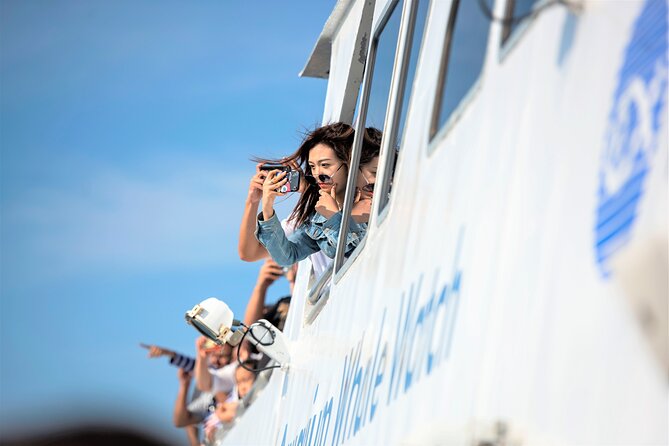
Long hair can become a nuisance in the wind, so bring a hair tie or another way to keep it under control. A phone strap or secure camera grip is also sensible, although the tour information does not promise any special photo equipment or storage.
The indoor cabin gives you a place to warm up, sit down, and rest. It also has a galley with snacks and drinks for purchase. Families can find books, coloring pages, and children’s activities for the longer ride out and back. Food is not included, so you should either eat before boarding or budget for the snack bar.
The boat has restrooms, which is important on a half-day outing. Seating can become limited, though. With a maximum of 350 people, the most popular deck areas may feel crowded, and moving between the cabin and the rail can be frustrating when a whale appears.
More Dinner Cruises in Boston
- City Cruises Boston Historic Sightseeing Harbor Cruise
★ 4.5 · 1,388 reviews - City Cruises Salem High Speed Ferry to/from Boston
★ 4.5 · 727 reviews - City Cruises Boston Codzilla High-Speed Thrill Boat Ride
★ 4.0 · 424 reviews - City Cruises Boston 90-Minute Harbor Sunset Sightseeing Cruise
★ 4.5 · 411 reviews
Motion sickness: take the warning seriously
The biggest practical issue is seasickness. Open water can be choppy, and the high-speed catamaran still moves with the sea. Several accounts describe people feeling dizzy or vomiting, particularly when conditions turned rough.
If you are prone to motion sickness, this trip may not be a good choice. The operator specifically does not recommend it for people who struggle with seasickness. If you decide to go anyway, speak with a medical professional about suitable medication before the trip. The tour does not provide sea sickness medicine.
A jacket and a place to sit indoors can help with comfort, but they will not solve severe motion sickness. If you begin feeling unwell, tell a crew member early. The staff has helped people who felt rough, but prevention is better than trying to endure the entire ride.
The price and what you receive
At $85.56 per person, this is not a cheap add-on. It is a substantial half-day activity, and you should compare it with what that money buys elsewhere in Boston.
The value is strongest if you want a serious wildlife outing without renting a car or organizing transport to the coast. The ticket includes the catamaran cruise, access to the marine sanctuary, narration from a New England Aquarium naturalist, and the chance to see several kinds of marine life. The boat also provides air conditioning and restrooms, which make the long ride easier than a basic open boat.
Food, drinks, and gratuities cost extra. If you are bringing a family, the total rises quickly, especially if everyone buys snacks on board. A crowded boat can also reduce the value for someone who expects a quiet, private wildlife experience.
I think the price is fair for a well-run whale watch with a professional naturalist, but only if you accept that the ticket buys an opportunity, not a guaranteed whale performance. The best value comes when you care about the setting, the science, and the chance to see wild animals, not just a checklist sighting.
Timing your Boston whale watch
The cruise is offered in English and runs for about three hours and 30 minutes. It occupies a large part of your day, so avoid scheduling a museum reservation or dinner too tightly around it. The boat returns to Long Wharf, but weather, sea conditions, and wildlife activity can affect the exact rhythm of the outing.
Late October and early November can bring fewer crowds, but the cold becomes a serious factor. Some outings during that period have had calm, pleasant conditions, while others have been very windy. Peak-season trips may offer more comfortable weather, but the boat can feel busier.
The experience requires good weather and a minimum number of participants. If the operator cancels because of poor conditions or too few bookings, you can choose another date or receive a full refund. You can also cancel for a full refund up to 24 hours before the start time. Changes or cancellations made less than 24 hours before departure are not refunded.
Families, solo visitors, and accessibility
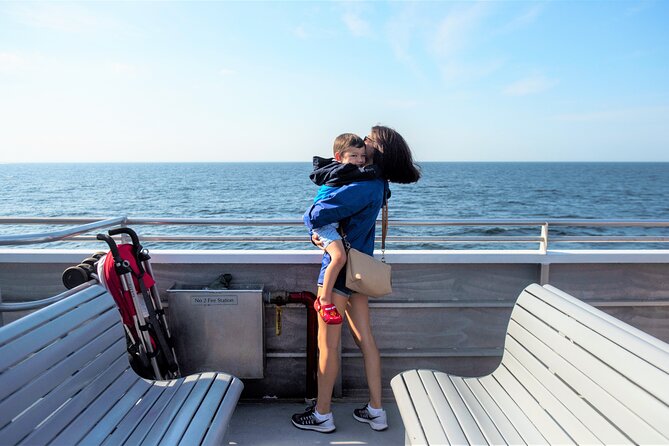
This is a family-friendly choice if your children can handle a long boat ride and changing weather. The on-board activities help during the quieter stretches, and seeing a whale surface near the boat can be unforgettable for young people. I would prepare children for waiting. There may be long periods when everyone scans the water without seeing much.
Solo visitors can enjoy it just as easily as families or couples. You do not need a companion to appreciate the naturalist talk or city views, and arriving early may help you find a good viewing position.
Service animals are allowed, and most people can participate. However, one account points out that the boat is not built specifically for handicapped access. The available information does not provide detailed accessibility measurements, so anyone with mobility concerns should confirm the arrangements with the operator before booking.
The group can reach 350 people. That is useful for keeping the cruise available on popular dates, but it also means you should not expect an intimate expedition. If you want the best chance at a clear rail view, arrive early and be ready to move between viewpoints.
How the crew shapes the trip
The crew does more than drive the boat. Naturalists point out animals, answer questions, explain what a whale is doing, and connect individual sightings with broader conservation work. That guidance matters because a whale can be easy to miss without someone directing your eyes.
The strongest part of the experience is often the crew’s enthusiasm. Guides have been praised for staying engaged even when the wait is long, and for helping people understand the animals rather than simply shouting out sightings. Colin has received special praise for fun facts and an energetic style.
The tone can include corny jokes, but that usually suits a family outing. You get a balance of science and light entertainment. The best guides keep talking without drowning out the excitement of the sightings.
Crew performance also matters when conditions go wrong. A medical emergency once forced a trip to end early, and the staff communicated clearly, helped the injured person, and arranged refunds for everyone. That kind of calm response is worth noting. Boat trips do not always follow the planned script, and professional handling makes a bad surprise easier to accept.
What to bring to Long Wharf
Pack lightly, but prepare for a full day outside.
- A warm jacket or sweater
- Sunscreen and sunglasses
- Water and any personal motion sickness supplies
- A hair tie if you have long hair
- A charged phone or camera
- A small amount of money for food and drinks on board
Arrive at least 30 minutes before departure for boarding. Wear shoes and clothing that you do not mind exposing to wind or spray. The tour information does not promise that food is included, so do not board expecting a free meal.
A good viewing position can change during the trip. You may want to spend time outside, warm up inside, then return to the deck when the naturalist spots activity. Staying flexible is more useful than guarding one place for the entire cruise.
Should you book this Boston whale watch?
Book it if you want a major wildlife experience close to Boston, enjoy learning about marine animals, and can handle a long ride in open water. The best reasons to go are the trip to Stellwagen Bank, the chance to see several whale species and dolphins, and the strong naturalist-led interpretation.
Think twice if you get seasick, dislike wind and cold, or need a guaranteed schedule. Also reconsider if a crowded boat would ruin the outing for you. A whale watch is built around patience and luck, not a fixed show time.
For most visitors, I would treat this as one of Boston’s better non-museum activities, especially when the weather is good and you arrive prepared. The whales may offer a brief blow, a tail, or an astonishing close encounter. You cannot control which one you get, but the sanctuary, crew, and open-water setting give you a worthwhile chance.
FAQ
Where does the Boston whale-watching cruise begin?
It begins at 1 Long Wharf in Boston, Massachusetts. The cruise also returns to Long Wharf at the end.
How long does the whale-watching trip last?
The experience lasts approximately three hours and 30 minutes.
What whales might I see?
Possible sightings include humpback, fin, minke, and pilot whales. You may also see Atlantic white-sided dolphins and seabirds.
Is food included?
No. Food and drinks are available to purchase in the on-board galley.
Should I bring a jacket?
Yes. A light sweater or jacket is recommended because the outdoor decks can be cold and windy, even when conditions in Boston feel mild. Sunscreen and sunglasses are also advised.
Is the cruise suitable for people prone to motion sickness?
No. The experience is not recommended for people prone to motion sickness, and sea sickness medication is not included.
What happens if the cruise is canceled?
If poor weather or an insufficient number of participants causes a cancellation, you can receive a full refund or choose another date or experience. You can also cancel at least 24 hours before departure for a full refund.
More Whale Watching Trips in Boston
- Juneau Wildlife Whale Watching
★ 5.0 · 7,379 reviews - Juneau Wildlife Whale Watching & Mendenhall Glacier
★ 5.0 · 6,236 reviews - Whale Watching Tour in Gloucester
★ 5.0 · 4,460 reviews - Maui Eco-Raft Tour: Eye-Level Whale or Dolphin Watching – Lahaina
★ 5.0 · 2,482 reviews
Just added in Boston
- View Boston Observation Deck Admission Tickets★ 4.5 · 314 reviews
- Delicious Donuts of Boston: A Sweet History Walking Tour★ 5.0 · 1,038 reviews
- Boston’s Freedom Trail: A Revolutionary Walking Tour★ 5.0 · 1,343 reviews
- Freedom Trail Walking Tour 250★ 4.5 · 1,118 reviews
- Sunset Sailing Cruise on a Tall Ship in Boston Harbor★ 4.5 · 414 reviews
- Narrated Sunset Cruise of Boston Harbor★ 4.0 · 532 reviews
- City Cruises Salem High Speed Ferry to/from Boston★ 4.5 · 727 reviews
- Boston’s North End Food and History Walking Tour★ 5.0 · 459 reviews
Whale Watching, compared.
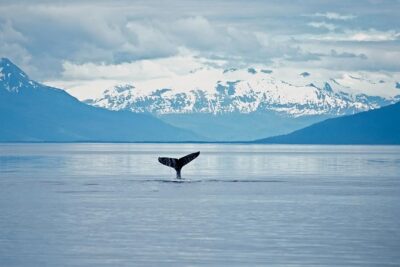
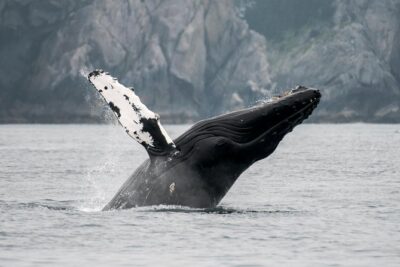
Juneau Wildlife Whale Watching & Mendenhall Glacier
Read our review →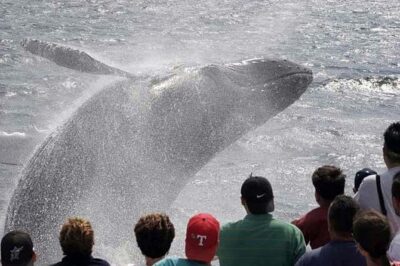
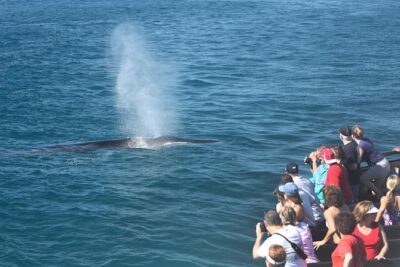
Whale Watching Trips to Stellwagen Bank Marine Sanctuary. Guaranteed sightings!
Read our review →
2-Hour Oahu Whale Watch from Ala Wai Harbor, Waikiki
Read our review →
Monterey: Monterey Bay Dolphin and Whale Watching Boat Tour
Read our review →Browse the lists this tour appears in