
Reviewed · WHALE WATCHING
Maui Eco-Raft Tour: Eye-Level Whale or Dolphin Watching – Lahaina
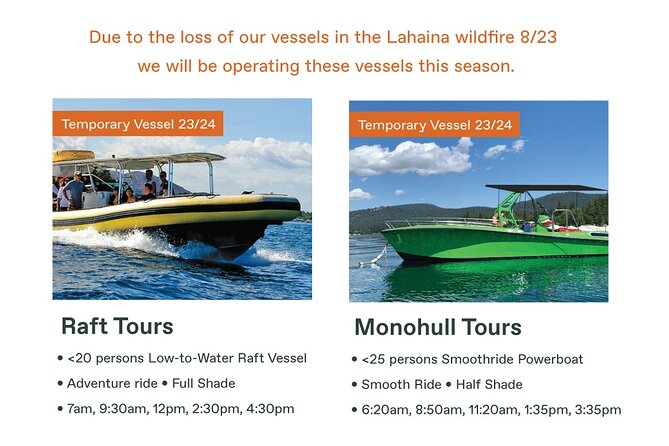
Whales can turn a calm sea into theater. This Lahaina raft tour puts you close to the water for eye-level whale watching from December through April, then switches to dolphin watching and coastal sightseeing in summer. I like the small zodiac raft, which offers open views instead of a high deck, and I like the marine naturalist narration and hydrophone, which add meaning to every blow, breach, and tail slap. The tradeoff is simple: you should expect spray, sun, movement, and no guaranteed close encounter with wild animals.
The tour costs $85.16 and lasts about two and a half hours. That is fair value if you want a focused wildlife trip rather than a party boat, but you need to arrive 30 minutes early at 1223 Front Street in Lahaina. The raft holds no more than 25 people, though several outings have carried around 16, leaving enough room to see and hear the guides.
In This Review
- Key points to know before booking
- Why the low raft changes whale watching
- From 1223 Front Street to open water
- December through April: following Maui’s humpbacks
- The hydrophone makes the water feel bigger
- Summer dolphin trips and coastal views
- What two and a half hours feels like on the raft
- The guides are a major part of the value
- Price, group size, and what you receive
- Who should book this Lahaina raft tour?
- Should you book it?
- FAQ
- Where does the Maui Eco-Raft Tour depart?
- How long does the tour last?
- When can I see whales?
- What happens during the summer months?
- Are whale or dolphin sightings guaranteed?
- Are children allowed on the raft?
- Can pregnant people join the tour?
Key points to know before booking
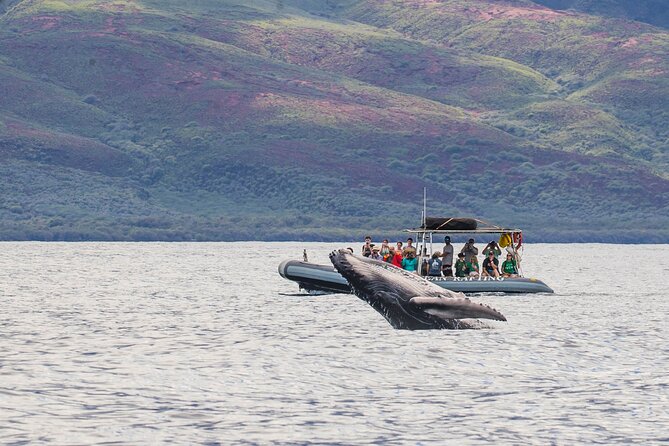
- Eye-level whale watching: The low raft puts you close to the water, giving you a better angle for blows, fins, breaches, and tail flukes.
- Seasonal wildlife: Choose whales from December through April, or dolphins and coastal sightseeing during the summer months.
- Hydrophone on board: In whale season, you may hear real whale songs beneath the boat.
- Strong guiding team: Captains and marine guides such as Jack, Mark, Olivia, Jess, Meredith, and Si have been praised for finding animals and explaining behavior.
- Plan to get wet: Ocean spray and light rain are part of the ride, and shade varies on the boat.
- Important limits: No children under three, no pregnant participants, and no one with back or neck injuries.
Why the low raft changes whale watching
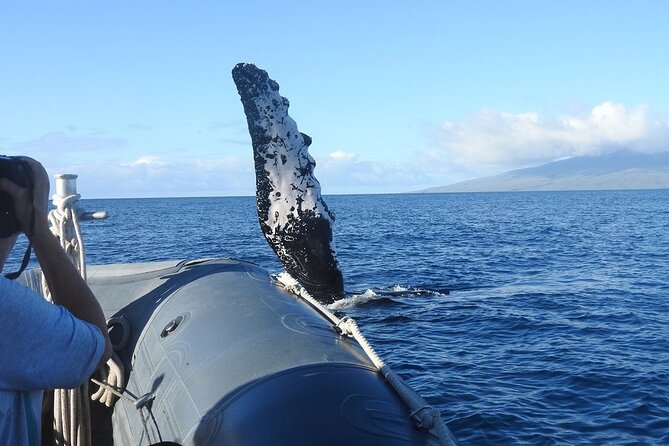
A zodiac raft gives you a different view from a large catamaran. You sit much closer to the water, so a whale’s back, blow, or tail appears at your own level rather than far below a viewing rail. That angle makes even a distant sighting feel more immediate.
The boat also has less visual clutter. On a larger vessel, people can spread across several decks, and the animal may appear on the opposite side just as you reach it. Here, the group is compact, and the captain can stop the raft when whales appear. That helps you keep track of the action and gives the crew a better chance to point out what you are seeing.
The small format does not mean the crew can control the animals. Whales and dolphins remain wild, and close sightings are not promised. The boat might pause near a group, move to another location, or spend part of the trip searching. That uncertainty is part of wildlife watching, not a flaw unique to this tour.
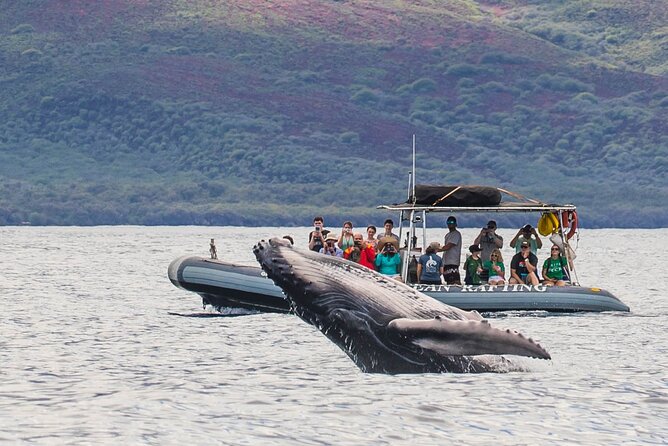
Still, the results can be remarkable. Recent outings have included mothers with calves, male escorts, breaches, pectoral fins, spinning, and repeated tail displays. One group counted 27 breaches, while another saw a baby whale breach roughly 150 yards away. Those moments are luck plus good searching, not a standard performance, so keep your expectations hopeful but realistic.
More Whale Watching Trips in Maui
- From Maalaea: Whale Watching Tour Aboard the Quicksilver
★ 4.5 · 1,461 reviews - Maui: Ultimate Whale Watch from Lahaina
★ 5.0 · 1,162 reviews - WHALES GUARANTEED Maui Whale Watching Makai Adventures
★ 5.0 · 1,081 reviews
From 1223 Front Street to open water
Your day begins at 1223 Front Street in Lahaina. The activity ends at the same meeting point, and there is no hotel pickup or drop-off. The company asks you to arrive 30 minutes before boarding because the raft leaves promptly. Miss that departure, and the trip may be gone without you.
The check-in process includes a boarding pass, which can make the launch more orderly. Parking in the area can be limited, so give yourself extra time if you are driving. One useful tip from the trip details is to look carefully for the Hawaii Ocean Rafting meeting point, since the location may be easier to recognize by its street address than by the company name.
Boarding requires physical mobility. You should be able to manage the boarding location and step onto the raft without assistance from a mobility lift. Shoes may need to come off before entering the boat, so slip-on footwear is a practical choice.
Life jackets are available for emergencies but are not required during the ride. The boat has some shade, though coverage varies, so bring a hat, sunglasses, and reef-safe rub-on sunscreen. Spray sunscreen is not permitted.
December through April: following Maui’s humpbacks
During whale season, the main goal is to find migrating humpback whales off Lahaina. The crew searches the water for blows, splashes, fins, and other signs, then uses the raft’s position to give you a clear view without crowding the animals.
The captain’s role matters here. The crew has been praised for moving between active areas, staying with whales that remain near the surface, and helping everyone see. Captains Jack, Mark, Steve, Darryll, and others have received strong praise for their boat handling and effort. Marine guides including Jess, Olivia, Meredith, Diana, and Si have been singled out for explaining whale behavior in clear, engaging terms.
A good guide helps you understand the difference between a quick blow and a longer surface sequence. You may learn why a mother and calf behave differently, how an escort whale fits into a group, or why the captain chooses to wait rather than race after every distant splash. That turns the outing into more than a photo hunt.
The raft stops when whales are spotted, creating time for pictures and observation. You may see a back roll, tail flip, breach, pectoral fin, or a calf staying close to its mother. You may also see only distant activity. The company does not promise a particular species, number of whales, or distance from the boat.
The hydrophone makes the water feel bigger
The hydrophone is one of the best features of the whale trip. It lets you listen to actual whale sounds beneath the surface, adding a second sense to the outing. You are not just watching a blow rise into the air. You may also hear communication moving through the water.
Several outings have singled out the whale songs as a highlight. Sound can make a quiet moment feel active, especially when the whales are not breaching. You might be watching a calm surface while the hydrophone reveals another part of the encounter below.
The guide narration adds local facts about Maui and the Hawaiian ecosystem. That matters because a short wildlife trip can otherwise become a simple race to find animals. Here, the explanations give you a better idea of what you are observing and why the crew makes certain choices.
A different kind of day out entirely:
- Maui Pineapple Farm Tour in Haliimaile
★ 5.0 · 2,855 reviews - Maui Snorkeling Adventure to Molokini and Turtle Town
★ 4.5 · 2,221 reviews - Maui: Haleakala Sunrise Spectacular with Local Breakfast
★ 4.5 · 2,155 reviews - Maui Snorkeling Adventure From Ma’alaea Harbor to Molokini
★ 4.5 · 1,997 reviews
Summer dolphin trips and coastal views
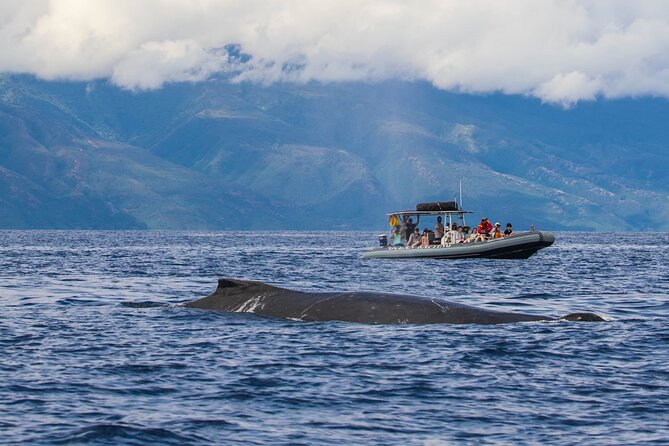
From roughly May through November, the focus changes from humpback whales to dolphins and coastal sightseeing. The same low raft format gives you a close-to-the-water view, though dolphin behavior can be faster and less predictable than whale activity.
The dolphin option includes snacks and beverages. That is useful on a two-and-a-half-hour outing, especially if you are traveling with children old enough to board. The food handling comes with an important warning: snacks may contain or contact gluten, tree nuts, peanuts, shellfish, fish, soy, eggs, dairy, and wheat. If you have a serious allergy, notify the crew in advance, bring required medication, and consider the operator’s advice to consult your doctor before booking.
The whale option does not appear to offer the same snack inclusion, and one outing found the beverage description less generous than expected, with water available upon request. Bring a plastic bottle or can if you want your own drink, since BYOB is allowed in those containers.
Dolphin sightings, like whale sightings, are never guaranteed. Coastal sightseeing helps give the trip another purpose if the animals stay elusive, but you should not book this as a guaranteed wildlife show.
What two and a half hours feels like on the raft
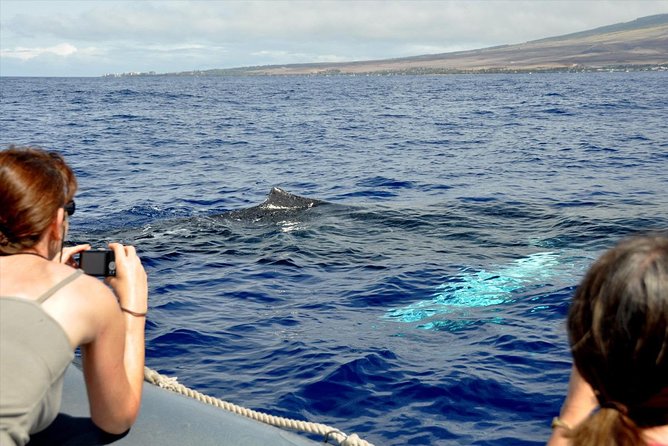
Two and a half hours is a useful length for this kind of trip. It gives the crew time to search several areas without taking up most of your day. One outing described two hours as just right, and the full scheduled time adds enough room for boarding and return travel without making the activity feel like an all-day commitment.
The raft is comfortable enough for the trip, but this is not a dry, cushioned cruise. Ocean spray and light rain can reach you, and the low seating keeps you close to the water. Bring a light jacket that can go beneath a complimentary poncho if the weather turns cool or wet. A poncho alone may not provide enough warmth.
The back seats can have a slightly less favorable viewing angle, especially if the raft is full. Yet sitting toward the rear may put you closer to the captain and marine guide, which can make the narration more personal. If you are choosing seats at boarding, aim for a position with a clear view in both directions, but do not assume any seat will guarantee the best sighting.
The crew may ask people to sit at certain times so everyone can see. That is a good sign of fair boat management. On a small raft, standing or shifting constantly can block someone else’s view and affect safety.
The guides are a major part of the value
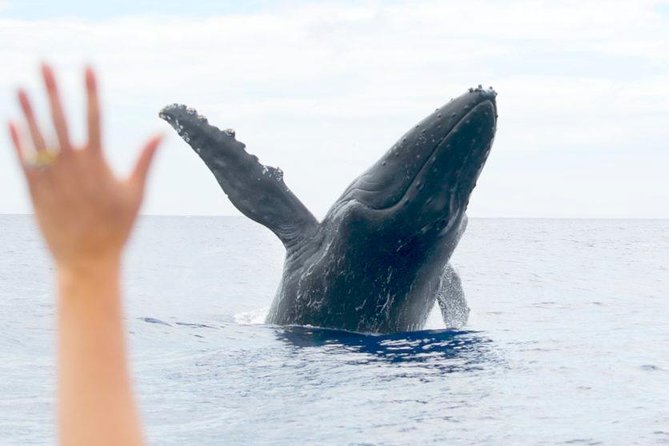
The animals provide the headline, but the crew determines how much you get from the day. Captains Jack and Mark have been praised for locating whales and positioning the raft. Olivia, Jess, Meredith, Diana, Si, and other marine guides have been praised for their explanations, friendly energy, and answers to questions.
That combination is important. A captain who only drives you toward splashes is not enough. A guide who knows whale behavior but cannot help the group see is not enough either. The best outings bring both skills together: careful boat handling, patient searching, clear narration, and reminders that keep the experience fair for everyone.
The crew also appears to handle weather changes sensibly. When rough weather forced one outing to be rescheduled, the operator accommodated the change, and the replacement trip still produced whale sightings and whale sounds. Weather remains a real factor on a low raft, so flexibility helps.
Price, group size, and what you receive
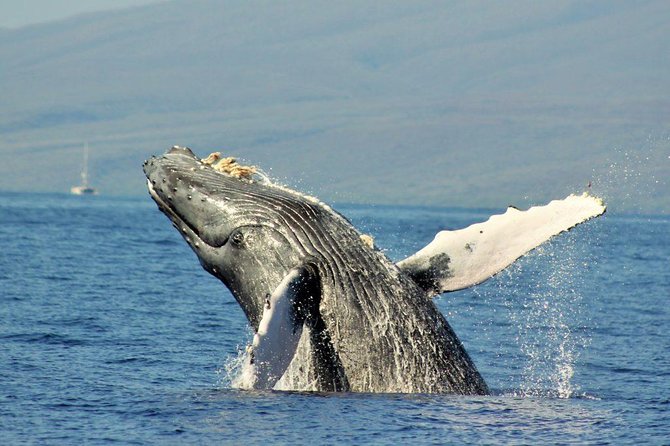
At $85.16 per person, this is not the cheapest way to look for whales around Maui. You are paying for a small raft, a shorter focused outing, naturalist narration, and the chance to listen through a hydrophone. If your priority is an intimate view close to the water, the price is reasonable.
A large vessel may offer more room, more shade, or a smoother ride. This raft gives you a more direct view but less protection from spray and weather. You are choosing access and intimacy over comfort and space.
The maximum group size is 25 people, and several outings have been smaller. That matters because the crew can speak to the group without using a loudspeaker for every comment, and you have fewer heads blocking the horizon. Families, couples, and solo participants can all fit the format, as long as everyone is comfortable with the physical boarding and wet conditions.
The high overall rating, 4.9 from 2,482 ratings with 97 percent recommending the activity, matches the repeated praise for the guides, organization, and whale sightings. I would not treat that as a promise of a perfect trip. Wildlife, wind, rain, and sea conditions can change the result. It does show that the operator has delivered a consistently well-run outing for a large number of people.
Who should book this Lahaina raft tour?
I would choose this trip if you want to be close to the sea, prefer a small group, and care about learning what you are seeing. It is especially suitable for couples, families with children aged three and up, and solo visitors who want a more focused outing than a large sightseeing boat provides.
You should think twice if you are pregnant, have back or neck injuries, dislike getting wet, or have trouble boarding a low raft. Children under three cannot participate. Severe food allergies also require careful planning because the onboard snacks cannot be guaranteed free from cross-contact.
Bring a hat, sunglasses, reef-safe rub-on sunscreen, a light jacket, and a camera that can handle spray. Arrive early, wear footwear that is easy to remove, and keep your schedule flexible enough to handle weather changes.
Should you book it?
Book it if the low-water view is the main attraction. The raft puts you near the surface, the guides add useful context, and the hydrophone gives whale season an extra layer that many basic boat trips lack. The repeated praise for captains Jack and Mark, guides such as Olivia and Jess, and the crew’s ability to find active whale groups adds confidence.
Do not book it expecting a guaranteed breach or a dry ride. Choose the whale option from December through April and the dolphin and coastal sightseeing option during summer. If you accept the wild-animal uncertainty and prepare for spray, this is a strong-value Lahaina outing with a good chance of becoming one of your Maui highlights.
FAQ
Where does the Maui Eco-Raft Tour depart?
The tour departs from 1223 Front Street, Lahaina, Hawaii, and returns to the same meeting point.
How long does the tour last?
The activity lasts approximately two hours and 30 minutes.
When can I see whales?
Whale watching is offered from December through April.
What happens during the summer months?
The summer option focuses on dolphin watching and coastal sightseeing.
Are whale or dolphin sightings guaranteed?
No. The animals are wild, so close encounters and particular sightings are not guaranteed.
Are children allowed on the raft?
Children must be at least three years old. Babies and children under three are not permitted.
Can pregnant people join the tour?
No. The tour is not suitable for pregnant people or anyone with back or neck injuries.
More Dolphin Watching Trips in Maui
- Ultimate 4 Hour Lanai Snorkel and Dolphin Encounter
★ 5.0 · 927 reviews - Little Toot Dolphin Adventure at Clearwater Beach
★ 5.0 · 5,594 reviews - Shell Island Snorkel and Dolphin Catamaran Cruise with Island Time
★ 5.0 · 4,362 reviews - Dolphin and Manatee Stand Up Paddleboard Tour in Daytona Beach
★ 5.0 · 2,328 reviews
Just added in Maui
- Maui: Whale Watching Cruise with Open Bar from Ka’anapali Beach★ 5.0 · 802 reviews
- Maui Premium Sunset Dinner Cruise & Whale Watch★ 4.5 · 504 reviews
- Whale Watching from Ma’alaea Harbor★ 5.0 · 537 reviews
- West Maui Half Day Snorkel from Ka’anapali Beach★ 5.0 · 1,253 reviews
- West Maui and Molokai Special 45-Minute Helicopter Tour★ 5.0 · 759 reviews
- Turtle Reef Kayak Tour of Makena, Maui★ 4.5 · 328 reviews
- Maui Snorkeling Boat Tour to Turtle Town Aboard Quicksilver★ 4.5 · 542 reviews
- Water Bike Tour in South Maui★ 5.0 · 372 reviews
Whale Watching, compared.
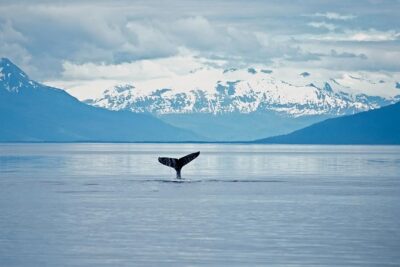
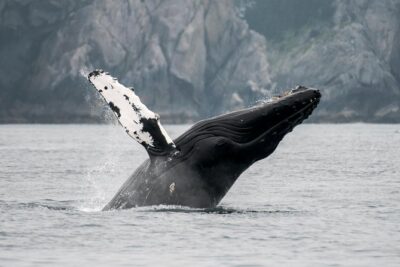
Juneau Wildlife Whale Watching & Mendenhall Glacier
Read our review →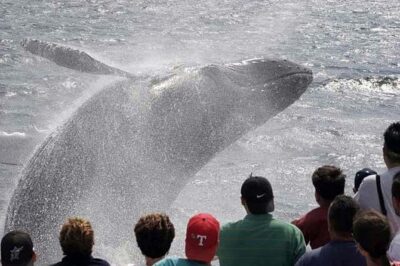
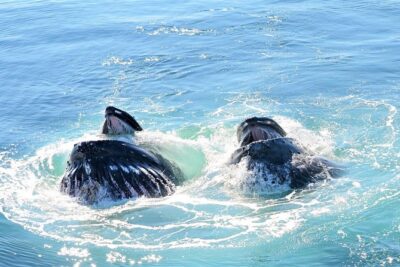
City Cruises Boston Whale Watching Cruise by High-Speed Boat
Read our review →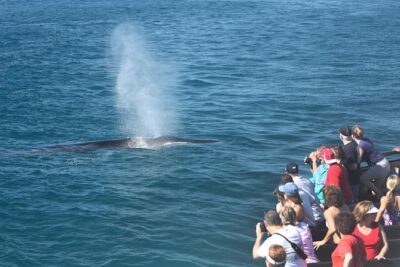
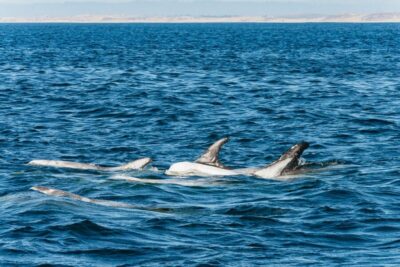
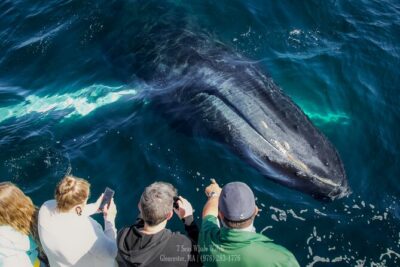
Whale Watching Trips to Stellwagen Bank Marine Sanctuary. Guaranteed sightings!
Read our review →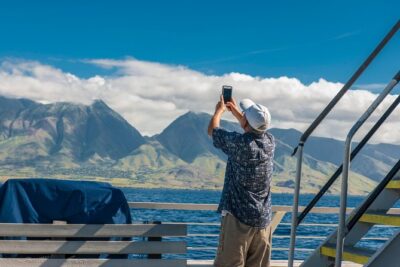
2-Hour Oahu Whale Watch from Ala Wai Harbor, Waikiki
Read our review →Browse the lists this tour appears in