
Reviewed · THE USA
Rock and Roll Hall of Fame Admission in Cleveland
Rock history gets loud here. Cleveland’s Rock & Roll Hall of Fame packs six floors with famous instruments, stage clothes, films, and stories about the artists who changed popular music. I like the freedom to explore at my own speed, and I like that the collection reaches beyond classic rock into hip-hop, pop, R&B, punk, grunge, and soul. The main caution is time: two hours can feel rushed, and some galleries are dark, loud, or crowded with multimedia.
This is a self-guided museum visit, not a guided tour with a fixed route. You can stop for a favorite artist, play with interactive music displays, watch induction ceremony clips, or move quickly through sections that do not match your taste. Reserve ahead if your Cleveland schedule is tight, and check local events before you go, since nearby football games can affect roads and parking.
In This Review
- Key things to know before you go
- Start on the ground floor and work upward
- The induction ceremonies put you in the front row
- Follow the chain of influence in The Beat Goes On
- Meet the major artists through objects and stories
- Cities and Sounds explains why places matter
- Rolling Stone and the wider culture of music
- Interactive features make this more than a walk-through museum
- How long should you spend inside?
- Is $39.50 a fair price?
- Timing, parking, and event-day problems
- Who will enjoy this most?
- Should you book the Rock & Roll Hall of Fame?
- FAQ
- How much does admission cost?
- How long does the visit take?
- Is the visit guided?
- What does the ticket include?
- Are food and drinks included?
- Can I use a mobile ticket?
- What are the opening hours?
- Are children allowed?
- What is the cancellation policy?
Key things to know before you go
- Six floors of music history: Plan at least three hours, and closer to four if you read displays and watch films.
- A truly broad collection: Elvis, The Beatles, The Rolling Stones, Jimi Hendrix, David Bowie, Metallica, the Supremes, Michael Jackson, Guns N’ Roses, Parliament Funkadelic, and many others appear across the galleries.
- Interactive exhibits: The Beat Goes On helps you trace the artists and sounds that influenced your favorite bands. Guitar players may even find a chance to play along with recorded artists.
- Admission is independent: Your $39.50 ticket covers entry, so you can set your own pace rather than follow a group.
- Hours change by season: The museum generally opens daily from 10 a.m. to 5 p.m., with later closing on Thursdays and, in summer, on Thursday through Saturday.
- Mobile entry is convenient: The electronic ticket and app are designed for phone use, including situations when internet service is unavailable.
Start on the ground floor and work upward
The most useful advice is simple: begin on the ground floor and give the building a proper visit. The museum is not a small hall with a few glass cases. It is a large, multi-floor experience, and the route makes more sense when you take time to see the material in sequence.
You will find a mix of permanent displays and special exhibitions. Some rooms are built around a major artist, while others explain a style, city, movement, or turning point in music. The result can feel exciting, but it can also feel disorganized if you expect one neat room for every performer.
The first floor and lower areas can help you get your bearings. From there, allow yourself time to read the wall text, listen to clips, and watch selected films. If you hurry past the explanatory material, you will still see plenty of famous objects, but you may miss the connections that explain why one performer influenced another.
The building can require a fair amount of walking. Comfortable shoes are a smart choice, especially if you hope to see every floor rather than simply visit the most famous galleries.
Other trips worth a look in the USA:
- NYC: SUMMIT One Vanderbilt Tickets
★ 4.7 · 51,195 reviews - NYC: 9/11 Memorial & Museum Timed-Entry Ticket
★ 4.8 · 31,428 reviews - NYC: Empire State Building Tickets – Observatory & Museum
★ 4.7 · 25,757 reviews
The induction ceremonies put you in the front row
One of the museum’s most theatrical sections presents highlights from more than 30 years of Rock & Roll Hall of Fame induction ceremonies. It is designed like a concert production, using film, sound, and lighting to recreate the feeling of a major music event.
This is a strong stop for anyone who enjoys the ceremony side of music culture. You get a sense of the public honors, the speeches, and the shared history of performers who shaped different eras. It is also a good place to pause if you want a more active presentation than a traditional display case.
The lighting deserves a warning. Some of the bright effects around the induction footage can flash directly toward your eyes, and the sound level may be uncomfortable if you are sensitive to loud music. The museum’s energy comes partly from its volume and spectacle, but that same quality will not suit everyone.
If the music feels too loud, move through this section at your own pace and spend more time in the quieter display areas. You do not need to watch every film to make the visit worthwhile.
Follow the chain of influence in The Beat Goes On
The Beat Goes On is one of the most useful exhibits for understanding how music develops. Instead of treating each famous band as an isolated act, it shows the links between performers, styles, and earlier influences.
That idea gives the museum more meaning than a simple collection of celebrity objects. You might arrive wanting to see one favorite artist, then discover the gospel, blues, soul, folk, punk, or rhythm and blues influences that helped shape that sound. The display is interactive, so it works well for visitors who prefer listening and exploring to reading long blocks of text.
This is also a good section for families and mixed-age groups. A child who does not know every performer can still experiment with the connections, while an older music fan may enjoy spotting the relationships behind familiar songs.
The exhibit does not replace a full music education, but it gives you a helpful framework. I would spend time here before rushing to the artist galleries, since it makes the later displays easier to understand.
Meet the major artists through objects and stories
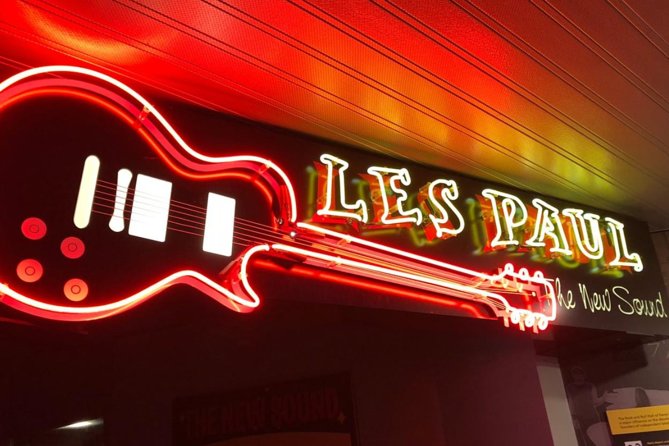
The artist displays are the heart of the visit. The collection includes Elvis, The Beatles, The Rolling Stones, and Jimi Hendrix, along with sections devoted to Guns N’ Roses, David Bowie, the Supremes, Metallica, Michael Jackson, Parliament Funkadelic, and many more.
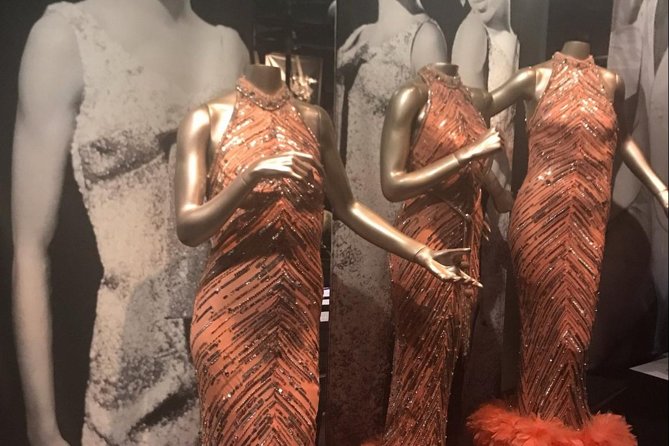
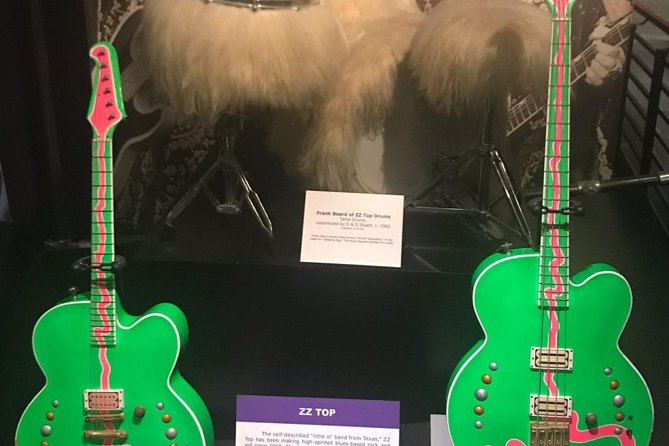
You can expect the usual crowd-pleasers: clothing, instruments, photographs, written material, and objects tied to important careers. These items matter because they make distant music history physical. Seeing what a performer wore or played can give a song, album, or stage persona a more human scale.
The Beatles, The Rolling Stones, Elvis, and Jimi Hendrix displays are natural priorities for first-time visitors. If you have a personal favorite, check the current gallery arrangement when you arrive, since featured exhibitions can change and the museum’s content is not limited to the permanent collection.
Bon Jovi has also received strong attention in the museum’s current mix of displays, and Pink Floyd material has special appeal for fans of the band. The collection can feel like a walk through your own listening life, especially if you grew up with classic rock.
Still, the presentation is not always arranged as one complete biography per artist. Some people may prefer a tidy room devoted to a single performer, while this museum often places artists inside wider themes. That approach gives you more context, but it can make the route feel less orderly.
A different kind of day out entirely:
- NYC: Empire State Building Observation Deck Tickets
★ 4.7 · 22,072 reviews - NYC: Edge Observation Deck Admission Ticket
★ 4.6 · 20,918 reviews - Grand Canyon West, Hoover Dam Stop and Optional Lunch and Skywalk
★ 5.0 · 19,535 reviews - New York City: Statue of Liberty & Ellis Island with Ferry
★ 4.6 · 18,683 reviews
Cities and Sounds explains why places matter
Cities and Sounds shifts the focus from individual stars to the musical identities of different places. Motown, psychedelic music, punk, and grunge appear as examples of styles that put cities in the United States and overseas on the musical map.
This section helps answer a basic question: why did certain sounds emerge in particular places and moments? It connects music to local scenes and shared culture without requiring you to know every band in advance.
I like this approach because it keeps the museum from becoming only a parade of famous names. A visitor who knows little about one artist may still understand how a city’s clubs, musicians, and audiences helped create a recognizable style.
The display also broadens the definition of rock and roll. If your taste runs toward soul, pop, hip-hop, or R&B, you will find more to enjoy here than the name of the museum might suggest. The collection is about musical influence and culture, not just electric guitars.
Rolling Stone and the wider culture of music
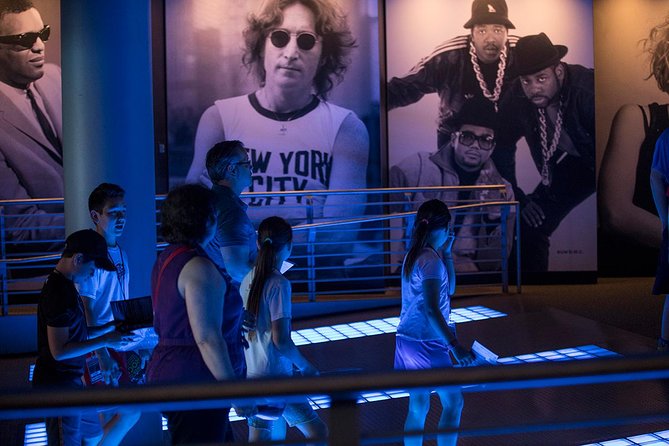
A feature celebrating more than 50 years of Rolling Stone magazine looks at the publication’s role in music, politics, and pop culture. This section places music criticism and journalism beside the performers themselves.
That is useful context. Music does not spread only through recordings and concerts. Magazines, photographs, interviews, reviews, and arguments about culture all shape how artists are understood. The display gives you a chance to consider that wider conversation.
The exhibit may appeal most to visitors interested in the social side of music. If you came only for costumes and instruments, you may move through it quickly. If you enjoy the way music intersects with politics and public life, allow extra time.
Some special exhibitions can receive a large share of attention, so the balance of the visit may change from one date to another. A current Saturday feature, for example, could take more space than you expect. Check the museum’s schedule and allow room for temporary material alongside the permanent galleries.
Interactive features make this more than a walk-through museum

The museum’s displays are not all passive. Interactive stations, music clips, films, and performance-related material give you ways to listen and participate.
If you play guitar, look for the opportunity to play along with a favorite artist. That feature can be a highlight for musicians, while children may enjoy the chance to do something rather than simply look through glass.
The films are worth protecting time for. They help bring together the objects and stories scattered across the building, and they can be especially rewarding when you already know the songs or artists being discussed.
At the same time, multimedia can be overdone. Some visitors find the museum dark and cavernous, and the amount of video and sound may feel tiring after several floors. The air conditioning and lighting have also drawn complaints at times. I would treat the museum as a place to explore in sections, taking pauses instead of trying to absorb every screen and speaker in one push.
How long should you spend inside?
The official visit range is roughly one to four hours, but the shorter end is only realistic if you are selective. Three hours is a practical target for a first visit, while four hours gives you time to read, listen, and watch more of the films.
A two-hour visit can work if you choose your priorities in advance. Focus on The Beat Goes On, the major artist galleries, the induction ceremony presentation, and one or two special exhibitions.
If you want to see all six floors carefully, you may need longer. Some music fans report that even six hours would not be excessive when they stop for every display. That is not a problem if you love the subject, but it can be too much for a companion who has only casual interest.
I would plan the museum as a main activity rather than a quick stop between other Cleveland sights. The building is simply too large for a rushed visit to show its best side.
Is $39.50 a fair price?
Admission costs $39.50 per person, with food and drinks available for purchase but not included. That is not a bargain-basement museum ticket, so the value depends on how much time and attention you give it.
For a serious music fan, the price is easier to justify. You get access to major permanent collections, changing exhibitions, interactive displays, induction ceremony footage, films, and objects tied to many important performers. Four hours inside works out better than a quick one-hour visit.
For a casual visitor, the value is less certain. If you are mainly interested in one artist and plan to leave after seeing a few famous items, the cost may feel high. You can improve the value by setting aside at least three hours and treating the visit as one of your main Cleveland stops.
Food and drinks are not part of the ticket, so budget separately if you expect to spend much of the day inside. The mobile ticket is included as a practical convenience, and confirmation arrives when you book.
Timing, parking, and event-day problems
The museum is open daily, generally from 10 a.m. to 5 p.m. Seasonal late hours are useful: from January through June, Thursdays run until 9 p.m.; in July and August, Thursday through Saturday extend to 8 p.m.; from September through December, Thursdays again run until 9 p.m.
Those hours can help you avoid the busiest part of your day, though you should confirm the exact schedule for your date. Booking an average of 11 days ahead suggests that advance planning is common, especially when your Cleveland visit has little flexibility.
Pay attention to the local event calendar. The museum is close enough to the Browns stadium for a football game to affect road closures, access, and parking prices. One especially frustrating situation involved roads restricted to ticket holders and parking reportedly reaching $55. That is a city logistics issue rather than a museum gallery problem, but it can still spoil the day.
I would check for Browns games and other major events before booking your time. Leave extra time for arrival, and do not assume that a normal downtown drive will remain normal on game day.
Who will enjoy this most?
This is an easy choice for dedicated music fans, especially people with strong ties to classic rock, The Beatles, Elvis, The Rolling Stones, Jimi Hendrix, Pink Floyd, Bon Jovi, or the other featured artists.
It also works well for families. The interactive elements give younger visitors something to do, while the broad range of styles lets different generations find familiar names. Children must be accompanied by an adult, and most people can take part without special arrangements. Service animals are allowed.
The visit may disappoint you if you want a quiet, carefully arranged historical museum with one artist per room. The sound, dark spaces, flashing lights, construction around the site, and heavy multimedia presentation can be drawbacks.
Should you book the Rock & Roll Hall of Fame?
Book it if music is part of your personal story, not merely a subject you vaguely enjoy. The best moments come when you stop to listen, follow an influence from one artist to another, and recognize an object tied to a song or era.
Book it for at least three hours, start on the ground floor, and check for football games or other road closures. The free cancellation policy gives you a full refund if you cancel at least 24 hours before the start time. Cancellations or changes inside that window are not refunded or accepted.
At $39.50, this is a worthwhile Cleveland admission for fans who will use the building fully. If you have only an hour, dislike loud multimedia displays, or want a tightly ordered artist-by-artist museum, save your money or choose another stop. For everyone else, this is a big, sometimes noisy, occasionally uneven, but often memorable celebration of the music that shaped several generations.
FAQ
How much does admission cost?
Admission costs $39.50 per person.
How long does the visit take?
The experience is listed as approximately one to four hours. Allow at least three hours if you want to see several floors, read displays, and watch films.
Is the visit guided?
No. The admission lets you explore the Rock & Roll Hall of Fame independently, without following a tour group.
What does the ticket include?
The ticket includes admission to the Rock & Roll Hall of Fame and its permanent and featured exhibits.
Are food and drinks included?
No. Food and drinks are not included, though they are available to purchase.
Can I use a mobile ticket?
Yes. Mobile ticketing is available. The electronic ticket and app have worked even when internet access was unavailable.
What are the opening hours?
The museum generally opens daily from 10 a.m. to 5 p.m. From January through June, Thursdays run until 9 p.m. In July and August, Thursday, Friday, and Saturday run until 8 p.m. From September through December, Thursdays run until 9 p.m.
Are children allowed?
Yes, but children must be accompanied by an adult.
What is the cancellation policy?
You can cancel at least 24 hours before the experience start time for a full refund. Cancellations or changes made less than 24 hours before the start time are not accepted and are not refunded.
Just added in the USA
- Marco Island 2 hour Dolphin, Birding and Shelling tour★ 5.0 · 503 reviews
- Gulf of Mexico Sunset Cruise from Naples★ 4.5 · 511 reviews
- 3 Hour Guided Mangrove Tunnel Kayak Eco Tour★ 5.0 · 350 reviews
- Mangrove Tunnels & Mudflats Kayak Tour – Local Biologist Guides★ 5.0 · 785 reviews
- Rookery Bay Kayak Adventure – Mangroves, Wildlife & Photos★ 5.0 · 335 reviews
- Clear Kayak Guided Eco Tour in North Naples★ 5.0 · 341 reviews
- Manatees and Mangrove Tunnels Small Group Kayak Tour★ 5.0 · 954 reviews
- Dolphin Watch Eco Shelling Cruise to Keewaydin Island★ 5.0 · 333 reviews