Reviewed · ZOOS
San Diego Zoo Safari Park 1-Day Pass: Any Day Ticket
Africa is closer than you think. The San Diego Zoo Safari Park gives you wide-open animal habitats, long walking paths, and a useful Africa Tram ride that carries you past herds of elephants, zebras, giraffes, and other wildlife. I like the freedom to set my own pace, and I like that admission includes the tram, exhibits, and shows. The main drawback is size: you may walk a lot, and animals can be far away, asleep, or out of sight.
This $78 ticket works best for a half-day or full-day outing, not a quick stop between other San Diego attractions. I especially appreciate the direct phone entry and the park’s conservation work, but special safari trucks, electric carts, zip lines, and other experiences cost extra. The park sits about 40 miles from downtown San Diego, so you need to allow time for the drive.
In This Review
- Key things to know before you go
- What the $78 admission really buys you
- Getting from San Diego to the Safari Park
- Starting with the 1,800-acre park
- The Africa Tram is the best included experience
- Africa’s animals, viewed at their own pace
- Lions, tigers, condors, and the limits of the safari idea
- Walkabout Australia and the smaller encounters
- Food, rest, and the cost of staying all day
- How much walking should you expect?
- What can go wrong on the day
- Who should book this Safari Park ticket?
- Should you buy the Any Day Ticket?
- FAQ
- How do I redeem the San Diego Safari Park ticket?
- Where is the San Diego Safari Park located?
- Is parking free at the San Diego Safari Park?
- What does the ticket include?
- Can children visit the Safari Park?
- Can I use the ticket on a different date?
- What happens if it rains?
Key things to know before you go
- The Africa Tram is included: Ride this 30-minute tram as often as you like, subject to operating conditions and lines.
- The park is huge: The 1,800-acre reserve requires plenty of walking, with some exhibits spread far apart.
- Open habitats change the viewing experience: Giraffes, rhinos, elephants, and antelope may be visible across large fields rather than right beside the path.
- Special safaris cost extra: Wildlife trucks, electric carts, zip lines, and other premium experiences are not part of this ticket.
- Mobile entry is simple: Scan your phone at the turnstiles. There is no Will Call exchange.
- The best visit needs planning: Arrive early, wear sensible shoes, and allow at least four hours for the main park.
What the $78 admission really buys you
At $78 per person, this is not a bargain attraction in the casual, drop-in sense. The ticket earns its keep if you spend several hours exploring the grounds, use the Africa Tram, see multiple animal areas, and take time with the shows and plant collections.
Your admission covers the park itself, all standard animal exhibits and shows, and unlimited rides on the Africa Tram. That is important because the tram is the main included ride and one of the easiest ways to see the park without adding another fee.
The ticket does not cover parking, food, or special ticketed activities. Premium options can include a wildlife safari truck, electric cart tours, zip lines, and other guided experiences. If you want a more intimate or guided animal encounter, expect to pay beyond the admission price.
I would compare the ticket to a full museum or theme park admission rather than to a simple zoo entrance. You are paying for scale, open field habitats, conservation programs, gardens, and a full day of possible activities. If you only want to see a few headline animals, the price may feel high.
Children ages 3 through 11 receive a discounted rate, and children 2 and under enter free. That can make the outing more reasonable for families, though food, parking, and add-on activities can quickly increase the total.
A few more options to weigh up in San Diego
- San Diego Zoo 1-Day Pass: Any Day Ticket
★ 4.5 · 4,248 reviews - San Diego Zoo Admission Ticket
★ 4.7 · 1,332 reviews - San Diego Zoo: 1-Day Admission Ticket
★ 4.6 · 1,150 reviews
Getting from San Diego to the Safari Park
The Safari Park is at 15500 San Pasqual Valley Road in Escondido, California. It is roughly 40 miles from downtown San Diego, with the drive taking about 45 minutes to an hour depending on traffic.
Do not confuse the Safari Park with the San Diego Zoo. They are separate attractions, about 35 miles apart by the park’s own estimate. Visiting both on the same day is technically possible, but I would not recommend it. The Zoo needs at least three to four hours, while the Safari Park deserves four to six hours.
Parking is not free. The lot is privately operated, and the fee can change. Bring a credit or debit card, or cash, and add parking to your budget before deciding that the $78 admission fits your plans. RV and bus parking is available during normal business hours, with staff directing oversized vehicles.
The ticket is mobile and provides direct entry. Take the phone ticket to the turnstiles and scan it. You do not need to stop at Will Call, which saves time at the entrance.
Starting with the 1,800-acre park
The first thing you notice is scale. This is not a compact city zoo where every exhibit sits a few minutes from the next. The Safari Park spreads across roughly 1,800 acres, with walking routes, overlooks, open fields, gardens, food stops, and animal areas connected across a broad property.
That space gives the animals room, but it changes how you should set your expectations. You may see giraffes or rhinos in a large habitat instead of close to a railing. Some animals may be resting, hidden, or off exhibit. The payoff is a more spacious setting, but the tradeoff is less reliable close-up viewing.
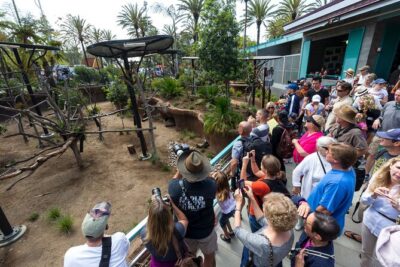
The park follows a generally walkable, circular layout, though signs can be confusing in places. Carry the printed map or use the park information available on site, and ask staff or volunteers for directions. Helpful employees can save you a long wrong turn, especially if you are trying to reach a particular show or viewing area.
The park is open every day of the year, including holidays, from 9 a.m. to 6 p.m. according to the supplied operating schedule. A morning arrival makes sense because some animals are more active early, and you will have more daylight for the long routes.
The Africa Tram is the best included experience
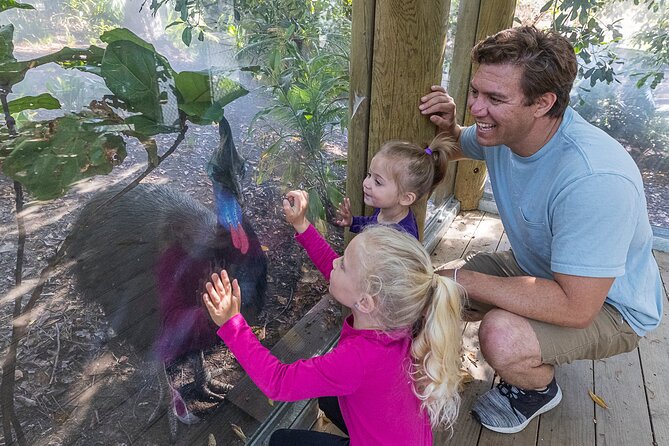
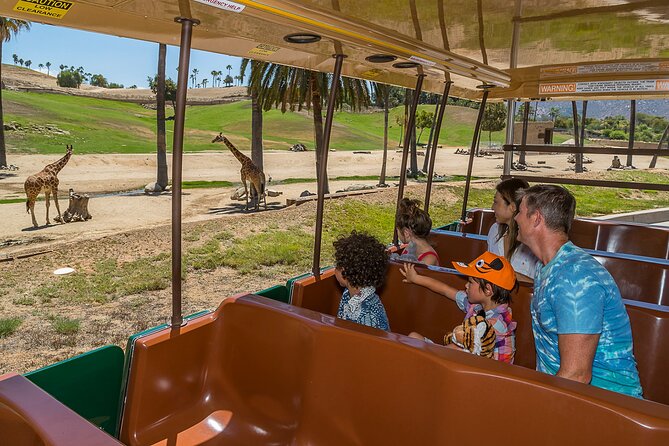
I would make the Africa Tram a priority. The ride lasts about 30 minutes and carries you through the Africa exhibit, where you may see elephants, zebras, giraffes, antelope, storks, crowned cranes, rhinos, and other endangered species.
The tram gives your feet a break and provides a broad view of the open habitats. It also helps you understand the park’s central idea: animals living in larger, more natural-looking spaces rather than small, tightly arranged enclosures.
The ride is narrated, and the guide can add useful context about the animals and conservation work. One guide named Delaney received particular praise for being friendly and well informed, which captures what a good tram ride adds. The quality of the narration can make the difference between simply looking at distant animals and understanding what you are seeing.
The catch is the line. During busy periods, the wait can be long. If the queue is excessive, you may be tempted to pay for a premium safari instead, but that can change the value of your day quickly. I suggest checking the tram early, riding before the busiest part of the day, and returning later if you want a second trip.
Unlimited tram rides are included, but unlimited does not mean immediate boarding. The benefit is flexibility, not a guarantee of short waits.
A different kind of day out entirely:
- San Diego: USS Midway Museum Entry Ticket
★ 4.9 · 3,896 reviews - San Diego Harbor Cruise
★ 4.5 · 2,980 reviews - San Diego Hop On Hop Off Trolley Tour
★ 4.5 · 2,523 reviews - San Diego Whale Watching Cruise
★ 5.0 · 2,317 reviews
Africa’s animals, viewed at their own pace
The Africa trails are where the Safari Park feels most different from a standard zoo. You can follow paths through grassy savanna areas and denser plantings, stopping at overlooks to watch animals spread across the reserve.
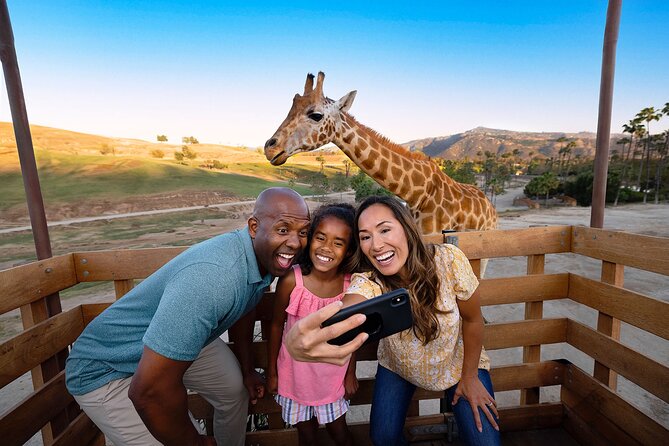
Giraffes may mingle with gazelles. Rhinos may gather near a watering hole. Elephants can forage and play as a family herd. South African cheetahs may rest on a sunny hillside, while birds such as storks and crowned cranes move through the open spaces.
The views can be excellent, but the animals do not perform on schedule. If you visit expecting every animal to be close to the path, you may leave disappointed. A long walk can produce only a handful of clear sightings on a hot or quiet day.
That is why I recommend treating this as a wildlife park, not a guaranteed close-up photo session. Bring patience, move slowly, and use the overlooks. The park’s conservation role also matters here. Many animals are threatened or endangered, including the California condor, and the setting supports breeding, care, and public education.
Lions, tigers, condors, and the limits of the safari idea
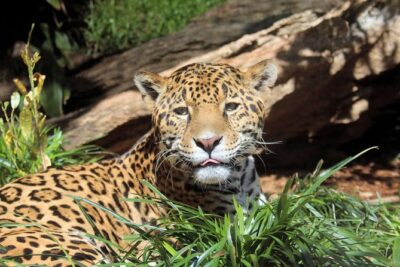
The Safari Park includes walking areas where you can see lions and tigers, along with rare Sumatran tigers and other exotic species. These animals are not necessarily part of the Africa Tram route, so plan to visit their exhibit areas separately.
This is a key distinction. The name Safari Park can create the expectation that every major animal will appear along one tram route. In reality, the park mixes large open habitats with more traditional exhibit areas and walking trails.
The California condor is another worthwhile stop. This endangered bird connects the visit to the park’s conservation mission in a direct way. You are not just looking at an attractive animal; you are seeing a species tied to long-term recovery work.
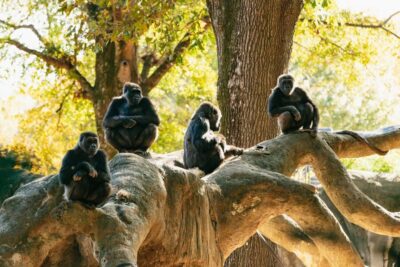
The Gorilla Forest and lion and tiger areas are among the places that can provide more focused viewing. Still, animals can be inactive or positioned away from the best angle. If your children have their hearts set on a specific species, prepare them for the possibility of waiting or trying again later.
Walkabout Australia and the smaller encounters
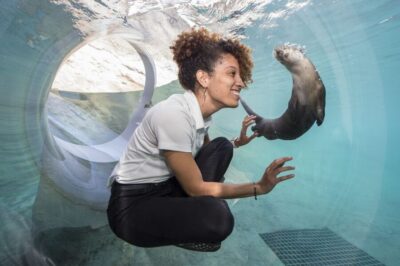
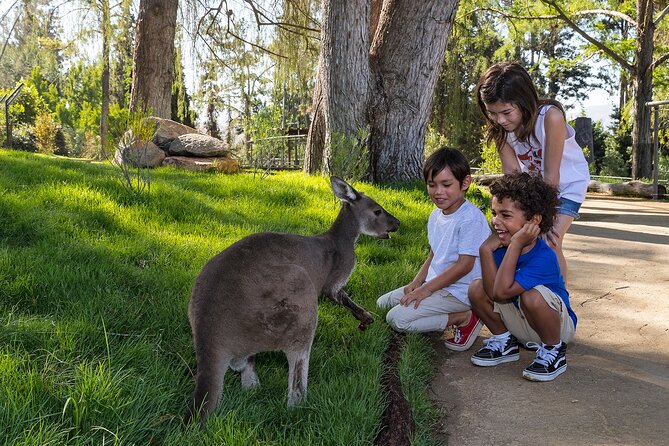
Walkabout Australia adds a different rhythm to the day. You can stroll among kangaroos, which gives the visit a more personal feel than viewing animals across a wide field.
This area is useful when you need a change from the larger Africa habitats. It also helps break up a long day of walking. I would place it between larger exhibits rather than racing through it early, especially if you are visiting with children who need regular variety.
The park also includes extensive plant collections, with more than 1.7 million plants. The gardens are not just decoration. They create the varied settings used for animal habitats and make the walking routes more pleasant, particularly when animal activity is slow.
That said, attractive plants cannot replace animal sightings. On a hot day, you may appreciate the gardens more than the wildlife. Take water breaks seriously, and do not underestimate the heat across the exposed parts of the park.
Food, rest, and the cost of staying all day
Nairobi Village is the main area for a break, with dining and shopping. The Watering Hole at Kijamii Overlook offers full-service dining, while other locations provide casual meals, snacks, and drinks.
You may bring food in small containers. Coolers, glass containers, alcohol, party trays, birthday cakes, and decorations are not allowed, and the park has no food storage facilities. Bringing a few permitted snacks and healthy drinks can help control costs, especially with children.
Food prices add to an already expensive day, so I would plan your meal rather than relying on impulse purchases. The Watering Hole can turn lunch into part of the outing, while quick bites are better when you want to keep moving.
The park has restrooms throughout the grounds, though signage can be clearer in some areas. Ask staff if you cannot find one quickly. A planned stop in Nairobi Village can solve food, restroom, and rest needs at the same time.
How much walking should you expect?
The supplied duration is two to eight hours, but I think four to six hours is a sensible target for most people. Two hours allows only a quick taste, especially if you include the tram and one or two walking areas.
Expect a moderate level of physical activity. The grounds are large, and some animal areas require substantial walking from the central sections. Strollers, manual wheelchairs, and electric scooters are available for a fee. A valid driver’s license or San Diego Zoo Wildlife Alliance membership card is required for rentals.
The park provides accessible parking, restrooms, shows, tour buses, and exhibits. Service animals are allowed. Pets, comfort animals, and emotional support animals are not permitted because the Zoo and Safari Park are treated as quarantined facilities.
Wear comfortable shoes and bring sun protection. The open spaces can feel hot, and a day that sounds leisurely can become tiring once you add hills, waits, and repeated walks between sections.
What can go wrong on the day
Construction or exhibit changes can affect the visit. Elephant viewing, in particular, may be limited at times, and the park has announced changes to that area. Check current conditions before you go if elephants are your main reason for visiting.
You should also accept that a tram ride may not bring you close to every animal. Lions and tigers are generally found in their own exhibit areas rather than as part of the Africa Tram experience. This is not a flaw by itself, but it is an important expectation to set.
Signage is another weak spot. The park layout is manageable, yet some directions and exhibit descriptions may not be as clear as they should be. Staff and volunteers are usually the best source of help, so ask for the most efficient route to the animals or show you want.
Finally, mobile tickets can occasionally create trouble if you cannot access the ticket or are asked to verify an already verified email. Save the ticket to your phone before leaving your hotel, and keep the booking confirmation available. Direct entry is usually simple, but a little preparation protects you from an unpleasant entrance problem.
Who should book this Safari Park ticket?
I would recommend it to families, couples, seniors who can use a scooter, wildlife fans, and anyone who wants a full outdoor day near San Diego. It is particularly good for people who enjoy gardens, conservation, and seeing animals in broad habitats rather than moving quickly from one small exhibit to another.
It is less suitable if you dislike walking, need guaranteed close-up animal views, or have only two hours available. It may also disappoint if you expect a premium safari truck or behind-the-scenes encounter to be included.
Should you buy the Any Day Ticket?
Buy this ticket if you can spend at least four hours at the park and want the Africa Tram, standard exhibits, shows, and walking routes included in one admission. The direct phone entry is convenient, and the ticket date is flexible: the date shown is for reference, and tickets can be redeemed within one year after purchase without a date change.
The $78 price is fair for a long visit with tram access, but only if you use what is included. Add parking, meals, and any premium safari activity before judging the total. My best plan would be an early arrival, a first tram ride, the main Africa habitats, Walkabout Australia, a rest at Nairobi Village, and extra time for the animals you most want to see.
The free cancellation policy is useful if your plans change. You can receive a full refund when canceling at least 24 hours before the start time. Cancellations or changes within 24 hours are not accepted for a refund.
FAQ
How do I redeem the San Diego Safari Park ticket?
Take the mobile ticket directly to the entrance turnstiles and scan your phone. You do not need to exchange it at Will Call.
Where is the San Diego Safari Park located?
The park is at 15500 San Pasqual Valley Road, Escondido, California 92027.
Is parking free at the San Diego Safari Park?
No. The parking lot is privately owned and charges a fee. The amount can change, and payment is accepted by credit card, debit card, or cash.
What does the ticket include?
Admission, all standard animal exhibits and shows, and unlimited rides on the Africa Tram are included. Special ticketed experiences and events are not included.
Can children visit the Safari Park?
Yes. Children ages 3 through 11 receive a discounted rate, and children age 2 and under enter free.
Can I use the ticket on a different date?
Yes. The date shown is for reference. The ticket can be used within one year after purchase, and a date change is not required for travel within that period.
What happens if it rains?
The park remains open every day, including holidays, rain or shine. Some animals may move into off-exhibit areas during heavier rain, while others remain visible.
Just added in San Diego
- Glow Nightime Pedal Boat Rental in San Diego Bay★ 5.0 · 327 reviews
- San Diego Whale Watching Cruise★ 4.5 · 663 reviews
- Small-Group San Diego Afternoon Sailing Excursion★ 5.0 · 531 reviews
- San Diego Bay Sail Aboard a Vintage Yacht Beer and Wine Included★ 5.0 · 331 reviews
- Taste of Little Italy in San Diego★ 5.0 · 869 reviews
- Small-Group San Diego Sunset Sailing Excursion★ 5.0 · 592 reviews
- San Diego Scenic Tour★ 4.5 · 564 reviews
- Champagne Brunch Buffet★ 4.5 · 350 reviews