
Reviewed · SEATTLE TOURS
Seattle: Chihuly Garden and Glass Entry Ticket
Color takes over the room. Seattle’s Chihuly Garden and Glass pairs Dale Chihuly’s huge, fanciful glass sculptures with a carefully planted outdoor garden, all beneath the Space Needle. I like the brilliant colors and the way the exhibition explains how the pieces were made. I also like that a live glass demonstration and audio tour can turn a pretty visit into a more useful art experience.
The main drawback is price. At $45 per person, this is not a cheap stop, especially since many people finish in about two hours. Still, the scale of the Glasshouse and the outdoor garden give it more substance than a quick display of glass objects.
In This Review
- Chihuly Garden and Glass at a glance
- Arriving beneath the Space Needle
- The eight galleries, from delicate forms to giant color
- The Glasshouse and its 100-foot centerpiece
- The garden, where glass meets living plants
- Glass demonstrations and Gallery Talks
- Food, drinks, and a useful pause
- How long should you allow?
- Is $45 good value?
- Who will enjoy this most?
- Practical tips for a better visit
- Should you book Chihuly Garden and Glass?
- FAQ
- Where is Chihuly Garden and Glass located?
- Is this a guided tour?
- How long is the ticket valid?
- What does the $45 ticket include?
- Is Chihuly Garden and Glass wheelchair accessible?
- Are young children free?
- Can I cancel the booking?
Chihuly Garden and Glass at a glance
- The 100-foot Glasshouse sculpture: A long suspended work in red, orange, yellow, and amber fills the 40-foot-tall Glasshouse.
- Eight indoor galleries: Each room presents a different side of Chihuly’s work, from delicate forms to large, theatrical installations.
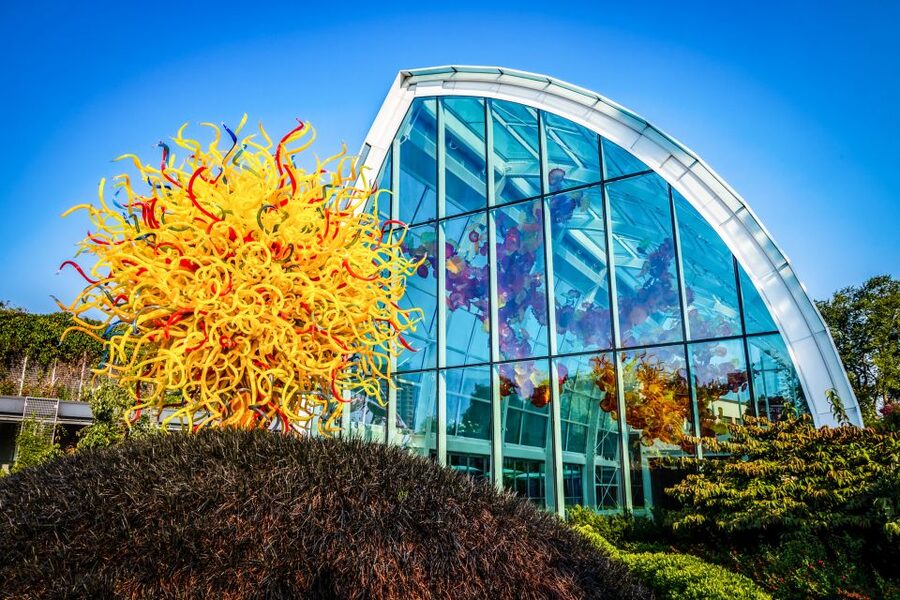
- Glass in the garden: Elaborate sculptures appear among plants, creating strong contrasts between fragile-looking glass and living greenery.
- Live making and artist films: Gallery Talks, glass demonstrations, and short films help explain the craft behind the finished pieces.
- A convenient Seattle Center stop: You can visit near the Space Needle and pair the day with another major Seattle Center attraction.
- Flexible booking: The ticket is valid for one day, cancellation is allowed up to 24 hours ahead, and payment can be made later.
Arriving beneath the Space Needle
You redeem your ticket at Chihuly Garden and Glass in Seattle Center, close to the base of the Space Needle. This is a self-guided visit, so you are not tied to a group or a fixed commentary pace.
One practical point matters at entry. Have your QR code ready and check whether you need to exchange it for a physical ticket at a kiosk or counter. One visitor reported reaching the front of the line, then being sent back to obtain a printed ticket. Other bookings have been easy, but it is worth handling the ticket exchange before you join a queue.
The museum is open 363 days a year, though special events, holidays, and facility work can close all or part of it. Hours can change with the season. Check the official site on the day you plan to go, especially after one visitor found a posted opening time did not match the actual opening.
I would aim for opening time if you care about photographs or a quieter visit. One visitor specifically advised arriving at the start of the day to have more room in the galleries. That advice makes sense here: glass needs space around it, and a crowd can make a small room feel crowded fast.
A few more options to weigh up in Seattle
- Beneath The Streets Underground History Tour
★ 4.5 · 8,006 reviews - Chef Guided Food Tour of Pike Place Market
★ 5.0 · 3,733 reviews - Mt. Rainier National Park Highlights Tour
★ 5.0 · 3,156 reviews
The eight galleries, from delicate forms to giant color
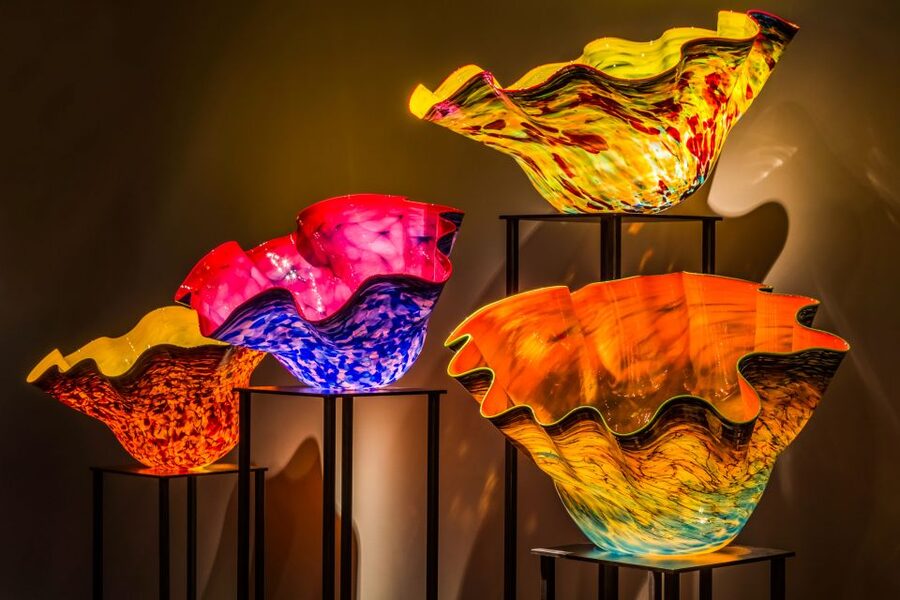
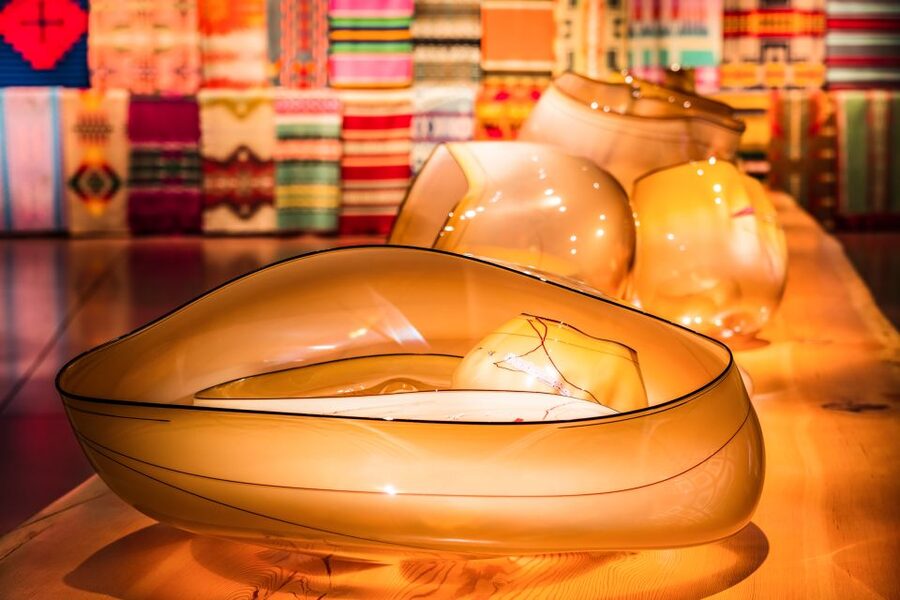
Inside, you move through eight galleries at your own pace. The rooms show how Chihuly pushed hot glass into shapes that can look like flowers, sea life, blown fabric, or something from a bright private dream.
The appeal is visual first. You do not need a background in art to enjoy this place. Curving forms, intense color, and unusual scale do most of the work. Yet the exhibition becomes more rewarding when you stop to consider the difficult process behind each piece.
The glass can look light and soft, but it is the result of heat, timing, gravity, tools, and several people working together. The displays give you close views of surfaces, twists, bubbles, and layered color that photographs often miss.
Several short films feature Chihuly discussing his work and the making of his installations. They are useful because they give context without forcing you through a formal tour. If you want more than attractive photographs, watch at least a couple of them. One visitor stayed for all six films and found that they offered a helpful glimpse into the artist’s ideas.
The smartphone audio tour is included in English. You can use it to add structure to a self-guided visit, or simply wander and listen only when a piece catches your attention. That choice is one of the strengths of this format. You can spend five minutes with a favorite installation and move quickly through a room that interests you less.
The Glasshouse and its 100-foot centerpiece
The Glasshouse is the exhibition’s big dramatic moment. The 40-foot-tall steel and glass structure covers 4,500 square feet and fills with natural light.
Suspended inside is a 100-foot-long sculpture made from many individual elements. Its reds, oranges, yellows, and amber tones create a warm ribbon of color overhead. It is one of Chihuly’s largest suspended works, and the scale gives the visit a clear focal point.
This is the room where the $45 ticket feels easiest to defend. Smaller glass objects reward close looking, but the Glasshouse gives you something impossible to replicate in a cabinet display. You can view the sculpture from below, watch the colors shift with the light, and notice how separate pieces form one long composition.
Give yourself time here instead of treating it as a passage to the garden. Photos are tempting, and the free digital photo download adds value, but the full effect is better when you look up without a screen for a while.
The garden, where glass meets living plants
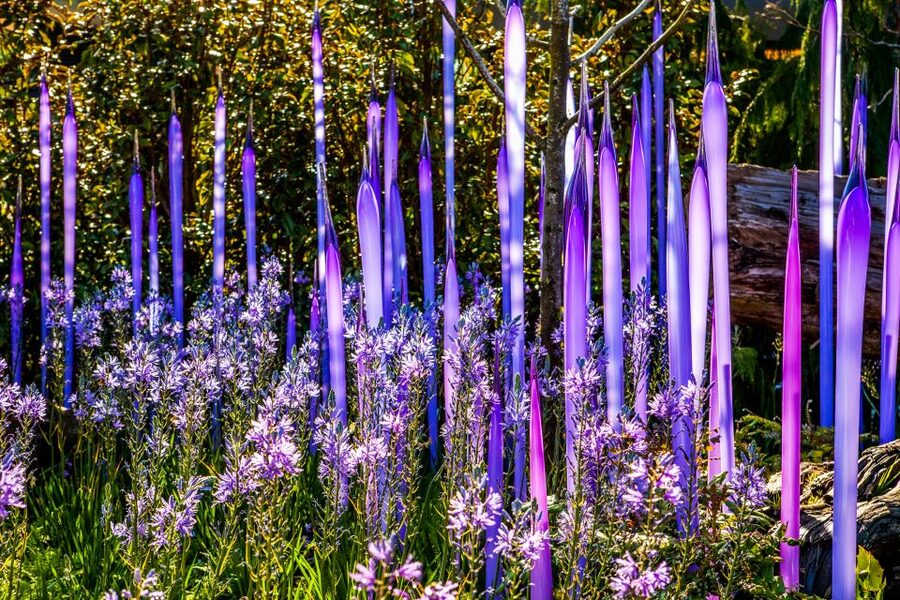
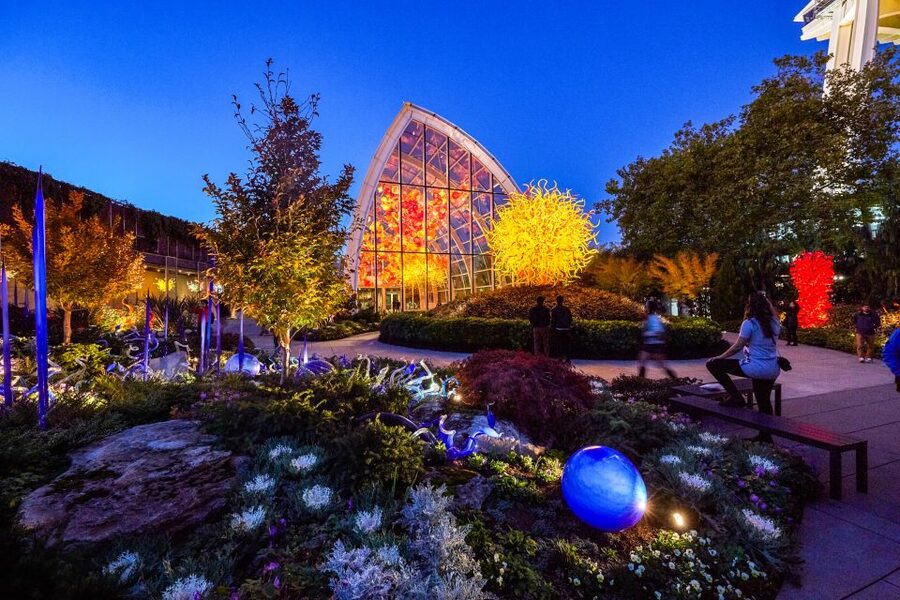
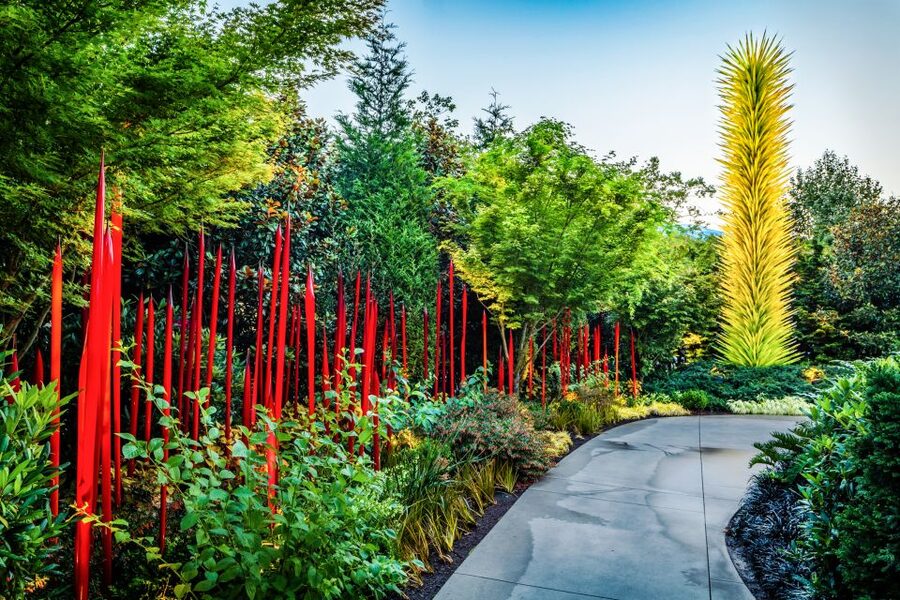
Outside, the exhibition changes character. The garden combines flowers, shrubs, trees, and glass sculptures in a way that makes the art feel less formal.
The planting is not just a backdrop. It frames the glass, softens the hard edges of the exhibition, and gives each piece a different setting. A bright sculpture can appear flower-like among real plants, while a darker form may look more striking against leaves and soil.
This is also the best section for a slower walk. The garden is peaceful, and the outdoor pieces let you step back to see shape and scale. Rain does not necessarily ruin the visit. One person arrived during wet weather and still found the garden worthwhile, though the experience naturally depends on how comfortable you are outdoors.
I would not rush the garden after the indoor rooms. Many people expect the interior galleries to be the main event, then find the garden especially memorable. The outdoor installations are a major reason this feels like more than a standard art museum visit.
A different kind of day out entirely:
- Seattle: Guided Underground Walking Tour
★ 4.6 · 2,144 reviews - Seattle’s Original Guided Harbor Cruise
★ 4.5 · 2,077 reviews - Seattle City Highlights Tour
★ 5.0 · 2,000 reviews - Seattle: Space Needle & Chihuly Garden and Glass Ticket
★ 4.7 · 1,890 reviews
Glass demonstrations and Gallery Talks
A live glass demonstration can add real value to your admission. The makers show tools and techniques while forming objects such as vases and other glassware. The demonstrations described by visitors were more substantial than a quick souvenir-making display, with attention given to the tools and stages involved.
Schedules can change, so check what is running when you arrive. The ticket includes access to daily Gallery Talks and live demonstrations, but the supplied information does not promise a specific time or guarantee that every program will operate during every visit.
If a demonstration is available, plan around it. Watching molten glass change shape helps explain why the finished pieces demand so much control. It also makes the galleries easier to understand. After seeing the process, you may look differently at a twisted edge or an apparently simple curve.
The short films serve a similar purpose. They focus on Chihuly’s own explanations and show how ideas become large installations. Together, the films and demonstration prevent the visit from being only a parade of pretty objects.
Food, drinks, and a useful pause
Chihuly Garden and Glass has a place for craft cocktails and food, so you can add a drink or a bite without leaving the exhibition area. The setting gives you a natural pause between the galleries and the garden.
I would treat this as an optional extra rather than part of the ticket’s core value. The admission covers the exhibition, audio tour, talks, demonstrations, and digital photo download. Food and drinks are additional purchases.
For a full Seattle Center day, though, the bar or cafe can be handy. You can pause after the indoor galleries, then return to the garden with fresh attention. One visitor especially enjoyed the food, drinks, and atmosphere, which suggests this stop can work well when you do not want to turn the whole day into a race between attractions.
How long should you allow?
The ticket is valid for one day, but most people do not need a full day inside the exhibition. About two hours is a sensible starting point if you want to see the galleries, Glasshouse, garden, and at least some film or demonstration time.
Allow longer if you:
- Watch several artist films
- Join a Gallery Talk or glass demonstration
- Take plenty of photographs
- Stop for food or cocktails
- Pair the visit with another Seattle Center attraction
Allow less only if you are making a quick visual stop. The work rewards patience, and the garden can feel hurried if you simply move from entrance to exit.
The museum’s compact size is both a benefit and a limitation. You can see the major sections without exhausting yourself, but the $45 price may feel high if you expect a half-day or full-day museum. One visitor called it a lovely two-hour Seattle activity and still questioned the cost. That is a fair way to view it.
Is $45 good value?
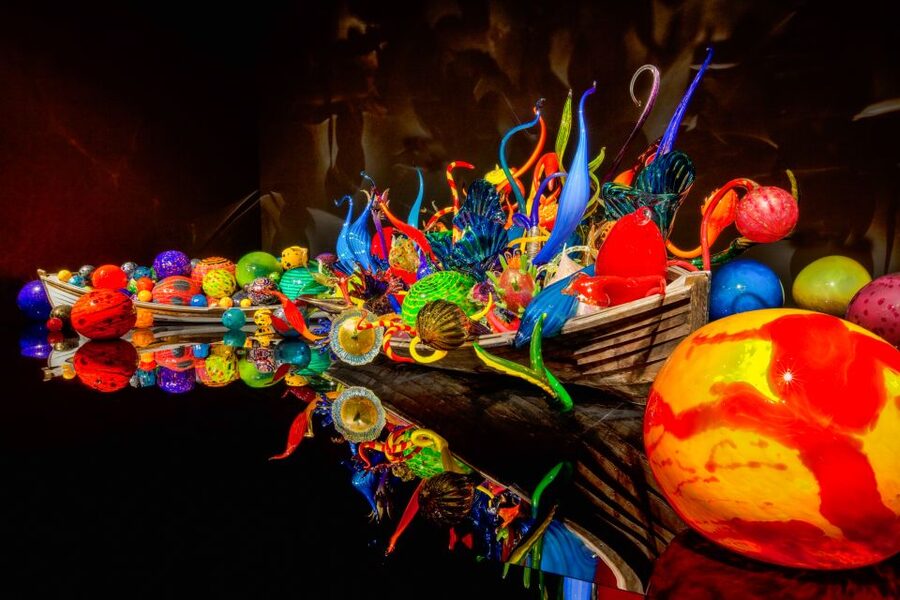
At $45, Chihuly Garden and Glass sits in the paid attraction category, not the casual museum category. I would not compare it with a free public gallery and expect the same price logic. This is a purpose-built exhibition with large installations, a landscaped outdoor area, demonstrations, talks, and the Glasshouse centerpiece.
The value improves if you care about any of the following:
- You have never seen Chihuly’s work at this scale
- You enjoy photography and strong color
- You want a museum that works for adults and older children
- You plan to spend time at Seattle Center
- You will watch the films or a glass demonstration
- You want an attraction close to the Space Needle
The value weakens if you only want a quick look at glass objects, dislike modern installation art, or have already seen several Chihuly displays and want something completely different. Some pieces may feel familiar if you have visited Chihuly exhibitions in other cities. The Seattle location still offers greater scale and variety, but repeat visitors should know what they are buying.
A combined ticket can let you see two Seattle Center attractions in one day, but confirm exactly what your selected booking includes. The information here confirms admission to Chihuly Garden and Glass, while the Space Needle is nearby and may be part of a separate combination option.
Who will enjoy this most?
I would recommend it to couples looking for a visually memorable stop, families with older children, photography fans, and anyone curious about glassmaking. The colors and unusual shapes work across age groups, while the films and demonstrations give adults more to think about.
It is also a good rainy-day choice, with the caveat that the garden is outdoors. On a dry day, the garden may be the part you remember best.
Young children can enter free at age four and under, but the exhibition is still a museum experience rather than a play space. Families should decide how long their children can manage quiet galleries and careful movement around fragile art.
Wheelchair access is available throughout the attraction. The self-guided setup also helps because you can move at your own pace rather than keeping up with a group.
Practical tips for a better visit
Check the official hours: The attraction may close fully or partly for special events, holidays, or facility upgrades.
Arrive early: Morning entry can give you more room for photos and a calmer look at the indoor works.
Prepare your ticket: Keep the QR code accessible, and ask whether you need to print or redeem a physical ticket before entering the line.
Plan for the program schedule: If a live demonstration or Gallery Talk matters to you, ask about the day’s times as soon as you arrive.
Use the audio tour selectively: It is included in English and works well when you want context without following a guide through every room.
Save time for the garden: Do not assume the indoor galleries are the entire experience. The outdoor pieces are one of the strongest parts of the visit.
Carry a camera, but look first: A complimentary digital photo download is included, yet the most impressive details often come from standing beneath the Glasshouse sculpture and seeing it directly.
Should you book Chihuly Garden and Glass?
I would book it if you want a distinctive Seattle Center attraction with large-scale art, an excellent garden setting, and a good chance to see glass being made. The Glasshouse alone gives the visit a memorable center, while the garden adds space and variety.
I would think twice if $45 feels high for roughly two hours, or if you have already seen several Chihuly exhibitions. To get the best value, arrive early, watch at least one film or demonstration, use the audio tour, and pair the visit with the Space Needle or another nearby attraction.
For a first visit to Seattle, this is a strong choice, especially when you enjoy art that is bold, playful, and easy to appreciate without a lecture. It is not essential for every itinerary, but it is one of the city’s more photogenic and unusual stops.
FAQ
Where is Chihuly Garden and Glass located?
It is in Seattle Center, near the base of the Space Needle.
Is this a guided tour?
No. This is a self-guided visit, and an English audio tour on your smartphone is included.
How long is the ticket valid?
The ticket is valid for one day.
What does the $45 ticket include?
It includes admission to Chihuly Garden and Glass, the smartphone audio tour, access to daily Gallery Talks and live glass demonstrations, and a complimentary digital photo download.
Is Chihuly Garden and Glass wheelchair accessible?
Yes, the attraction is wheelchair accessible.
Are young children free?
Children aged four and younger are free.
Can I cancel the booking?
Yes. You can cancel up to 24 hours in advance for a full refund. Reserve now and pay later may also be available.
Just added in Seattle
- Seattle: Half-Day Wildlife and Whale Watching Cruise★ 4.3 · 378 reviews
- Seattle: Pike Place Market Chef-Guided Food Tour★ 4.8 · 847 reviews
- Seattle CityPASS®: Save up to 46% at 5 Top Attractions★ 4.6 · 742 reviews
- Seattle: Harbor Cruise with Local Guide★ 4.8 · 599 reviews
- Seattle: City Highlights Tour★ 4.7 · 416 reviews
- From Seattle: Mount Rainier National Park Guided Tour★ 4.8 · 412 reviews
- Seattle: City Sightseeing Hop-On Hop-Off Bus Tour★ 3.9 · 421 reviews
- From Seattle: Boeing Factory and Future of Flight Tour★ 4.5 · 363 reviews
Seattle Tours, compared.





Space Needle & Chihuly Garden and Glass Ticket
Read our review →
Browse the lists this tour appears in