
Reviewed · WALKING TOURS
Seattle: Guided Underground Walking Tour
Seattle’s best stories sit below street level. This one-hour tour takes you beneath Pioneer Square and through three 1890s passageways, where old streets, storefronts, and construction clues explain how the city grew upward. I like the clear focus on Seattle’s Great Fire and the lively guiding style, with guides such as David, Eowyn, and Jim earning especially warm praise. The main drawback is practical: six flights of stairs, uneven ground, and no elevator make this a poor choice for anyone with mobility limits.
For $31, I think this is a fair buy if you want context before visiting Seattle’s other sights. You get a compact lesson in the city’s beginnings, destruction, and rebuilding, plus a place most visitors cannot understand from street level alone. Just wear sturdy shoes and remember that the underground spaces are historic, not polished museum rooms.
In This Review
- Key points at a glance
- Why Seattle has a city underneath it
- Meeting beneath Cherry Street Coffee
- The first passageways and Seattle’s early shape
- The Great Fire and the city’s hard reset
- How Seattle raised its streets
- What the one-hour pace feels like
- The atmosphere below Pioneer Square
- Is $31 good value?
- Who should book this Seattle tour?
- My verdict on the underground walk
- FAQ
- How long is the Seattle Underground Walking Tour?
- How much does the tour cost?
- Where does the tour meet?
- How many underground passageways will I see?
- How much of Seattle does the tour cover?
- Is the tour conducted in English?
- How many stairs are on the route?
- Is the tour suitable for people with mobility impairments?
- Can I bring a stroller?
- What should I wear or bring?
- Are pets allowed?
- Can I cancel my booking?
- Can I reserve now and pay later?
Key points at a glance
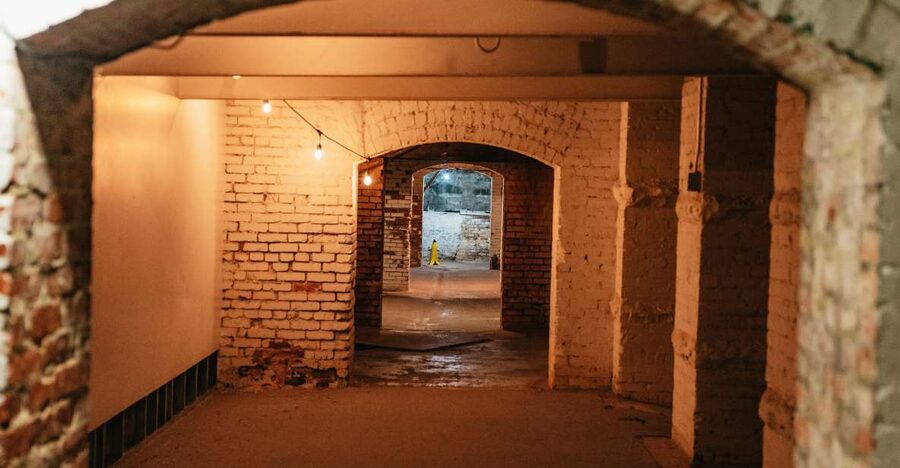
- Three buried passageways: Walk through sections built in the 1890s beneath Pioneer Square.
- The Great Fire explained: Learn how the fire reshaped Seattle and led to major rebuilding.
- A city raised above its old streets: See how retaining walls and fill created roads several feet above the original grade.
- A strong guide-led experience: The best part is the storytelling, with humor, local detail, and plenty of unusual facts.
- One hour, six flights of stairs: The short length fits easily into a day, but the route is not suitable for people with mobility impairments.
Why Seattle has a city underneath it
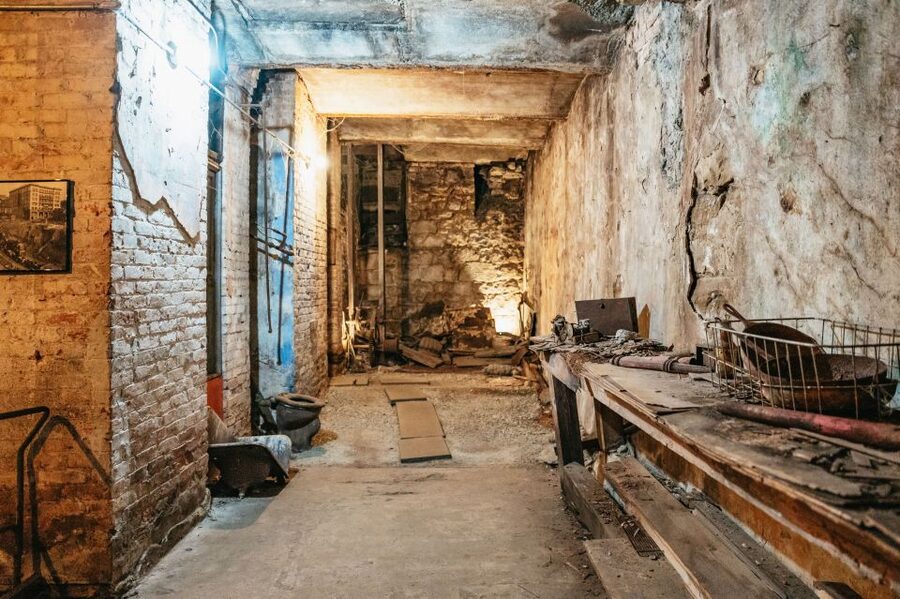
Seattle’s underground is not a secret world built as a separate city. It is the leftover lower level of an older one. As Seattle developed, its streets were raised above swampy ground, leaving earlier sidewalks, storefronts, and passageways below the new roads.
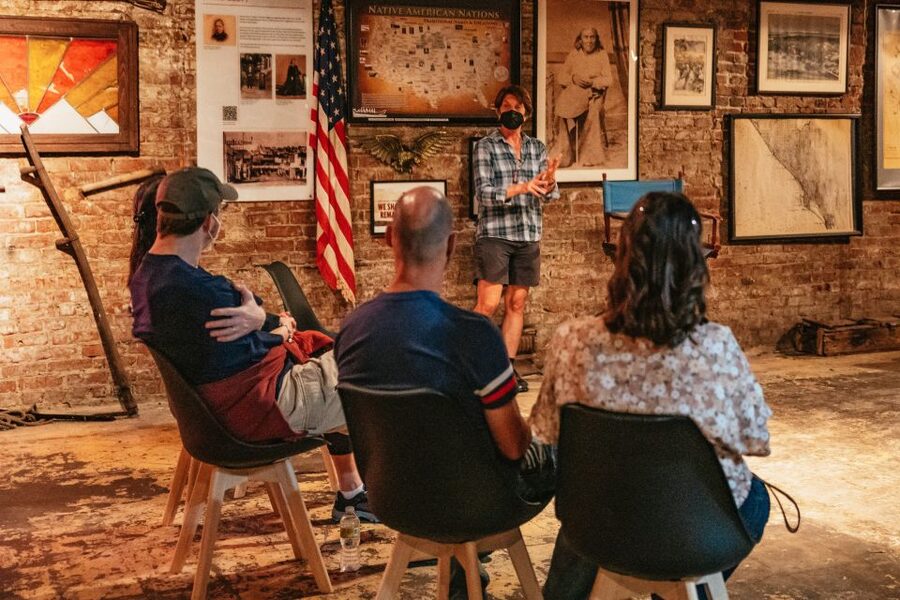
That basic fact can be hard to picture from above. The tour solves that problem by putting you where the old grade still exists. You can look at the architecture, walls, and traces of former city life while your guide explains how one level became two.
I like this approach because it connects construction with human decisions. The underground is not just a collection of dark corridors. It shows how Seattle dealt with fire, mud, poor drainage, changing technology, and the pressure to rebuild quickly.
The experience covers more than four city blocks of Pioneer Square. That gives the tour enough room to show several connected sections rather than one isolated basement. Still, the route is compact enough that you are not committing half a day to it.
More Walking Tours in Seattle:
- Taste Pike Place Walking Food Tour
★ 5.0 · 930 reviews - History and Hauntings of Salem Guided Walking Tour
★ 5.0 · 14,564 reviews - New Orleans Premier Ghost, Voodoo and Vampire Walking Tour
★ 4.5 · 12,856 reviews
Meeting beneath Cherry Street Coffee
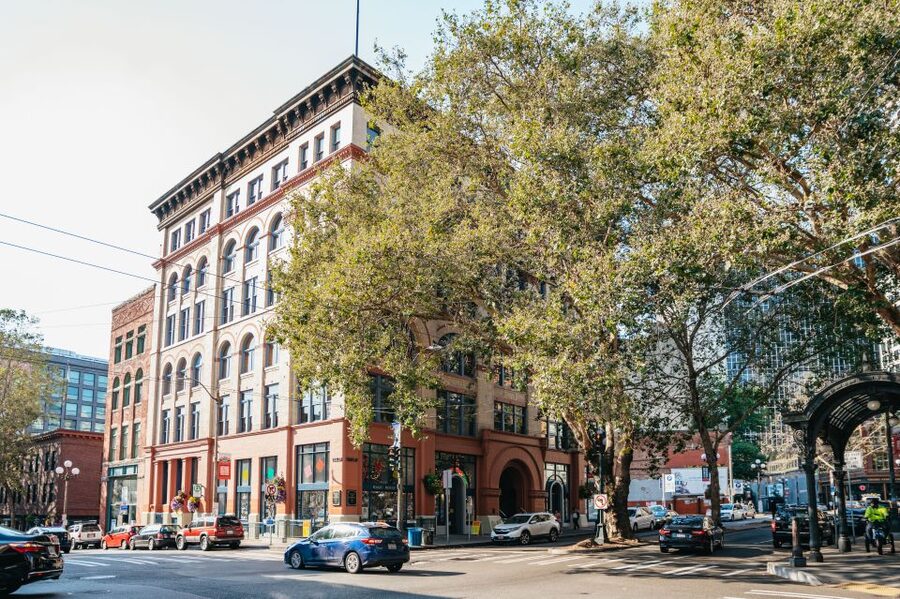
The tour begins beneath the Cherry Street Coffee shop. Look for the black and purple Beneath the Streets sign, then take the stairs down to the reception desk.
This location matters because the tour starts at the old lower level, not with a long walk from a distant meeting point. You should arrive ready to go underground, rather than expecting a conventional street-corner gathering.
The setting also gives you an early clue about the tour’s character. This is an active historic area, not a purpose-built attraction with broad galleries and polished displays. You are entering an adapted underground space where the guide does much of the work.
Wear comfortable shoes. The route includes six flights of stairs, along with uneven ground. There is no elevator access. Strollers may be carried up and down the stairs or left in the ticket office during the tour, but people with mobility impairments should choose another activity.
The first passageways and Seattle’s early shape
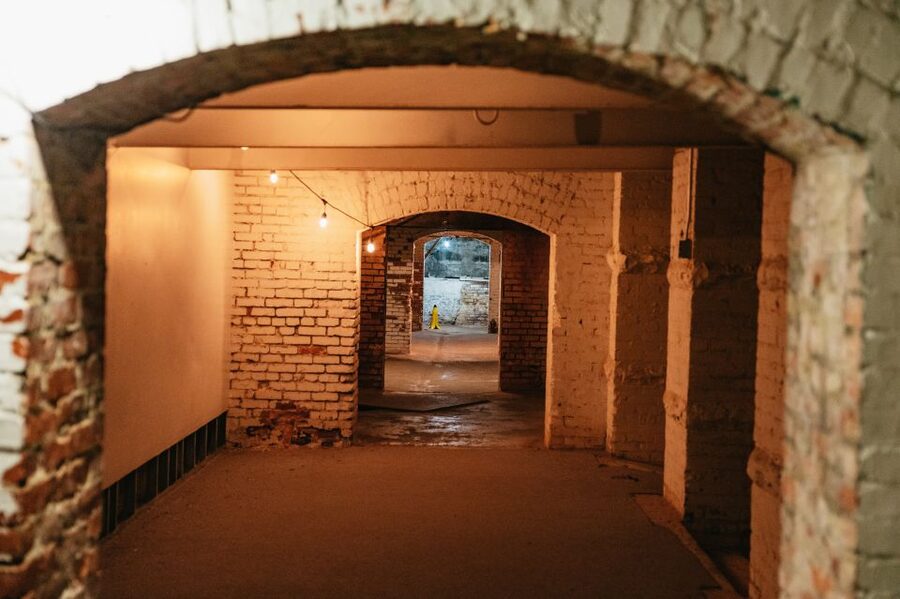
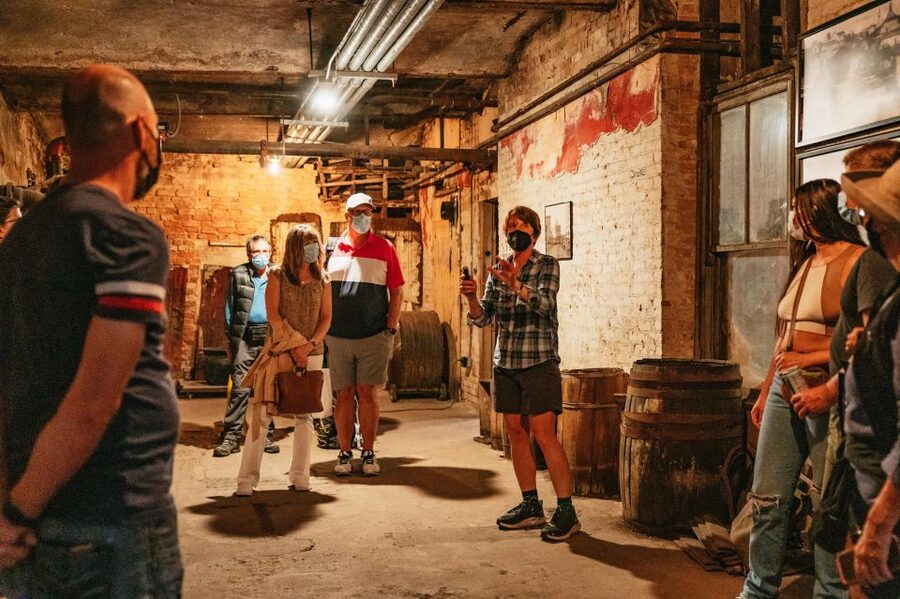
Once below the modern streets, the guide begins to show how the underground connects to Seattle’s early development. The three passageways date from the 1890s, a period when the city was changing quickly and rebuilding was often a matter of urgency.
You can expect the guide to point out old construction features and explain how the lower level once related to the street above. The value is not in seeing a large number of separate objects. It is in learning how the pieces fit together.
The passages also help you understand Pioneer Square as a real neighborhood rather than a postcard backdrop. Above ground, the historic architecture can look decorative. Below it, the walls and old routes reveal the practical work behind the city’s growth.
Guides make a major difference here. David is praised for combining extensive information with good energy, while Eowyn is described as funny, lively, and well prepared. Other guides named in the feedback include Mark, Jim, Patti, Terrilyn, Richard, Sarah, Jennifer, Imojen, Carter, and Mike.
That list points to a tour that depends heavily on the person leading it. The strongest guides appear to use humor, direct conversation, and local stories to keep the pace moving. Dad jokes and dry humor are part of the package. If you prefer a silent, academic presentation, the style may feel a little informal. I think most people will find the humor useful, since the subject includes a lot of dates, street changes, and technical building details.
The Great Fire and the city’s hard reset
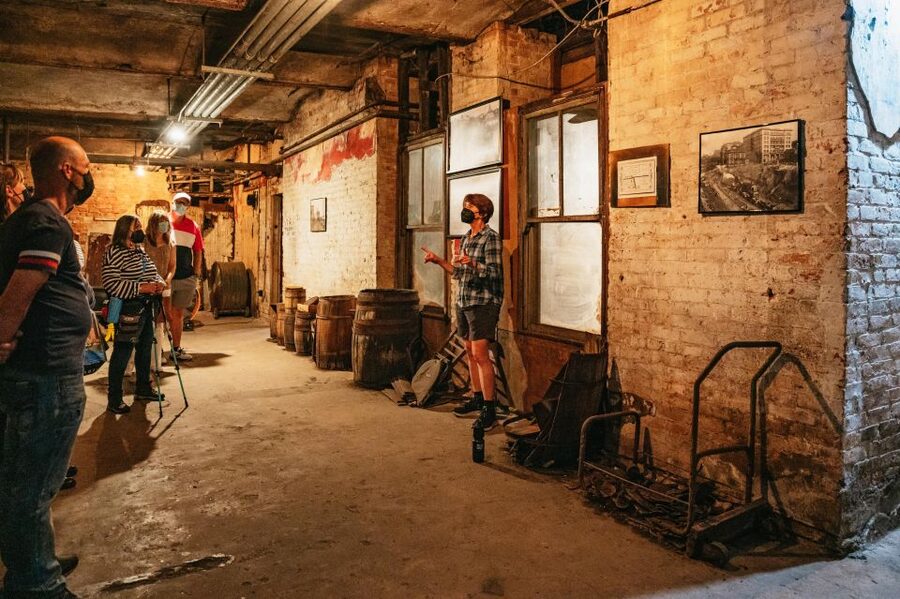
The Seattle Fire is the central turning point. Large parts of the city were destroyed, and the tour explains what happened next rather than treating the fire as a single dramatic event.
You learn how Seattle was rebuilt after the disaster and why the rebuilding process changed the city’s shape. This is where the underground becomes especially useful. The lower streets help you see the difference between the city before and after the fire.
The tour does not rely only on spectacle. The focus is on true stories about how Seattle was born, the problems it faced, and the choices made after tragedy. That gives the fire a practical context. You are not simply told that buildings burned. You learn how destruction affected roads, retaining walls, property, and the future layout of the city.
I especially like this part for first-time visitors because it gives Pioneer Square a timeline. You can look at the old structures and understand that they are connected to a sequence of fire, rebuilding, and street changes.
The presentation can also include personalities and quirky details. One highly praised guide was called an excellent storyteller who mixed people, odd facts, and humor into the hour. That matters because a construction story can become dry very quickly without human detail.
A few more options to weigh up in Seattle
- Beneath The Streets Underground History Tour
★ 4.5 · 8,006 reviews - Chef Guided Food Tour of Pike Place Market
★ 5.0 · 3,733 reviews - Mt. Rainier National Park Highlights Tour
★ 5.0 · 3,156 reviews - Seattle’s Original Guided Harbor Cruise
★ 4.5 · 2,077 reviews
How Seattle raised its streets
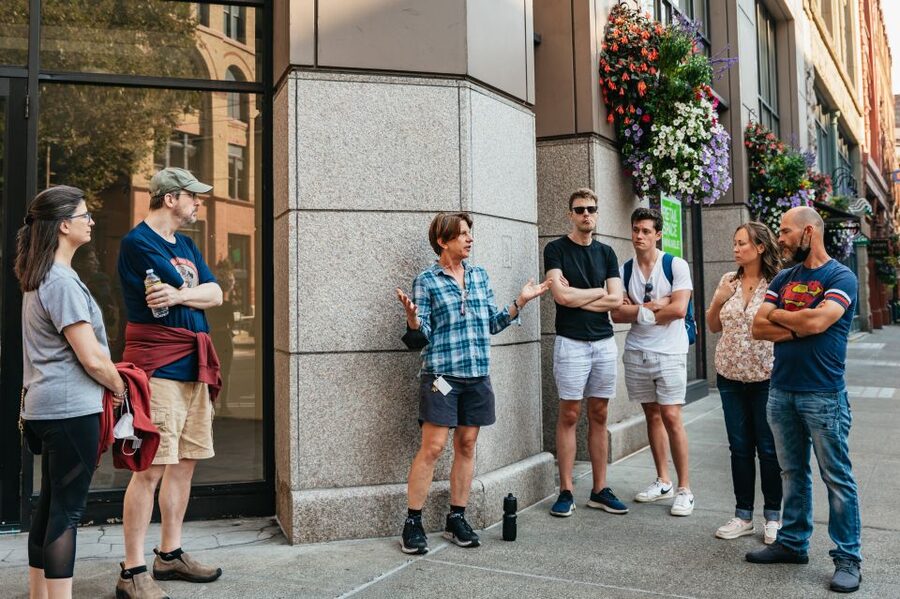
The most useful lesson is the explanation of how Seattle’s streets were raised above the original ground level. Retaining walls were built alongside the streets, and the space was filled to create new roads several feet above the old ones.
This is the moment when the city’s underground stops seeming mysterious. You begin to see it as a record of an enormous civic project. The old sidewalks and lower passageways remained below, while daily life shifted upward.
Your guide helps you imagine the practical result: a city with an older pedestrian level beneath the newer street grid. The architecture below is valuable because it shows the physical result of those decisions.
This section may be more interesting to you than the famous stories about hidden places. It explains why Seattle looks and feels the way it does in this part of town. The tour turns a strange urban feature into something understandable.
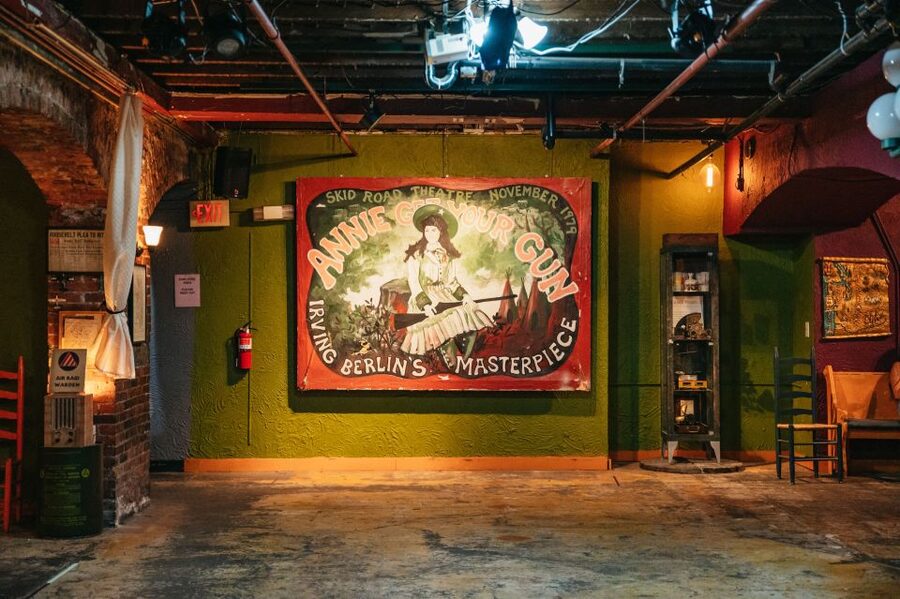
The tradeoff is that the underground areas are not presented as fully staged historical rooms. You should not expect furnished shops, actors, or a recreated nineteenth-century neighborhood. Instead, you get preserved spaces, architectural remains, and spoken explanation. One person specifically noted that the sense of what happened was conveyed without staged rooms, while larger wall pictures might have made the visual material easier to see.
That is a fair description of the experience. The guide is the main exhibit. The spaces provide the evidence, but the story gives that evidence meaning.
What the one-hour pace feels like
An hour is long enough to cover the main story and short enough to fit neatly around other Seattle plans. A morning tour can work well as an introduction to Pioneer Square, while an afternoon time slot leaves room for other parts of the city.
The pace combines walking with stops for explanations. You move through the lower spaces, pause for stories, and may also spend time above ground as the guide links the underground to the streets overhead.
That above-and-below structure is important. If the tour stayed entirely underground, you might lose your sense of where the passageways sit in relation to modern Seattle. Going outside helps you connect the old grade, the raised roads, and the visible historic buildings.
The hour does require concentration. Seattle’s settlement, the fire, the rebuilding, and the engineering changes are a lot to cover. One person found the time frame perfect, while another noted that condensing so much into one hour leaves little room for a slower look.
I would treat the short duration as a strength for most people, especially families and visitors with packed schedules. If you want a long, detailed architectural study, you may wish the tour lasted longer.
The atmosphere below Pioneer Square
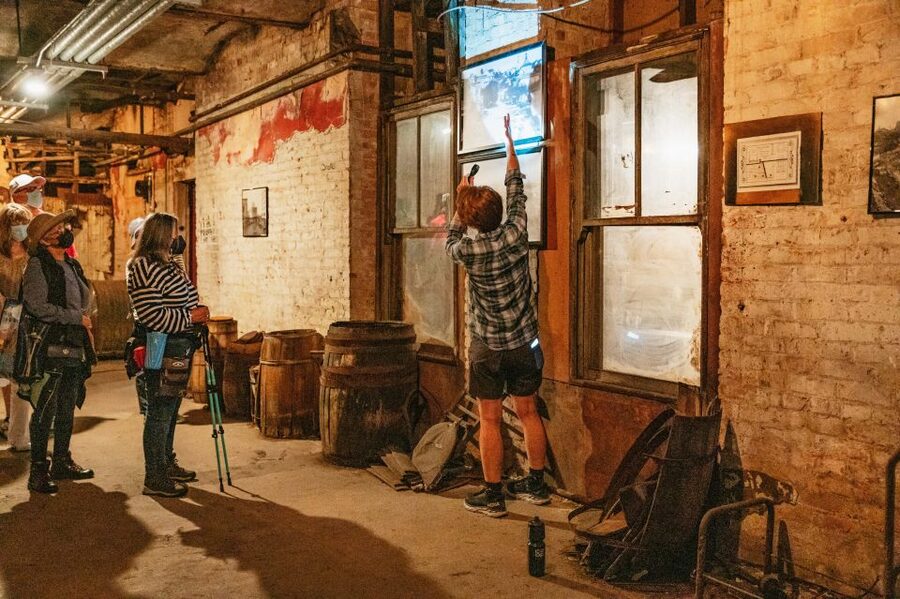
Expect an outdoor and underground experience, not a climate-controlled museum visit. Conditions may vary between the street and the lower passageways, so a light extra layer can be sensible, even though comfortable shoes are the essential item specifically requested.
The underground sections have an aged, unfinished character. That is part of their appeal. You are seeing old infrastructure and buried city space rather than a freshly built attraction designed to look old.
There are no pets allowed. Strollers can be stored in the ticket office for the tour or carried on the stairs. The six flights are the key physical issue, and the uneven ground adds another reason to plan carefully.
The tour is generally a good fit for families, couples, solo visitors, local residents, and anyone who enjoys urban history. It can also work for people who have already seen Seattle’s main landmarks and want a different angle. Several local participants found that the tour taught them things they had not known about their own city.
Is $31 good value?
At $31 per person, I see this as a good-value short tour, provided you are interested in stories and old city fabric. The price covers the guide and the walking tour, and the experience gives you access to historic underground spaces that are difficult to interpret on your own.
You are paying mainly for explanation. The passageways alone may not satisfy someone expecting a large attraction with elaborate displays. But a strong guide can turn walls, grades, and old routes into a clear account of Seattle’s growth.
The tour’s high overall rating, 4.6 from 2,144 ratings, fits the pattern of praise for the guides. The repeated strengths are energy, humor, clear storytelling, and a strong grasp of Seattle’s past. David is mentioned several times, as are guides such as Mark, Jim, Patti, and Terrilyn.
I would not choose it for the underground architecture alone. I would choose it because the guide helps you understand why that architecture exists. That distinction is useful when deciding how to spend your money.
The flexible booking terms add practical value. You can reserve now and pay later, and cancellation is free up to 24 hours before the start time for a full refund. Starting times vary, so check availability when choosing your slot.
Who should book this Seattle tour?
I recommend it most strongly if you:
- Want a quick but substantial introduction to Pioneer Square
- Enjoy local stories, urban change, and unusual construction facts
- Like tours led by entertaining guides rather than self-guided displays
- Are visiting Seattle for the first time and want useful context
- Live nearby and want to understand the city beyond its modern surface
- Can comfortably manage six flights of stairs and uneven ground
You may want to skip it if you need step-free access, dislike confined historic spaces, or expect a fully staged attraction. The tour is also less suited to someone who wants to wander independently, since the value comes from following the guide’s route and explanation.
Some people may be tempted by a more adult night tour mentioned in connection with the experience, but the information here covers the standard English-language tour. If you are bringing children, this daytime option is the clear choice from the details provided.
My verdict on the underground walk
I like this tour because it makes Seattle’s development physical. You do not just hear that the city was rebuilt or that the streets were raised. You walk through the lower level and see the evidence.
The best guides add warmth and humor without losing the facts. David’s habit of learning where people came from and working those places into his talk is a good example of how a guide can make a group feel involved. Jim’s storytelling, Eowyn’s lively delivery, and Terrilyn’s enthusiasm show the range of presentation styles you might encounter.
The experience is not flawless. The route is short, the stairs are demanding, and the spaces are not heavily staged. Some visual displays may be small, and the amount of information packed into one hour can feel brisk.
Still, at $31, it earns its place in a Seattle sightseeing plan. Book it if you want the city explained from the ground up, literally. Skip it only if stairs or underground walking are a serious problem, or if you are looking for a grand museum-style attraction rather than a guide-led look at old Seattle.
FAQ
How long is the Seattle Underground Walking Tour?
The tour lasts one hour.
How much does the tour cost?
The listed price is $31 per person.
Where does the tour meet?
The meeting point is underneath the Cherry Street Coffee shop. Look for the Beneath the Streets black and purple sign, then take the stairs down to the reception desk.
How many underground passageways will I see?
The tour visits three historic underground passageways originally constructed in the 1890s.
How much of Seattle does the tour cover?
The route explores more than four city blocks of historic Pioneer Square.
Is the tour conducted in English?
Yes. The live tour guide speaks English, and English is the listed language.
How many stairs are on the route?
There are six flights of stairs, and there is no elevator access.
Is the tour suitable for people with mobility impairments?
No. The tour is not suitable for people with mobility impairments because of the stairs and uneven ground.
Can I bring a stroller?
Strollers may be carried up and down the stairs or stored in the ticket office for the duration of the tour.
What should I wear or bring?
Bring comfortable shoes. The tour takes place outside and underground, with stairs and uneven ground along the route.
Are pets allowed?
No. Pets are not allowed on the tour.
Can I cancel my booking?
Yes. You can cancel up to 24 hours in advance for a full refund.
Can I reserve now and pay later?
Yes. The reserve now and pay later option lets you book your spot without paying immediately.
Just added in Seattle
- Seattle: Half-Day Wildlife and Whale Watching Cruise★ 4.3 · 378 reviews
- Seattle: Pike Place Market Chef-Guided Food Tour★ 4.8 · 847 reviews
- Seattle CityPASS®: Save up to 46% at 5 Top Attractions★ 4.6 · 742 reviews
- Seattle: City Highlights Tour★ 4.7 · 416 reviews
- Seattle: Harbor Cruise with Local Guide★ 4.8 · 599 reviews
- Seattle: Chihuly Garden and Glass Entry Ticket★ 4.8 · 374 reviews
- From Seattle: Mount Rainier National Park Guided Tour★ 4.8 · 412 reviews
- Seattle: City Sightseeing Hop-On Hop-Off Bus Tour★ 3.9 · 421 reviews
Walking Tours, compared.

History and Hauntings of Salem Guided Walking Tour
Read our review →
New Orleans Premier Ghost, Voodoo and Vampire Walking Tour
Read our review →
Freedom Trail History Small Group Walking Tour
Read our review →
Historic Charleston Guided Sightseeing Walking Tour
Read our review →
New Orleans Food Walking Tour of the French Quarter with Small-Group Option
Read our review →
Cambridge: Harvard University Student-Guided Walking Tour
Read our review →Browse the lists this tour appears in