
Reviewed · NEW ORLEANS TOURS
Whitney Plantation Tour with Transportation from New Orleans
Some places ask you to listen closely. The Whitney Plantation does that by focusing on the lives of enslaved people, not romantic plantation myths, and the result is a sobering visit along Louisiana’s River Road. I especially like the first-person accounts and the freedom to explore at your own pace with the audio guide. I also like the convenient round-trip bus from the French Quarter, though two hours at the plantation can feel tight if you want to read every exhibit carefully.
The trip costs $89 per person, including transportation and admission. That is fair value if you do not have a car, since you avoid arranging transport to a rural site and receive useful commentary during the drive. The optional 90-minute swamp tour adds another layer to the day, but the plantation visit itself is the reason to book.
In This Review
- Key Points Before You Book
- Leaving New Orleans From Toulouse Street
- Crossing the Bonnet Carre Spillway
- Entering Whitney Plantation
- Following the Voices of Enslaved People
- The Big House, Cabins, and Memorials
- Food, Timing, and the Optional Swamp Ride
- Is $89 a Fair Price?
- Who Will Get the Most From This Visit?
- Should You Book the Whitney Plantation Tour?
- FAQ
- Where does the Whitney Plantation Tour depart?
- How long does the tour last?
- Is transportation included?
- Is hotel pickup included?
- Is the Whitney Plantation visit guided?
- Is food included?
- Can I add a swamp tour?
- Is the plantation accessible?
- What is the cancellation policy?
Key Points Before You Book
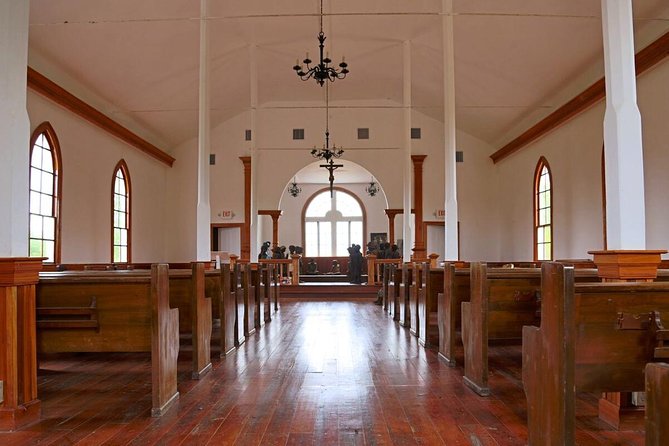
- The Whitney Plantation tells slavery from the viewpoint of the enslaved people, using first-person narratives, memorials, restored buildings, and museum displays.
- Your driver may add a helpful history lesson during the roughly one-hour ride each way. Drivers such as Robert, Nicholas, Alton, Dominique, and Neja have been praised for their clear local commentary.
- The plantation visit is self-guided, using the official Whitney Plantation app or an audio device, with about two to two and a quarter hours on site.
- No meal is provided at Whitney Plantation. Bring food or snacks, especially if you are adding the swamp tour.
- The route passes several famous plantations, including Evergreen, Felicity, and St. Joseph, with views of the Bonnet Carre Spillway and Lake Pontchartrain.
- The optional swamp tour is a separate add-on, and past guests have praised guides such as Ethan for making that part lively and fun.
Leaving New Orleans From Toulouse Street
You begin at the Gray Line Lighthouse Ticket Office at 400 Toulouse Street, near the Steamboat Natchez dock and the Mississippi River. This is in the French Quarter, so it is easy to reach on foot if you are staying nearby. Arrive 15 minutes before departure. If you drive, public parking is available on Decatur Street, including Jax Lot at 500 Decatur Street, but you will need to pay hourly rates.
The air-conditioned vehicle is a major part of the value. Whitney Plantation is well outside New Orleans, and hiring a car for one historic site can cost more than expected once you add parking and fuel. Here, you can settle in and let someone else handle the roads.
The full outing lasts about 5 hours and 25 minutes. Roughly 2 hours and 15 minutes of that time is spent going to and from the plantation, while approximately 2 to 2.25 hours is spent at Whitney. Timing can vary, so do not schedule a tight dinner reservation immediately after the stated return time.
The ride itself often adds more than simple transportation. Drivers including Robert D., Nicholas, Alton, and Dominique have been praised for explaining New Orleans, Louisiana agriculture, plantation history, local food, and landmarks along the way. Robert D. in particular received repeated praise for turning the drive into a useful introduction to the region.
Do not expect a fully narrated plantation tour from the bus company. The Whitney visit is self-guided. Still, the driver’s commentary can make the long road time feel purposeful rather than merely functional.
A few more options to weigh up in New Orleans
- New Orleans Premier Ghost, Voodoo and Vampire Walking Tour
★ 4.5 · 12,856 reviews - New Orleans Steamboat Natchez Jazz Cruise with Dinner Option
★ 4.0 · 7,533 reviews - Adults-Only New Orleans Ghost, Crime, Voodoo, and Vampire Tour
★ 5.0 · 6,545 reviews
Crossing the Bonnet Carre Spillway
Once the bus leaves the city, the route heads along the Mississippi River toward River Road. You cross the Bonnet Carre Spillway, a flood outlet for the river, and may see a broad view of Lake Pontchartrain. These details help explain why this part of Louisiana has always depended on water, levees, and fertile soil.
The road passes former plantation properties such as Evergreen, Felicity, and St. Joseph. Historically, sugar cane, cotton, and indigo moved from these fertile river lands toward ports of trade. You may be able to see plantation houses from the bus and take photographs through the windows, but this is not a series of extended stops.
That matters because the outing is focused. You are not trying to visit every plantation along the road. Instead, these passing views provide context before you reach a site specifically devoted to enslavement and the people forced to labor there.
Some drivers are more comfortable speaking into the microphone than others. Most praise has focused on the quality of the commentary, but one complaint described difficulty hearing the bus narration. Sitting near the front may help if hearing the drive commentary is important to you.
Entering Whitney Plantation
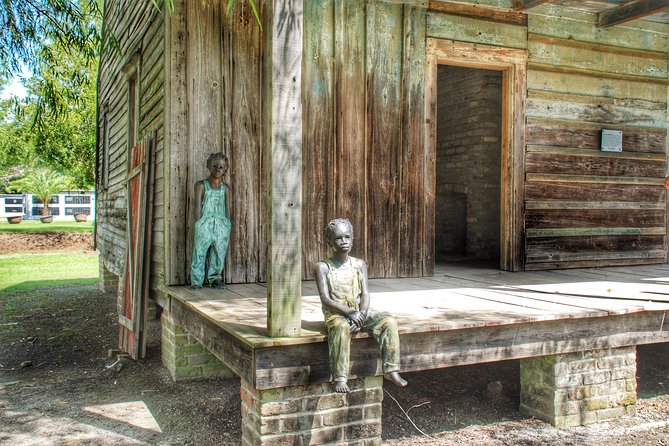
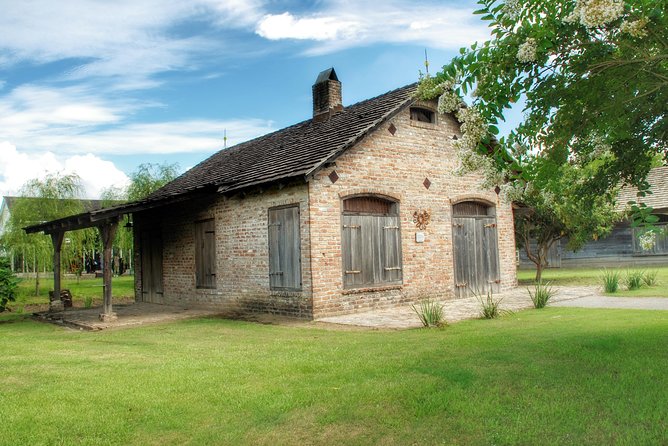
Whitney Plantation dates back more than 260 years and now operates as a museum devoted to understanding slavery in Louisiana and the American South. The grounds include original and restored structures, including slave cabins, memorials, museum exhibits, and the Big House.
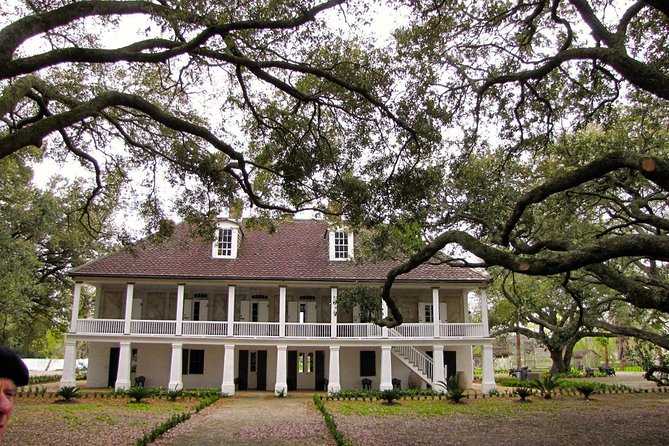
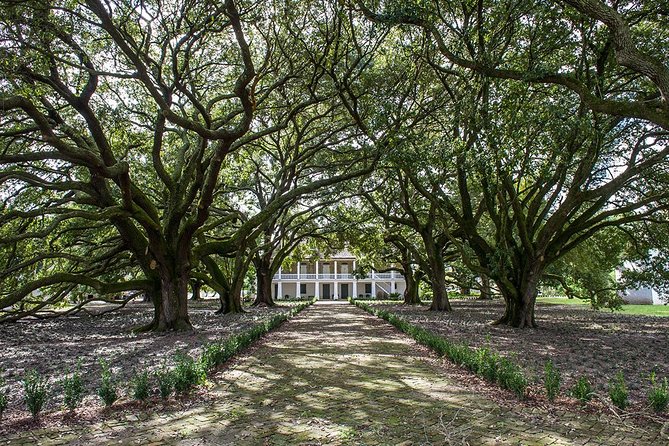
The Big House is considered one of the finest surviving examples of Spanish Creole architecture in Louisiana. It is visually important, but the visit does not treat the building as a glamorous relic. The architectural details are presented alongside the labor system and human suffering that made plantation wealth possible.
That change in focus is the central reason to choose Whitney. Many plantation tours spend much of their time on the owners, furnishings, and social life of the white elite. Whitney places enslaved people at the center of the story. You learn about their work, family lives, treatment, and continuing trauma through museum displays and recorded testimony.
The grounds are maintained carefully, with restored cabins and original structures helping you understand the physical setting. You are not simply reading dates on a wall. You are moving through the spaces where people were housed, controlled, worked, and remembered.
The subject is difficult. That is not a flaw, but you should know what kind of afternoon you are choosing. Whitney is not a lighthearted sightseeing stop or a decorative old house visit. Give yourself time to pause, listen, and process what you are hearing.
Following the Voices of Enslaved People
The official Whitney Plantation app provides a self-guided route with points of interest around the property. You can download it before arrival, or use the available audio equipment at the site. The self-guided format works well because you control the pace.
The most powerful material comes from first-person narratives recorded through the Federal Writers’ Project. These accounts preserve the memories of formerly enslaved people and bring individual voices into a subject that can otherwise feel distant or abstract.
I like this approach because it moves the focus away from statistics alone. You encounter the daily realities of people who lived under slavery, including the restrictions, labor, family separation, punishment, and emotional damage that shaped their lives. The audio guide lets you stop and listen rather than follow a guide who must keep an entire group moving.
The route includes around 14 points of interest, according to one detailed account of the audio tour. Two hours is enough to complete the main route at a reasonable pace, but it is not generous if you read every panel, spend time in the museum shop, and pause often.
One past guest wanted another 30 minutes at Whitney. That is useful advice. If you prefer a slow visit, read every label, or expect an emotional response that requires quiet time, you may feel rushed near the end. Keep an eye on your return-bus time, since the vehicle cannot wait indefinitely for late passengers.
A different kind of day out entirely:
- New Orleans Food Walking Tour of the French Quarter with Small-Group Option
★ 5.0 · 6,118 reviews - New Orleans Swamp and Bayou Boat Tour with Transportation
★ 5.0 · 5,399 reviews - New Orleans Steamboat Natchez Jazz Cruise
★ 4.5 · 5,334 reviews - New Orleans City Sightseeing Hop-On Hop-Off Bus Tour
★ 4.5 · 4,943 reviews
The Big House, Cabins, and Memorials
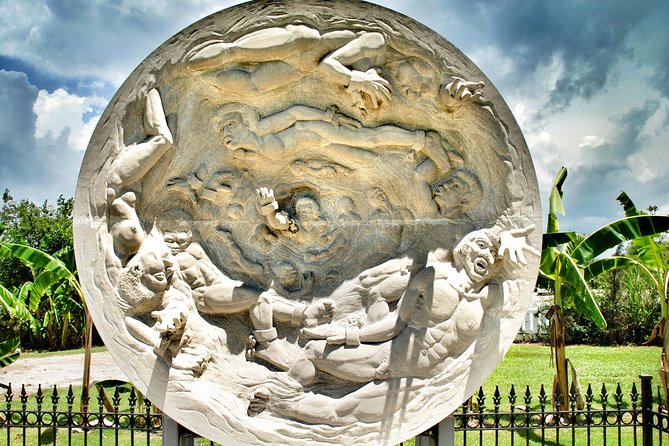
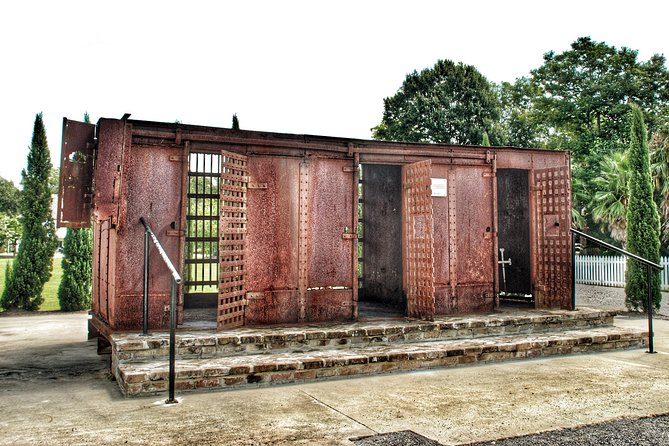
The Big House gives you a clear look at Spanish Creole design, while the cabins make the social order of the plantation more immediate. Several of the cabins remain from the original 22 on site. Their presence helps you picture how enslaved families were housed and how limited their privacy and comfort would have been.
The combination of buildings and testimony is stronger than either one alone. Architecture shows the system’s physical structure. The audio accounts explain the human cost.
Museum exhibits add material about slavery in Louisiana and the wider American South. First-person accounts connect the local site to a larger national story, but the emphasis remains on the people who lived and worked at Whitney.
The experience also includes art and a museum shop with a good selection of historical books. If you want to continue reading after the visit, allow a little time for the shop. Since the schedule is fixed, you may need to choose between browsing and hearing every audio stop.
Photography is generally allowed, but flash photography and video are restricted in some areas. Follow the instructions given on site. Wear comfortable shoes because portions of the visit use uneven sidewalks and streets. In warm months, light-colored clothing, a hat, sunscreen, and an umbrella are sensible choices.
Whitney is described as accessible, but some portions of the plantation require stairs. If you need a suitable vehicle or have mobility requirements, note them at checkout so arrangements can be made.
Food, Timing, and the Optional Swamp Ride
Food is not included, and Whitney Plantation does not provide a full food service. This is the most practical warning to remember. Bring a packed lunch or snacks that you can carry on the bus, since the day can feel long if you arrive hungry.
The plantation may have a gift and snack shop, but you should not rely on it for a proper meal. One past guest was caught off guard by the lack of food. Pack something simple and avoid turning an important historical visit into a search for lunch.
You can upgrade the outing to include a 90-minute pontoon swamp tour. This changes the mood of the day. Whitney is serious, quiet, and educational. The swamp ride is more relaxed and scenic, with guides such as Ethan praised for adding humor and energy.
If you choose the combination, pay close attention to the schedule. One account describes a stop at Oak Alley to pick up other passengers, with time to buy food at the cafe before continuing to the swamp tour. That stop may not be part of every departure, so bring your own food rather than depending on it.
The swamp option suits you if you want a fuller day outside New Orleans and prefer to combine cultural history with a boat ride. If your main goal is to give Whitney enough time and attention, the plantation-only option may be the better fit.
Is $89 a Fair Price?

At $89 per person, the basic tour includes round-trip transport from central New Orleans, an air-conditioned vehicle, admission to Whitney Plantation, and the audio tour through the official app. For someone without a car, the price is easy to justify.
You are paying for convenience as much as the ticket. The plantation is far enough from New Orleans that arranging a taxi or rideshare could be awkward and expensive. The bus also removes the stress of driving an unfamiliar route and lets you listen to local commentary along the way.
The value is less obvious if you already have a car and want a long, slow visit. You are limited to the group’s departure and return schedule, and the roughly two-hour site visit may not satisfy someone who wants to examine every exhibit.
The group can reach a maximum of 55 people. That is a fairly large bus outing, but the self-guided format keeps you from walking in one tight cluster. Once inside, you can spread out and set your own pace.
The tour is offered in English. Confirmation arrives when you book, and most people can participate. The main variables are your comfort with walking, stairs in some areas, summer heat, and the emotional weight of the subject.
Who Will Get the Most From This Visit?
I would choose this tour if you want to understand Louisiana plantation life from the perspective of enslaved people. It is especially suitable for first-time visitors to New Orleans who want one serious historical day beyond the French Quarter.
Families can take part, but parents should prepare children for difficult material. The visit is educational rather than entertaining, and the audio accounts may lead to serious questions. Solo visitors and couples may appreciate the chance to move quietly at their own pace.
This is also a good choice if you do not have a car. The bus is clean, comfortable, and air-conditioned, and the driver may add useful local detail. The experience works best when you accept that transportation takes a large share of the day.
I would hesitate only if you want a polished live tour with a guide beside you at every stop, a meal included, or several hours to linger. Whitney’s self-guided structure is a strength for some people and a limitation for others.
Should You Book the Whitney Plantation Tour?
Book it if you want a direct, carefully presented account of slavery in Louisiana and need transport from New Orleans. The first-person testimonies, restored cabins, and memorial exhibits make this a meaningful use of half a day, and the bus commentary adds useful regional context.
Bring food, wear comfortable shoes, and download the Whitney app before departure. If you want the swamp ride too, choose the upgrade and plan for a longer, fuller day.
Skip it only if you are looking for a decorative plantation-house visit or dislike fixed schedules. For an honest look at the people who endured slavery, Whitney is one of the most important historic sites you can reach from New Orleans without a car.
FAQ
Where does the Whitney Plantation Tour depart?
It departs from the Gray Line Lighthouse Ticket Office at 400 Toulouse Street in the French Quarter, near the Steamboat Natchez dock and the Mississippi River.
How long does the tour last?
The complete outing lasts approximately 5 hours and 25 minutes, including transportation. About two to two and a quarter hours are spent at Whitney Plantation.
Is transportation included?
Yes. Round-trip transport from central New Orleans is included in an air-conditioned vehicle.
Is hotel pickup included?
No. Hotel pickup and drop-off are not included. You must reach the meeting point at 400 Toulouse Street.
Is the Whitney Plantation visit guided?
The plantation visit is self-guided. You can use the official Whitney Plantation app for the audio tour or use audio equipment provided at the site.
Is food included?
No. Food and drinks are not included, and Whitney Plantation does not provide a full food service. Bring food or snacks with you.
Can I add a swamp tour?
Yes. You can choose an upgrade that includes a 90-minute pontoon swamp tour.
Is the plantation accessible?
The plantation is described as accessible, but some portions require stairs. Note your needs during booking so an appropriate vehicle can be arranged.
What is the cancellation policy?
You can cancel at least 24 hours before the start time for a full refund. Cancellations or changes made within 24 hours are not refunded or accepted. Poor weather or failure to meet the minimum number of participants may result in a different date, another experience, or a full refund.
Just added in New Orleans
- New Orleans Yellow Fever Ghost Tour★ 5.0 · 1,298 reviews
- VIP Jazz Dinner Cruise with Private Tour and Open Bar Option★ 4.5 · 838 reviews
- New Orleans Private Carriage Tour of the French Quarter★ 5.0 · 537 reviews
- New Orleans Delicious Donuts & Beignets: A Sweet Walking Tour★ 5.0 · 928 reviews
- The Ghosts of New Orleans Tour★ 4.5 · 702 reviews
- The Escape Game at the French Quarter in New Orleans★ 5.0 · 364 reviews
- New Orleans French Quarter Photo Shoot★ 5.0 · 462 reviews
- Small-Group Airboat Swamp Tour with Downtown New Orleans Pickup★ 5.0 · 1,621 reviews
New Orleans Tours, compared.
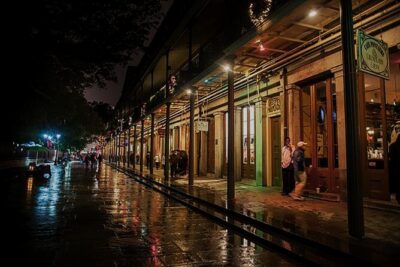
New Orleans Premier Ghost, Voodoo and Vampire Walking Tour
Read our review →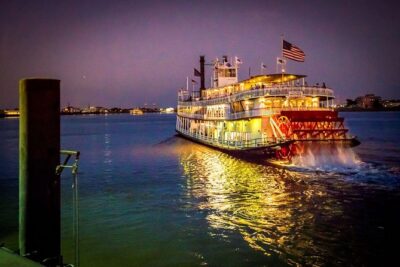
New Orleans Steamboat Natchez Jazz Cruise with Dinner Option
Read our review →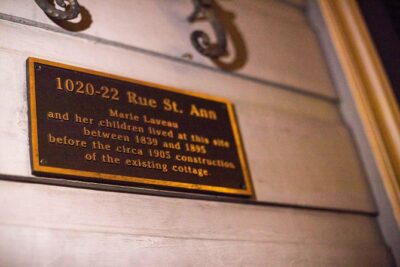
Adults-Only New Orleans Ghost, Crime, Voodoo, and Vampire Tour
Read our review →
New Orleans Food Walking Tour of the French Quarter with Small-Group Option
Read our review →
New Orleans Swamp and Bayou Boat Tour with Transportation
Read our review →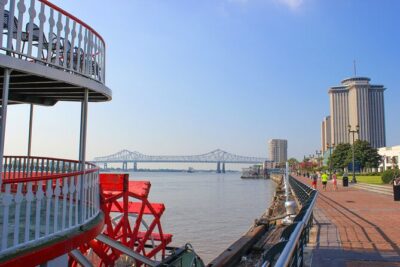
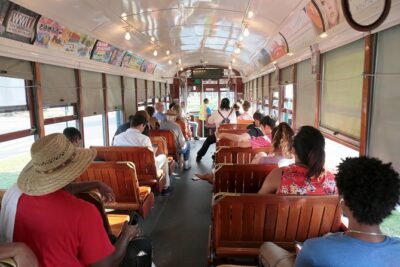
New Orleans City Sightseeing Hop-On Hop-Off Bus Tour
Read our review →
Browse the lists this tour appears in