
Reviewed · 9/11 MEMORIAL TOURS
9/11 Memorial Museum Admission Ticket
Some museums ask for your attention. This one asks for your heart. The 9/11 Memorial Museum combines first-person accounts, powerful artifacts, and multimedia displays to explain the attacks of September 11, 2001, while honoring the 2,983 people killed in the 2001 and 1993 World Trade Center attacks. I like the freedom to explore at your own pace, and I like that a mobile timed-entry ticket removes one bit of uncertainty from visiting Lower Manhattan. The main consideration is emotional: this is a serious, sometimes overwhelming experience, not a quick sightseeing stop.
I also like the museum’s setting below the two reflecting pools, which mark the footprints of the Twin Towers. You can visit the outdoor memorial and then continue underground into the museum, creating a clear connection between the place and the events. At $36 per person, the ticket is not cheap, and the extra cost of audio devices or repeated donation requests may bother some visitors.
In This Review
- Key points to know before you go
- What your $36 ticket actually provides
- Start above ground at the Memorial pools
- Enter the underground museum through its main exhibitions
- Spend time with In Memoriam
- See artifacts that make the event real
- Allow time for the multimedia displays
- Understand the practical entry rules
- Decide how much time your group needs
- Consider the extra costs and small annoyances
- Who will appreciate this museum most
- Book ahead and protect your schedule
- Should you book the 9/11 Memorial Museum?
- FAQ
- How much does admission to the 9/11 Memorial Museum cost?
- How long does the museum visit take?
- Is the ticket timed entry?
- Can I explore the museum at my own pace?
- What exhibitions are included?
- Is the museum wheelchair accessible?
- Are service animals permitted?
- Will I go through security?
- Can I take photographs inside?
- Can I re-enter after leaving?
- Can I cancel the ticket for a refund?
Key points to know before you go
- Plan on at least two hours: Many people need longer, especially if they listen to the recordings and read the displays.
- Timed entry saves stress: Your mobile ticket provides admission for a selected time, subject to availability.
- Expect a deeply emotional visit: Videos, personal messages, photographs, and artifacts present the human cost in direct terms.
- Two main exhibitions shape the visit: In Memoriam honors those who died, while September 11, 2001 examines the attacks, their causes, and their effects.
- Security is airport-style: Large bags, backpacks, and some umbrellas must go to the coat room.
- The museum is accessible: Wheelchair and stroller access is available, and service animals are allowed.
What your $36 ticket actually provides
This is an admission ticket, not a guided tour. You enter at your timed slot with a mobile ticket, then follow the museum’s exhibitions at your own speed. There is no food or drink included, and any extra audio device costs more if you choose to use one.
I think the price makes the most sense if you give the museum enough time. A rushed one-hour visit would make the ticket feel expensive. A two to three-hour visit, with time for the Memorial outside, lets you take in the material properly.
The museum is a nonprofit institution whose purpose is remembrance, education, and commemoration. That matters because the displays do more than show the destruction of the World Trade Center. They also remember the people who died, the first responders who risked their lives, and the compassion shown in the aftermath.
The experience has earned a 4.7 rating from more than 6,000 reviews, with 94 percent recommending it. Those numbers fit the nature of the place: the strongest praise focuses on its respectful presentation, emotional force, and clear explanation of what happened.
More Museum Tours in New York City
- NYC: 9/11 Memorial & Museum Timed-Entry Ticket
★ 4.8 · 31,428 reviews - NYC: Empire State Building Tickets – Observatory & Museum
★ 4.7 · 25,757 reviews - New York City: American Museum of Natural History Ticket
★ 4.5 · 15,447 reviews
Start above ground at the Memorial pools
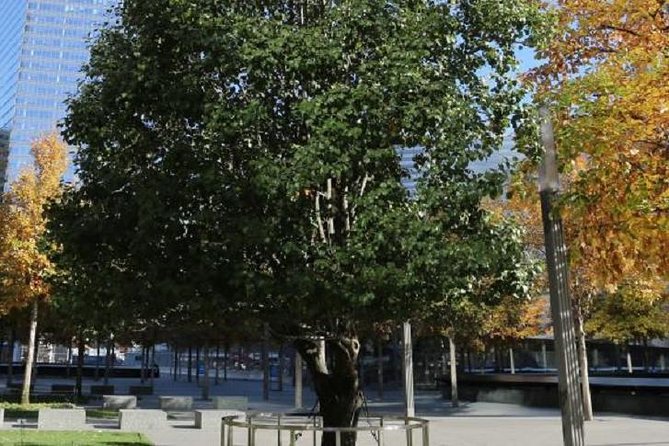
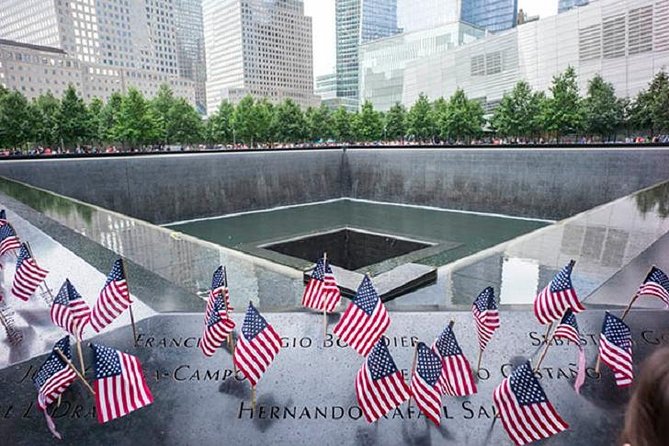
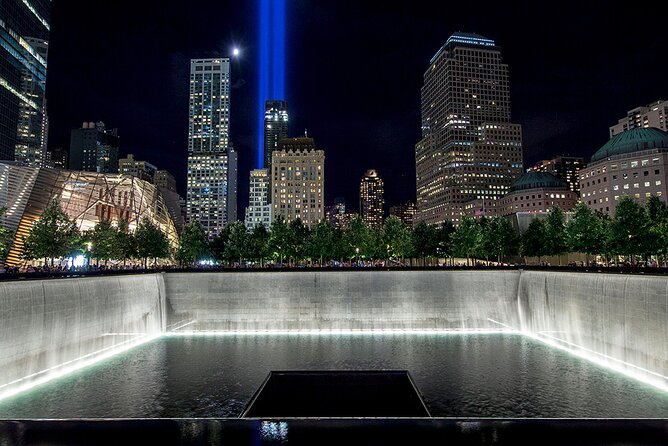
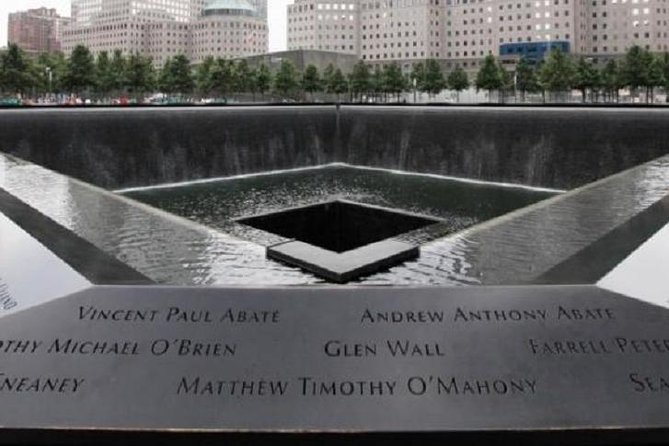
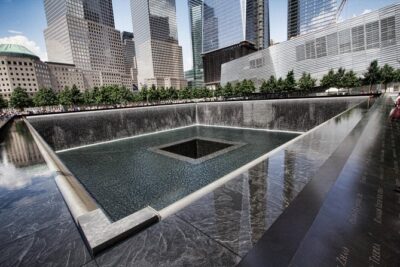
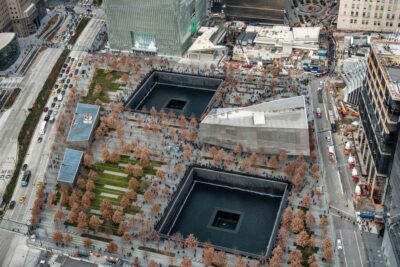
The museum sits beneath the National September 11 Memorial. Before entering, take time to look at the two large reflecting pools that occupy the footprints of the Twin Towers.
The outdoor memorial gives you a quiet physical reference for the scale of the original buildings. Names of those who died surround the pools, and the steady flow of water creates a calmer mood than the busy streets nearby.
I recommend treating the memorial and museum as one experience, even though the ticket is for the museum. Spend a few minutes outside first. It helps you understand where you are before the indoor exhibits add dates, voices, images, and objects.
The setting also makes the visit feel personal rather than abstract. You are not simply entering a gallery about a distant event. You are standing at the place where it happened.
Enter the underground museum through its main exhibitions
The museum’s location below the memorial is central to its design. You move from the open air and reflecting pools into a series of underground spaces containing artifacts, photographs, recordings, films, and explanatory displays.
The main exhibition, September 11, 2001, is arranged in three parts. It tells the story of the day, examines the motives behind the attacks, and explains the effects that followed. This structure helps you move beyond the familiar television images and understand the broader sequence of events.
For someone who remembers September 11, the material may bring back memories of where you were and what you were doing. For younger visitors, it provides the background that documentaries or school lessons often cannot. The museum connects individual experiences with the wider local and global changes that followed.
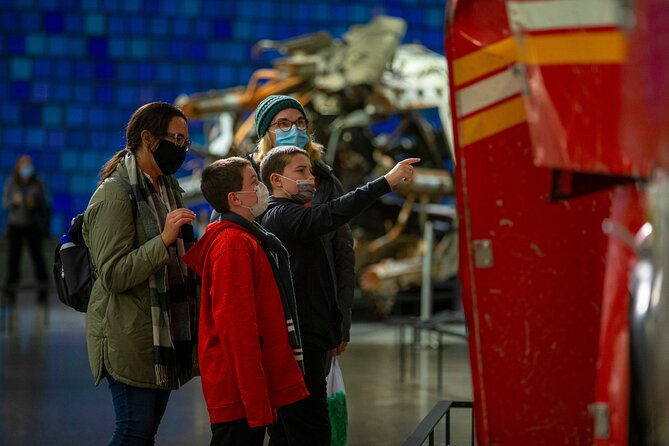
You will hear first-person accounts and see objects recovered from the site. The museum also includes multimedia presentations that add voices and context. One presentation featuring accounts from President George W. Bush and other public figures has been especially meaningful for some visitors.
The museum does not present the day as a single headline. It shows a chain of human decisions, fear, confusion, courage, and loss. That makes the visit more demanding, but also more useful.
Spend time with In Memoriam
The second main exhibition, In Memoriam, honors the people killed in the 2001 attacks and the 1993 World Trade Center bombing.
This part of the museum is less about the broad political story and more about individual lives. The memorial material gives names and faces to the number 2,983. Personal photographs and accounts make clear that the victims were workers, visitors, rescuers, and ordinary people with families and plans.
This can be the hardest section for many people. You may hear messages recorded by people who did not know they were saying goodbye. You may also encounter material about first responders and those who tried to help others under terrifying conditions.
I would not plan this visit between two tightly scheduled activities. You need room to pause. Some people finish the museum in two hours, while others spend three hours or more because they stop to read, listen, and process what they are seeing.
The presentation is respectful, but respectful does not mean easy. Parents should decide how much information is suitable for their children. Children ages six and under enter free, and children around nine or ten may have many questions as they go through the exhibits.
More 9/11 Memorial visits:
- 9/11 Memorial, Ground Zero Tour with Optional 9/11 Museum Ticket
★ 5.0 · 6,381 reviews - All-Access 9/11: Ground Zero Tour, Memorial and Museum, One World Observatory
★ 5.0 · 4,886 reviews - NYC City Tour: Statue of Liberty, 9/11 Memorial, Wall Street
★ 4.5 · 2,059 reviews - Ground Zero 9/11 Memorial Tour & Optional 9/11 Museum Ticket
★ 4.7 · 1,584 reviews
See artifacts that make the event real
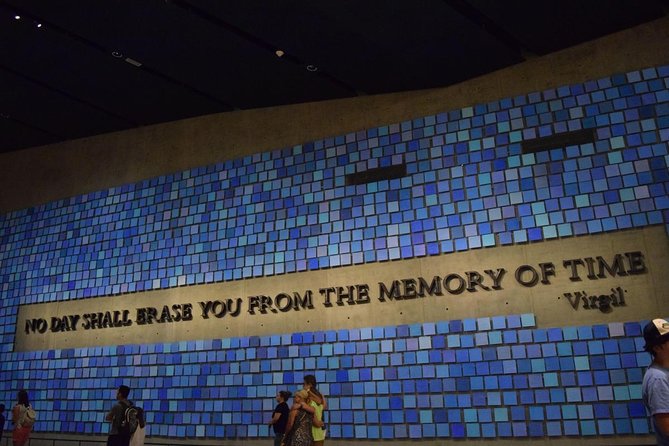
Photographs and news footage can feel familiar after years of documentaries. Physical objects create a different response.
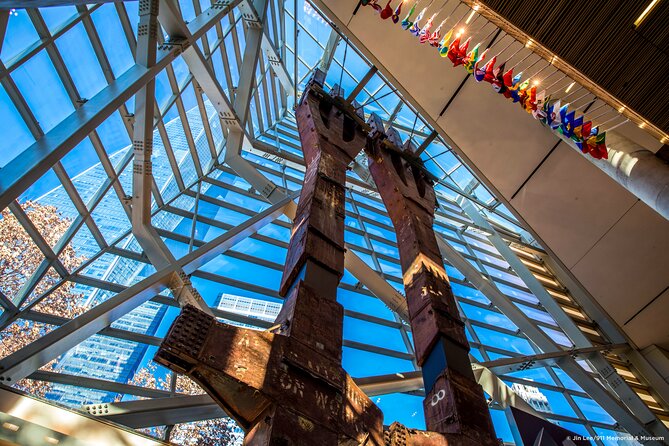
The museum’s collection includes artifacts from the World Trade Center site and items connected to the people affected. Seeing damaged objects, personal belongings, and remnants of the buildings brings the size of the disaster down to human scale.
This is one reason I consider the museum worth visiting even if you have already watched many programs about September 11. A screen can explain what happened. An object that survived the event can make the facts feel immediate.
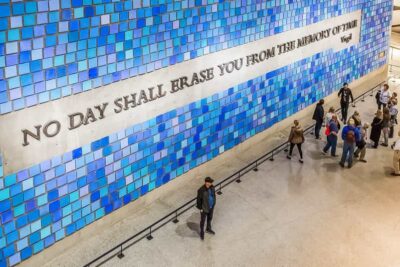
The museum also uses art and memorial displays. Some visitors may find these sections moving, while others may prefer more photographs, testimony, or documentary footage. The balance between artifacts, art, and interpretation will not suit everyone equally.
If you want a factual, fast-moving museum, this may feel slow. If you want time to consider the personal cost of the attacks, the design gives you plenty of material.
Allow time for the multimedia displays
The audio and video material is a major part of the experience. You will encounter personal accounts, recorded messages, photographs, and films that describe the day and its aftermath.
These displays often receive the strongest praise because they bring individual voices into the museum. They also explain the human response after the attacks, including grief, courage, rescue work, and recovery.
The amount of material can be a strength and a problem. You can learn a great deal, but you cannot absorb everything in a short visit. The suggested minimum is two hours, and that is sensible. If you want to listen to most recordings and read the written displays, plan on three hours.
Cell phones may not be used for conversation in exhibition spaces or theaters. That rule is reasonable here. Keep your phone silent and use it only for permitted private, non-commercial photography.
Photography is allowed for private, non-commercial use, but it is worth asking yourself when a camera adds anything. The museum is better experienced with your attention on the displays rather than on collecting pictures.
Understand the practical entry rules

A mobile timed-entry ticket gives you direct admission once you reach the museum and pass security. Confirmation is sent within 48 hours of booking, subject to availability.
All visitors go through airport-style security. Large bags, large umbrellas, backpacks, and other oversized items may need to be stored in the coat room. Pack light if you can. A small bag makes the entry process easier and keeps your hands free inside.
There is no re-entry after you leave. This is important when planning your day. Use the restroom, visit the memorial pools, and make any needed arrangements before exiting for good.
The museum is near public transportation, and most people can participate. It is wheelchair and stroller accessible, and service animals are permitted. These details make it workable for families and people with mobility needs, though the emotional content remains the main factor in deciding if it is suitable.
Decide how much time your group needs
The stated visit length is about two hours, but I would treat that as a starting point rather than a limit.
A quick visit might include:
- The outdoor memorial pools
- A walk through the September 11, 2001 exhibition
- A shorter look at In Memoriam
- Several major artifacts and films
A fuller visit gives you time to listen to personal accounts, examine photographs, read the written material, and pause when the subject becomes heavy.
Families should set expectations before entering. Younger children may understand the exhibits differently from adults and may ask direct questions. That can be valuable, but you should be ready to explain difficult material in your own words.
For visitors who remember the attacks, the museum may feel especially personal. For those born after 2001, it offers a clear setting for learning about an event that shaped American life and international affairs before they were old enough to understand it.
Consider the extra costs and small annoyances
The admission price includes the timed ticket only. Food and drinks are not included, and the museum also has a cafe and store. Some people find repeated donation requests, including at the cafe and store, irritating after paying for admission.
Audio devices cost extra. You can still explore without one, but visitors who want every spoken detail should account for that additional expense.
These complaints do not erase the value of the museum, but they are useful to know before you arrive. At $36, you are paying for access to a major memorial institution, not a casual attraction. If you are watching your budget, make the museum your main Lower Manhattan activity and allow enough time to justify the ticket.
A shopping mall across the street provides an easy place to find food or continue your day afterward. The museum itself does not include refreshments, so plan your meal around the visit.
Who will appreciate this museum most
I would recommend this experience to:
- Adults who remember September 11 and want a respectful place to reflect
- Younger visitors who need context about the attacks and their effects
- Families prepared to discuss difficult history
- People interested in first-person testimony and original artifacts
- Visitors exploring Lower Manhattan who can spare at least two hours
- Anyone who wants to honor the victims and first responders in person
I would think twice if you dislike emotionally intense museums or have only a short window between other bookings. The museum is not designed for a quick photo stop.
The exhibits can also feel different depending on what you expect. If you want a large collection of documentary footage, you might wish there were more film material. If you prefer art and memorial objects, those sections may receive more of your attention.
Book ahead and protect your schedule
The experience is booked an average of 23 days in advance, so I would not leave it until the last moment, especially if your New York dates are fixed. A timed ticket gives you a more reliable plan for one of the city’s most visited memorial sites.
Free cancellation is available if you cancel at least 24 hours before the start time. Cancellations made within 24 hours are not refunded, and changes inside that period are not accepted. Since cut-off times use local time, check the booking details carefully if you are arranging the visit from another time zone.
Try to book a slot that does not force you to hurry. You may finish in two hours, but the subject matter often makes people stop longer than expected.
Should you book the 9/11 Memorial Museum?
Yes, if you want a serious, carefully presented account of September 11 and can give it the time it deserves.
I would book it for the combination of the outdoor memorial, personal testimony, original artifacts, and the two main exhibitions. The timed entry is useful, the museum is accessible, and the self-guided format lets you move at a pace that suits your group.
Just understand the nature of the visit. It is sad, direct, and sometimes difficult to process. The $36 price is fair only if you avoid rushing through. Book ahead, pack light, silence your phone, and leave space in your day afterward.
FAQ
How much does admission to the 9/11 Memorial Museum cost?
The admission ticket costs $36 per person. Children ages six and under are free.
How long does the museum visit take?
The estimated duration is about two hours. You may need longer if you listen to recordings, watch the multimedia displays, and read the exhibits carefully.
Is the ticket timed entry?
Yes. The ticket provides timed admission, subject to availability, and can be presented on your mobile device.
Can I explore the museum at my own pace?
Yes. This is a self-guided admission, and you can stay as long as you want after entering.
What exhibitions are included?
The museum includes In Memoriam, which honors those killed in the 2001 and 1993 attacks, and September 11, 2001, a three-part exhibition about the attacks, their motives, and their local and global effects.
Is the museum wheelchair accessible?
Yes. The 9/11 Memorial Museum is wheelchair and stroller accessible.
Are service animals permitted?
Yes. Service animals are allowed.
Will I go through security?
Yes. All visitors are screened by airport-style security.
Can I take photographs inside?
Photography is permitted for private, non-commercial use. Cell phone conversations are prohibited in exhibition spaces and theaters.
Can I re-enter after leaving?
No. Re-entry is not allowed after you exit the building.
Can I cancel the ticket for a refund?
Yes, if you cancel at least 24 hours before the experience start time. Cancellations within 24 hours are not refunded, and changes during that period are not accepted.
Just added in New York City
- All Inclusive Airport Arrival Transfer to NYC/ Brooklyn/Queens★ 4.0 · 849 reviews
- All Inclusive Airport Departure Transfer NYC/ Brooklyn/Queens★ 4.0 · 342 reviews
- The Escape Game Brooklyn: Epic 60-Minute Adventures in City Point★ 5.0 · 332 reviews
- Brooklyn Food Walking Tour: Local Eats & Family‑Run Shops★ 5.0 · 592 reviews
- Brooklyn Bridge & DUMBO Food Tour: Local Eats & Landmarks★ 5.0 · 478 reviews
- Harlem: Central Harlem Sunday Gospel with Locals★ 3.9 · 499 reviews
- West Harlem: Gospel Church Service and Sunday Walking Tour★ 4.3 · 411 reviews
- Manhattan: Statue and Skyline Cruise Aboard a Luxury Yacht★ 4.8 · 540 reviews
9/11 Memorial Tours, compared.
9/11 Memorial, Ground Zero Tour with Optional 9/11 Museum Ticket
Read our review →
All-Access 9/11: Ground Zero Tour, Memorial and Museum, One World Observatory
Read our review →
NYC City Tour: Statue of Liberty, 9/11 Memorial, Wall Street
Read our review →
Ground Zero 9/11 Memorial Tour & Optional 9/11 Museum Ticket
Read our review →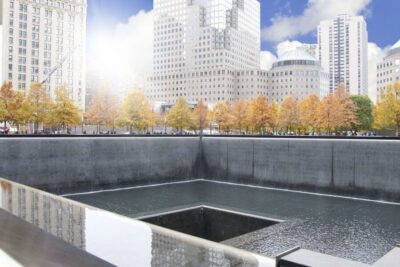
9/11 Memorial Tour and Optional Observatory Ticket
Read our review →
Wall Street Tour with 9/11 Memorial and Statue Ferry
Read our review →Browse the lists this tour appears in