
Reviewed · WHALE WATCHING
Big Island: Pelagic Whale Watch Tour
Watch the open Pacific come alive. This Kona whale and dolphin trip is unusual because it can reach both near-shore waters and the pelagic zone, where the sea drops thousands of feet. I like the wide range of wildlife, from spinner dolphins and manta rays to pilot whales, sharks, and whale sharks. I also like the strong naturalist program, with guides such as Andrew, Olivia, and Dennis explaining animal behavior as you watch it unfold. The main drawback is simple: wild animals do not follow a schedule, and rough water can make the fast ride uncomfortable.
The outing leaves at 8:30 a.m. from Honokohau Harbor and lasts about three to four hours. You ride aboard Artemis, a 46-foot catamaran with padded seating, shaded and sunny areas, soft flooring, and open 360-degree viewing. Take motion sickness seriously, arrive ready for the ocean, and understand that even a well-run trip can return without dolphins or whales.
In This Review
- Key things to know before booking
- Why Kona is a strong place for whale watching
- Leaving Honokohau Harbor at 8:30 a.m.
- Artemis, the 46-foot catamaran
- The near-shore search: dolphins, rays, and winter humpbacks
- Heading offshore into the pelagic zone
- The naturalists make the difference
- What you might see, and what you might miss
- Is $129 a fair price?
- Who should book this Kona whale watch?
- Booking, cancellation, and useful timing details
- Should you book the Pelagic Whale Watch?
- FAQ
- Where does the tour leave from?
- What time does the tour start?
- How long does the whale watch last?
- What animals might I see?
- Are humpback whales visible all year?
- Can the boat reach deep offshore water?
- What is included in the price?
- Is hotel transportation included?
- What happens if I see no whales or dolphins?
- Can I cancel for a full refund?
Key things to know before booking
- Pelagic access: The US Coast Guard offshore certification lets the crew search waters thousands of feet deep, a range that few Kona boat trips can reach.
- Year-round wildlife: Humpbacks are seasonal, mainly appearing in winter, but pilot whales, dolphins, sharks, flying fish, and other species may be seen all year.
- Naturalist-led trip: Crew members explain migration, feeding, behavior, conservation, local history, and Kona’s marine ecosystem during the search.
- Open viewing design: Artemis offers seating and sightlines around the boat, though other passengers can still block a preferred position.
- Three to four hours for $129: The longer run time allows a broader search area and makes the price fair for a serious wildlife outing.
- No guaranteed sighting: If no whale or dolphin appears, Hawaiian Adventures says you may join another trip for 50 percent off, subject to its stated policy.
Why Kona is a strong place for whale watching
Kona has an advantage that becomes clear once you understand the shape of its coast. Deep water lies fairly close to shore, so a boat can move from coastal viewing areas toward offshore habitat without spending the entire morning simply reaching the search zone.
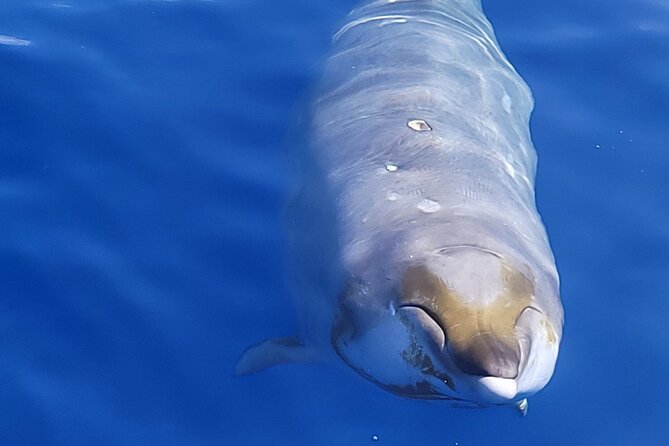
Near shore, the possible sightings include humpback whales in winter, spinner dolphins, bottlenose dolphins, manta rays, and flying fish. Farther out, the water may hold short-finned pilot whales, beaked whales, sperm whales, spotted dolphins, whale sharks, and oceanic white tip sharks.
That variety changes the nature of the trip. This is not only a seasonal humpback excursion. If you visit outside winter, you still have a real reason to go, since several whale and dolphin species live in or pass through Kona waters throughout the year.
The word pelagic means open-ocean habitat. Here it matters because the crew can search areas that many shorter coastal tours cannot reach. The trade-off is a longer, faster ride and a greater chance of ocean motion.
More Whale Watching Trips in Big Island of Hawaii:
- Whale Watching On The Big Island
★ 5.0 · 573 reviews - Zodiac Raft Whale Watching Adventure
★ 5.0 · 456 reviews - Juneau Wildlife Whale Watching
★ 5.0 · 7,379 reviews
Leaving Honokohau Harbor at 8:30 a.m.
The meeting point is 275 Kealakehe Parkway in Kailua-Kona, at Honokohau Harbor. Hotel transportation is not included, so you need to make your own way there. The activity returns to the same location after the boat trip.
A morning departure is useful for several reasons. You have the rest of the day free, and the timing gives the crew a full three to four hours to search. It also fits well with a Kona schedule that includes an afternoon at the beach, a scenic drive, or a quiet lunch after returning.
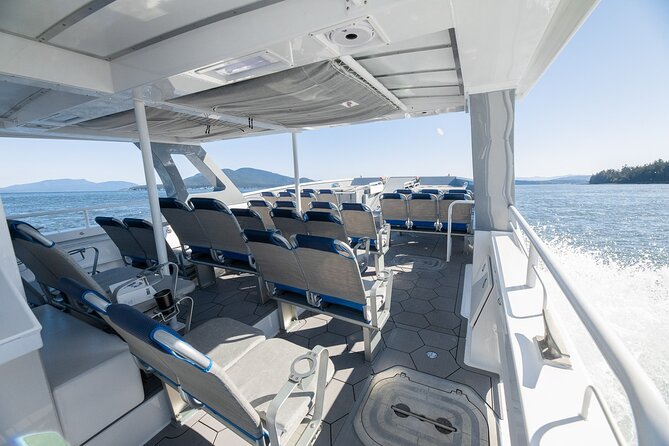
The group can include up to 42 people. That is not an intimate private charter, but Artemis has room for seating and movement, with viewing opportunities around the vessel. The open layout is designed for wildlife watching rather than a fixed forward-facing ride.
One practical point deserves attention: a passenger said some people stood in front of others while moving around the boat. The crew cannot control every choice made by fellow passengers. The 360-degree arrangement helps, but it is still wise to stay alert and move respectfully when something appears.
Artemis, the 46-foot catamaran
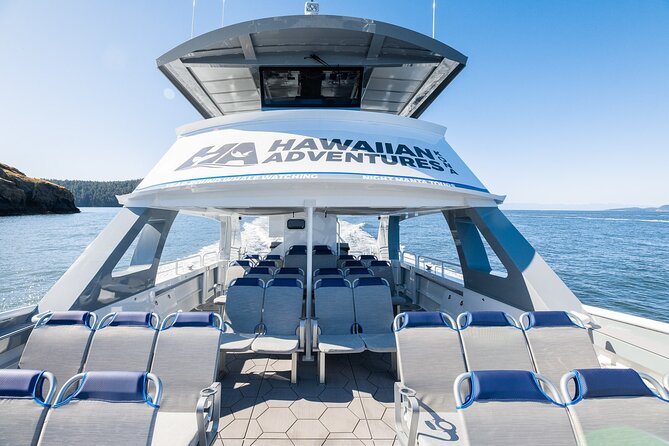
The boat is one of the strongest parts of the experience. Artemis is a 46-foot catamaran, and its two-hull design is intended to handle ocean swells with more stability than a single-hull boat.
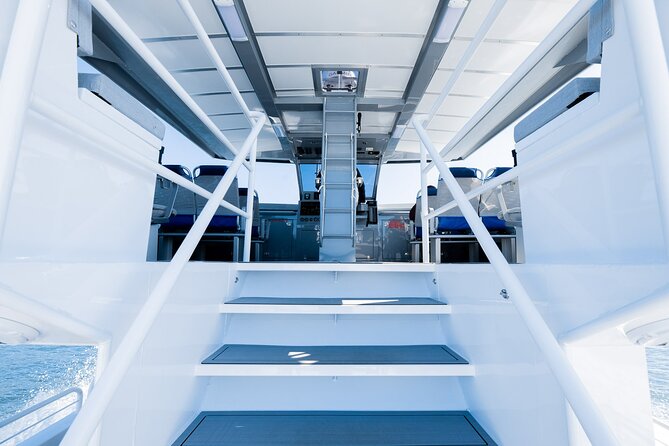
The vessel has padded seats, soft foam flooring, handholds, and railings. There are shaded sections and full-sun areas, so you can choose some shelter or better exposure to the sky. Cold soft drinks and bottled water are included.
Those details sound modest, but they matter on a three or four-hour outing. You are not simply standing at a rail for a quick look. You may spend a long stretch scanning the water, waiting for a blow, fin, splash, or group of dolphins. Comfortable seating makes that waiting much easier.
Still, a catamaran does not turn the Pacific into a swimming pool. One disappointed passenger found the ride fast and choppy, with sore muscles from holding on. Another specifically advised taking motion sickness medicine in advance if you are prone to seasickness.
Kona is often described as having some of the calmer waters around the Big Island, but conditions vary. If you know that boat motion bothers you, prepare before boarding rather than waiting until you feel ill. The crew has helped passengers with seasickness, but prevention is your best tool.
The near-shore search: dolphins, rays, and winter humpbacks
The first part of the search can focus on the coastal zone. This area may produce spinner dolphins, bottlenose dolphins, manta rays, flying fish, and humpback whales during the winter season.
Spinner dolphins are especially entertaining because they may leap and rotate above the water. A large group of them can become the morning’s main event, even for someone who booked mainly to see whales. Bow-riding dolphins are another possibility, giving you a close moving view as they travel at the front of the boat.
Humpback sightings are more seasonal. Winter offers the best chance for these famous whales, and the reported behaviors have included breaching, chin slaps, spyhops, and whales swimming directly beneath the boat. Those dramatic moments are never promised, but they are the kind of encounters that can define a trip.
The coast itself is part of the experience. From offshore, you see Kona from a different angle, while the naturalist may point out local sites and working features such as fish farms and a seahorse farm. The commentary gives the ride a stronger sense of place than a simple search for fins.
A few more options to weigh up in Big Island of Hawaii
- Big Island in a Day: Volcanoes Waterfalls Sightseeing and History
★ 5.0 · 6,569 reviews - Big Island Manta Ray Night Snorkel
★ 5.0 · 5,656 reviews - Big Island: Kona Manta Ray Snorkel Tour in Keauhou Harbor
★ 4.5 · 2,465 reviews - Hilo Shore Excursion: Volcanoes National Park & Black Sand Beach
★ 4.5 · 2,338 reviews
Heading offshore into the pelagic zone
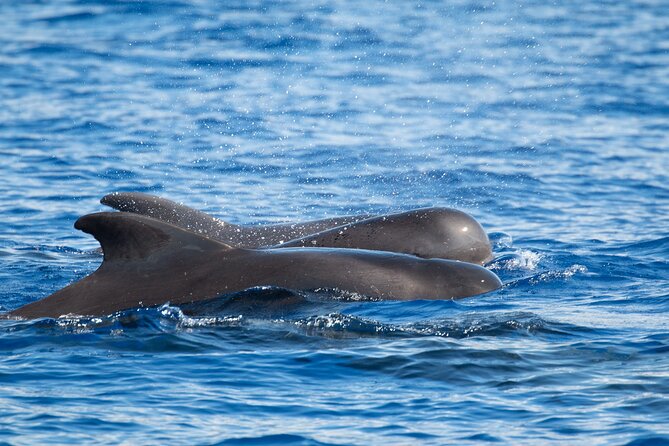
If the near-shore search does not provide enough action, or if conditions and animal movements suggest heading farther out, the crew can reach the pelagic zone. This is where the tour earns its name and its higher level of interest.
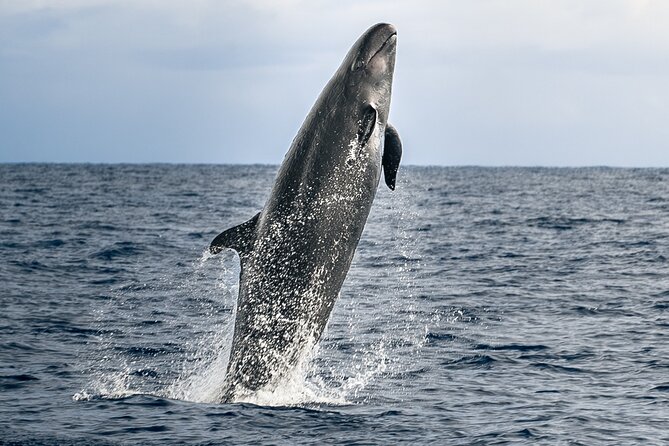
The offshore area may hold short-finned pilot whales, sperm whales, beaked whales, spotted dolphins, and whale sharks. Reports also include oceanic white tip sharks, tiger sharks, and scalloped hammerhead sharks, along with pods of pilot whales and multiple dolphin species.
These are not routine sightings on every departure. A whale shark, for example, is described as rare during one outing. That is important context: the tour offers access and a capable search strategy, not a menu of guaranteed animals.
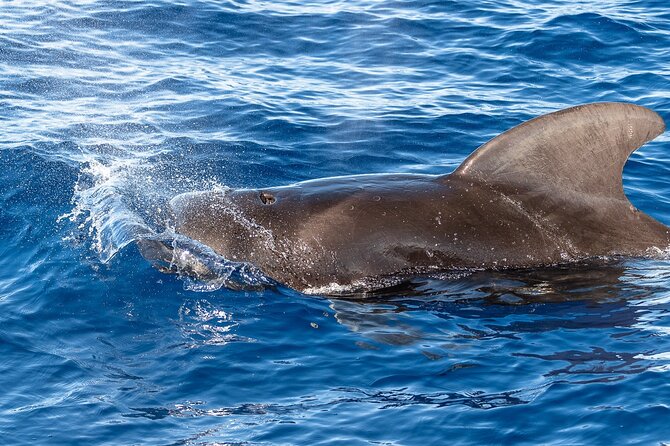
Pilot whales are a major year-round possibility. They may travel in pods, and one reported encounter included an individual rolling and vocalizing near the surface. Another outing produced vertical spyhopping behavior, with whales raising their eyes above the water to look at the boat.
The broader search range is valuable because it gives the crew more options. It also adds time on open water. You may spend part of the excursion moving between areas, scanning for signs, and waiting for an animal to surface. If you prefer a short, predictable boat ride, this may feel too open-ended. If you enjoy the search itself, the uncertainty is part of the appeal.
The naturalists make the difference
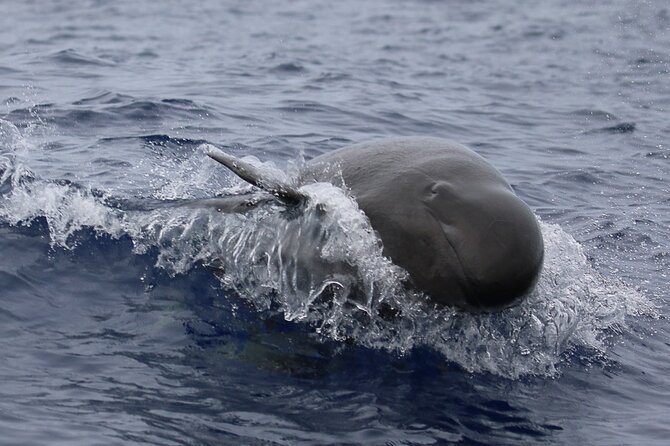
The crew receives some of the warmest praise, especially for turning sightings into lessons. Andrew and Olivia are repeatedly singled out for their energy and clear explanations. Dennis is also praised for bringing strong naturalist knowledge to the trip.
Expect commentary on whale migration, food, behavior, and the reasons different species visit Hawaii. The crew also discusses the Kona ecosystem, conservation, local culture, and points along the coast.
This information changes how you watch. A whale surfacing is interesting on its own. Learning to recognize a breach, chin slap, spyhop, or a whale’s pass beneath the boat gives you more to look for. The naturalist can also identify species that may otherwise blur into a quick glimpse of gray, whitewater, or a dorsal fin.
The educational side is especially useful when sightings are brief. You may not get a perfect photograph, but you can still come away understanding what you saw and why it was there.
The crew also emphasizes the safety of both people and wildlife. That matters on a wildlife trip, where the goal is observation rather than pursuit. The captain decides how to work with the animals and the sea conditions, while the naturalist keeps the experience focused and informed.
What you might see, and what you might miss
The advertised range includes more than a dozen whale and dolphin species, but no one can promise a particular animal on a particular morning. Some outings have produced whales, several dolphin species, sharks, flying fish, and rays. Others have found only a few glimpses of a humpback or a group of dolphins.
A small number of departures have returned without either whales or dolphins. One passenger saw pilot whales but no dolphins. Another saw no whales or dolphins after three hours, despite praising the crew’s care and explanations.
That is the central risk. The name may suggest a guaranteed show, but nature does not work that way. Hawaiian Adventures states that if you see no whales or dolphins, you may return on another trip for 50 percent off. That is a second chance, not a promise that your first trip will produce a sighting.
I would book this for the quality of the search, the offshore range, and the crew’s teaching, not because I expect a breach on demand. The ocean may give you a spectacular morning, a pleasant ride with a few distant fins, or a long search with no major sighting.
Is $129 a fair price?
At $129 per person, this is not the cheapest quick boat ride in Kona. The value comes from the three to four-hour duration, the professional crew, the 46-foot catamaran, the drinks, and the ability to search both coastal and offshore waters.
A short trip might be enough if you only want a quick look at the coast. This outing makes more sense if wildlife is a main reason for your morning and you want the crew to keep searching rather than turn back after a brief coastal circuit.
The price also includes access to a naturalist-led experience rather than a silent ride. The strongest outings produced several species in one morning: pilot whales, spinner dolphins, bottlenose dolphins, sharks, sperm whales, and flying fish have all appeared across different trips.
Value depends on your expectations. If you need a guaranteed humpback or dolphin photograph, $129 may feel risky. If you understand that you are paying for time, access, equipment, and an informed search in the wild, the price is reasonable.
Who should book this Kona whale watch?
I would recommend it to adults and families with children aged 10 and older who enjoy marine life, photography, and learning while they watch. The crew’s explanations make the trip more rewarding for anyone who wants more than a passing glimpse.
It suits people with a flexible attitude. You need to accept changing conditions, moving between search areas, and the possibility that one species will steal the spotlight from another. A morning filled with spinner dolphins or pilot whales can still be a success if humpbacks do not appear.
I would be cautious if you are very sensitive to motion, have limited stamina for a three to four-hour boat trip, or need a fixed timetable of sightings. The crew is attentive, the boat is designed for comfort, and most people can participate, but open-ocean conditions remain beyond anyone’s control.
Service animals are allowed, and the meeting point is near public transportation. The tour is not appropriate for children under 10.
Booking, cancellation, and useful timing details
This activity is often reserved about 37 days ahead, so booking early is sensible if your Kona dates are fixed. Confirmation arrives at booking, and the tour is offered in English with a mobile ticket.
You can cancel free of charge up to 24 hours before the start time for a full refund. Changes or cancellations made inside that 24-hour window are not accepted for a refund.
The trip needs suitable weather and a minimum number of participants. If the company cancels for poor weather or because the minimum is not reached, you can choose another date or experience, or receive a full refund.
Should you book the Pelagic Whale Watch?
Book it if you want a serious wildlife search with access to both Kona’s coastal waters and its deep offshore zone. The naturalists, especially Andrew, Olivia, and Dennis, add real value, and Artemis gives you a stable, open platform for watching.
Book in winter if humpbacks are your top goal, but do not treat the season as a guarantee. Outside winter, pilot whales, dolphins, sharks, rays, flying fish, and other wildlife keep the trip worthwhile.
Skip it if you need certainty, dislike boat motion, or would be frustrated by a morning without a major sighting. For everyone else, the combination of time, range, crew, and species variety makes this one of Kona’s better choices for seeing the Big Island from the water.
FAQ
Where does the tour leave from?
The tour departs from 275 Kealakehe Parkway, Kailua-Kona, Hawaii, at Honokohau Harbor.
What time does the tour start?
The scheduled start time is 8:30 a.m.
How long does the whale watch last?
The experience lasts approximately three to four hours and returns to the original meeting point.
What animals might I see?
Possible sightings include humpback whales, pilot whales, sperm whales, beaked whales, spinner dolphins, bottlenose dolphins, spotted dolphins, manta rays, whale sharks, sharks, and flying fish.
Are humpback whales visible all year?
Humpback whales are highlighted during the winter months. Other whale and dolphin species may be seen throughout the year.
Can the boat reach deep offshore water?
Yes. The boat has US Coast Guard offshore certification and can reach the pelagic zone, where the water may be thousands of feet deep.
What is included in the price?
The price includes the whale watching tour, professional crew, bottled water, and soft drinks.
Is hotel transportation included?
No. Hotel pickup and drop-off are not included, so you must get to and from the Honokohau Harbor meeting point.
What happens if I see no whales or dolphins?
Hawaiian Adventures states that you may join another trip for 50 percent off if no whales or dolphins are seen. Sightings remain subject to wildlife and ocean conditions.
Can I cancel for a full refund?
Yes. You can cancel at least 24 hours before the start time for a full refund. Poor weather or failure to meet the minimum number of participants may also result in a different date, another experience, or a full refund.
Just added in Big Island of Hawaii
- Volcano Adventure: Hilo Sightseeing w/ Optional Helicopter Tour★ 4.5 · 412 reviews
- Hilo Shore Excursion: Active Volcano, Lava Tube, Waterfall and Gardens★ 5.0 · 393 reviews
- Kealakekua Bay Snorkeling Tour – 4 hour Kona Zodiac Adventure★ 5.0 · 508 reviews
- Zodiac Raft Whale Watching Adventure★ 5.0 · 456 reviews
- Whale Watching On The Big Island★ 5.0 · 573 reviews
- Big Island, Hawaii: Volcanoes National Park Safari★ 4.5 · 545 reviews
- Manta Ray Night Snorkel Tour in Kailua-Kona, Big Island★ 5.0 · 382 reviews
- Hawaii Volcanoes, Waterfalls, Beaches & Hilo Highlights Day Tour★ 5.0 · 391 reviews
Whale Watching, compared.
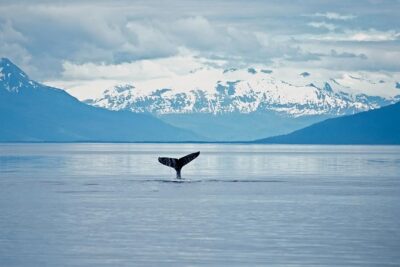
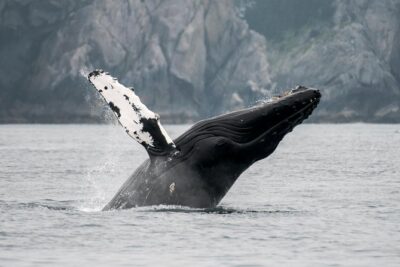
Juneau Wildlife Whale Watching & Mendenhall Glacier
Read our review →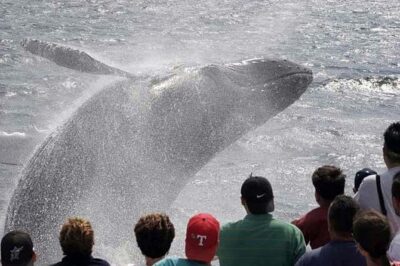
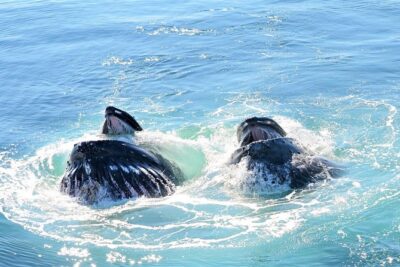
City Cruises Boston Whale Watching Cruise by High-Speed Boat
Read our review →
Whale Watching Trips to Stellwagen Bank Marine Sanctuary. Guaranteed sightings!
Read our review →
2-Hour Oahu Whale Watch from Ala Wai Harbor, Waikiki
Read our review →Browse the lists this tour appears in