

Reviewed · NEW ORLEANS TOURS
From New Orleans: Oak Alley Plantation Tour
The oak-lined approach is the star. From New Orleans, this half-day trip combines a comfortable coach ride, a guided visit to Oak Alley’s Greek Revival house, and time to walk the grounds beneath 28 enormous live oaks. I especially like the spectacular avenue of trees and the chance to learn about plantation life, including the experiences of enslaved people. The main drawback is time: two hours at the plantation can feel short, especially if you want the house tour, exhibits, grounds, restaurant, and shop.
The tour also earns points for simple hotel pickup and drop-off across New Orleans. Drivers such as Gary, Barbara, Keith, and Todd have been praised for being friendly, funny, and informative, though the quality of the plantation house guiding can vary. If you prefer a relaxed, small-group visit with lots of time for questions, this may feel rushed.
In This Review
- Key points to know before you go
- Why Oak Alley makes a strong New Orleans side trip
- Pickup in New Orleans: convenient, but allow patience
- The 70-minute coach ride to Vacherie
- Arriving beneath the famous Oak Alley trees
- Inside the Greek Revival plantation house
- Slavery and the wider plantation story
- Exploring machinery, grounds, and original features
- Is two hours enough at Oak Alley?
- What the $75 price really covers
- Who will enjoy this tour most?
- Should you book Oak Alley Plantation from New Orleans?
- FAQ
- How long does the Oak Alley Plantation tour take?
- What is included in the $75 price?
- Where does pickup take place?
- Is the tour conducted in English?
- How much walking is involved?
- Can I cancel the tour if my plans change?
Key points to know before you go

- The 28 live oaks predate the house: The trees form the famous approach that gives Oak Alley its name.
- The main house tour is guided: Much of the wider property is explored independently, so you control your pace outdoors.
- The drive takes about 70 to 75 minutes each way: The coach ride is a large part of this five-and-a-half-hour outing.
- The plantation story includes slavery: The experience addresses the lives and hardships of enslaved people, not only the wealthy owners.
- The $75 price includes transport and admission: Hotel pickup, return service, entry, and the guided tour are covered, but food is extra.
- Wear shoes for walking and prepare for heat: The tour requires walking, and summer conditions can be hot, humid, and wet.
Why Oak Alley makes a strong New Orleans side trip
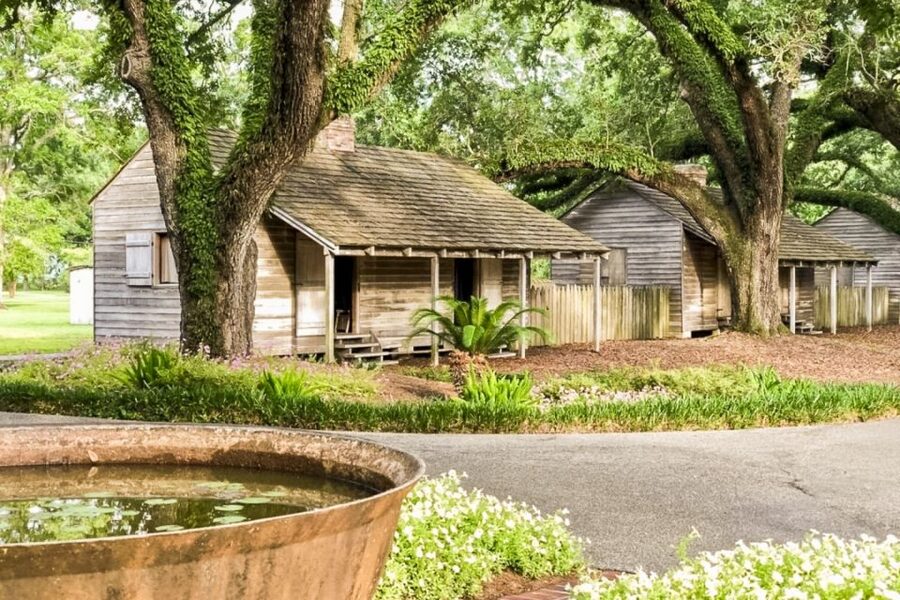
New Orleans has no shortage of history within its streets. Yet Oak Alley gives you a different view of Louisiana, one shaped by the Mississippi River, large agricultural estates, enslaved labor, and the wealth of plantation owners. It is about 75 minutes from the city, so you trade French Quarter balconies for open grounds and a grand approach shaded by live oaks.
The journey matters because the plantation is not just an old house. The setting helps explain how these estates were presented and maintained. The long tree-lined road leads your eye straight toward the house, creating the grand arrival the owners wanted visitors to see.
I find the contrast useful. The property is beautiful, but the beauty should not blur the hard facts behind it. Oak Alley works best when you treat the architecture and trees as part of a larger story about wealth, forced labor, family life, agriculture, and the people whose work made the estate possible.
A few more options to weigh up in New Orleans
- New Orleans Premier Ghost, Voodoo and Vampire Walking Tour
★ 4.5 · 12,856 reviews - New Orleans Steamboat Natchez Jazz Cruise with Dinner Option
★ 4.0 · 7,533 reviews - Adults-Only New Orleans Ghost, Crime, Voodoo, and Vampire Tour
★ 5.0 · 6,545 reviews
Pickup in New Orleans: convenient, but allow patience
Pickup is offered from a very large list of hotels and central locations, including properties in the French Quarter, Central Business District, Garden District, Warehouse District, and parts of the West Bank. You receive a 30-minute pickup window, roughly from 8:15 to 8:45 in the morning, so do not plan a tight breakfast reservation or another early activity.
Be outside your accommodation and watch for a bus marked Alert Transportation. The practical lesson is simple: do not wait inside the lobby while the driver searches for you. With so many pickup points, the vehicle needs to keep moving.
The hotel service is one of the tour’s better features. You do not need to find a rental car, navigate unfamiliar roads, or arrange a taxi back after a long day. Return transportation is also included, with a wide network of drop-off locations.
The tradeoff is the number of stops. Your actual departure time can depend on where you are in the pickup order, and the ride may feel less direct than a private transfer. A coach carrying roughly 30 people is possible, so this is best viewed as a practical shared excursion rather than a private outing.
The 70-minute coach ride to Vacherie
The drive to Oak Alley takes about 70 to 75 minutes. It is a long stretch of road before the main attraction, but the bus ride can add useful context when the driver provides commentary about New Orleans, the area, Hurricane Katrina, and the region’s geography.
Drivers have made a real difference on this trip. Gary is often praised for his humor and entertaining stories, while Barbara, Keith, and Todd have also been singled out for warm service. That said, the amount of commentary is not guaranteed. Some departures have included a lively introduction to the area, while others have offered little explanation along the route.
If you sit toward the back, hearing the driver can be difficult. I would choose a forward seat if you care about the road commentary. The route itself may include long stretches of marsh and relatively little to see, so bring water, settle in, and think of the journey as part of the day rather than a sightseeing tour in its own right.
The return ride can include a transfer. Some buses collect people finishing a swamp excursion, and Oak Alley passengers may be moved between vehicles. This is not necessarily a problem, but it can surprise you if you expect to remain on one bus all day.
Arriving beneath the famous Oak Alley trees
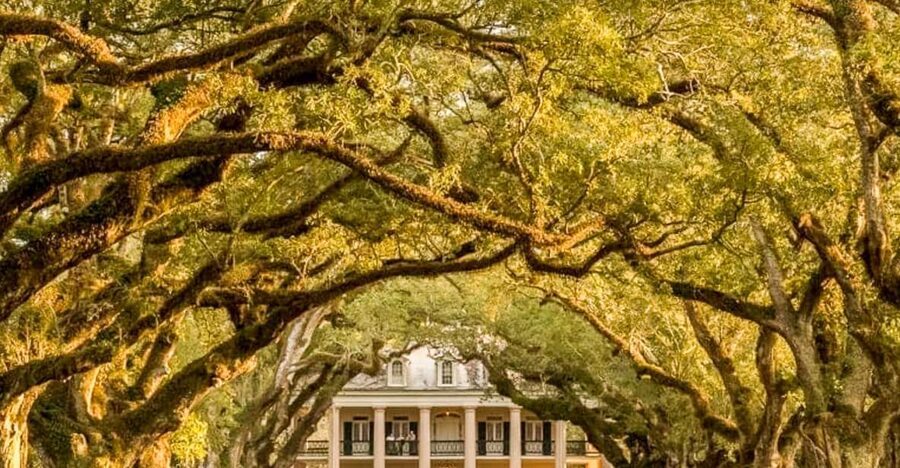
The first view is the one you will likely remember. A double row of huge southern live oaks leads toward the main house, creating a shaded corridor that feels almost theatrical. These 28 trees date from the 18th century and were already growing before the plantation house was built.
This avenue is more than a photo stop. It explains the plantation’s name and shows how carefully the estate’s approach was designed. The oaks frame the house from a distance, giving the property a sense of order and power before you even reach the front steps.
Take your time here if the group moves quickly. Look up at the branching limbs, then back down the long perspective toward the house. In hot weather, the shade is welcome. After rain, the ground may be muddy or saturated, so sensible footwear is a better choice than delicate sandals.
The trees are also a reminder that the property’s oldest living features are not the grand building. The oaks belong to an earlier period and give the site a physical connection to the plantation’s beginnings.
A different kind of day out entirely:
- New Orleans Food Walking Tour of the French Quarter with Small-Group Option
★ 5.0 · 6,118 reviews - New Orleans Swamp and Bayou Boat Tour with Transportation
★ 5.0 · 5,399 reviews - New Orleans Steamboat Natchez Jazz Cruise
★ 4.5 · 5,334 reviews - New Orleans City Sightseeing Hop-On Hop-Off Bus Tour
★ 4.5 · 4,943 reviews
Inside the Greek Revival plantation house

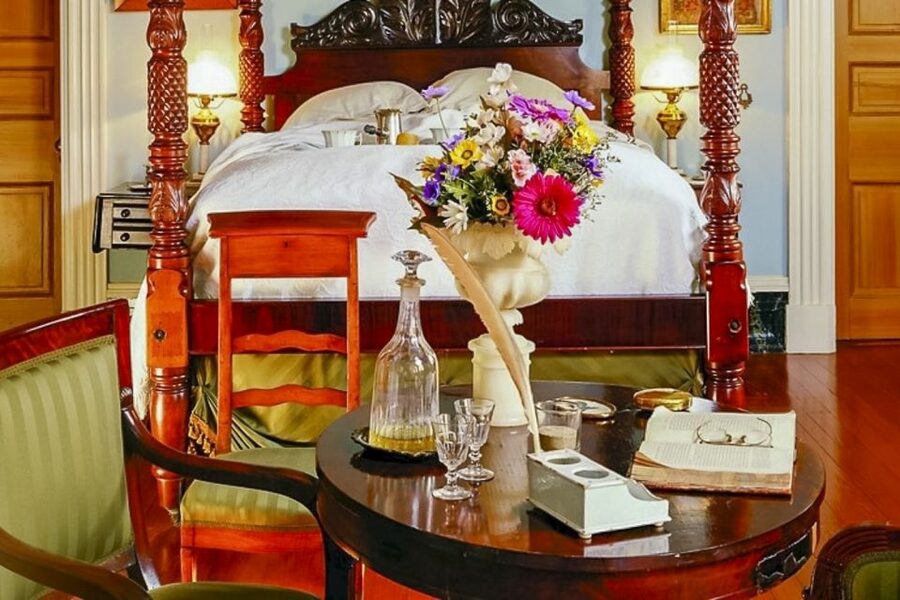
The main house is a 19th-century Greek Revival residence built for one of the South’s wealthiest families. Its columns, symmetry, and formal design express the status the owners wanted to project. The architecture is impressive, but the interior is not enormous, and the guided visit may move quickly when attendance is high.
The house tour is the part led directly by a costumed plantation-style guide. This format gives the visit a clear structure and helps you understand the building’s original purpose, rooms, and period details. It also explains why Oak Alley is associated with the first example of antebellum restoration along the River Road.
You should expect the guided portion to focus mainly on the big house, not every corner of the full property. Several people have found the house tour shorter than expected, with some describing it as around 20 minutes. Others felt the arrangement worked well because it left time to explore the grounds independently.
That difference is important. If you want an extended architectural lecture, the experience may disappoint. If you prefer a concise introduction followed by freedom to wander, the format works better.
Slavery and the wider plantation story

Oak Alley should not be reduced to its columns and oak trees. The plantation’s story is tied to slavery, and the outdoor exhibits and self-guided areas help place enslaved people at the center of the history rather than treating them as a footnote.
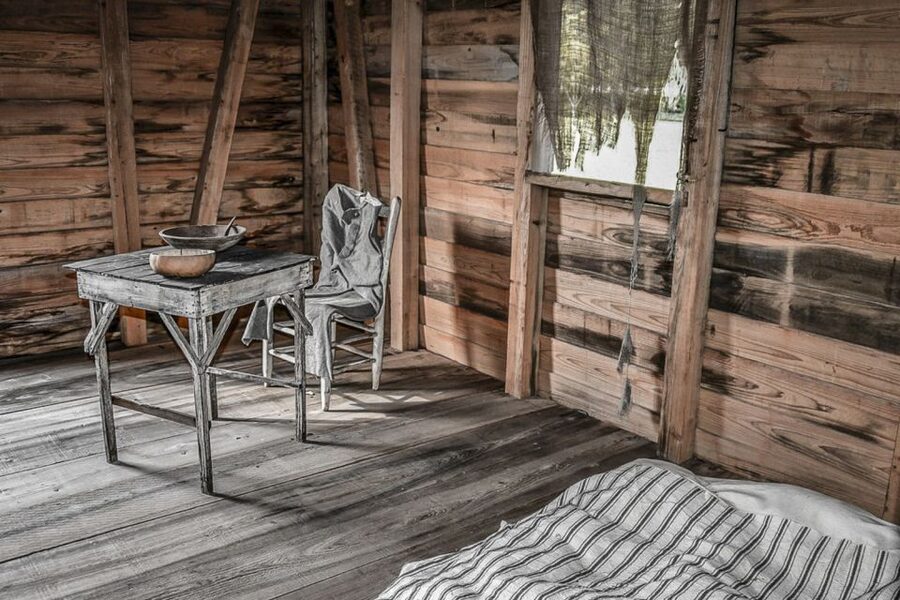
The plantation quarters and related displays can be especially important because they show the daily conditions and limited choices faced by enslaved workers. The presentation has been described as respectful and direct, giving you a clearer sense of the hardships behind the estate’s wealth.
This part of the visit may be self-guided, so read the material carefully and give it time. The guided house tour can explain the owners and architecture, but the independent sections help you understand the people who planted, harvested, cooked, cleaned, built, and maintained the plantation.
You may find the contrast uncomfortable. That is appropriate. A good visit should let you admire the trees and craftsmanship without turning plantation life into a pretty costume story. Oak Alley is most worthwhile when you hold both truths together: the setting is striking, and the system that supported it was cruel.
Exploring machinery, grounds, and original features
After the house tour, you have free time to walk through the grounds and view original features, including antique farm machinery. The machinery gives the agricultural story a more practical edge. Instead of seeing only a refined residence, you get reminders that the estate operated as a working plantation.
The grounds are set up for independent exploration, though you should not expect a guide at every stop. This is where the two-hour visit can feel tight. You may need to choose between lingering under the oaks, reading the slavery exhibits, examining machinery, visiting the house area again, eating, and shopping.
I would set priorities before you arrive:
- Walk the full oak avenue and take photographs.
- Complete the guided house tour.
- Spend focused time with the slavery and plantation-life exhibits.
- See the antique machinery and any areas that interest you most.
- Leave food and shopping until the end.
Some people would happily skip the shop and restaurant to gain more time outdoors. Others will appreciate having both available, especially after the walk. Snacks and refreshments are not included in the $75 price, so budget separately if you want to eat on-site.
Is two hours enough at Oak Alley?
Two hours is enough for the main highlights, but not for a slow visit. You can see the house, walk the famous avenue, explore the major exhibits, and take photographs. You probably cannot study every display, relax over lunch, browse the shop, and wander every path without watching the clock.
Extra time would improve the outing. Around 30 additional minutes would make a noticeable difference, especially for anyone interested in the grounds and self-guided exhibits. The schedule is designed to keep a half-day trip moving, not to give you an entire afternoon at the plantation.
Weather also affects the experience. July and August can be hot, and heavy rain may make the grounds difficult to cross. One strong downpour can leave you soaked, so check the forecast and carry a light rain layer. Morning departures are a smart choice in summer because temperatures are generally easier to handle earlier in the day.
Walking is required. The property is not something you can appreciate entirely from the bus or house entrance, so wear comfortable shoes and be ready to spend time outdoors.
What the $75 price really covers

At $75 per person, this is a fair value if you want convenience. The fee includes hotel pickup, return transportation, admission to Oak Alley, and the guided tour. For many visitors, avoiding a rental car and the long drive is worth a substantial part of the cost.
The value is strongest for a first visit to New Orleans when you want a straightforward plantation excursion without spending a full day away from the city. You get a major River Road site, organized transport, and a structured introduction to the house and grounds.
The value is weaker if you want extensive personal time or a very detailed guided interpretation of every exhibit. The plantation portion lasts about two hours, and the house guide may have limited time with the group. Food, drinks, and purchases at the property cost extra.
Cancellation is flexible up to 24 hours before departure for a full refund, and you can reserve now and pay later. Those terms are useful if your weather plans are uncertain, but they do not change the basic question: are you comfortable with a shared coach and a fairly brisk schedule?
Who will enjoy this tour most?
I would recommend it to you if you want:
- A convenient outing from a New Orleans hotel
- A famous plantation setting without renting a car
- Strong architectural and photography opportunities
- A clear introduction to plantation history and slavery
- A half-day activity that returns you to the city
- A tour with the possibility of entertaining local commentary during the drive
It is also a good fit for first-time visitors who want to see beyond the French Quarter. Families with older children may appreciate the open grounds and visual appeal, though the historical subject requires thoughtful attention.
You may want a different arrangement if you need a slow pace, private transport, or an extended scholarly tour. The large pickup network and shared bus make the day practical, but not highly personal. The experience can also feel less satisfying if you are mainly interested in the house and expect a long interior visit.
Should you book Oak Alley Plantation from New Orleans?
Yes, if you understand what you are buying. This is a well-organized half-day visit built around an unforgettable avenue of live oaks, an attractive Greek Revival house, and a more serious look at plantation life than the postcard image suggests.
Book it for the setting, the convenience, and the chance to connect New Orleans with the history of the Mississippi River plantations. Choose a morning departure in hot weather, sit near the front if you want to hear the driver, wear walking shoes, and protect at least part of your two hours for the slavery exhibits and grounds.
Do not book it expecting a leisurely private tour or a long house-only lecture. The schedule is brisk, the commentary can vary, and the return journey may involve a bus transfer. For $75, though, the combination of transport, admission, and access to one of Louisiana’s most recognizable historic properties makes this a sensible choice for many New Orleans visitors.
FAQ
How long does the Oak Alley Plantation tour take?
The full experience lasts 330 minutes, or five and a half hours. The drive from New Orleans takes approximately 70 to 75 minutes each way, and the visit at Oak Alley includes about two hours for the guided tour, free time, sightseeing, and shopping.
What is included in the $75 price?
The price includes hotel pickup and drop-off, entry to Oak Alley Plantation, and the guided tour. Snacks and refreshments are not included.
Where does pickup take place?
Pickup is available from many hotels and central locations across New Orleans, including the French Quarter, Central Business District, Garden District, convention area, and parts of the West Bank. You should be outside during the pickup window, roughly from 8:15 to 8:45 AM, and look for a bus marked Alert Transportation.
Is the tour conducted in English?
Yes. The live tour guide and available tour information are in English.
How much walking is involved?
Walking is required. You will walk through the plantation grounds, visit the main house, see the oak-lined approach, and explore outdoor exhibits and original features.
Can I cancel the tour if my plans change?
Yes. You can cancel up to 24 hours in advance for a full refund. You can also reserve the tour and pay later, which keeps your plans flexible.
Just added in New Orleans
- New Orleans: French Quarter, Voodoo and Cultural Experience★ 4.5 · 972 reviews
- New Orleans: Voodoo Queen Tour of French Quarter★ 4.7 · 482 reviews
- New Orleans: Bayou Tour in Jean Lafitte National Park★ 4.8 · 428 reviews
- New Orleans: Sunday Steamboat Jazz Cruise + Optional Brunch★ 4.3 · 470 reviews
- New Orleans: Whitney Plantation Tour with Transportation★ 4.7 · 619 reviews
- New Orleans: Guided Swamp Cruise by Tour Boat★ 4.7 · 570 reviews
- New Orleans: Oak Alley Plantation & Airboat Swamp Combo Tour★ 4.7 · 906 reviews
- New Orleans: Swamp Boat Ride & Oak Alley Plantation Tour★ 4.7 · 383 reviews
New Orleans Tours, compared.

New Orleans Premier Ghost, Voodoo and Vampire Walking Tour
Read our review →
New Orleans Steamboat Natchez Jazz Cruise with Dinner Option
Read our review →
Adults-Only New Orleans Ghost, Crime, Voodoo, and Vampire Tour
Read our review →
New Orleans Food Walking Tour of the French Quarter with Small-Group Option
Read our review →
New Orleans Swamp and Bayou Boat Tour with Transportation
Read our review →
New Orleans City Sightseeing Hop-On Hop-Off Bus Tour
Read our review →
Browse the lists this tour appears in