

Reviewed · HISTORICAL TOURS
Guided Savannah Civil War History Walking Tour
Savannah’s squares hold more than pretty facades. This two-hour walk connects the city’s antebellum streets with the political choices, military events, and hard questions that shaped the Civil War era. I like the clear timeline, and I like that the tour tackles causes of secession rather than stopping at battle stories. The main consideration is simple: you need to walk outdoors for about two hours, often in Savannah heat or sun.
I also like the small-group limit of 15 people. Guides such as Kelce, Champ, Pierce, Rodney, and Robert have been praised for explaining difficult material in plain language, using visual aids, and keeping a steady pace. The tour costs $40 per person, which is fair if you want serious historical context instead of a quick overview, but less appealing if your main goal is architecture or ghost stories.
In This Review
- Key points at a glance
- Why this two-hour walk is worth your time
- Starting at Reynolds Square
- Walking through Savannah’s antebellum streets
- Understanding why Savannah seceded
- Sherman’s March to the Sea and the Savannah connection
- Special Order No. 15 and the uncertain postwar years
- Guides who teach instead of perform
- The value of $40 per person
- Who should book this Savannah walk?
- Should you book the Civil War History Walking Tour?
- FAQ
- Where does the tour begin?
- Where does the tour end?
- How long is the Civil War history tour?
- How much does the tour cost?
- Is the tour offered in English?
- What happens if the weather is poor?
Key points at a glance
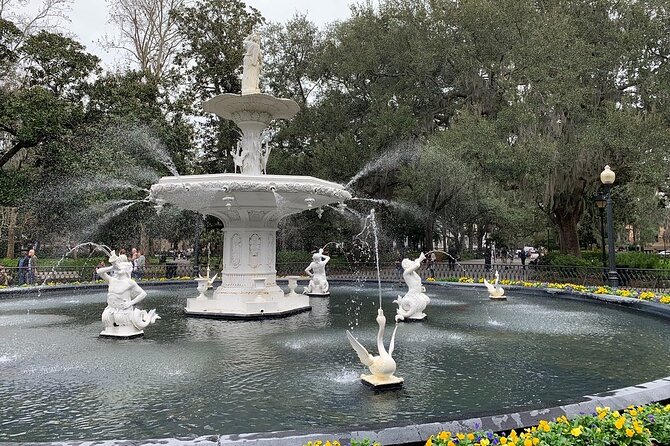
- Sherman’s Savannah headquarters: See the place linked with General William T. Sherman and his March to the Sea.
- A walk through the antebellum district: Visit several historic squares while tracing the city’s political and social divisions.
- The hard questions of Reconstruction: Learn about Special Order No. 15 and the debate between Reconstruction and retribution.
- Small groups and several departure times: A maximum of 15 people helps keep the guide audible and the discussion manageable.
- A calm, fact-focused teaching style: Guides use stories, visual aids, and a clear timeline rather than theatrical drama.
- An easy route of less than two miles: The walk includes places to sit and uses earphones on some tours, though comfortable shoes still matter.
Why this two-hour walk is worth your time
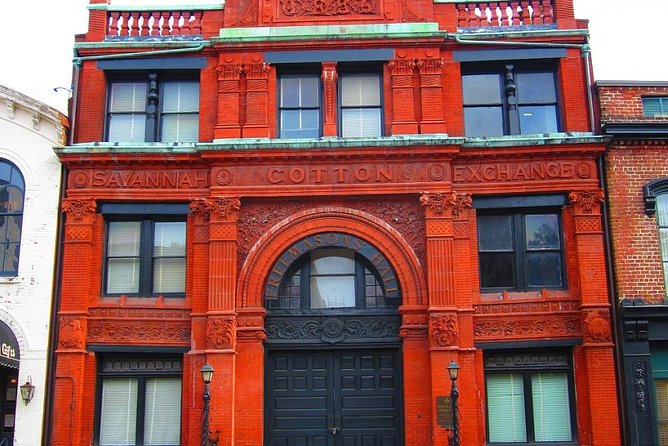
Savannah is easy to admire at street level. Its squares, churches, trees, and old homes can make the city feel almost frozen in time. That beauty can also hide the political conflict and human suffering behind the buildings. This tour gives you a way to read the city with sharper eyes.
The focus is Savannah during the Civil War and the years around it. You will hear about the city’s cultural and political leanings, the reasons behind secession, Sherman’s arrival, and the unsettled period that followed the war. The guide covers more than 150 years of connected events, so this is not just a march from one famous address to another.
I find the emphasis on cause and consequence especially useful. You are not asked to treat the war as a simple tale of opposing generals. Instead, the discussion includes the political arguments and social forces that led to secession, followed by the difficult choices facing the country after the fighting ended.
The experience has earned a 4.8 rating from 492 ratings, with 97 percent of people recommending it. Those numbers point to a tour that succeeds mainly through its guides and teaching style. The content can be serious, but the walk itself is relaxed and manageable.
More History Tours in Savannah
- Savannah History and Haunts Candlelit Ghost Walking Tour
★ 5.0 · 3,235 reviews - Historic Savannah Guided Walking Tour
★ 5.0 · 2,918 reviews - Narrated Historic Savannah Sightseeing Trolley Tour
★ 4.5 · 2,375 reviews
Starting at Reynolds Square
The tour begins at Reynolds Square, at 32 Abercorn Street. This is a practical starting point because you meet in the heart of Savannah’s historic district, surrounded by the streets and public spaces that give the tour its setting.
At the beginning, expect to meet your guide at the selected departure time and settle into a narrated walk. Several departure times are offered, which makes it easier to fit the tour around a meal, a museum visit, or another activity.
The first part of the experience sets the political and cultural scene. Savannah was not simply a backdrop to national events. Its local interests, social structure, and political attitudes shaped how people responded to the growing crisis. A guide who explains that local setting helps you understand why the city responded as it did.
This is also where the tour’s pacing matters. Guides praised for their steady delivery include Kelce, Champ, Pierce, Rodney, and Robert. Robert is described as a University of South Carolina history professor who separated established fact from popular legend. That approach suits Savannah, a city with plenty of colorful stories and plenty of reason to check those stories against the evidence.
Walking through Savannah’s antebellum streets
The route moves through the antebellum section of the historic district and includes several of Savannah’s famous squares. The squares are not just pleasant places to pass through. They give the guide room to explain how the city developed and how public spaces, homes, and institutions fit into the story.
You will walk less than two miles, according to one detailed account of the route. That makes this a fairly gentle urban walk, but it is still a walk. Wear shoes you can use comfortably on city streets, and plan for outdoor conditions. One person described the pace as easy, with occasional places to sit and rest. Another pointed out that comfortable shoes are important.
The city itself provides much of the visual setting. You can look at the buildings and trees while the guide explains what changed during the war years. One guide, Champ, has also pointed out local trees, plants, and flowers along the way. Those observations are a welcome extra, especially if you want the walk to feel connected to Savannah as a living city rather than a string of dates.
A possible drawback is that you will not spend long periods inside buildings. The tour’s value comes from the guide’s explanation and the connection between locations. If you need museum displays, original interiors, or extensive time with artifacts, add a museum visit to your Savannah plans.
Understanding why Savannah seceded
One of the strongest parts of the experience is the discussion of secession. The tour addresses the many underlying causes of the Civil War rather than presenting one neat explanation. That matters because a walk focused only on troop movements can leave you with an incomplete picture.
You will hear about the cultural and political forces at work in Savannah and the broader arguments that pushed the country toward war. The guide’s job here is not simply to name causes but to show how those causes affected local choices.
This section is likely to suit you if you already know the basic chronology and want more context. It should also work for someone with little Civil War background. One parent noted that a 13-year-old enjoyed the tour, while another person with limited knowledge of the war said the explanation was easy to follow.
The best guides appear to keep the presentation fact-based without turning it into a speech. Kelce was praised for an energetic style that was not driven by an agenda. Rodney was praised for telling the story without embellishment or drama. That balance is valuable when the subject includes slavery, secession, military occupation, and the fate of formerly enslaved people.
More Walking Tours in Savannah
- Savannah First Squares Culinary & Cultural Walking Food Tour
★ 5.0 · 3,229 reviews - Savannah’s Ghost City “Dead of Night” Walking Night Tour
★ 4.5 · 2,482 reviews - Southern Flavors Food, Pub Crawl, and History Walking Tour
★ 4.5 · 1,623 reviews - Genteel and Bard’s Savannah Dark History and Ghost Encounter Walking Tour
★ 5.0 · 1,546 reviews
Sherman’s March to the Sea and the Savannah connection
The tour gives special attention to Sherman’s March to the Sea. You will learn how Savannah fit into that campaign and visit the site associated with Sherman’s headquarters.
This part adds a physical sense of place to a campaign that is often taught as a line on a map. Standing on Savannah streets while hearing about the campaign can help you understand why the city mattered and how military events reached beyond the battlefield.
The tour also covers General John Geary and General Oliver Howard. Their roles add detail to the military story, but the guides place them within the larger movement of the campaign rather than treating them as isolated names to memorize.
Robert E. Lee’s visits to Savannah are also included. You will walk streets connected with his many trips to the city. This is a useful reminder that Savannah’s Civil War story did not begin and end with Sherman. The city had connections to several major figures and occupied an important place in the region’s political and military life.
The strongest part of this section is the connection between named people and actual streets. You do not simply hear about Sherman, Howard, Geary, or Lee in the abstract. You see where their presence connects to Savannah.
Special Order No. 15 and the uncertain postwar years
Many Civil War tours spend most of their time on the war itself. This one continues into the period after the fighting, including Special Order No. 15 and the question of Reconstruction or retribution.
That shift is important. The end of combat did not settle the country’s central disputes. People still had to decide how to rebuild political life, how to address the destruction of war, and how to respond to the end of slavery. The tour treats the postwar period as part of the main story, not as a brief afterthought.
Special Order No. 15 gives the guide a specific policy to explain, while the Reconstruction question opens up the larger debate about justice, punishment, freedom, and power. You should expect a serious discussion rather than a tidy ending.
This is where the tour may appeal most to history buffs who want more than famous names and battlefield dates. It also gives first-time students of the Civil War a useful framework for understanding why the years after 1865 remained so unsettled.
Guides who teach instead of perform
The guide can make or break a walking tour, and this experience receives unusually strong praise for its leaders. Kelce is described as enthusiastic, professional, and good at answering questions. Champ is noted for clear explanations, visual aids, and a friendly manner. Pierce is praised for detail, safety, and a strong command of the subject.
Rodney’s style is more restrained. His presentation is described as factual, interesting, and free of unnecessary drama. Robert brings an academic background and takes time to separate fact from fiction. These different styles give you a sense of what to expect: the tour depends on a well-prepared guide, but it is not built around one personality alone.
Some guides use earphones or an earbud system. That is a practical advantage on a city walk, since you can hear the narration while looking at the nearby buildings and squares. One person found the system especially helpful, while another noted that it made the walk easier to follow.
The pace also earns repeated praise. Guides do not rush from stop to stop, but they do keep the tour moving. When the weather turns hot, a guide may have spare fans available, as Kelce did on one occasion. That kind of small preparation matters in Savannah.
Still, conditions vary. Good weather is required for the tour, and heat can affect any outdoor activity in the historic district. Pick a cooler departure time when possible, drink water, and dress for a two-hour walk.
The value of $40 per person
At $40 per person, this is not the cheapest way to see Savannah. The price includes the guide, the Civil War presentation, and taxes and fees. More important, you are paying for interpretation. A map can show you Reynolds Square, Oglethorpe Square, and Sherman’s headquarters, but it cannot explain how those places connect.
I consider the price reasonable if Civil War history is a main reason for your visit or if you want a strong orientation to Savannah’s political past. The small group limit of 15 helps protect the quality of the conversation, and multiple departure times add useful flexibility.
The value is weaker if you are looking for a general sightseeing walk. The tour does include beautiful squares and extra information about buildings, plants, and the city, but its main purpose is Civil War history. You may prefer a broader city tour if you want equal attention to architecture, food, music, and daily life.
For families, the cost can add up quickly. Still, the walk may be a good choice if older children or teenagers are curious about American history. The material is serious, but the steady pace, visual aids, and stories can make it easier to follow than a textbook lesson.
Who should book this Savannah walk?
I would choose this tour for:
- Civil War history buffs who want local context and more than battlefield facts.
- First-time learners who need a clear timeline and plain explanations.
- Families with older children or teens who can manage a two-hour outdoor walk.
- Couples and solo visitors who prefer a small group and room for questions.
- History-minded visitors who want to understand Savannah beyond its attractive squares.
I would think twice if you dislike guided narration, need indoor air conditioning, or mainly want ghost tales and architecture. The tour is focused and educational. It is not designed as a general introduction to every part of Savannah.
The route ends at Oglethorpe Square, at 127 Abercorn Street. That gives you a useful position in the historic district for continuing on foot, finding a meal, or visiting another nearby site. One guide also offered suggestions for restaurants and additional things to do, which can be handy early in a Savannah stay.
Booking ahead is wise. The experience is often reserved about 25 days before the selected date, and the group is capped at 15. You receive confirmation when booking, and the mobile ticket is convenient for a day of sightseeing.
Free cancellation is available up to 24 hours before the start time. Inside that window, the payment is not refunded and changes are not accepted. Poor weather or failure to meet the minimum number of participants can lead to cancellation, with a different date or a full refund offered.
Should you book the Civil War History Walking Tour?
Book it if you want Savannah’s Civil War story explained on the streets where the story unfolded. The strongest reasons are the careful treatment of secession, the inclusion of Sherman’s March and Special Order No. 15, and the guides’ ability to make complex events understandable.
I especially like the focus on Reconstruction and retribution. It gives the tour a longer view and avoids treating the war as an event with a clean finish. I also value the small group, the calm pace, and the use of earphones when available.
Skip it if you want a broad sightseeing tour or an indoor experience. But if you have two hours, $40, and a real interest in how Savannah fit into the Civil War era, this is a strong, focused choice. Try to book a departure time that avoids the hottest part of the day, wear comfortable shoes, and bring your questions.
FAQ
Where does the tour begin?
The tour begins at Reynolds Square, at 32 Abercorn Street in Savannah, Georgia.
Where does the tour end?
The walk ends at Oglethorpe Square, at 127 Abercorn Street on Abercorn Street.
How long is the Civil War history tour?
The walking tour lasts approximately two hours.
How much does the tour cost?
The price is $40 per person and includes taxes, fees, handling charges, a professional guide, and the Civil War history presentation.
Is the tour offered in English?
Yes. The tour is offered in English and provides a mobile ticket.
What happens if the weather is poor?
The tour requires good weather. If it is canceled because of poor weather, you will be offered another date or a full refund. Free cancellation is also available if you cancel at least 24 hours before the start time.
Just added in Savannah
- Savannah: Tybee Island Dolphin Tour★ 4.7 · 359 reviews
- Savannah Yes, Queen! Drag Queen Pub Crawl★ 4.5 · 367 reviews
- Welcome to Savannah Guided Walking Tour★ 5.0 · 329 reviews
- Heart of Savannah History Walking Tour – 2hr★ 5.0 · 857 reviews
- Genteel and Bard’s Savannah History Walking Tour★ 5.0 · 684 reviews
- The Grave Tales Ghost Tour in Savannah★ 4.5 · 396 reviews
- Southern Flavors of Savannah Walking Dessert Tour★ 4.5 · 560 reviews
- American Prohibition Museum Admission★ 4.5 · 403 reviews
Historical Tours, compared.


History and Hauntings of Salem Guided Walking Tour
Read our review →
Charleston’s Old South Carriage Historic Horse & Carriage Tour
Read our review →

Big Island in a Day: Volcanoes Waterfalls Sightseeing and History
Read our review →
Freedom Trail History Small Group Walking Tour
Read our review →
Historic Charleston Guided Sightseeing Walking Tour
Read our review →
Starship Landmark 90 Minute Sightseeing Cruise
Read our review →Browse the lists this tour appears in