
Reviewed · NEW ORLEANS TOURS
Laura Creole Plantation Guided Tour
History here has names, faces, and hard truths. Laura Plantation gives you a close look at Louisiana Creole life through a furnished manor, original slave cabins, gardens, and family records. I like the way the tour connects the Duparc family to the enslaved people who built and maintained the estate, rather than treating the house as a pretty relic. I also like the focus on Creole culture, which shaped Louisiana for more than 200 years.
The main drawback is the location. Laura Plantation is about an hour from New Orleans, and the plantation does not provide its own transportation. If you need a paid ride, getting there may cost more than the admission itself. The tour also moves at a set pace, so look carefully as you pass through each room. You may not get another chance to return for a closer look.
In This Review
- Key points to know before you go
- Why Laura Plantation feels different from a standard mansion tour
- Reaching Vacherie from New Orleans
- Entering the 24,000-square-foot Maison Principale
- The 1840s slave cabins and the reality of plantation labor
- Gardens, sugar fields, and the Creole setting
- The guides make or break the hour
- Timing, group size, and what to expect on site
- Is the $32.06 admission a good value?
- Who should book Laura Plantation?
- Final verdict: book it if you want context, not just scenery
- FAQ
- Where is Laura Plantation located?
- How long does the guided tour last?
- How much does the tour cost?
- What does the tour include?
- Is transportation from New Orleans included?
- What language is the tour offered in?
- What subjects does the tour cover?
- Is the tour accessible to people using wheelchairs?
- What should I wear?
- Can I cancel for a full refund?
Key points to know before you go
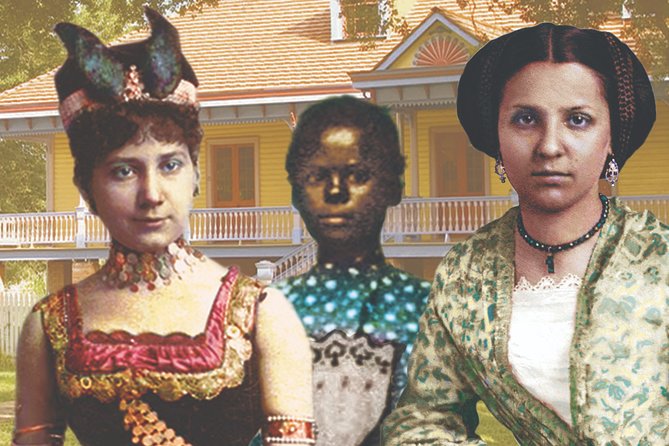
- Four generations of one Creole family: The tour follows the Duparc family from the plantation’s founding in 1804 through later generations, using family memoirs and archival records.
- An honest look at slavery: The guide discusses the lives of enslaved people, their work, the slave cabins, and the unequal system that supported the plantation.
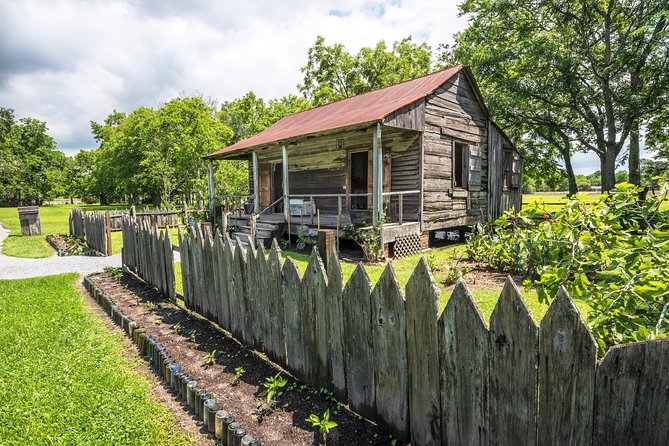
- Original 1840s cabins: The surviving cabins help put daily life beside the grand main house into sharper focus.
- A manageable one-hour tour: The guided portion lasts about 1 hour and 10 minutes, making it easy to fit into a day along the Great River Road.
- Excellent guides matter here: Guides named Lee, Pam, Cameron, Amelia, Caroline, Joseph, Laura, and Lindie have all been praised for clear storytelling, humor, and strong command of the subject.
- Plan your own transport: The meeting point is at 2247 LA-18 in Vacherie, about an hour by car from New Orleans.
Why Laura Plantation feels different from a standard mansion tour
Many plantation tours can leave you with polished architecture and a thin account of the people who made the estate work. Laura Plantation aims for something more layered. You learn about the French-descended Duparc family, but you also hear about free and enslaved people connected to the property.
That balance is one of the tour’s strongest features. The house is attractive and carefully maintained, but the story does not stop at paint colors, furniture, or family portraits. The guide explains how the plantation functioned as a sugar operation and how the owners’ lives depended on forced labor.
The family kept detailed records, and fourth-generation family member Laura Locoul wrote a memoir about her life and relatives. Additional documents found in the French National Archives add another line of evidence. These sources give the guide more than a general story about the Old South. They help connect names, relationships, and decisions to a real place.
You should still expect a guided interpretation rather than a full academic study. One hour and 10 minutes is enough to make the plantation understandable, but not enough to cover every aspect of slavery, Reconstruction, Creole society, and Louisiana agriculture. I would treat the tour as a strong introduction, not the final word.
A few more options to weigh up in New Orleans
- New Orleans Premier Ghost, Voodoo and Vampire Walking Tour
★ 4.5 · 12,856 reviews - New Orleans Steamboat Natchez Jazz Cruise with Dinner Option
★ 4.0 · 7,533 reviews - Adults-Only New Orleans Ghost, Crime, Voodoo, and Vampire Tour
★ 5.0 · 6,545 reviews
Reaching Vacherie from New Orleans
Laura Plantation sits along Louisiana’s Great River Road, following the Mississippi River through a corridor of former plantations. From New Orleans, the drive takes roughly one hour, depending on traffic and your starting point.
That distance shapes the value of the outing. If you have a car, the plantation can fit well into a self-directed day. You can continue to other plantations along the river road after your visit. If you do not have a car, you need to arrange transportation yourself through an outside operator.
This is the main cost warning. Admission is $32.06 per person, which is reasonable for a fully guided historic-house tour of this length. But a paid transfer from New Orleans can push the total cost much higher. Check transportation prices before you commit, since Laura Plantation does not control what outside operators charge.
Booking around 25 days ahead is typical, so reserve early if you need a particular date. Advance booking also helps secure a place in a tour capped at 28 people. A smaller group can make it easier to hear the guide and ask questions, although the quality of the visit still depends on the individual guide and the pace of the group.
Entering the 24,000-square-foot Maison Principale
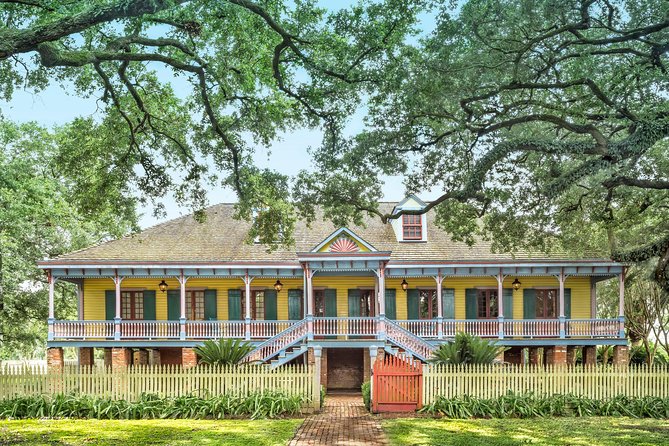
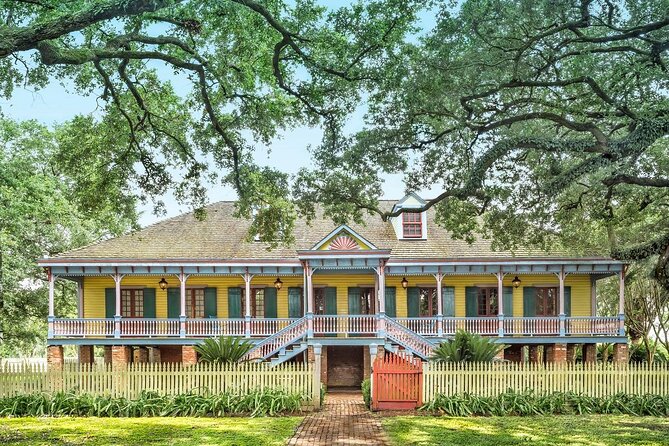
The tour includes the main house, known as the Maison Principale. At 24,000 square feet, it gives you a sense of the scale and status of a major sugar plantation, but the building is not presented as an isolated work of architecture.
Your guide uses the rooms to explain the family that lived there and the social structure around them. You may hear about personalities among the plantation owners, family relationships, and the way Creole customs shaped domestic life. The house becomes a setting for people and choices, not just a collection of old objects.
The furnished rooms are best viewed with purpose. Pay attention to the arrangement of the house and the contrast between the family’s living quarters and the spaces associated with labor. You are encouraged to look closely as the group moves through, but you may not be able to walk back through the rooms afterward.
That point matters if you like to take photographs or study details. One person specifically found that there was no chance to return for a closer look. Take in the front of the house when you have the opportunity, and listen for instructions about where photography is allowed.
The only part of the main house that is ADA accessible is the ground floor. If stairs or uneven outdoor paths are a concern, contact the plantation before booking so you can understand how the route will work for you.
The 1840s slave cabins and the reality of plantation labor
The original 1840s slave cabins are among the most important parts of the visit. They bring the physical conditions of enslaved life into the same tour as the family home.
The guide discusses enslaved workers and the work that kept the plantation running. You also hear about the contrast between the lives of the owners and the people they held in bondage. That contrast is central to understanding the estate. The main house, gardens, and sugar fields did not exist apart from slavery. They were supported by it.
The tour addresses slavery under both French colonial and American rule through the end of the 19th century. That wider frame helps explain why Creole identity cannot be reduced to food, language, or architecture. It grew within a complicated society containing enslaved people, free people of color, white planters, French influences, and American political control.
I appreciate that the plantation does not gloss over the violence and unfairness of the system. At the same time, you should know that the limited tour length means the day-to-day lives of enslaved people may receive less detail than you hope for. If that subject is your main reason for coming, ask questions during the tour and allow time for any museum material on site.
The plantation has been revising its interpretation to include more stories and experiences of the enslaved people who lived and worked there. That is a useful sign that the historical presentation continues to develop, rather than treating the subject as finished.
A different kind of day out entirely:
- New Orleans Food Walking Tour of the French Quarter with Small-Group Option
★ 5.0 · 6,118 reviews - New Orleans Swamp and Bayou Boat Tour with Transportation
★ 5.0 · 5,399 reviews - New Orleans Steamboat Natchez Jazz Cruise
★ 4.5 · 5,334 reviews - New Orleans City Sightseeing Hop-On Hop-Off Bus Tour
★ 4.5 · 4,943 reviews
Gardens, sugar fields, and the Creole setting
The gardens and sugar fields help you understand the plantation beyond the house. This is not only a room-by-room visit. You move outdoors and see the setting in which the family, workers, and agricultural business operated.
The gardens also show why this is a place of beauty and discomfort at the same time. You may admire the grounds while keeping in mind the labor system behind their upkeep. That tension is not a flaw in the setting. It is part of what the tour should make you consider.
A portion of the visit takes place outside, so wear good walking shoes and dress for the weather. The tour operates in all weather conditions unless poor weather causes a cancellation. Louisiana heat, rain, or damp ground can affect your comfort, even during a relatively short visit.
The garden portion is also where asking questions can add value. You can ask about crops, the plantation’s sugar business, the people who worked outdoors, or how Creole customs appeared in everyday life. Guides such as Cameron, Amelia, and Lee have been praised for connecting the physical setting with the people who lived there.
The guides make or break the hour
The most consistently praised part of Laura Plantation is the guiding. That is important because the property itself cannot explain its own contradictions. The guide supplies the names, context, and difficult connections.
Cameron has been singled out for explaining Creole culture, plantation life, and the experiences of both owners and enslaved people. Amelia has been praised for her command of the period. Lee has received strong marks for explaining the plantation’s business and history, while Joseph has been described as both entertaining and well informed.
Pam has received mixed reactions. Some people found her funny, thorough, and able to explain every detail. Another account described rushed speech, an unfriendly manner, and difficulty hearing her in the cellar because of a loud fan. That contrast is a reminder that a historic site can offer an excellent program without every tour feeling identical.
Caroline has been praised for taking time to explain things during a small tour, and Lindie has been described as especially effective when discussing painful parts of the past. The broad pattern is clear: guides usually bring strong preparation and enthusiasm, but delivery can vary.
Ask questions when you have the chance. The tour is not designed as a silent walk through the rooms, and a thoughtful question may help you get more from a subject that can otherwise pass quickly.
Timing, group size, and what to expect on site
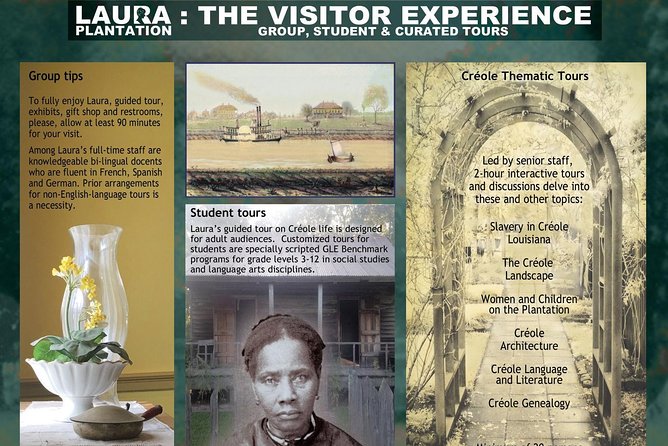
The guided visit lasts about 1 hour and 10 minutes. That is long enough for the main house, gardens, and original cabins, but short enough to combine with another stop on the Great River Road.
The maximum group size is 28 people. A full group may feel less personal, especially outdoors or in tighter rooms. A smaller group can feel almost private, and one small party described having an especially intimate visit when only six people were booked.
The tour is offered daily in English and French according to the site information. The booking details identify English as the offered language, so confirm your preferred language and departure time when reserving.
After the guided portion, look around the grounds and gift shop if time allows. A small museum is also available, and it may deserve more attention than the standard tour schedule suggests. Some visitors felt the museum should receive clearer emphasis because it provides additional context beyond the guided route.
Snacks and drinks are available for purchase, but they are not included. Hotel pickup and drop-off are also not included. Most people can participate, and service animals are allowed.
Is the $32.06 admission a good value?
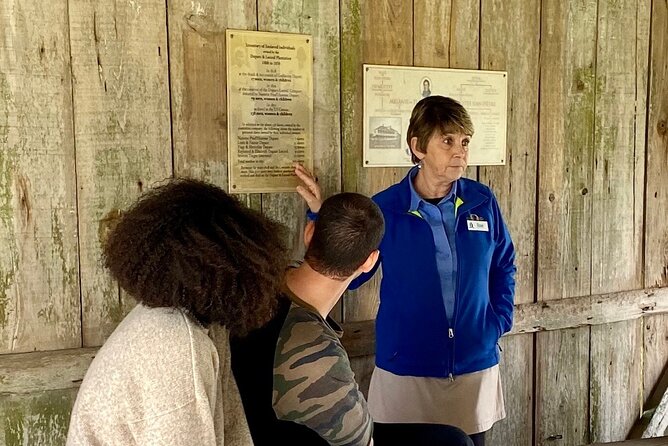
For the admission alone, I think the price is fair. You receive a local guide, access to the furnished main house, the gardens, the cabins, and an interpretation based on family memoirs and archival records. The visit also carries a clear educational purpose, not just a sightseeing appeal.
The value is strongest if you care about how architecture, family history, slavery, sugar production, and Creole identity fit together. You are not paying only to see an old house. You are paying for the person who explains what the house meant and who paid the human cost for its operation.
The value is weaker if your only goal is to wander at your own speed. The tour follows a fixed route and pace, and the house may not be available for a second look once you pass through. Transportation can also change the calculation dramatically if you are starting in New Orleans without a car.
The overall rating is 4.8 from 1,279 ratings, with 96 percent recommending the experience. That strong result fits the main strengths: attractive grounds, careful preservation, clear historical framing, and guides who often make the hour engaging.
Who should book Laura Plantation?
I would recommend Laura Plantation to you if you want a focused account of Creole Louisiana rather than a generic plantation visit. It suits history-minded families, couples, and anyone interested in how free and enslaved people shaped the same place in very different ways.
It is also a good choice if you enjoy guided storytelling. Names such as Laura Locoul and the Duparc family give the past a human shape, while the cabins and fields keep the story grounded in physical reality.
You may want to choose another plan if you dislike fixed tours, need extensive accessibility throughout the house, or have very limited time in New Orleans. You should also calculate the full transportation cost before booking.
Final verdict: book it if you want context, not just scenery
Yes, I would book Laura Plantation if your priority is a serious, well-organized introduction to Creole plantation life. The strongest guides explain the owners, the enslaved people, the sugar business, and the cultural setting in one coherent visit.
Go prepared to listen closely, look quickly, walk outdoors, and ask questions. Reserve ahead, wear comfortable shoes, and treat the $32.06 admission as only part of the budget if you need a ride from New Orleans. For an honest historical visit with beautiful grounds and a strong chance of a memorable guide, Laura Plantation earns its place on your Louisiana itinerary.
FAQ
Where is Laura Plantation located?
Laura Plantation is at 2247 LA-18, Vacherie, Louisiana 70090, USA. It is roughly a one-hour drive from New Orleans along the Great River Road.
How long does the guided tour last?
The tour lasts approximately 1 hour and 10 minutes.
How much does the tour cost?
The listed price is $32.06 per person.
What does the tour include?
Your admission includes a local guide and a guided visit to the Maison Principale, gardens, and original 1840s slave cabins.
Is transportation from New Orleans included?
No. Hotel pickup and drop-off are not included, and Laura Plantation does not provide transportation to the site.
What language is the tour offered in?
The booking information lists English. The site information also indicates that tours are offered daily in English and French.
What subjects does the tour cover?
The tour covers four generations of a Louisiana Creole family, enslaved people connected to the plantation, the sugar business, the main house, Creole culture, and slavery under French colonial and American Louisiana.
Is the tour accessible to people using wheelchairs?
Only the ground floor of the main house is ADA accessible. A portion of the tour takes place outdoors.
What should I wear?
Wear good walking shoes and dress for the weather. Part of the tour is outdoors, and the experience operates in all weather conditions unless poor weather causes cancellation.
Can I cancel for a full refund?
Yes. You can receive a full refund if you cancel at least 24 hours before the scheduled start time. Cancellations or changes made within 24 hours are not refunded, and a weather cancellation offers either a different date or a full refund.
Just added in New Orleans
- Whitney Plantation Tour with Transportation from New Orleans★ 4.5 · 1,351 reviews
- New Orleans Yellow Fever Ghost Tour★ 5.0 · 1,298 reviews
- VIP Jazz Dinner Cruise with Private Tour and Open Bar Option★ 4.5 · 838 reviews
- New Orleans Private Carriage Tour of the French Quarter★ 5.0 · 537 reviews
- New Orleans Delicious Donuts & Beignets: A Sweet Walking Tour★ 5.0 · 928 reviews
- The Ghosts of New Orleans Tour★ 4.5 · 702 reviews
- The Escape Game at the French Quarter in New Orleans★ 5.0 · 364 reviews
- New Orleans French Quarter Photo Shoot★ 5.0 · 462 reviews
New Orleans Tours, compared.
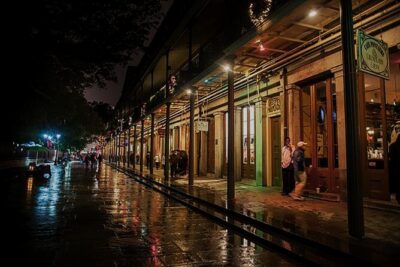
New Orleans Premier Ghost, Voodoo and Vampire Walking Tour
Read our review →
New Orleans Steamboat Natchez Jazz Cruise with Dinner Option
Read our review →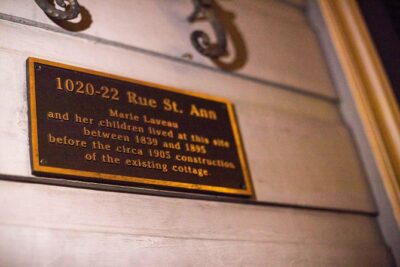
Adults-Only New Orleans Ghost, Crime, Voodoo, and Vampire Tour
Read our review →
New Orleans Food Walking Tour of the French Quarter with Small-Group Option
Read our review →
New Orleans Swamp and Bayou Boat Tour with Transportation
Read our review →
New Orleans City Sightseeing Hop-On Hop-Off Bus Tour
Read our review →
Browse the lists this tour appears in