
Reviewed · NEW ORLEANS TOURS
New Orleans: Oak Alley Plantation Tour with Transportation
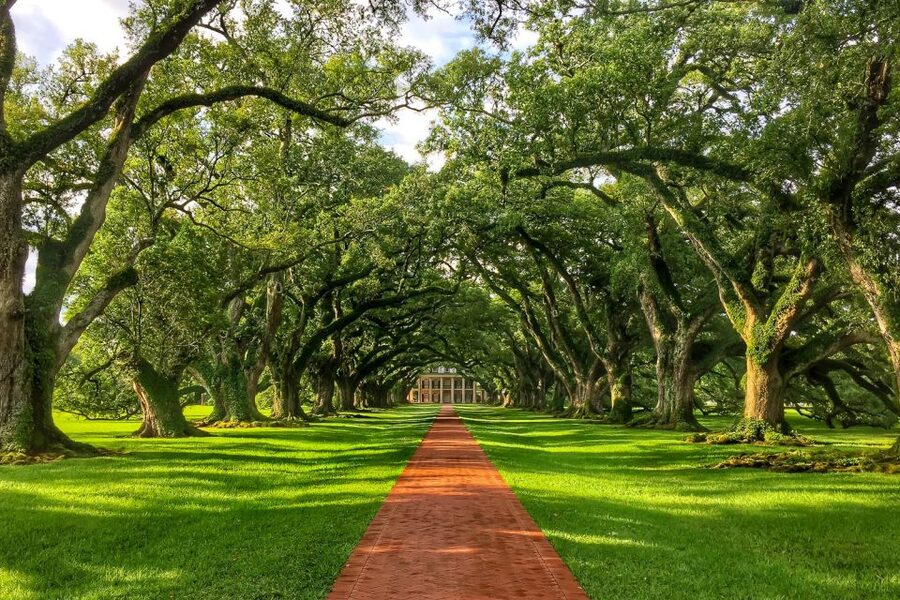
Step beneath Louisiana’s oldest shade trees. This half-day trip pairs round-trip transportation with Oak Alley’s famous quarter-mile avenue of 250-year-old oaks, then adds a guided look at the plantation house and the lives of the enslaved people who lived and worked there. I especially like the informative commentary during the drive and the effort to tell a fuller story beyond the mansion.
I also appreciate the reconstructed cabins, slavery exhibit, blacksmithing display, and sugarcane theater. They give you more than the familiar antebellum postcard view. The main drawback is time: some departures allow only about two hours at Oak Alley, which can feel rushed if you want lunch, the house, gardens, and historical exhibits.
The tour costs $89 per person and lasts between 315 and 465 minutes, depending on the option and schedule. For most visitors, the value comes from avoiding the drive and parking while receiving useful Louisiana commentary along the way. If you add the 90-minute swamp trip, you get a fuller day, but less free time at Oak Alley itself.
In This Review
- Key things to know before you book
- Why Oak Alley is worth the ride from New Orleans
- Meeting at the Steamboat Natchez dock
- The oak alley: beautiful, old, and not just a photo stop
- Inside the 1839 Greek Revival Big House
- The slavery exhibits give the visit its needed weight
- Sugarcane, blacksmithing, and the changing estate
- How to manage a short visit at Oak Alley
- The optional Manchac Swamp tour
- Is $89 a fair price?
- Who should book this Oak Alley outing?
- Final verdict: book it for context and convenience
- FAQ
- How much does the Oak Alley Plantation tour cost?
- How long does the tour last?
- Where does the tour depart from?
- When should I arrive at the meeting point?
- Is transportation included?
- Is lunch included?
- What does the Oak Alley visit include?
- Can I take photographs inside the Big House?
- Is the tour wheelchair accessible?
- What does the swamp tour upgrade include?
Key things to know before you book
- The oak avenue is the visual star: The quarter-mile alley was created with enslaved labor sometime between the 1820s and 1840s, long before the present tour experience was developed.
- The story goes beyond the mansion: Reconstructed slave cabins and the Slavery at Oak Alley exhibit focus attention on the people forced to live and work there.
- The drive is part of the tour: You cross the Bonnet Carre Spillway, pass several Mississippi River plantations, and may hear an informal introduction to New Orleans and Louisiana culture.
- Time at the site can be tight: Several departures have provided roughly two hours at Oak Alley, enough for the main sights but not always enough for a leisurely meal and every exhibit.
- The swamp upgrade changes the day: The optional 90-minute covered pontoon trip visits Manchac Swamp and adds a chance to see alligators in a private wildlife refuge.
- The tour is practical for non-drivers: A restroom is available on the bus, and the plantation has a café, restaurant, bar, and picnic tables.
Why Oak Alley is worth the ride from New Orleans
Oak Alley sits well outside central New Orleans, so the trip is not a quick city excursion. The drive can take about an hour to an hour and a half each way, depending on conditions. That distance is exactly why arranged transportation makes sense for many people.
You avoid navigating unfamiliar roads, and you can listen to commentary instead of watching traffic. Drivers and guides have included Alton, Robert, Melinda, Ken, Kendrell, JoAnn, and others over the years. The quality of the ride depends on the individual guide, but the strongest departures turn the road into a useful introduction to Louisiana.
You may hear about New Orleans, Creole food, plantation agriculture, and the places along the Mississippi River. The route can include views of Lake Pontchartrain as you cross the Bonnet Carre Spillway, a flood outlet for the Mississippi River. That is a worthwhile detail because it connects the region’s beauty with the constant work required to control water.
The road also passes Whitney, Evergreen, Felicity, and St. Joseph Plantations. You do not tour all of them on this outing, but seeing them from the coach helps you understand that Oak Alley was one part of a long chain of sugar, cotton, and indigo estates along the river.
A few more options to weigh up in New Orleans
- New Orleans Premier Ghost, Voodoo and Vampire Walking Tour
★ 4.5 · 12,856 reviews - New Orleans Steamboat Natchez Jazz Cruise with Dinner Option
★ 4.0 · 7,533 reviews - Adults-Only New Orleans Ghost, Crime, Voodoo, and Vampire Tour
★ 5.0 · 6,545 reviews
Meeting at the Steamboat Natchez dock
All departures begin at the Lighthouse Ticket Office at Toulouse Street and the Mississippi River, directly behind the JAX Brewery. The listed address is 400 Toulouse Street, New Orleans, Louisiana 70130.
Bring your barcoded voucher and show it 15 minutes before departure. The meeting point is near the Steamboat Natchez dock, so allow extra time to find the correct ticket office if you are unfamiliar with the riverfront.
This is not a hotel pickup service. You need to reach the downtown meeting point yourself. That makes the outing easiest for people staying in or near the French Quarter and central New Orleans.
The coach is described as clean and comfortable, and one departure included a restroom on board. That matters on a long outing, especially when you may spend several hours away from the city. Weather and road conditions can affect the return trip, so avoid scheduling a tightly timed dinner, flight, or show afterward.
The oak alley: beautiful, old, and not just a photo stop
The approach to the house follows the famous quarter-mile avenue of live oaks. Their branches form a long, shaded corridor that frames the Greek Revival mansion at the far end. This is the image most people associate with Oak Alley, and it earns the attention.
The trees are about 250 years old. The avenue itself was created with enslaved labor sometime in the 1820s to 1840s, a fact that should remain part of how you understand the setting. The trees are beautiful, but the beauty is tied to forced labor and plantation wealth.
Take time to walk the full stretch if your schedule allows. One practical photography tip is to walk down the alley from the house rather than stopping only at the entrance. That gives you the strongest sense of its length and symmetry.
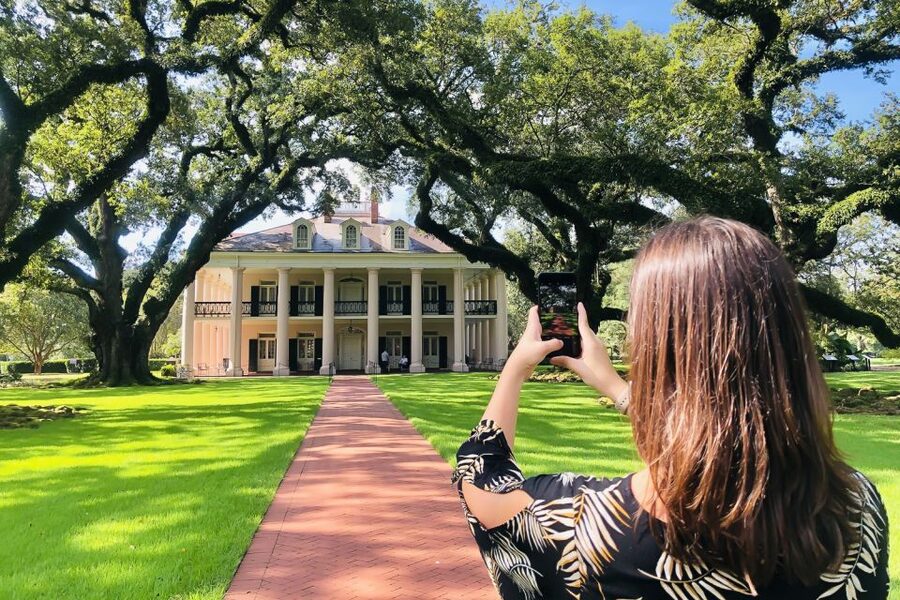
Photography is encouraged outdoors, on the balcony, and in the self-guided exhibits. You cannot photograph or record inside the plantation home. The tour information also says cameras are not allowed, so follow the staff instructions and rely on a phone only where permitted. Inside the house, phones must be muted and electronic devices turned off.
Inside the 1839 Greek Revival Big House
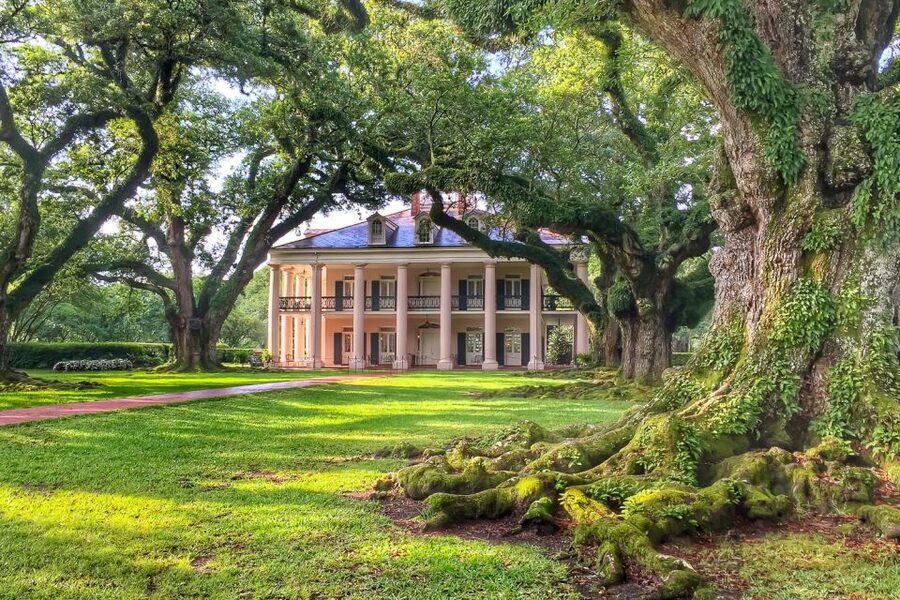
The guided Big House tour usually lasts around 40 minutes, although exact timing can vary. The 1839 Greek Revival mansion was built to display success, prestige, and power. Its scale and formal design help explain how plantation owners wanted their wealth to appear to visitors.
You will learn about life inside the house for the planter family and the enslaved workers who supported it. The presentation is useful, but do not expect a complete tour of every working part of the estate. Some people have wished for more access to kitchens, attics, or behind-the-scenes areas.
The house has been renovated over time, and only a limited number of original objects are displayed. That does not make the visit worthless, but it does mean you should approach it as an interpretation of the house rather than a perfectly preserved time capsule.
The second floor requires climbing 22 stairs. Basic wheelchairs and motorized wheelchairs are permitted, and most areas are accessible. If you cannot climb the stairs, a video tour is available in the media room. Seating is limited, so that option is intended for people unable to reach the second floor.
The guided format keeps the house visit organized, but it can also feel quick. Pay attention early, since the group may move through the rooms at a steady pace. Save your questions for the guide, who may have time to respond at the end.
A different kind of day out entirely:
- New Orleans Food Walking Tour of the French Quarter with Small-Group Option
★ 5.0 · 6,118 reviews - New Orleans Swamp and Bayou Boat Tour with Transportation
★ 5.0 · 5,399 reviews - New Orleans Steamboat Natchez Jazz Cruise
★ 4.5 · 5,334 reviews - New Orleans City Sightseeing Hop-On Hop-Off Bus Tour
★ 4.5 · 4,943 reviews
The slavery exhibits give the visit its needed weight
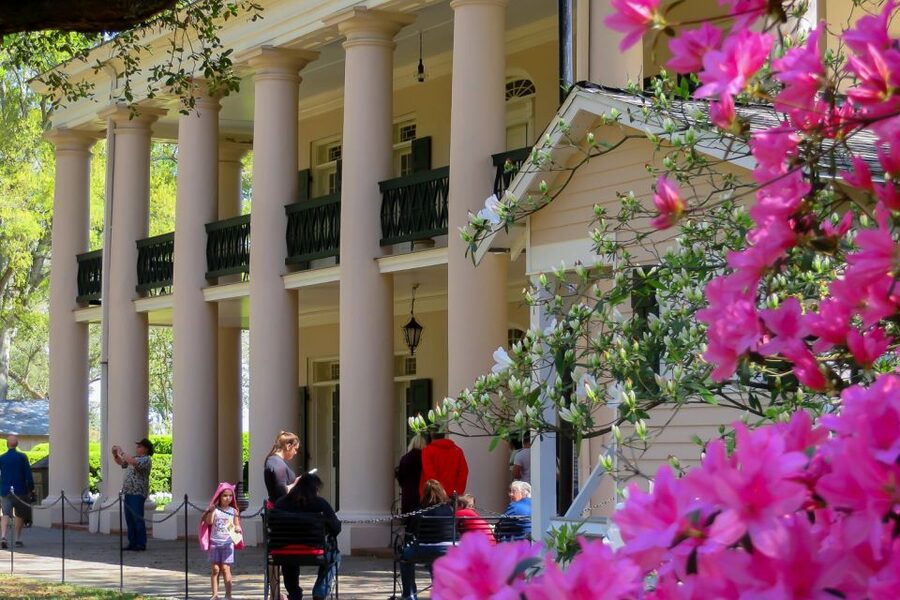
Oak Alley is often presented in photographs as a grand home framed by trees. That is only one part of the site. The reconstructed slave cabins and the Slavery at Oak Alley exhibit are essential stops because they address the people whose labor produced the plantation’s wealth.
An interpreter presents the slavery exhibit, and the cabins help show the physical conditions in which enslaved people lived. The presentation also examines individual lives and legacies rather than treating slavery as a vague backdrop to the mansion.
That focus is one of the strongest reasons to visit Oak Alley instead of viewing it only from a roadside photo stop. The exhibits are designed to ask you to consider the plantation’s full population, including people who had no choice in their work or residence.
The quality of interpretation can vary by guide, but many visitors have found the cabin area thought provoking. One useful tip is to make time for the talk in the slave and sharecropper area. If the schedule is tight, do not assume the mansion is the only important stop.
The treatment of slavery has not satisfied everyone equally. Some visitors have wanted more direct detail about the violence and daily hardships enslaved people endured, rather than as much attention to the owners’ difficulties. I suggest listening carefully, reading the displays, and using the exhibits as a starting point for understanding rather than expecting one short visit to cover every part of the subject.
Sugarcane, blacksmithing, and the changing estate
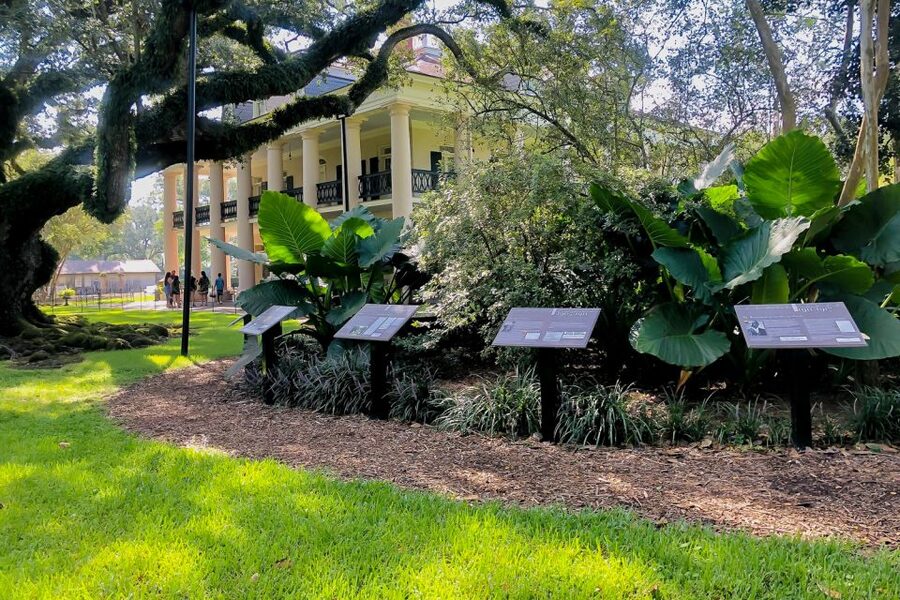
The Sugarcane Theater shows a film about sugarcane production and includes related displays. This section helps explain the economic system behind the property. Sugar cultivation required land, labor, machinery, transport, and access to the river, so the plantation was part of a large commercial network rather than an isolated country home.
The blacksmithing exhibit includes the plantation’s original forge. It gives you a look at the practical work required to maintain tools, equipment, wagons, and other necessities. This is a small but useful counterpoint to the polished rooms of the Big House.
You will also see an exhibit about owners who came after the Civil War. That section prevents the story from ending neatly in the antebellum period. Oak Alley changed over time, and the later ownership displays help place the property in its postwar setting.
The East and West Gardens are designed to reflect the 1840s and the 1930s. They are pleasant to walk through, but their value is not only visual. The different periods show how the site’s appearance and purpose shifted over the decades.
How to manage a short visit at Oak Alley
The main time complaint is simple: two hours can disappear quickly. A house tour may take about 40 minutes, leaving roughly 80 minutes for the alley, cabins, gardens, theater, forge, gift shop, food, and additional exhibits.
If you want to see the core of Oak Alley, use this order:
- Walk the oak avenue and take outdoor photographs.
- Join the Big House tour at the assigned time.
- Go directly to the slavery exhibit and reconstructed cabins.
- Visit the sugarcane theater and blacksmithing display.
- Use remaining time for gardens, the balcony, café, or gift shop.
Do not assume you can sit down for a long lunch. The Plantation Café sells grab-and-go meals, snacks, salads, and sandwiches, with picnic tables available. There is also a restaurant and bar on site, but a scheduled house tour can make a relaxed restaurant meal difficult.
Several visitors have wished for another 30 to 60 minutes. I agree that the site rewards a slower pace, especially if you read every display. If you care most about the house and oak trees, the standard schedule should work. If you want every exhibit plus lunch, check the exact departure timing before booking.
The optional Manchac Swamp tour
The upgrade adds a 90-minute swamp trip at Manchac Swamp. After Oak Alley, you ride to a privately owned wildlife refuge and board a covered pontoon boat with a local captain.
The boat ride adds a different side of southern Louisiana. You learn about Frenier and Cajun traditions connected with fishing, hunting, and trapping. Keep watch for alligators, which may come up for food during the trip.
The covered boat is useful in strong sun or light rain, though weather can still shape the experience. The swamp option is best for you if you want a longer day with nature and local culture added to the plantation visit.
It is less suitable if Oak Alley already sounds like a lot. The total outing can run as long as 465 minutes, and the upgrade leaves no extra time to wander slowly around the plantation. I would choose the swamp option for variety, not because it gives you more time at Oak Alley.
Is $89 a fair price?
At $89, the tour is not the cheapest way to reach a plantation if you have a car and are comfortable driving yourself. A self-drive visit may offer more control over arrival time and how long you stay.
The tour earns its price through convenience. You receive transportation from central New Orleans, a live English-speaking guide, road commentary, and admission to the Oak Alley program. You also avoid the practical hassle of finding the property and planning the route.
The value improves if you want historical context during the drive. Several guides have been praised for turning the journey into part of the day, with stories about New Orleans, Louisiana, and the plantations along the river. It is not merely a transfer from point A to point B.
Lunch is not included, so plan to buy food at the café or bring an appetite for a quick meal. You should also budget a tip for the driver if the service is good, since past departures have treated the driver as an important part of the tour.
Who should book this Oak Alley outing?
I recommend it for first-time New Orleans visitors who want one organized day outside the city. It suits you if you prefer history presented by guides, do not want to rent a car, and want to see both the famous oak avenue and the less decorative parts of plantation life.
It is also a good choice for families and mixed-age groups because the day combines architecture, gardens, transport commentary, exhibits, and optional wildlife viewing. The accessible grounds and alternate video tour help, though the second floor still requires stairs unless you use the media room.
You may want another option if you need a slow, detailed museum visit. The fixed schedule can feel hurried, and the house tour may not cover every room. You should also reconsider the plan if you expect a fully preserved home filled with original furnishings, since the mansion has been renovated and includes limited original objects.
Final verdict: book it for context and convenience
Book this tour if you want Oak Alley without driving and you value a guide who can explain what you are seeing along the way. The grand oak avenue is memorable, but the cabins, slavery exhibit, sugarcane displays, and later-ownership exhibit make the visit more worthwhile.
Choose the basic option if you want more breathing room at the plantation. Add the swamp trip if you prefer a full day that mixes plantation history with Cajun culture and wildlife. Either way, arrive ready to manage your time, eat quickly if needed, and treat the oak trees as an entrance to a complicated story, not the whole story.
FAQ
How much does the Oak Alley Plantation tour cost?
The tour costs $89 per person. Lunch is not included.
How long does the tour last?
The listed duration is between 315 and 465 minutes, or about 5 hours and 15 minutes to 7 hours and 45 minutes. The longer schedule applies when the swamp tour option is included.
Where does the tour depart from?
It departs from the Lighthouse Ticket Office at Toulouse Street and the Mississippi River, at the Steamboat Natchez dock behind the JAX Brewery. The address is 400 Toulouse Street, New Orleans, Louisiana 70130.
When should I arrive at the meeting point?
Show your barcoded voucher at least 15 minutes before your scheduled departure.
Is transportation included?
Yes. Round-trip transportation from the New Orleans meeting point is included.
Is lunch included?
No. You can purchase grab-and-go meals, snacks, salads, and sandwiches at the Plantation Café. A restaurant, café, bar, and picnic tables are available on site.
What does the Oak Alley visit include?
It includes the oak avenue, guided Big House tour, Sugarcane Theater, reconstructed slave cabins, slavery exhibit with an interpreter, later-ownership exhibit, East and West Gardens, and the blacksmithing exhibit.
Can I take photographs inside the Big House?
No. Photography and video are not allowed inside the plantation home. Photography is encouraged on the balcony, grounds, and in the self-guided exhibits. Phones must be muted and electronic devices turned off inside the Big House exhibit.
Is the tour wheelchair accessible?
Basic wheelchairs and motorized wheelchairs are permitted, and most exhibits are accessible. The second floor of the Big House requires climbing 22 stairs. A video tour is available in the media room for people unable to use the stairs.
What does the swamp tour upgrade include?
The upgrade includes a 90-minute covered pontoon boat trip through a privately owned wildlife refuge in Manchac Swamp. A local captain provides the boat tour, which includes information about Frenier and Cajun fishing, hunting, and trapping culture.
Just added in New Orleans
- New Orleans: French Quarter, Voodoo and Cultural Experience★ 4.5 · 972 reviews
- From New Orleans: Oak Alley Plantation Tour★ 4.5 · 443 reviews
- New Orleans: Voodoo Queen Tour of French Quarter★ 4.7 · 482 reviews
- New Orleans: Bayou Tour in Jean Lafitte National Park★ 4.8 · 428 reviews
- New Orleans: Sunday Steamboat Jazz Cruise + Optional Brunch★ 4.3 · 470 reviews
- New Orleans: Whitney Plantation Tour with Transportation★ 4.7 · 619 reviews
- New Orleans: Guided Swamp Cruise by Tour Boat★ 4.7 · 570 reviews
- New Orleans: Oak Alley Plantation & Airboat Swamp Combo Tour★ 4.7 · 906 reviews
New Orleans Tours, compared.
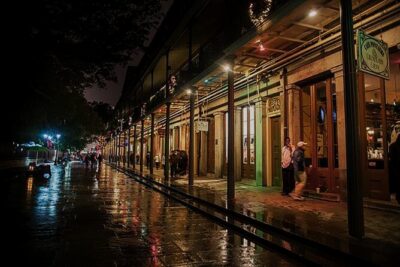
New Orleans Premier Ghost, Voodoo and Vampire Walking Tour
Read our review →
New Orleans Steamboat Natchez Jazz Cruise with Dinner Option
Read our review →
Adults-Only New Orleans Ghost, Crime, Voodoo, and Vampire Tour
Read our review →
New Orleans Food Walking Tour of the French Quarter with Small-Group Option
Read our review →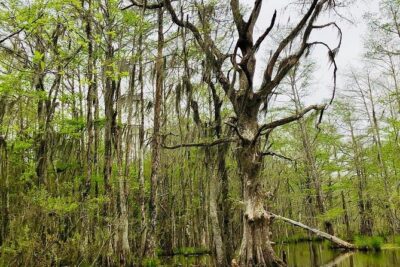
New Orleans Swamp and Bayou Boat Tour with Transportation
Read our review →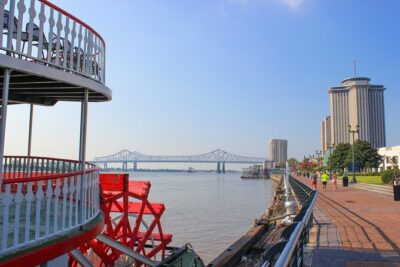
New Orleans City Sightseeing Hop-On Hop-Off Bus Tour
Read our review →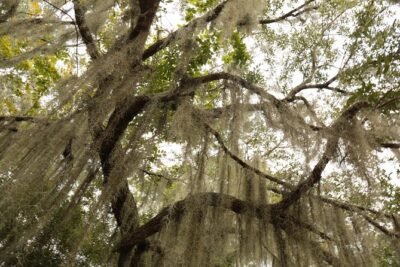
Browse the lists this tour appears in