
Reviewed · NEW YORK CITY TOURS
NYC: SoHo, Little Italy, and Chinatown Guided Tour
Lower Manhattan tells many stories. This two-hour walk links City Hall, Chinatown, Little Italy, and SoHo in one compact route, using food, architecture, immigrant history, and local legends to make the city easier to understand. I especially like the stop for Chinatown dumplings and the cannoli at Ferrara Bakery, since both give the tour a tasty connection to the neighborhoods.
I also like the guides’ personal approach. Fred, Gary, Percy, Liz, Dave, Jared, and Garrett have all been praised for lively storytelling, local insight, and useful restaurant tips. The main drawback is the pace: two hours covers a lot of ground, so you will see many places but only briefly. Hot summer weather or rain can also make the walk harder.
In This Review
- Key points to know before you book
- Why this Lower Manhattan walk works
- Meeting at Warren Street and Broadway
- City Hall Park and the Woolworth Building
- St. Paul’s Chapel and the old city beneath your feet
- The Brooklyn Bridge from the Manhattan side
- Chinatown, Mosco Street, and the first food stop
- Mulberry Street, Bayard Street, and Little Italy
- Ferrara Bakery and the cannoli break
- Grand Street and the move into SoHo
- The Haughwout Building, Greene Street, and Prince Street
- The guides are the tour’s strongest feature
- Timing, weather, and comfort
- How much value do you get for $30?
- Who should book this walk?
- Should you book the SoHo, Little Italy, and Chinatown tour?
- FAQ
- How long does the tour last?
- How much does the tour cost?
- Where does the tour begin?
- Where does the tour end?
- Which neighborhoods does the tour visit?
- Are food and drinks included?
- What language is the tour offered in?
- Is the tour wheelchair accessible?
- Can I cancel or pay later?
Key points to know before you book
- Three major neighborhoods in two hours: The route moves from City Hall to Chinatown, Little Italy, and SoHo without wasting time on transport.
- Food stops are part of the story: You can try dumplings in Chinatown and cannoli from Ferrara Bakery, but food costs extra.
- Local guides make the difference: Guides such as Fred, Gary, Percy, Liz, Dave, Jared, and Garrett are praised for humor, facts, and personal stories.
- Excellent first-day orientation: The walk gives you restaurant ideas, photo locations, and a useful sense of how Lower Manhattan fits together.
- A strong value at $30: For a guided two-hour walk with several landmark stops, the price is reasonable, especially for first-time visitors.
- Expect city walking, not museum touring: You will spend most of the time outdoors on busy streets, with stops for explanations and photos.
Why this Lower Manhattan walk works
At $30 per person, this is a practical introduction to a part of New York that can feel confusing when you explore it alone. City Hall, Chinatown, Little Italy, and SoHo sit close together, but each area has a different character and story. A guide helps you notice how the streets changed, where old communities formed, and why the buildings look the way they do.
I like the route because it is not only a parade of famous facades. You get architecture, food, immigration stories, engineering, organized crime lore, and modern neighborhood change. That mix gives you more than a photo checklist.
The format is a public small-group walk or a private tour if you select that option. A small group is especially useful here because the streets can be crowded and the guide can answer questions more easily. Several outings were also especially personal when only one couple, family, or solo visitor booked.
The advertised time is two hours, though some outings have run a little over. That is enough time for a useful overview, but not enough for long visits inside attractions. Think of it as a guided orientation with tastings, not a full-day historical tour.
A few more options to weigh up in New York City
- NYC: SUMMIT One Vanderbilt Tickets
★ 4.7 · 51,195 reviews - NYC: 9/11 Memorial & Museum Timed-Entry Ticket
★ 4.8 · 31,428 reviews - NYC: Empire State Building Tickets – Observatory & Museum
★ 4.7 · 25,757 reviews
Meeting at Warren Street and Broadway
The meeting point is the intersection of Warren Street and Broadway, in front of City Hall Subway Station. This puts you right beside City Hall Park and makes the opening easy to recognize.
Allow enough time to find the correct subway exit and guide. One participant had trouble locating the meeting point, but the operator called and sent a map pin. That is reassuring, though I would still arrive early rather than trying to sort it out at the last second.
Wear comfortable shoes. The route includes cobblestones, sidewalks, crossings, and steady walking. Comfortable clothing and weather-appropriate layers are sensible too. The tour is listed as wheelchair accessible, but New York sidewalks and crowds can still affect how smoothly you move from one stop to the next.
City Hall Park and the Woolworth Building
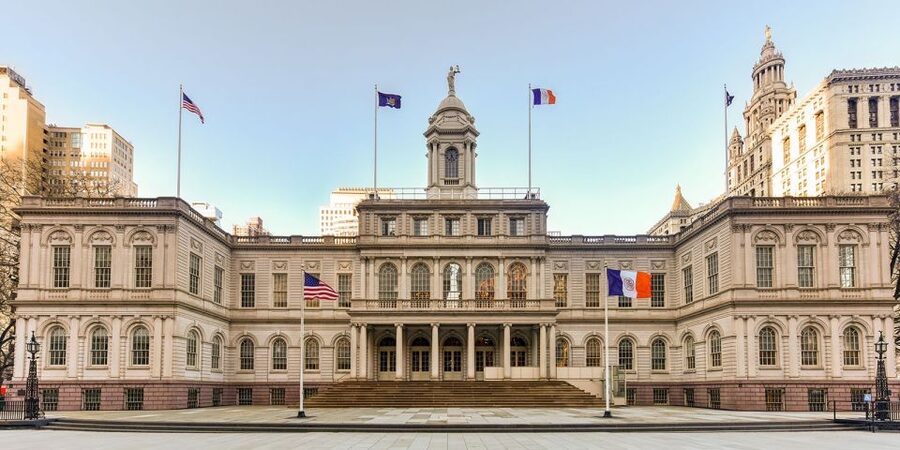
The walk begins in City Hall Park, a useful place to set the scene. The park sits at the civic heart of Lower Manhattan, surrounded by government buildings and major transportation routes. Your guide uses this opening to introduce the city’s growth and the older layers beneath the streets.
The route includes the Woolworth Building, one of the area’s most recognizable early skyscrapers. From the outside, you can appreciate its height and decorative design while hearing how New York’s skyline developed. This is a good early stop for photographs, especially if you enjoy architecture.
You return to City Hall Park before continuing toward St. Paul’s Chapel. That repeat may feel slightly odd on a printed route, but it lets the guide connect the park, the civic district, and the old street pattern before the tour heads south and east.
St. Paul’s Chapel and the old city beneath your feet
St. Paul’s Chapel adds a quieter note to the opening section. The chapel is an important historic landmark in Lower Manhattan, and its presence helps show how different the district was before today’s towers and traffic.
One particularly useful thread from the tour is the story of Collect Pond, an old body of water that shaped early Manhattan before disappearing under the growing city. Guides have also connected the area’s past to later changes, including the building of LaGuardia Airport. Those links help you see New York as a city that keeps rebuilding itself, often over its own earlier streets and structures.
This part is most valuable if you enjoy context. If you only want shopping and food, the early history may feel like a lot to absorb. I think it earns its place because it gives the later neighborhoods a clearer frame.
A different kind of day out entirely:
- NYC: Empire State Building Observation Deck Tickets
★ 4.7 · 22,072 reviews - NYC: Edge Observation Deck Admission Ticket
★ 4.6 · 20,918 reviews - New York City: Statue of Liberty & Ellis Island with Ferry
★ 4.6 · 18,683 reviews - New York City: American Museum of Natural History Ticket
★ 4.5 · 15,447 reviews
The Brooklyn Bridge from the Manhattan side
The Brooklyn Bridge is a major visual reward. You will not spend the tour walking across the full bridge, but you will see it as part of the Lower Manhattan route and hear about its engineering and its role in joining Manhattan with Brooklyn.
This is one of the better photo opportunities on the walk. You can look toward the bridge, the East River, and the city skyline, while your guide explains why the bridge mattered beyond its good looks. The structure helped change how people and commerce moved between the two boroughs.
Keep your expectations measured. This is a sightseeing stop, not a dedicated Brooklyn Bridge visit. If crossing the bridge is high on your list, return later with extra time. The tour gives you the story and the view, then keeps moving.
Chinatown, Mosco Street, and the first food stop
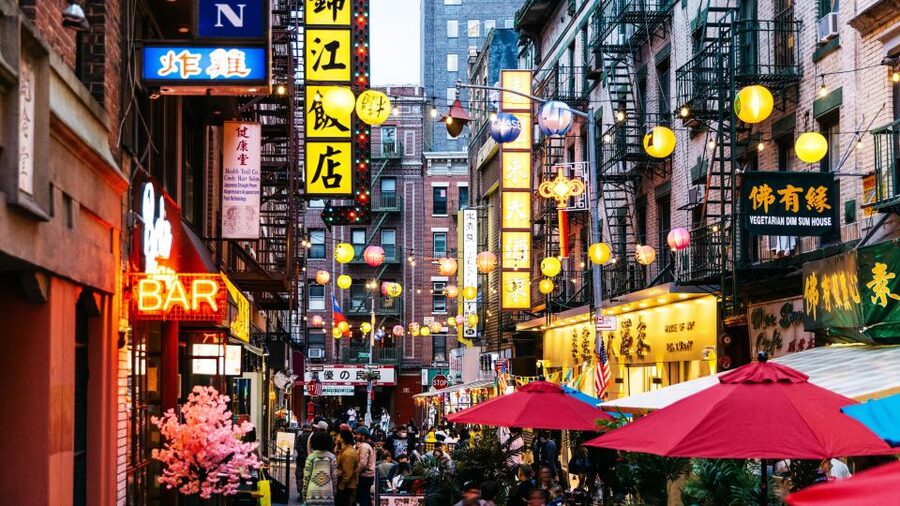
Chinatown brings a clear change in mood, architecture, street life, and food. Your guide explains the neighborhood’s development, Chinese traditions, and the cultural role of dumplings. This is not just a snack break. The food helps you understand how communities preserve identity through everyday cooking.
The tasting stop is on Mosco Street, where you can try dumplings. Food and drinks are not included in the $30 price, so bring a little extra money if you want to eat. That arrangement is actually useful: you choose what you want instead of paying for food you may not eat.
The dumpling stop is also a practical recommendation for later. Several guides have pointed people toward places they could revisit after the walk. I would note the name and location of any restaurant your guide recommends, since the tour moves quickly and Chinatown offers many choices.
Chinatown can be crowded, and food stops may involve waiting or standing. Keep your group together and listen for the guide’s meeting point before ordering. If you have dietary restrictions, ask questions before buying.
Mulberry Street, Bayard Street, and Little Italy
The route then crosses Mulberry Street and Bayard Street, two streets that help connect Chinatown with Little Italy. This transition is one of the most interesting parts of the experience because the neighborhoods do not end with a neat line. Their histories and businesses overlap.
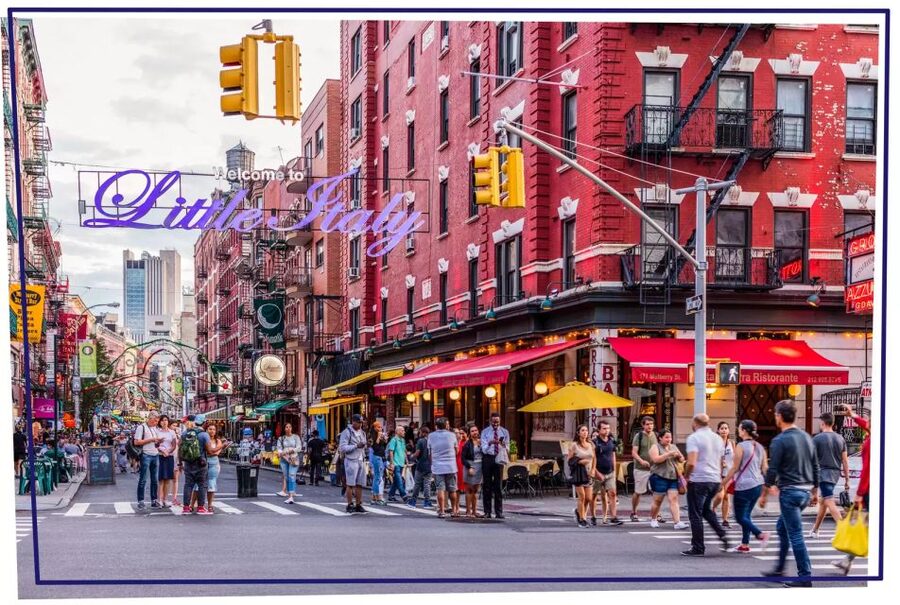
In Little Italy, the guide turns to Italian immigration, family businesses, food traditions, and stories of organized crime. The Italian Mafia tales add a dramatic edge, but the tour also places them beside ordinary immigrant life. That balance matters. Little Italy is more than a movie set or a collection of red-white-and-green decorations.
You will hear about how Italian communities shaped the area and preserved familiar foods and customs. Guides also share local legends and personal observations, which can make the streets feel less like a backdrop and more like a lived-in neighborhood.
The tradeoff is that modern Little Italy is smaller than many first-time visitors expect. Much of the area is now commercial and restaurant-focused. The guide helps explain that change instead of pretending the neighborhood has remained frozen in its immigrant-era form.
Ferrara Bakery and the cannoli break
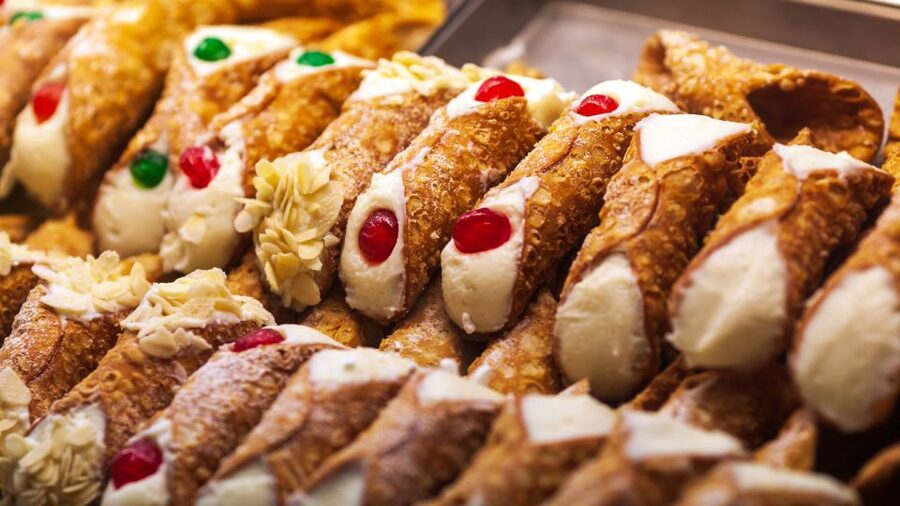
Ferrara Bakery & Cafe provides the sweet stop. The cannoli is one of the tour’s signature treats and a pleasant contrast to the savory dumplings in Chinatown.
Again, food is not included, so you pay separately. That keeps the tour’s base price low and gives you control over how much you spend. If you are already full, you can skip the purchase and continue listening.
I like this stop because Ferrara also works well as a return visit after the tour. Your guide may offer other food suggestions nearby, and the location makes it easy to continue exploring Little Italy on your own.
Do not expect a long sit-down meal. This is a short tasting during a walking route. The value is the combination of pastry, place, and explanation.
Grand Street and the move into SoHo
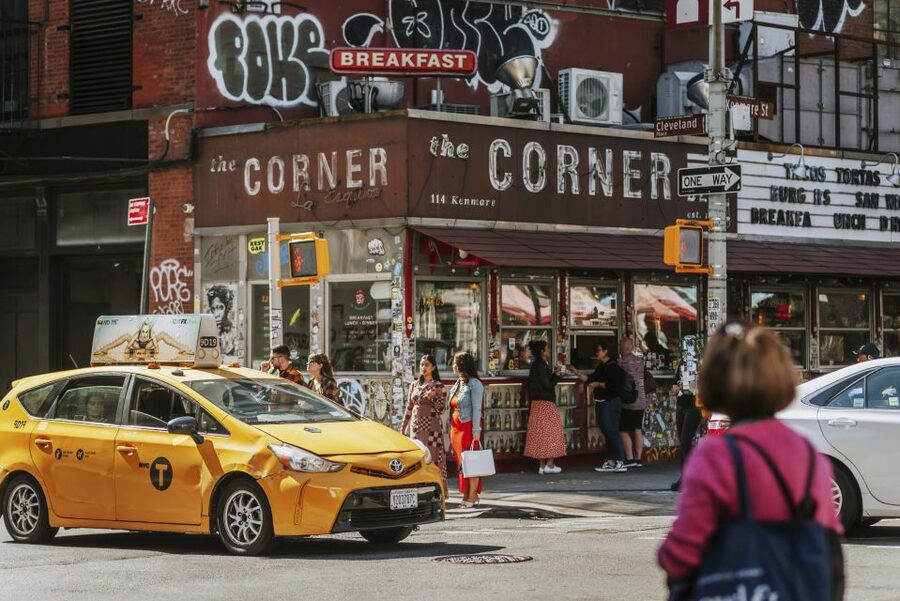
Grand Street marks the transition toward SoHo. By this point, you have seen how Lower Manhattan’s communities overlap, and the next neighborhood offers a different story: factories, warehouses, artists, boutiques, galleries, and fashionable retail.
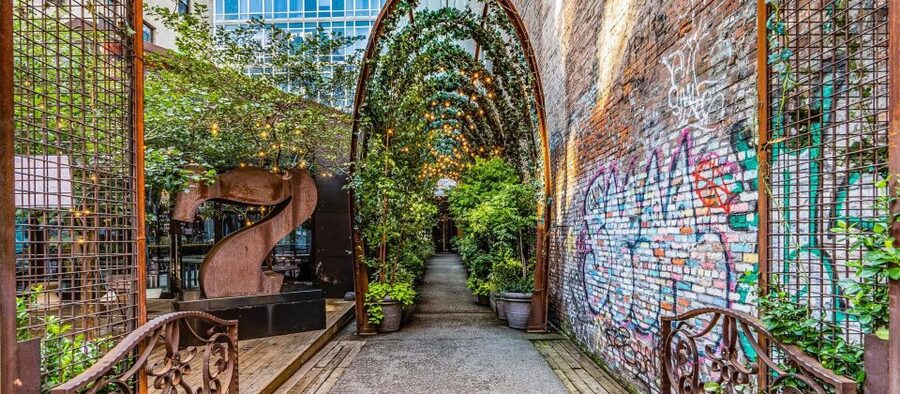
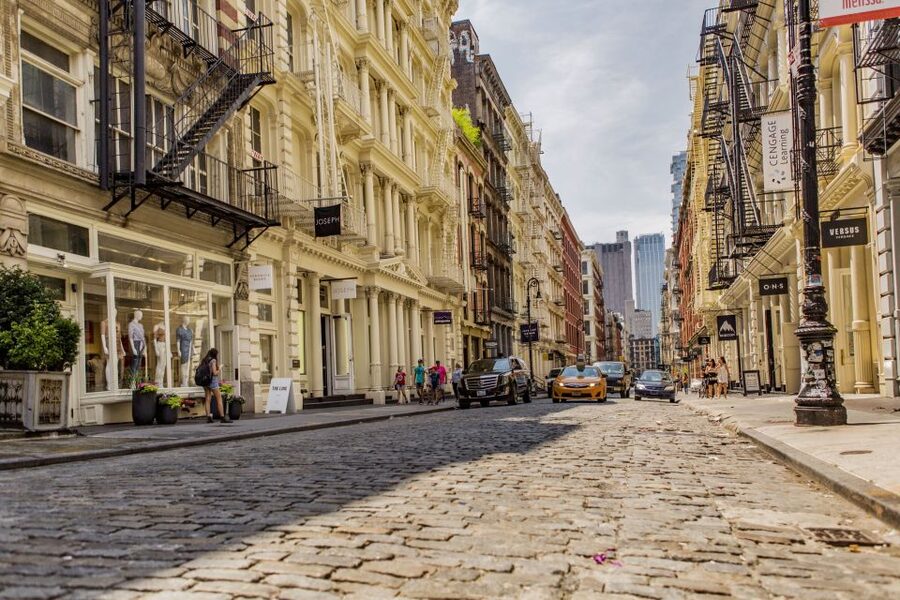
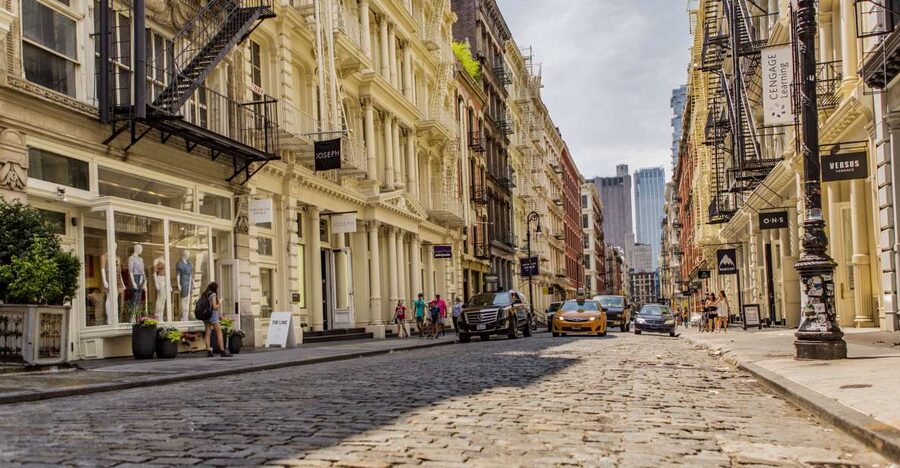
SoHo is often photographed for its cast-iron buildings and cobblestone streets. A guide adds the missing background by explaining how the district moved from industrial use to an arts center and then to one of Manhattan’s best-known shopping areas.
That evolution is worth hearing because SoHo can look polished and expensive today. The guide helps you notice the older industrial design behind the storefronts. You may also hear about film locations and recognizable streets, another detail that adds fun without taking over the history.
The SoHo section is less about one major attraction and more about reading the streets. Look up at the facades, fire escapes, and building details. The tour is strongest when you slow your eyes down and let the guide point out what you might otherwise miss.
The Haughwout Building, Greene Street, and Prince Street
The Haughwout Building is one of the route’s key architectural stops. Its elaborate cast-iron facade shows why SoHo is so popular with photographers and architecture fans. The building gives the guide a concrete example when explaining the neighborhood’s industrial and commercial past.
Greene Street and Prince Street then provide more chances to see SoHo’s signature buildings and street views. These are good places for photos, but they are also busy shopping streets. You may need to pause at the edge of the sidewalk rather than stop in the middle of the flow.
The tour ends on Prince Street. That is a convenient finish because you remain in SoHo, with time to continue browsing, eat, or revisit a place the guide recommended. It is not a return-to-hotel service, so plan your next move from the end point.
The guides are the tour’s strongest feature
The route is solid, but the guide is what determines how memorable the experience feels. Names praised across different outings include Fred, Gary and Garry, Percy, Liz, Dave, Jared or Jerad, Garrett, Ray, Jim Quinn, Bryant, and Care.
The strongest descriptions focus on storytelling, humor, and local pride. Guides have explained everything from early Dutch settlement and the Revolutionary War to the Brooklyn Bridge, skyline changes, neighborhood food, and people connected to old mansions. Some used pop quizzes. Others adjusted the tone when the group was tiny and made the walk feel like a conversation with a local friend.
That variety also means no two departures will feel exactly alike. A guide may focus more on architecture, immigration, food, movies, crime stories, or broad New York history. If you enjoy asking questions, this is a good format. Several guides made time for questions and offered ideas for further visits.
The tour works best when you treat the guide as a resource, not just a narrator. Ask where to eat, what to revisit, and which streets deserve another look.
Timing, weather, and comfort
Two hours sounds easy, but New York walking can be demanding. The route covers several neighborhoods, and you will be outside almost the entire time. Heat was a clear issue during one July outing, even though the guide kept a good pace and shared information along the way.
Rain does not automatically ruin the experience. One guide found shelter during a wet start and kept the tour going. Still, weather can affect your comfort, photos, and willingness to linger.
The walking pace has been described as comfortable and well judged, including for solo participants and mixed-age groups. You should still bring water in warm weather and wear shoes that can handle uneven surfaces. A compact umbrella or rain layer is sensible when the forecast looks uncertain.
How much value do you get for $30?
The $30 price is fair for a two-hour guided walk in central Manhattan. You receive a live English-speaking guide, a planned route, landmark explanations, food stops, and several chances to take photos. You also avoid spending time figuring out the connections between these neighborhoods on your own.
The value is highest for a first visit to New York or for anyone who wants historical context before returning independently. The restaurant suggestions can also pay off later, especially in Chinatown and Little Italy.
The price does not include dumplings, cannoli, drinks, hotel pickup, or drop-off. Budget extra for the tastings if you want them. Even with food purchases, the outing remains less expensive than many longer guided city tours.
The private option costs more than the public format, though the supplied details do not give a separate private price. Choose private only if personal attention and flexible conversation matter more to you than saving money.
Who should book this walk?
I would recommend it to first-time visitors, food-minded walkers, history fans, architecture lovers, and anyone who wants a quick introduction to Lower Manhattan. It also suits solo visitors who appreciate company without committing to a full-day group activity.
Families can enjoy it, particularly if children or teenagers respond well to stories, snacks, and quizzes. The two-hour length is manageable, though young children may tire on crowded sidewalks.
You may want a different experience if you dislike city walking, want long indoor visits, or expect a full Brooklyn Bridge crossing. The tour samples several districts rather than exploring one in great depth.
The cancellation policy is friendly: you can cancel up to 24 hours ahead for a full refund. You can also reserve now and pay later, which helps if your New York schedule is still shifting.
Should you book the SoHo, Little Italy, and Chinatown tour?
Yes, if you want a well-priced introduction to three distinct Lower Manhattan neighborhoods. I would book it early in a New York visit, then use the guide’s food and sightseeing suggestions to plan your own return visits.
The best reason to choose this walk is not simply the dumplings, cannoli, or Brooklyn Bridge view. It is the way a good guide connects them: civic New York at City Hall, immigrant New York in Chinatown and Little Italy, and industrial-to-fashionable New York in SoHo.
Book it if you value stories and conversation. Skip it if you want a slow food crawl or a full architectural tour. At $30, with a strong record of warm, engaging guides, it is a sensible way to get your bearings fast.
FAQ
How long does the tour last?
The tour lasts two hours. Some outings may run slightly longer, depending on the guide and group.
How much does the tour cost?
The listed price is $30 per person.
Where does the tour begin?
Meet at the intersection of Warren Street and Broadway, in front of City Hall Subway Station.
Where does the tour end?
The walk ends on Prince Street in SoHo, at Prince Street, New York, NY 10012.
Which neighborhoods does the tour visit?
The route visits City Hall Park, Chinatown, Little Italy, and SoHo, with stops near the Brooklyn Bridge and other Lower Manhattan landmarks.
Are food and drinks included?
No. Food and drinks are not included in the tour price. You can buy dumplings in Chinatown and cannoli at Ferrara Bakery & Cafe at your own expense.
What language is the tour offered in?
The live guided tour is offered in English.
Is the tour wheelchair accessible?
Yes, the activity is listed as wheelchair accessible.
Can I cancel or pay later?
You can cancel up to 24 hours before the tour for a full refund. You can also reserve your place and pay later.
Just added in New York City
- All Inclusive Airport Arrival Transfer to NYC/ Brooklyn/Queens★ 4.0 · 849 reviews
- All Inclusive Airport Departure Transfer NYC/ Brooklyn/Queens★ 4.0 · 342 reviews
- The Escape Game Brooklyn: Epic 60-Minute Adventures in City Point★ 5.0 · 332 reviews
- Brooklyn Food Walking Tour: Local Eats & Family‑Run Shops★ 5.0 · 592 reviews
- Brooklyn Bridge & DUMBO Food Tour: Local Eats & Landmarks★ 5.0 · 478 reviews
- Harlem: Central Harlem Sunday Gospel with Locals★ 3.9 · 499 reviews
- West Harlem: Gospel Church Service and Sunday Walking Tour★ 4.3 · 411 reviews
- Manhattan: Statue and Skyline Cruise Aboard a Luxury Yacht★ 4.8 · 540 reviews
New York City Tours, compared.

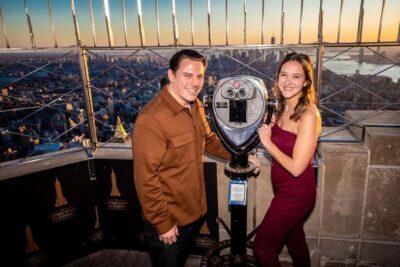
Empire State Building Tickets – Observatory & Museum
Read our review →
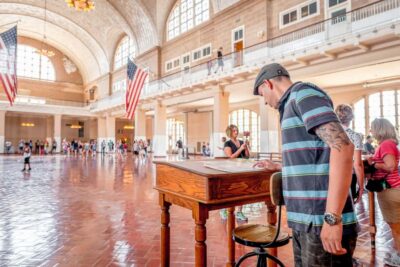


Statue of Liberty and Ellis Island Tour: All Options
Read our review →Browse the lists this tour appears in