
Reviewed · NEW YORK CITY TOURS
NYC: The Frick Collection Entry Ticket
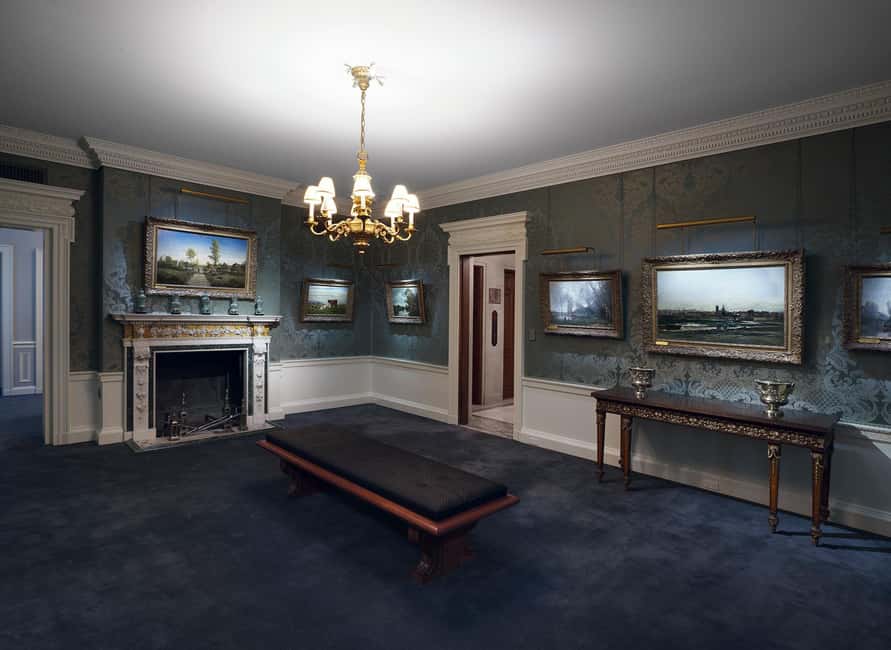
A mansion full of masterpieces. The Frick Collection gives you an unusually personal art museum experience, with Renaissance paintings, nineteenth-century works, sculpture, furniture, rugs, and fountains displayed inside Henry Clay Frick’s former Fifth Avenue home. I especially like the intimate scale and the chance to see major works by Bellini, Rembrandt, Vermeer, Fragonard, Turner, Constable, and others without crossing a giant museum complex.
I also like the careful renovation, which restored the first-floor galleries and opened more of the second floor to the public. The main drawback is strictness: you cannot take photographs inside, carry liquids into the galleries, or bring large bags. Weekend crowds can also slow movement, even with timed admission.
In This Review
- Key points to know before you go
- Why The Frick feels different from a huge New York museum
- Entering the restored Fifth Avenue home
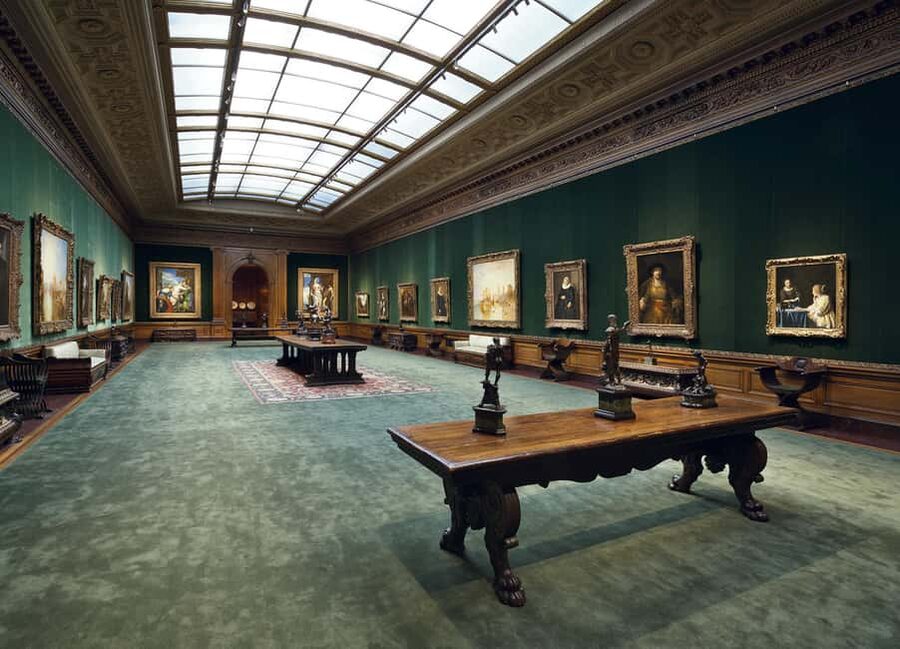
- The first-floor galleries and the great-name paintings
- The second floor: smaller works and more breathing room
- The mansion, fountains, and small garden
- How much time should you allow?
- Audio help, room attendants, and the information gap
- Crowds, timed entry, and the best time to visit
- The no-photography rule and what to leave behind
- Cafe, shop, and the shape of a full visit
- Is $30 a fair price?
- Who should book The Frick Collection?
- Should you book it?
- FAQ
- Where is The Frick Collection located?
- How much does admission cost?
- How long is the ticket valid?
- Is The Frick Collection wheelchair accessible?
- Are children allowed inside the museum?
- Can I take photographs inside?
- Can I bring luggage, large bags, or drinks?
Key points to know before you go
- The museum reopened on April 17, 2025, after a multi-year renovation of its Fifth Avenue home.
- The first floor holds the familiar showstoppers, while the newly opened second floor adds smaller paintings, sculpture, and decorative arts.
- Vermeer, Rembrandt, Bellini, Fragonard, Turner, and Constable are among the major names represented.
- The mansion is part of the experience, with restored rooms, fine fabrics, rugs, fountains, and a small garden.
- Timed tickets help control entry, but Saturday and midday visits can still feel crowded.
- Children 10 and under are not permitted, and photography is allowed only in the lobby.
Why The Frick feels different from a huge New York museum
The Frick is not a warehouse of art. It is a former mansion where the setting matters almost as much as the objects on the walls.
Henry Clay Frick founded the collection, which opened to the public in 1935. His taste leaned toward European fine and decorative arts from the Renaissance through the late nineteenth century. That gives the museum a clear personality. You are not asked to race across centuries and continents in one afternoon. Instead, you move through rooms where paintings, furniture, carpets, architectural details, and sculpture work together.
I find that scale useful. At a very large museum, it is easy to collect famous names without really looking. Here, you can pause in front of a painting and still keep the building in your mind. The room itself helps explain how the art was meant to be seen.
The collection is especially suited to you if you enjoy old master painting, elegant interiors, portraits, landscapes, and decorative objects. It may not be the right choice if your main interest is modern art or a large Impressionist display. One returning visitor found the post-renovation Impressionist room smaller than expected, with only four paintings, and missed works previously on view. The selection can change, so check current displays if you have one particular favorite.
A few more options to weigh up in New York City
- NYC: SUMMIT One Vanderbilt Tickets
★ 4.7 · 51,195 reviews - NYC: 9/11 Memorial & Museum Timed-Entry Ticket
★ 4.8 · 31,428 reviews - NYC: Empire State Building Tickets – Observatory & Museum
★ 4.7 · 25,757 reviews
Entering the restored Fifth Avenue home
Present your mobile ticket at the entrance. Timed admission is used to manage capacity, and booking ahead is sensible, especially for a Saturday or a popular midday slot.
The entrance process is generally straightforward, though you may still encounter a line outside. One useful lesson is to arrive with patience and a little flexibility. A timed booking does not always mean walking directly through the door at the exact minute printed on your ticket. During busy periods, the line may move slowly.
Once inside, the atmosphere changes. The staff at check-in and the attendants stationed through the galleries are widely praised for being friendly and helpful. Room attendants can explain details about the rooms and point you toward the next section, which is useful in a house with several transitions and stairways.
The museum is wheelchair accessible. Still, leave extra time at busy points, particularly around upper-floor transition areas. The building is not enormous, but its historic layout means that people naturally gather in doorways and connecting spaces.
The first-floor galleries and the great-name paintings
Begin on the first floor, where many of the museum’s best-known works have been reinstalled after the renovation. This is the core of the visit, and it is where you will find the strongest concentration of celebrated European painting.
The range is impressive:
- Bellini and other Renaissance masters
- Rembrandt and Vermeer
- Fragonard
- Titian and El Greco
- Van Dyck
- Turner and Constable
- Renoir, Monet, and Degas
The Frick is particularly rewarding for visitors who appreciate paintings in conversation with one another. You can move from a formal portrait to a landscape, then from a religious work to a domestic interior, all within a setting that feels deliberate rather than random.
Vermeer is a major draw. The museum’s Vermeer display is one of the reasons many art lovers make the trip, and the intimacy of the rooms helps these quiet paintings hold your attention. You do not need to know every technical detail to appreciate the stillness and precision.
Rembrandt provides a different kind of force. His works reward slow looking, especially when you compare his handling of faces, fabric, and shadow with the smoother finish of earlier or more formal portrait painters. The collection also includes multiple works by artists such as Gainsborough, which makes the museum useful for seeing an artist’s style across more than one example.
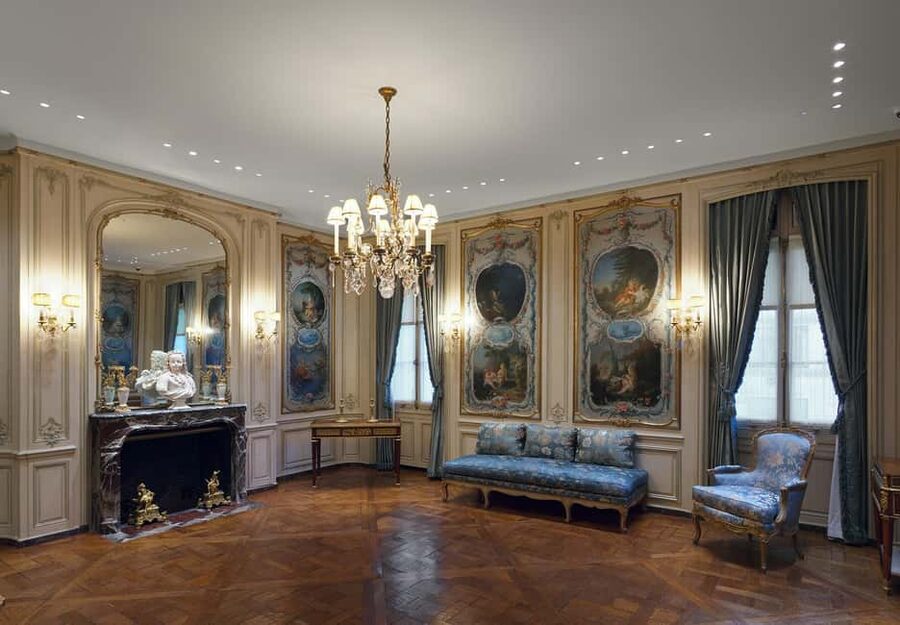
The rooms are not just containers. The renovation restored colors, fabrics, rugs, and other surfaces that frame the art. Some people who knew the former arrangement felt that the old residence had more charm, while others found the restoration spectacular. That difference is worth keeping in mind. The renovated museum feels more polished and provides access to more of the house, but it may feel less like a private home than it once did.
The second floor: smaller works and more breathing room
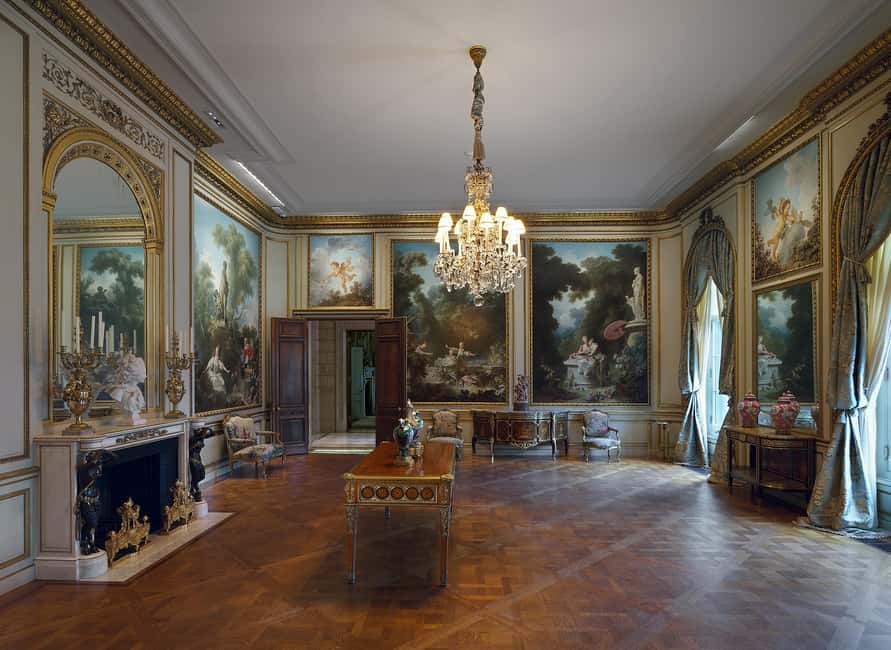
The newly opened second floor expands the visit beyond the famous first-floor rooms. Here you find smaller-scale paintings, sculpture, and decorative objects.
This part of the museum rewards a slower pace. The first floor gives you the names that brought you through the door. The second floor gives you a fuller picture of the collection and of the objects that make a mansion feel lived in and complete.
Look for details rather than simply counting masterpieces. A sculpture, piece of furniture, rug, or decorative object can explain the taste of the period in a way a painting alone cannot. The second floor also helps you understand that The Frick is not only a picture gallery. It is an arrangement of art and rooms.
The upper rooms can become crowded during peak periods. If you find people bunching up in connecting spaces, move into the galleries and allow the group ahead of you to spread out. The museum is easier to appreciate when you do not treat it like a checklist.
A different kind of day out entirely:
- NYC: Empire State Building Observation Deck Tickets
★ 4.7 · 22,072 reviews - NYC: Edge Observation Deck Admission Ticket
★ 4.6 · 20,918 reviews - New York City: Statue of Liberty & Ellis Island with Ferry
★ 4.6 · 18,683 reviews - New York City: American Museum of Natural History Ticket
★ 4.5 · 15,447 reviews
The mansion, fountains, and small garden
The building itself is one of the strongest reasons to pay the admission price. You are seeing art inside a restored historic home, not an anonymous white-box gallery.
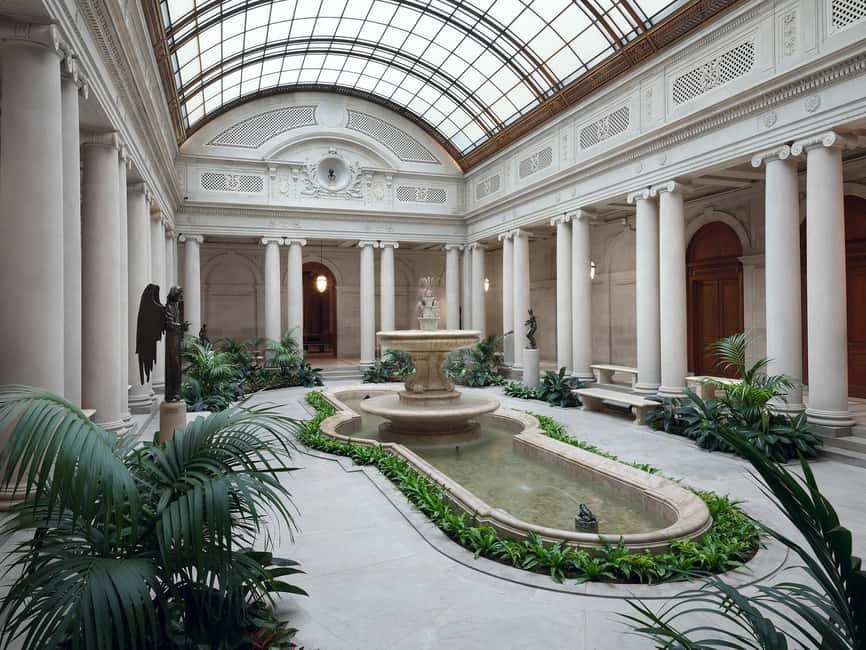
Architectural details, fabrics, rugs, and carefully finished surfaces create a quiet frame for the paintings. A fountain and a small garden add another kind of pause. The garden is a particularly pleasant place to sit and collect your thoughts after several rooms of concentrated looking.
The restored garden has drawn special praise, though its appeal depends on the season and weather. In winter, snow can cover parts of the outdoor setting, while in warmer weather it offers a calm break from Fifth Avenue.
The building also gives you a sense of how a major private collection could be arranged for personal enjoyment. You can think about why certain works were placed together, how a portrait relates to its room, and how decorative arts shape the mood. That is something a large public museum often cannot provide.
How much time should you allow?
The ticket is valid for one day, with entry based on available starting times. The exact length of your visit depends on your pace and interest.
If you move quickly, you can see all the rooms in about an hour. I would not recommend planning so tightly unless you have a packed New York schedule. The museum is small enough for a focused visit, but the quality of the paintings and interiors rewards lingering.
A practical plan is to allow at least two hours if you want to see both floors, pause in the garden, and spend real time with the major works. Add more time if you use the audio material, read room information, or stop at the cafe.
You may also want to return later in your trip. The museum’s compact size makes a second visit possible, especially if your first pass is quick. One of the advantages of The Frick is that you do not need to sacrifice an entire day to see it properly.
Audio help, room attendants, and the information gap
Free audio material is available, and it can add useful context to the paintings and rooms. If you prefer not to use your phone in a museum, bring that preference into your planning. Information beside individual paintings may feel limited, and some visitors wanted more explanation of how Frick acquired particular works.
That gap matters. The collection is easier to understand when you know why so many works by one artist appear together, or what guided Frick’s choices. You can buy a book in the shop for more background, but that comes after the visit rather than during it.
Room attendants help fill in some of the gaps. Staff members are present throughout the building, and their explanations can be valuable when you have a specific question. One guided experience with a staff member named Kevin received special praise for detailed answers and a friendly willingness to follow an unexpected question. The museum’s regular room staff can also point out features that are easy to miss.
The Bloomberg guide has received mixed practical reactions. Some people found it useful, while others found it cumbersome and not very user-friendly. If you use it, give yourself a moment to understand the controls before entering the galleries.
Crowds, timed entry, and the best time to visit
The Frick can feel wonderfully calm, but you should not assume every visit will be quiet. Saturday midday is the riskier choice. The rooms may be crowded, and movement can slow in upper-floor connections even though timed entry limits the number of people entering at once.
For a more relaxed experience, choose the beginning of the day or a quieter weekday slot when available. Another option is to stay until later in your visit, when the initial rush may have eased.
The entrance can be busier than the galleries. If you have mobility concerns or dislike waiting outdoors, plan for the possibility of a line and dress for the weather. Once inside, staff support is generally strong, and the bathrooms are clean and easy to find.
The museum’s compact layout is a benefit here. Even on a busy day, you are not committing to miles of corridors. You can step aside, let a group pass, and return to a painting when the room clears.
The no-photography rule and what to leave behind
Photography is permitted only in the lobby. Inside the galleries, cameras and phone photography are not allowed. This includes the normal no-flash habit you may use at other museums, so do not assume a quick picture will be acceptable.
The rule frustrates some art lovers, especially those used to photographing details for later study. On the other hand, it encourages you to look directly rather than through a screen. If you want a record of a work, use the museum’s printed material or shop resources instead.
Do not bring liquids or bottles into the galleries unless medically necessary. Large bags, luggage, garment bags, and camera extension poles are not permitted in the rooms. Oversized items must go to the coat check.
A small backpack-style purse or hoodie may attract attention from gallery attendants, so travel light. The staff are protecting valuable objects, but repeated reminders can feel fussy if you are not prepared. The easiest approach is to carry only what you need.
Cafe, shop, and the shape of a full visit
The cafe offers a useful place to pause, and the food and service have received strong praise. It is also popular, particularly on busy days. At peak times, you may need to put your name down early, and waits can be long. A two-hour wait has been reported during a crowded visit, so do not build a tight lunch schedule around it.
The cafe is also expensive by ordinary standards, though that is hardly surprising in this part of New York. Think of it as an optional add-on, not part of the ticket value.
The gift shop is worth a look if you want more context about the collection, the building, or individual artists. A book can provide some of the background that is not always available beside every painting.
The basement performance hall is not included with this entry ticket. If you expect the admission to cover every part of the building or a performance, check the details before you go.
Is $30 a fair price?
At $30 per person, The Frick costs more than a casual gallery stop, but the price is reasonable for a major collection in a restored historic home. You are paying for three things at once: important European art, access to a carefully restored mansion, and a more focused visit than a huge museum can provide.
The value is strongest if you care about Renaissance and old master painting, elegant interiors, and a quiet, concentrated art experience. It is less convincing if you mainly want Impressionist art, modern art, or a broad survey of many cultures.
The ability to see the entire museum in roughly an hour also makes the price easier to fit into a New York itinerary. You can combine it with other Fifth Avenue sights rather than giving up a full day.
Booking in advance is sensible. It helps with timed entry, and popular periods can fill. Free cancellation up to 24 hours in advance and a reserve-now, pay-later option provide some flexibility, according to the ticket terms.
Who should book The Frick Collection?
I recommend this experience to art lovers who would rather study a few outstanding works than rush through hundreds. It is especially good for visitors drawn to Vermeer, Rembrandt, Bellini, Turner, Constable, Fragonard, and European decorative arts.
It also suits anyone who enjoys historic interiors. The building is not a neutral backdrop. Its rooms, fabrics, rugs, fountains, and garden are central to the pleasure of the visit.
Families with young children should choose another museum because children 10 and under are not permitted. Older children and adults who can appreciate quiet galleries will get much more from the visit.
Should you book it?
Book The Frick Collection if you want a high-quality, compact museum visit with major European art and a restored mansion around it. Reserve a timed ticket, travel light, and aim for an early or quieter weekday visit if you dislike crowds.
Skip it if your priority is photography, modern art, or a large Impressionist collection. For the right audience, though, $30 buys an experience that feels focused, elegant, and genuinely different from marching through a giant public museum.
FAQ
Where is The Frick Collection located?
The Frick Collection is located in New York City on Fifth Avenue.
How much does admission cost?
Admission costs $30 per person.
How long is the ticket valid?
The ticket is valid for one day. You should check available starting times when booking.
Is The Frick Collection wheelchair accessible?
Yes, the museum is wheelchair accessible.
Are children allowed inside the museum?
Children 10 and under are not permitted in The Frick Collection.
Can I take photographs inside?
Photography is allowed only in the Frick lobby. Photography is not permitted inside the galleries.
Can I bring luggage, large bags, or drinks?
Luggage and large bags are not allowed in the galleries. Oversized items must be left at the coat check, and liquids or bottles are not permitted in the galleries unless medically necessary.
Just added in New York City
- All Inclusive Airport Arrival Transfer to NYC/ Brooklyn/Queens★ 4.0 · 849 reviews
- All Inclusive Airport Departure Transfer NYC/ Brooklyn/Queens★ 4.0 · 342 reviews
- The Escape Game Brooklyn: Epic 60-Minute Adventures in City Point★ 5.0 · 332 reviews
- Brooklyn Food Walking Tour: Local Eats & Family‑Run Shops★ 5.0 · 592 reviews
- Brooklyn Bridge & DUMBO Food Tour: Local Eats & Landmarks★ 5.0 · 478 reviews
- Harlem: Central Harlem Sunday Gospel with Locals★ 3.9 · 499 reviews
- West Harlem: Gospel Church Service and Sunday Walking Tour★ 4.3 · 411 reviews
- Manhattan: Statue and Skyline Cruise Aboard a Luxury Yacht★ 4.8 · 540 reviews
New York City Tours, compared.

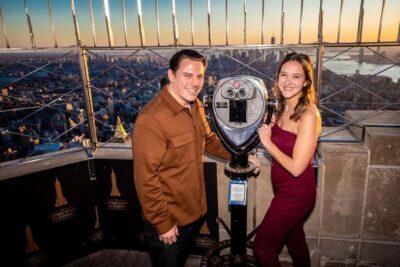
Empire State Building Tickets – Observatory & Museum
Read our review →
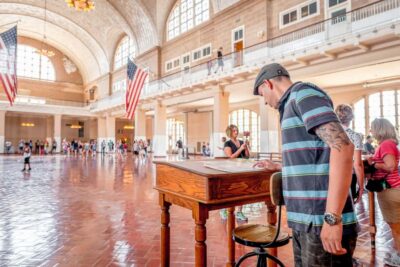


Statue of Liberty and Ellis Island Tour: All Options
Read our review →Browse the lists this tour appears in