
Reviewed · NEW YORK CITY TOURS
NYC: The Secrets of Grand Central Terminal
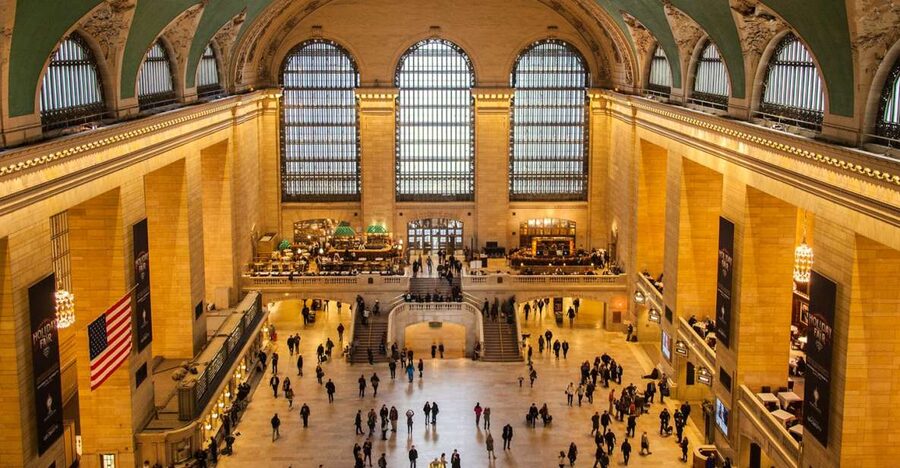
Grand Central rewards anyone who slows down. This 90-minute walking tour turns a familiar commuter hall into a story-filled landmark, with access to overlooked corners, old railroad tales, and architectural details easy to miss on your own. I especially like the look at the hidden tennis courts and the stop at The Campbell, a tucked-away bar in what was once a private office. The main drawback is that the tour moves through active public spaces, so holiday crowds and commuter traffic can occasionally make listening or gathering together harder.
I also like the way the tour links Grand Central’s glamorous beginning, years of decline, and careful restoration. Guides such as Jonathan, Richard, John, AJ, Ray, and Peter have earned especially strong praise for their clear storytelling and personal New York experience. At $39 per person, it is good value if you want more than a quick photo beneath the famous ceiling, though casual sightseers who only want the main atrium may find a self-guided visit enough.
In This Review
- Key points at a glance
- Why Grand Central needs a closer look
- Meeting beneath the main atrium
- The main atrium, Tiffany clock, and a costly design mistake
- The whispering gallery turns sound into a trick
- Glass walkways and spaces you would not find alone
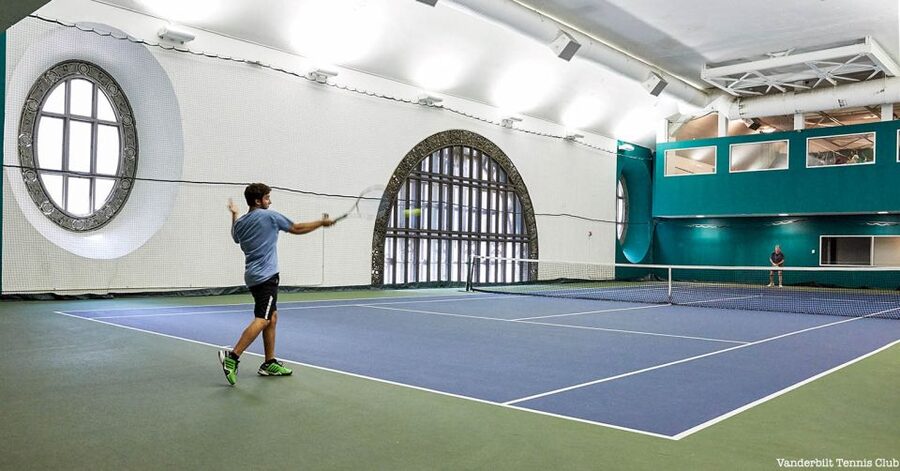
- Tennis courts in a railway terminal
- The lost movie theater and Grand Central’s changing role
- Midtown views with the Chrysler Building and One Vanderbilt
- The Campbell, a private office turned bar
- The Dining Concourse and the return to Grand Central
- The guides make the biggest difference
- Is $39 good value for 90 minutes?
- Who should book this Grand Central tour?
- Should you book it?
- FAQ
- Where does the tour meet?
- How long does the tour last?
- What language is the tour conducted in?
- Is the tour wheelchair accessible?
- What should I bring?
- Can I bring a tripod?
Key points at a glance
- The hidden tennis courts offer one of the tour’s most surprising glimpses into Grand Central’s private side.
- The whispering gallery turns an ordinary architectural feature into a fun sound experiment.
- The old movie theater remains reveal how Grand Central once served more than train passengers.
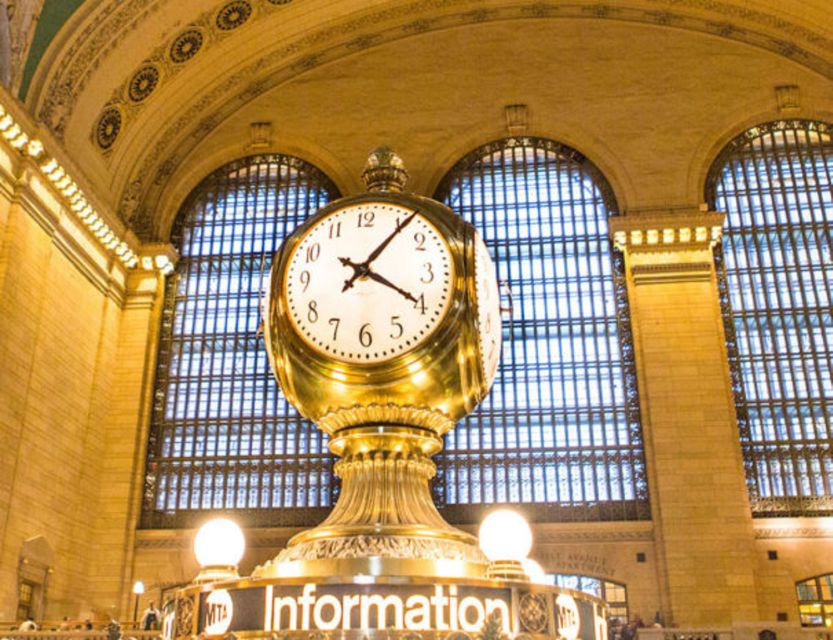
- The Tiffany clock and secret jewel show how much detail is packed into the terminal’s public rooms.
- The Campbell adds a stylish final stop, linking the terminal to New York’s office, dining, and nightlife past.
- Headsets are included, which matters when the tour passes through noisy parts of the building.
Why Grand Central needs a closer look
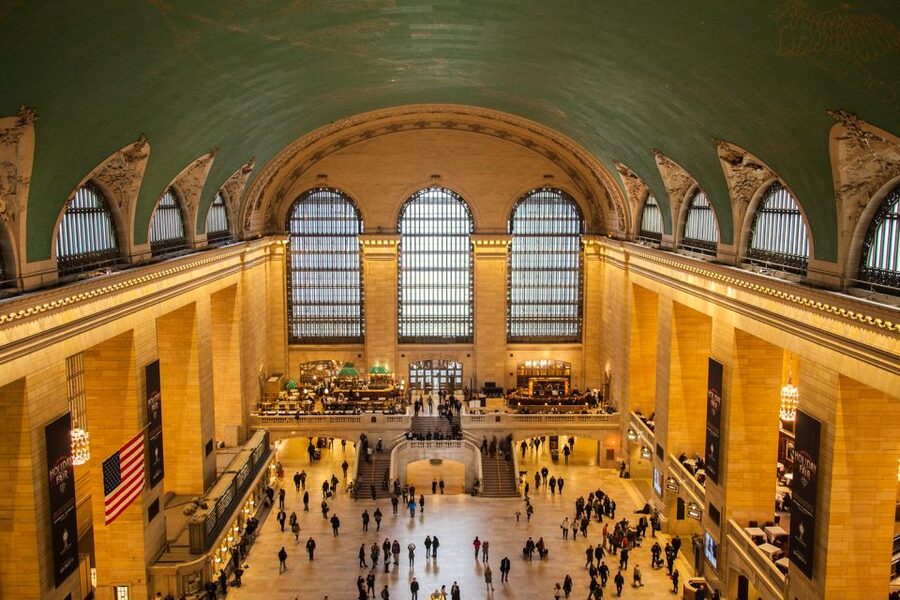
Grand Central Terminal is easy to treat as scenery. You enter, glance at the painted ceiling, find your train, and move on. That is exactly why this tour works. It asks you to pause and look at the parts most people pass without noticing.
The building has lived through several very different eras. The tour covers its role during the great railroad boom, its later years as a neglected and unfashionable station, and its renewal as one of Midtown’s best-known landmarks. You are not only looking at Beaux-Arts decoration. You are seeing how transportation, commerce, architecture, and city politics shaped one building.
I like that the experience does not focus only on grand surfaces. The guide points out practical details, design problems, spaces with restricted access, and traces of uses that have disappeared. That mix gives the tour more bite than a simple architectural walk.
The experience is conducted in English by a local New Yorker, with an English audio system and headsets supplied. That setup is useful inside the main atrium, where the high ceiling and constant movement can swallow a guide’s voice.
A few more options to weigh up in New York City
- NYC: SUMMIT One Vanderbilt Tickets
★ 4.7 · 51,195 reviews - NYC: 9/11 Memorial & Museum Timed-Entry Ticket
★ 4.8 · 31,428 reviews - NYC: Empire State Building Tickets – Observatory & Museum
★ 4.7 · 25,757 reviews
Meeting beneath the main atrium
You meet inside Grand Central Terminal, in front of track 29 in the main atrium. Give yourself enough time to find the track area, since the terminal has several levels, entrances, and large public rooms. The guide begins in one of the busiest parts of the building, so the headsets help from the start.
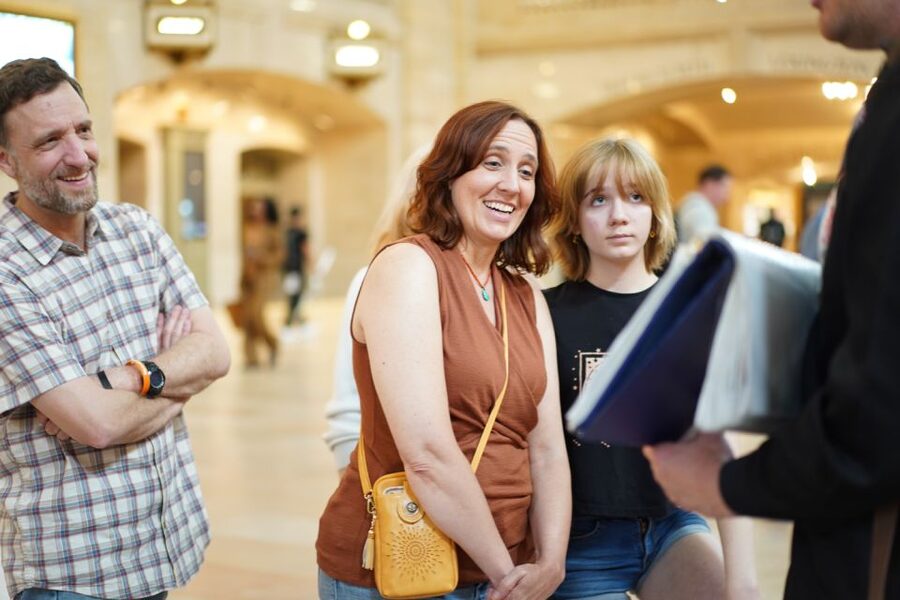
The tour is designed for a small group, though an exact group size is not specified. That usually makes a real difference here. The guide needs to steer the group through people heading for trains, find places where everyone can gather, and keep the story moving without blocking commuters.
Several guides have been praised for remembering names and where people came from. Jonathan, in particular, is noted for bringing the group together and checking in with individuals. That personal touch can make a crowded public building feel less chaotic.
You should wear comfortable shoes. The tour is on foot, includes indoor and outdoor sections, and runs rain or shine. Tripods are not allowed, so bring a smaller camera setup if photography matters to you.
The main atrium, Tiffany clock, and a costly design mistake
The central atrium is the natural starting point, but the tour gives you reasons to look beyond the famous ceiling. You learn about the world’s largest Tiffany clock, then see how the terminal’s decorative details work together as part of a huge civic interior.
The clock is not just a convenient meeting point. It represents the confidence of the railroad age, when major stations were designed to impress passengers before they had even boarded a train. The guide also draws attention to a multi-million-dollar jewel hidden in plain sight, a detail that rewards close observation rather than a quick wide-angle photograph.
Another highlight is the terminal’s major design flaw in the main atrium. The point is valuable because it changes how you read the room. A building can look perfectly ordered while still containing a serious problem in its design. That kind of detail gives the tour a practical edge and helps you see Grand Central as a working structure, not only a pretty one.
The atrium can be crowded, particularly around busy travel periods. You may need to stay close to the guide and accept that your view will sometimes be interrupted. The included headsets reduce that problem, but they cannot make the crowds disappear.
The whispering gallery turns sound into a trick
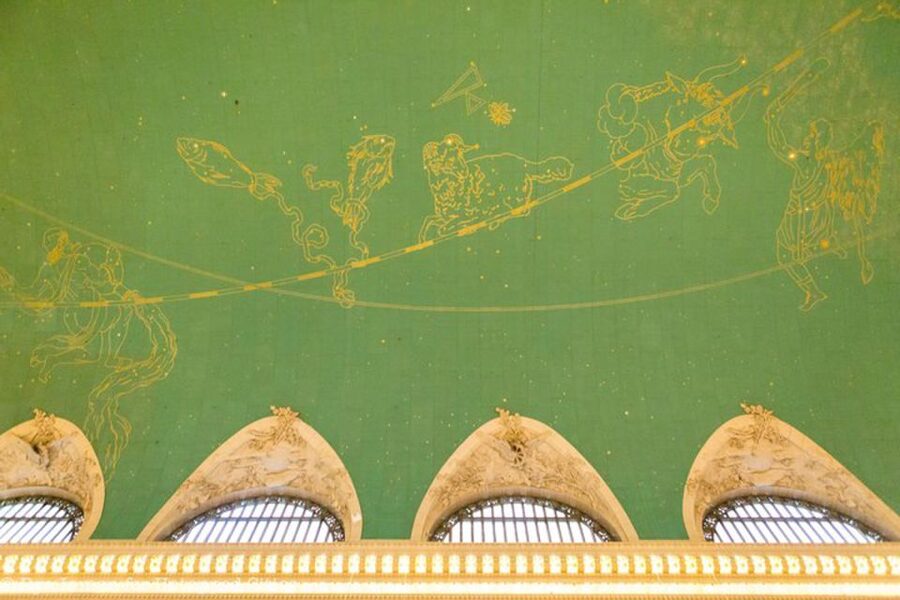
The whispering gallery is one of the tour’s most enjoyable stops because you do not simply hear about it. You experience the strange way sound travels through the architecture.
This is a good example of the tour’s style. A guide can point out a decorative arch or tiled passage, but the whispering effect gives you something to test for yourself. It breaks up the historical explanation with a simple, memorable experiment.
I would especially recommend this part for families and for anyone who likes architecture explained through physical experience. It is easier to remember how a space behaves when you have heard it in action.
The stop may not feel as grand as the main atrium or as exclusive as the private areas. Still, it is one of the places most likely to stay in your memory after the tour ends.
A different kind of day out entirely:
- NYC: Empire State Building Observation Deck Tickets
★ 4.7 · 22,072 reviews - NYC: Edge Observation Deck Admission Ticket
★ 4.6 · 20,918 reviews - New York City: Statue of Liberty & Ellis Island with Ferry
★ 4.6 · 18,683 reviews - New York City: American Museum of Natural History Ticket
★ 4.5 · 15,447 reviews
Glass walkways and spaces you would not find alone
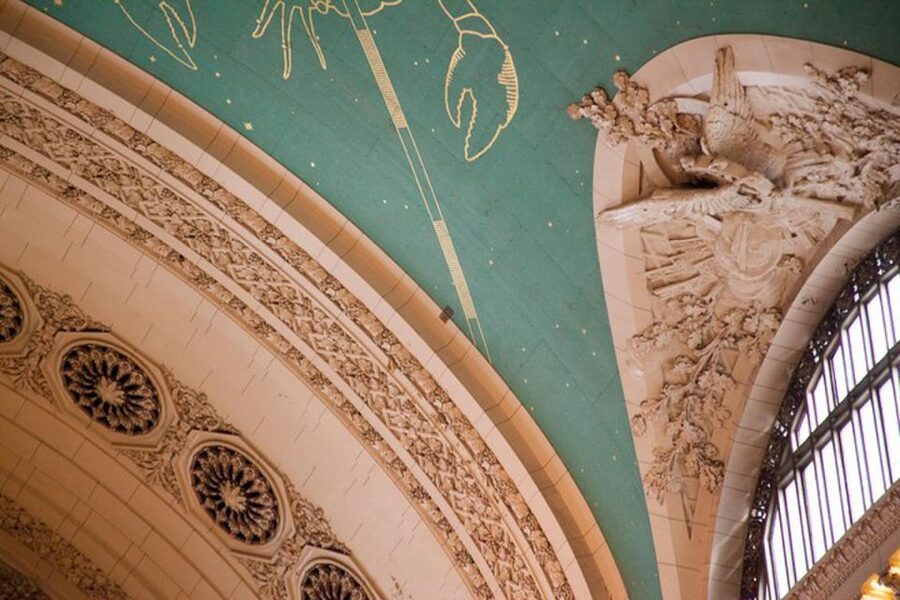
The tour includes a peek into the entrance of Grand Central’s glass walkways. These are not presented as a free-for-all exploration of every restricted corridor. You see selected areas and entrances, with the guide explaining why they matter.
This is where the tour earns its title. Most people know how to reach the main concourse, food areas, and train platforms. Far fewer know where to look for the building’s less obvious circulation routes and private edges.
You should keep your expectations sensible. The experience offers a look into off-limits or less accessible areas, but access can depend on the space and the operation of the terminal. The wording is best understood as a guided peek, not a full private exploration.
That limitation is also part of the appeal. You get enough access to see a side of Grand Central that an ordinary visit does not reveal, while the building continues to function around you.
Tennis courts in a railway terminal

The hidden tennis courts are perhaps the tour’s most unexpected stop. A railway terminal is the last place many people would associate with tennis, which makes the story instantly engaging.
The courts add a human and slightly odd detail to the terminal’s past and present. They show that Grand Central has not been only a place to board trains. Its upper and less visible spaces have supported private, commercial, and recreational uses that are easy to miss from the grand rooms below.
This stop is especially useful if you have already seen the terminal’s standard sights. You may have photographed the clock and ceiling before, but the tennis courts offer a genuinely different story.
The tour does not promise that you will play or enter every part of the courts. You see and learn about this unusual feature as part of the guided route. The value comes from the access and explanation, not from an athletic activity.
The lost movie theater and Grand Central’s changing role
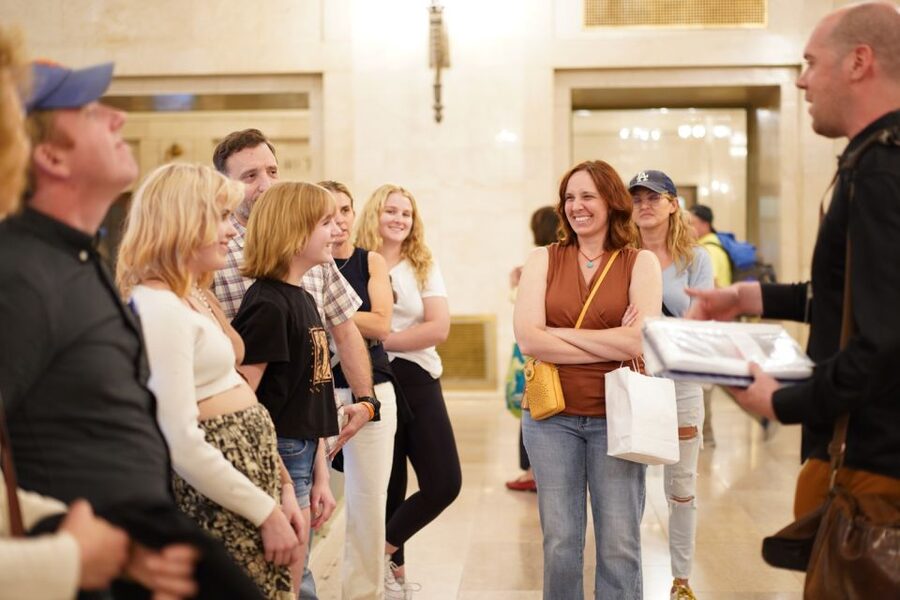
The remains of Grand Central’s lost movie theater provide a sharp reminder that buildings change as the city around them changes. The theater is no longer operating as it once did, but the tour points out what remains.
I like this stop because it moves the story beyond trains. Grand Central once functioned as a miniature city, with services and diversions designed to keep passengers comfortable and occupied. The movie theater reflects an era when a major terminal could contain far more than ticket counters and platforms.
Seeing what is left is more interesting than visiting a preserved attraction that looks untouched. You are looking at a trace of a vanished use, and the guide supplies the context that the bare remains cannot provide.
If your interest is limited to architecture, this may feel secondary. If you enjoy social history and everyday city life, it adds welcome depth to the tour.
Midtown views with the Chrysler Building and One Vanderbilt
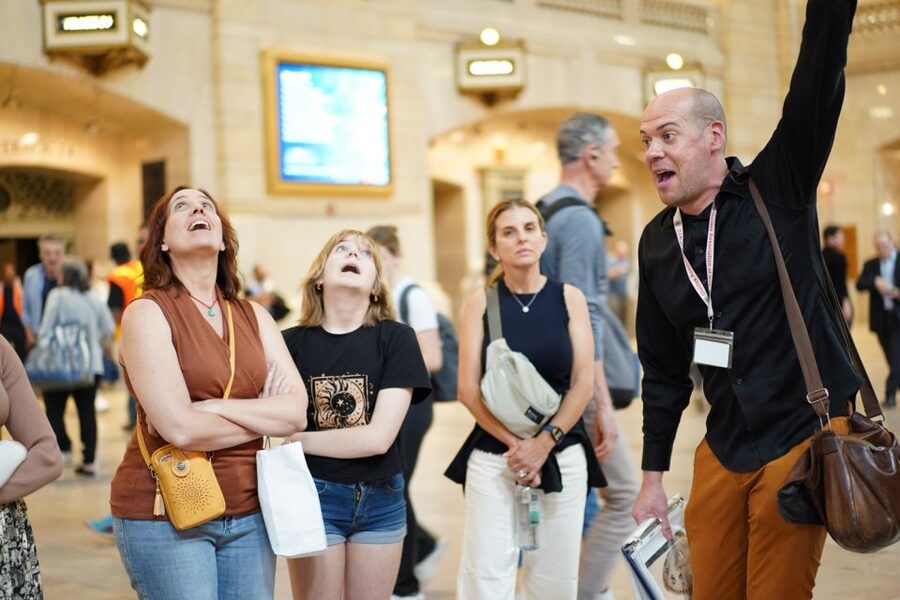
The route also moves briefly through Midtown Manhattan, with photo stops and pass-bys near the Chrysler Building and One Vanderbilt. These outdoor moments place Grand Central in its modern setting.
The Chrysler Building helps connect the terminal to the skyline of the early twentieth century. One Vanderbilt shows how the area continues to change around Grand Central. You get a quick sense of the old and new city pressing against each other.
The outdoor portion is not a separate skyscraper tour, and you should not expect extended visits inside either building. These are short visual stops that add context to the terminal’s location.
I appreciate the indoor and outdoor flow. It keeps the 90 minutes from feeling like one long explanation in a single room. In summer, though, the weather can affect comfort, and the tour takes place rain or shine. One participant noted that most of the route was inside air conditioning, but the final section was warmer and lacked air conditioning.
The Campbell, a private office turned bar
The Campbell is one of the tour’s most atmospheric stops. This tucked-away speakeasy bar once served as the private office of a business tycoon, giving the room a strong link to Midtown’s old business world.
The setting shows another side of Grand Central. The terminal was not only for passengers rushing to trains. It also attracted powerful business figures, private meetings, social gatherings, and after-work rituals.
You visit the space with a guide and have a chance to take photographs. Do not confuse the stop with a cocktail tasting or a dedicated bar visit. The focus is the room’s history and character, not a drink included in the tour.
For me, The Campbell is a strong finale because it changes the mood. After the vast public rooms and transport stories, you move into a more intimate space with a different kind of New York glamour.
The Dining Concourse and the return to Grand Central
The route passes through the Dining Concourse before returning to the terminal. This area helps show how Grand Central serves people who are not simply waiting on a platform.
The stop is brief rather than a meal break. You should not plan to eat during the tour, since the experience lasts 90 minutes and keeps a steady pace. Instead, the guide uses the concourse as another piece of the terminal’s larger design.
The final return to Grand Central makes the route convenient. You finish where you began, with access to trains, Midtown streets, and the terminal’s restaurants and shops afterward.
One practical note: the tour can run longer than the stated 90 minutes in some cases. A few comments describe experiences lasting close to two hours, while another mentions 130 minutes. If you have a train reservation, theater ticket, or timed museum entry, leave extra time after the scheduled finish.
The guides make the biggest difference
The most praised part of this experience is the guiding. Names that appear repeatedly in the tour’s feedback include Jonathan, Richard, John, AJ, Ray, Christian, Peter, Pete, Gary, and Dave.
The strongest descriptions focus on enthusiasm, clear delivery, humor, patience, and a real connection to New York. Peter’s interest in railroad history, transport planning, architecture, and construction made the tour especially useful for people who want more than amusing trivia. Ray’s background as a third-generation New Yorker added local perspective, while Dave included personal stories from hospitality and encounters with public figures.
Jonathan receives particular praise for remembering names, keeping the group together, and checking on everyone. AJ is noted for accommodating elderly people and special-needs students. Richard is praised for being patient and attentive, including with people who arrived late.
Guide quality can vary on any scheduled walking tour, but the overall rating of 4.8 from 718 ratings suggests a very dependable experience. The included headsets also help keep the storytelling clear when the terminal gets noisy.
Is $39 good value for 90 minutes?
At $39, I think the tour offers good value if you care about architecture, trains, New York stories, or unusual access. You are paying for a local guide, a planned route, historical context, headset equipment, and access to details you are unlikely to assemble on your own during a first visit.
A free visit to Grand Central will show you the main atrium, clock, ceiling, and public concourses. It will not necessarily lead you to the tennis courts, whispering gallery, old movie theater remains, glass walkway entrance, or The Campbell in a logical sequence.
The price is less compelling if you already know Grand Central well or prefer to wander without a schedule. The tour has a steady pace and a set route, and some parts may be harder to enjoy when commuters or holiday crowds fill the building.
Free cancellation up to 24 hours before the start and a reserve-now, pay-later option make it easier to fit into a changing New York schedule. The tour is also wheelchair accessible, which is important in a large terminal with several levels and busy passageways.
Who should book this Grand Central tour?
I would choose this experience for a first visit to New York if Grand Central is on your list, especially if you like old buildings, transport history, or stories about how cities work.
It also suits repeat visitors. If you have already taken the standard photographs, the unusual rooms and small architectural details give you a fresh reason to return.
Families can enjoy the whispering gallery, tennis courts, and movie theater story, while architecture fans will appreciate the Beaux-Arts design and the discussion of the atrium’s flaw. People who prefer a slow, quiet museum visit should know that this is an active walking tour in a working terminal.
The tour is conducted in English, and the guide speaks through an English headset system. If you need another language, this experience is not the right fit based on the available information.
Should you book it?
Book it if you want Grand Central explained, not merely photographed. The $39 fee is fair for the access, route, and strong guiding, with the tennis courts, glass walkways, whispering gallery, and The Campbell providing details you are unlikely to find by accident.
Skip it if you only have time for a quick look at the main atrium or if you dislike group tours in active public spaces. For everyone else, wear good shoes, allow more than 90 minutes in your schedule, stay close to the guide, and let Grand Central reveal its less obvious side.
FAQ
Where does the tour meet?
Meet your guide inside Grand Central Terminal, in front of track 29 in the main atrium.
How long does the tour last?
The scheduled duration is 90 minutes. Some tours may run longer, so leave extra time afterward if you have another timed activity.
What language is the tour conducted in?
The live tour guide and included audio system are in English.
Is the tour wheelchair accessible?
Yes, the activity is listed as wheelchair accessible.
What should I bring?
Wear comfortable shoes. The tour is a walking experience with indoor and outdoor sections.
Can I bring a tripod?
No. Tripods are not allowed on the tour.
Just added in New York City
- All Inclusive Airport Arrival Transfer to NYC/ Brooklyn/Queens★ 4.0 · 849 reviews
- All Inclusive Airport Departure Transfer NYC/ Brooklyn/Queens★ 4.0 · 342 reviews
- The Escape Game Brooklyn: Epic 60-Minute Adventures in City Point★ 5.0 · 332 reviews
- Brooklyn Food Walking Tour: Local Eats & Family‑Run Shops★ 5.0 · 592 reviews
- Brooklyn Bridge & DUMBO Food Tour: Local Eats & Landmarks★ 5.0 · 478 reviews
- Harlem: Central Harlem Sunday Gospel with Locals★ 3.9 · 499 reviews
- West Harlem: Gospel Church Service and Sunday Walking Tour★ 4.3 · 411 reviews
- Manhattan: Statue and Skyline Cruise Aboard a Luxury Yacht★ 4.8 · 540 reviews
New York City Tours, compared.

Empire State Building Tickets – Observatory & Museum
Read our review →



Statue of Liberty and Ellis Island Tour: All Options
Read our review →Browse the lists this tour appears in