
Reviewed · HISTORICAL TOURS
Savannah Slavery to Freedom Guided History Tour
Savannah’s past is bigger than its pretty squares. This three-hour tour gives you a clear look at how enslaved Africans helped build the city, then follows the long, difficult road toward freedom. I like the focus on Black history that many general city tours skim over, and I like the way Sistah Patt connects economics, culture, faith, and daily life. The main drawback is that this is largely a vehicle tour, with limited time outside, so it may disappoint you if you want to walk and photograph every site.
I also appreciate the range of guides, including Patt and Sister Rosalyn, also known as Sister Rozz. Both bring an energetic, personal style to the subject. The material can be intense, especially for younger children, and the $54.78 price feels strongest if you care about history and want an informed introduction rather than a sightseeing ride with a few facts added.
In This Review
- Key points to know before booking
- Why this tour adds something different to Savannah
- Meeting Sistah Patt and Sister Rosalyn
- River Street and the labor behind Savannah’s waterfront
- Johnson Square and the city’s public spaces
- From enslavement toward freedom
- What the bus format is really like
- Is $54.78 a fair price?
- Choosing the right time and group
- Practical details that matter
- How to get the most from the experience
- Who should book this tour?
- FAQ
- Where does the tour start?
- Where does the tour end?
- How long does the tour last?
- What language is the tour offered in?
- Is the tour conducted on foot?
- Which Savannah locations are included?
- Who leads the tour?
- How many people can join the tour?
- Is the tour accessible to people using an ADA accessible vehicle?
- What happens if I need to cancel?
Key points to know before booking

- Sistah Patt leads with force and warmth: Her Gullah Geechee perspective, humor, and personal connection to Savannah are central to the experience.
- River Street has a darker story: The tour explains how enslaved African labor helped create the warehouses and commercial district you see today.
- Johnson Square carries painful history: You learn how the square was connected to slave auctions, not just Savannah’s familiar monuments and gardens.
- The format mixes bus travel with limited walking: You see several important places, but one account described getting off only once.
- The tour works best for older children and adults: The subject is serious, direct, and sometimes upsetting, though some families found it meaningful for children ages 8 and 13.
- Plan on about three hours: The narrated portion is described as lasting two to two and a half hours, with morning and afternoon departures.
Why this tour adds something different to Savannah
Savannah sells beauty well. Its squares, live oaks, old buildings, and riverfront make an easy first impression. But the city can also be too easy to admire without asking who built it, who profited from it, and who was denied freedom while its economy grew.
This tour puts those questions in the center. You learn about West African peoples brought to Savannah and forced into labor. You also hear about the skills and traditions they carried with them, including agricultural ability, building knowledge, medicinal understanding, spiritual practices, and folklore.
That broader focus matters. Slavery is not presented only as a list of cruel acts, though the cruelty is not ignored. The tour explains the money behind the system and the ways enslaved people shaped Savannah’s growth. That makes the experience useful even if you have already taken a standard trolley tour.
I especially like that the story does not end with enslavement. The second half follows the movement toward freedom and points to African American institutions that helped sustain community life. The result is a fuller story of Savannah, not a separate history placed on the side.
More History Tours in Savannah
- Savannah History and Haunts Candlelit Ghost Walking Tour
★ 5.0 · 3,235 reviews - Historic Savannah Guided Walking Tour
★ 5.0 · 2,918 reviews - Narrated Historic Savannah Sightseeing Trolley Tour
★ 4.5 · 2,375 reviews
Meeting Sistah Patt and Sister Rosalyn
The guide can make or break a history tour. Here, the guide is the main reason to book.
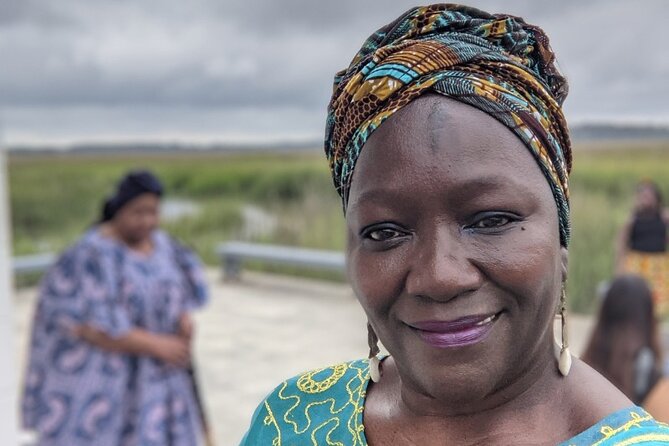
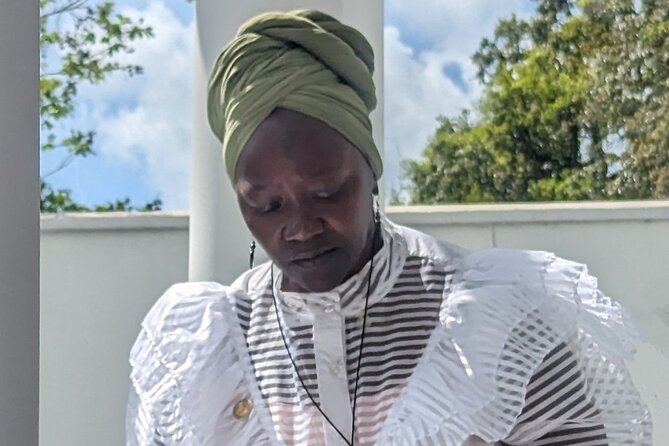
Sistah Patt is presented as a Master Gullah Geechee Truth-Teller, and that title gives you a clue about her approach. She does not simply recite dates. She links Savannah’s past to identity, memory, faith, economics, and the work of preserving history in the present.
Her delivery has energy. She uses humor when it helps people listen, but she does not soften the facts. Several accounts describe her as inspiring, thought-provoking, and easy to follow. One family found that even two 12-year-old boys, who usually dislike tours, stayed interested. That is a useful sign for families with older children.
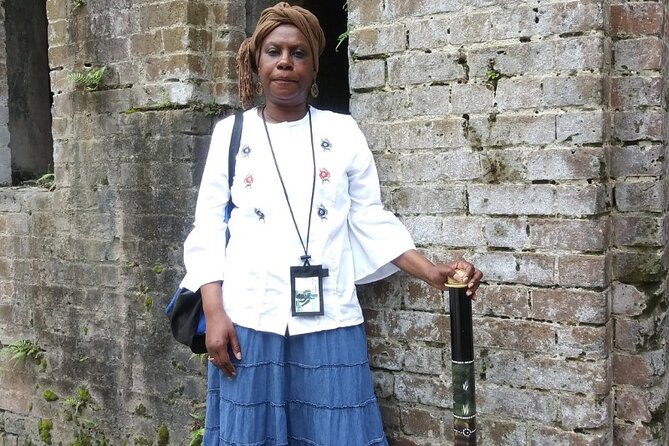
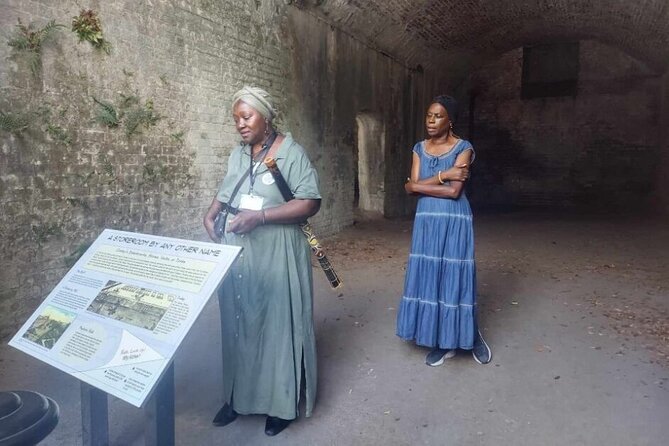
Sister Rosalyn, also called Sister Rozz, leads in a similar spirit. She has been praised for discussing Savannah’s Gullah Geechee and Black history with unusual depth. Her presentation may feel personal and transformational to some people, especially those looking for more than a standard city overview.
Guide assignments may vary, so you should not book with the assumption that one particular person will lead every departure. If you do get Patt, expect a forceful storyteller who may pack a large amount of information into a short time. Bring your attention span. You may even want to take notes.
River Street and the labor behind Savannah’s waterfront
River Street is one of Savannah’s most popular places to walk, eat, and shop. The tour asks you to see it differently.
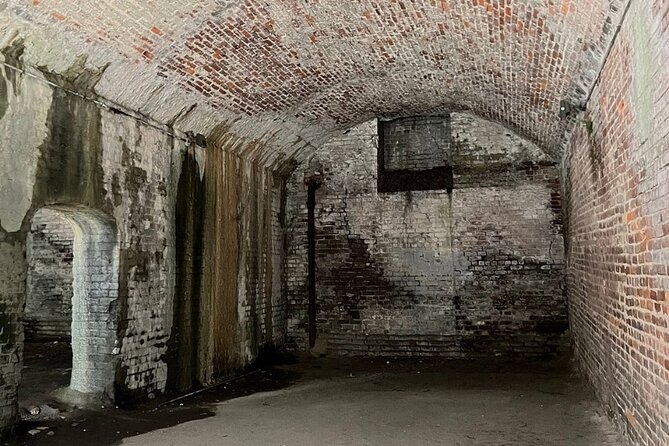
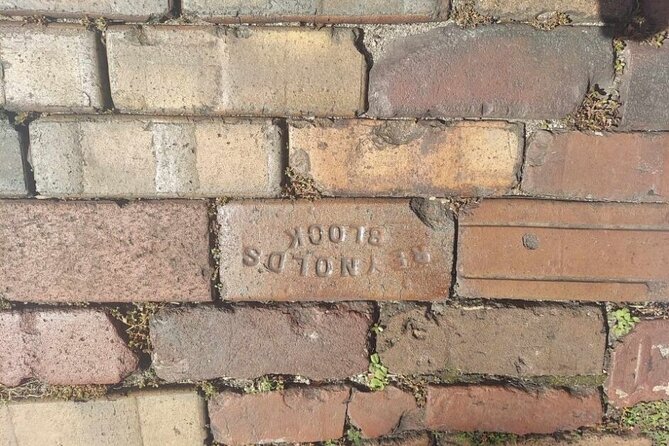
You learn how West African people were brought to Savannah and forced to build the warehouses along the river. Those brick buildings are often treated as attractive pieces of old Savannah. Here, you connect them to the labor system that made the waterfront possible.
That shift in viewpoint is one of the tour’s strongest features. The city’s commercial success did not appear by magic. It depended on human work, and much of that work was extracted through slavery.
The tour also places this history in a wider context. The story includes the economic forces that kept slavery in place. That approach helps explain why the institution lasted and why it shaped Savannah so deeply.
You should not expect a long, guided walk along every section of River Street. The experience uses a vehicle for much of the route, and the amount of time outside can be limited. If photographs are your main goal, you may need to treat the views from the bus as part of the experience rather than expecting a photo stop at every location.
Johnson Square and the city’s public spaces
Johnson Square is another important stop. The tour explains that enslaved people were auctioned there, adding a painful layer to one of Savannah’s best-known public spaces.
This is the sort of information that can change the way you see the city after the tour ends. A square is not just a pleasant place with trees and historic markers. It can also be a site where families were separated and human beings were treated as property.
The presentation is direct without being designed to shock for its own sake. That balance matters. You get the facts and their meaning, while the guide keeps the experience moving.
Johnson Square also helps show how slavery was woven into ordinary civic life. It was not hidden away in a remote corner. It existed in the same public spaces that now form the familiar tourist center.
If you are taking photographs, listen first and shoot second. The stop may not function like a typical sightseeing pause, and you may have limited time to get out. The value here is the context, not just the square itself.
A different kind of day out entirely:
- Savannah Hop-On Hop-Off Trolley Tour
★ 4.5 · 6,527 reviews - 90-Minute Savannah Riverboat Sightseeing Cruise
★ 4.0 · 3,367 reviews - Savannah First Squares Culinary & Cultural Walking Food Tour
★ 5.0 · 3,229 reviews - Savannah Ghosts & Gravestones Trolley Tour
★ 4.0 · 2,723 reviews
From enslavement toward freedom
The tour changes direction as you board the vehicle and travel past the Second African Baptist Church. This part introduces the long journey toward freedom and the role of Black churches in African American life.
The itinerary also includes the African American Monument and Laurel Grove Cemetery. Together, these sites help move the story beyond slavery and toward memory, community, endurance, and public recognition.
The African American Monument gives the tour a visible place to consider the people whose labor and lives shaped Savannah. Laurel Grove Cemetery adds another kind of setting, one connected to remembrance and the way communities honor their dead.
The Second African Baptist Church is seen from the vehicle rather than presented as a full interior visit. Even so, its place in the route helps connect religious life with the struggle for freedom and community strength.
Do not expect a single dramatic ending that wraps everything up neatly. The subject does not allow for that. Instead, the tour gives you a route through several places and lets their connections build over time.
What the bus format is really like
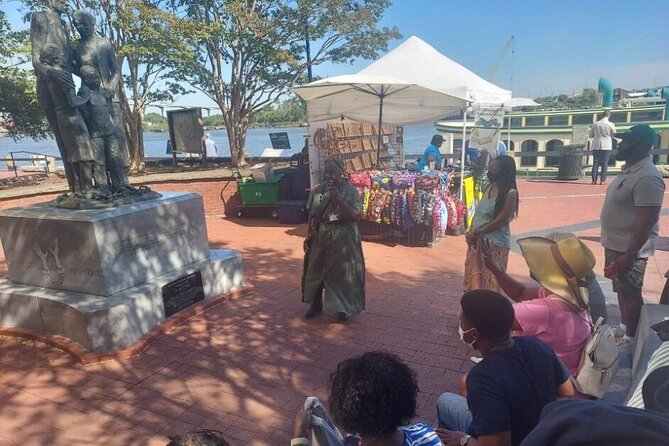
The tour is operated by Gray Line Savannah, and the group can include up to 32 people. That is large enough to provide a lively room for discussion, but small enough for the guide’s voice and personality to remain central.
The format appears to be mostly vehicle-based, with some walking. One account described getting off the bus only once, while another described the experience as a mix of bus and walking. That means the exact balance may depend on the day, route, and guide.
This format has clear advantages. You cover more ground than you would on foot, avoid a long walk in Savannah’s heat, and hear narration while moving between sites. It also makes the tour easier for people who prefer not to spend several hours standing.
The tradeoff is immediacy. You may pass a site rather than spend ten minutes examining its details. You may also have fewer chances to take photographs or linger with a memorial.
The bus can be comfortable, and one account specifically praised the seating and organized timing. Another person reported being picked up and returned to a hotel, but the stated meeting point for this experience is 223 Martin Luther King Jr Boulevard, with the activity ending back there. Confirm your pickup details before assuming hotel transportation is included.
Is $54.78 a fair price?
At $54.78 per person, this is not the cheapest way to see Savannah. You are paying for a specialized subject, a narrated route, and a guide whose personal knowledge is a major part of the value.
I think the price is fair if you want a serious history lesson rather than a general introduction to the city. The tour covers several locations and adds context you may not get from a standard sightseeing ride. It can also help you understand other Savannah sites more clearly during the rest of your visit.
The value is weaker if you mainly want to walk, take pictures, or see a long list of attractions. Limited time outside means you are not buying several extended site visits. You are buying interpretation.
That distinction is important. The tour’s best moments come from the connections between places. River Street shows the labor behind commerce. Johnson Square reveals the public setting of slave auctions. The church, monument, and cemetery extend the story toward freedom and memory.
You should also consider the size of your group. With a maximum of 32 people, this is not a private history walk. The advantage is a more accessible price. The disadvantage is less personal attention and less flexibility.
Choosing the right time and group
Morning and afternoon departures are available, so you can fit the tour around other Savannah plans. I would place it early in your visit if Black history is a major reason for your trip. The information may change how you understand River Street, the squares, the churches, and the city’s old buildings afterward.
The tour suits adults, history students, teachers, and families with older children. It also works for people who have visited Savannah many times and want to hear a side of the city that ordinary sightseeing does not cover.
Use more caution with very young children. One family found the material too intense for children ages 7 and 11. Another family found it powerful and educational for children ages 8 and 13. Children respond differently, but the subject is plainly serious and should not be treated as a light entertainment ride.
The tour also suits solo participants. You can listen closely, take notes on your phone, and absorb the material without needing to keep a conversation going. One person found the information so useful that they took notes throughout and continued discussing it with family and friends afterward.
Practical details that matter
The experience lasts about three hours, though the narrated tour itself is listed at two to two and a half hours. Allow the full block of time, especially if you have dinner reservations or another timed activity afterward.
The meeting point is 223 Martin Luther King Jr Boulevard in Savannah. The tour returns to that meeting point, and parking is not included. Bottled water is also not included, so bring your own if you need it.
Gratuities for the guide are not included. The guide is the heart of this experience, so plan for a tip if you feel the presentation earned one.
The tour is offered in English and includes a mobile ticket. Service animals are allowed, and most people can participate. If you need an ADA accessible vehicle, request it at least 24 hours ahead of time.
The experience requires good weather and a minimum number of participants. If poor weather or low enrollment causes a cancellation, you can choose another date or receive a full refund. You can cancel for a full refund up to 24 hours before the start time. Inside that window, refunds and changes are not accepted.
How to get the most from the experience
Arrive ready to listen rather than chase photographs. The bus format means you may see a location through the window or have only a short time outside.
Read a little about Savannah’s basic geography before you go. Knowing where River Street, Johnson Square, and the historic district sit will make the route easier to follow.
Bring water, a phone for notes, and a layer for the vehicle. If the guide moves quickly, do not worry about remembering every name and date. Pay attention to the larger connections between forced labor, the city’s economy, Black institutions, and the struggle for freedom.
I would also avoid scheduling another demanding history activity immediately afterward. The tour can be emotionally heavy, and you may want time to think about what you heard.
Who should book this tour?
Book it if you want Savannah’s Black history treated as a central part of the city’s story. Book it if you value strong oral storytelling, direct facts, and a guide who brings personal commitment to the subject.
It is especially worthwhile for adults, older children, educators, and repeat visitors. Sistah Patt’s humor and energy can make a difficult subject easier to follow, while Sister Rosalyn brings her own forceful approach to Gullah Geechee and African American history.
Skip it if you want a relaxed walking tour with frequent photo stops. The bus-based format may feel too limited, and the subject may be too intense for younger children.
For the right audience, this is one of Savannah’s most useful history experiences. It does not simply show you old places. It explains what happened there and why those facts still matter.
FAQ
Where does the tour start?
It starts at 223 Martin Luther King Jr Boulevard, Savannah, Georgia 31401.
Where does the tour end?
The activity ends back at the meeting point.
How long does the tour last?
Plan on approximately three hours. The narrated portion is listed as lasting two to two and a half hours.
What language is the tour offered in?
The tour is offered in English.
Is the tour conducted on foot?
The experience uses a mix of vehicle travel and walking. The amount of walking may be limited, and one account described getting off the vehicle only once.
Which Savannah locations are included?
The route includes River Street, Johnson Square, the African American Monument, Laurel Grove Cemetery, and travel past the Second African Baptist Church.
Who leads the tour?
The experience features a Master Gullah Geechee Truth-Teller, identified as Sistah Patt. Sister Rosalyn, also called Sister Rozz, may also lead a departure.
How many people can join the tour?
The maximum group size is 32 participants.
Is the tour accessible to people using an ADA accessible vehicle?
A request for an ADA accessible vehicle must be made at least 24 hours in advance. Service animals are allowed, and most people can participate.
What happens if I need to cancel?
You can receive a full refund if you cancel at least 24 hours before the start time. Cancellations or changes made within 24 hours are not accepted for a refund. If bad weather or an insufficient number of participants cancels the experience, you can choose another date or receive a full refund.
Just added in Savannah
- Savannah: Tybee Island Dolphin Tour★ 4.7 · 359 reviews
- Savannah Yes, Queen! Drag Queen Pub Crawl★ 4.5 · 367 reviews
- Welcome to Savannah Guided Walking Tour★ 5.0 · 329 reviews
- Heart of Savannah History Walking Tour – 2hr★ 5.0 · 857 reviews
- Genteel and Bard’s Savannah History Walking Tour★ 5.0 · 684 reviews
- The Grave Tales Ghost Tour in Savannah★ 4.5 · 396 reviews
- Southern Flavors of Savannah Walking Dessert Tour★ 4.5 · 560 reviews
- American Prohibition Museum Admission★ 4.5 · 403 reviews
Historical Tours, compared.

History and Hauntings of Salem Guided Walking Tour
Read our review →
Charleston’s Old South Carriage Historic Horse & Carriage Tour
Read our review →

Big Island in a Day: Volcanoes Waterfalls Sightseeing and History
Read our review →
Freedom Trail History Small Group Walking Tour
Read our review →
Historic Charleston Guided Sightseeing Walking Tour
Read our review →
Starship Landmark 90 Minute Sightseeing Cruise
Read our review →Browse the lists this tour appears in