
Reviewed · CHARLESTON TOURS
Boone Hall Plantation Admission & Tour with Transportation from Charleston
See Charleston’s past beneath live oaks. This half-day outing combines round-trip transport with Boone Hall’s grounds, house tour, enslaved history presentations, and a seasonal Gullah performance. I especially like the magnificent oak avenue and the Gullah presentation, which many people find the most moving part of the visit. The main drawback is time: four and a half hours may not be enough to attend every presentation at an easy pace, especially on a hot day.
I also like that you do not need to rent a car or arrange a complicated ride outside Charleston. The air-conditioned bus leaves from the Charleston Visitor Center, and the driver may add useful background about the city and surrounding area along the way. Just remember that Boone Hall involves a fair amount of walking, and the tram, when offered, tours the grounds rather than stopping at every attraction.
In This Review
- Key points to know before you book
- From downtown Charleston to Boone Hall
- The oak-lined entrance sets the mood
- The porch house tour explains what you are seeing
- The cabins provide the most sobering history
- The Gullah presentation is the emotional highlight
- Gardens, roses, and the plantation tram
- Four and a half hours can feel tight
- Is $82 a fair price?
- Who will enjoy Boone Hall most?
- Practical details for a smoother visit
- Should you book this Boone Hall tour?
- FAQ
- Where does the Boone Hall tour begin?
- Where does the tour end?
- How long does the experience last?
- Is transportation included?
- Is hotel pickup included?
- What is included at Boone Hall?
- Is the Gullah presentation offered on every visit?
- Can I cancel for a refund?
Key points to know before you book
- The live oak entrance is the visual star: The long drive shaded by moss-draped oaks creates Boone Hall’s most memorable first impression.
- The Gullah presentation adds cultural depth: This seasonal performance explores the language, music, traditions, and endurance of Gullah people descended from enslaved Africans in the region.
- The house is not a 17th-century mansion: Boone Hall’s plantation dates to 1681, but the current house is less than a hundred years old.
- You will see original enslaved quarters: The cabins and history presentation bring attention to the daily lives and struggles of the people forced to work here.
- Transport makes this an easy half-day trip: The bus leaves from 375 Meeting Street and returns there after roughly four and a half hours.
- Plan around the schedule: The grounds are largely self-guided, and you may need to choose between activities if presentations run close together.
From downtown Charleston to Boone Hall

Your day begins at the Charleston Visitor Center at 375 Meeting Street. This central departure point has restrooms, parking, a gift shop, and access to public transportation, which makes it simpler than finding your way to a rural property on your own.
The ride to Boone Hall takes about 30 to 45 minutes. You travel aboard an air-conditioned bus with a professional driver, and the drive itself can add value when the driver shares background about Charleston and the places along the route. Several drivers have been praised for making the ride feel like part of the tour rather than dead time. Gary and Alan are two names singled out for especially helpful service, though your driver will vary.
The tour is promoted as a small-group experience of about 15 people, with a stated maximum of 25. That is still far more manageable than a large coach excursion, but the exact group size can depend on the departure. Keep your confirmation handy and check the meeting address carefully. One person nearly missed the tour after receiving incorrect address information, so it is wise to verify that your pickup point is the Charleston Visitor Center at 375 Meeting Street.
A few more options to weigh up in Charleston
- Charleston’s Old South Carriage Historic Horse & Carriage Tour
★ 5.0 · 10,023 reviews - Historic Charleston Guided Sightseeing Walking Tour
★ 5.0 · 6,216 reviews - Haunted Evening Horse and Carriage Tour of Charleston
★ 4.5 · 3,678 reviews
The oak-lined entrance sets the mood
Boone Hall’s entrance is the kind of arrival that explains why people remember the property even before the formal presentations begin. A long avenue of live oaks, draped with Spanish moss, leads toward the plantation grounds. Several people consider this the finest visual moment of the visit, and it is easy to understand why.
The trees give the approach a grand, old Southern appearance. They also create a sharp contrast with the more complicated story you are about to hear. Boone Hall is beautiful, but the beauty should not blur the fact that this was a working plantation built on enslaved labor.
Boone Hall is described as one of America’s oldest working, living plantations. Its recorded story reaches back to 1681, and the property continues to produce items such as strawberries, peaches, and pecans. That working connection helps you see the site as more than a preserved backdrop for photographs. At the same time, the current house is not the original building from the colonial period, a point worth knowing before you arrive.
The porch house tour explains what you are seeing
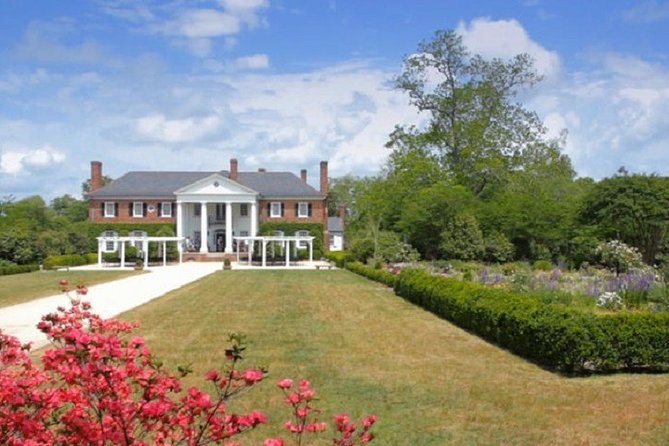
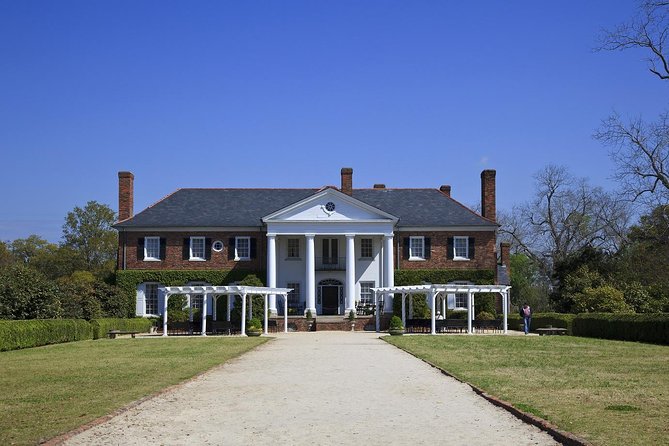
The guided house tour begins on the front porch and lasts about 30 minutes. Your guide wears historical dress and explains Boone Hall’s development through several owners and eras. The presentation covers the property’s evolution from its early period through later changes and public opening.
The house is attractive and has the polished appearance many people expect from a Southern plantation setting. It also appeared as a filming location for The Notebook, a detail that may interest film fans. But do not arrive expecting an untouched Civil War era mansion. The house open to the public is less than a hundred years old, and some visitors are disappointed when they learn that it is not the original plantation house.
That fact does not make the tour worthless. It simply changes what you are seeing. You are visiting a historic property with a newer main house, older grounds, historic cabins, and a long connection to plantation agriculture. The guided talk helps place the building within that wider story instead of treating it as the whole attraction.
Since the McRae family purchased Boone Hall in 1955 and opened it to the public in 1956, the modern visitor experience is also part of the site’s story. The house tour is best for anyone who enjoys architecture, changing ownership, local legends, and the way historic properties are presented to the public.
The cabins provide the most sobering history
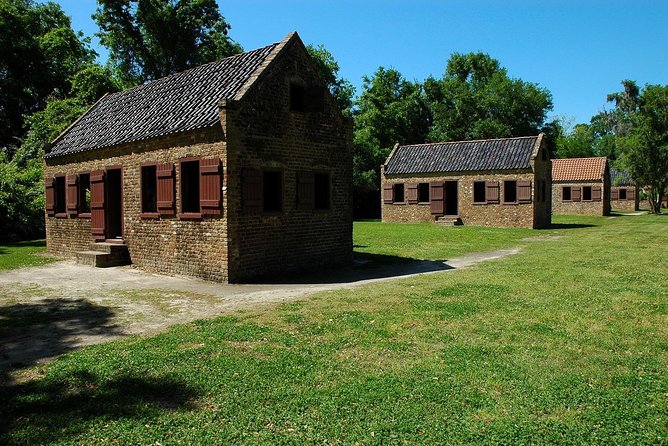
The enslaved cabins and history presentation are among the most important parts of the visit. You can see living quarters, historic objects, and the small spaces connected to the lives of enslaved people who worked at Boone Hall.
This section gives the tour moral weight. The plantation house and oak avenue are easy to photograph, but the cabins force you to consider the labor system that made plantation wealth possible. Several people describe this portion as emotional, and you should allow yourself time to take it in rather than rushing straight to the next attraction.
The presentation focuses on daily life and the struggles enslaved people faced, including their efforts to find freedom. It is a valuable counterpoint to the elegant house tour. If you want a plantation visit that acknowledges enslaved people rather than presenting only owners, crops, and architecture, Boone Hall makes a clear effort in that direction.
Still, the amount of visual information about brickmaking, indigo, and cotton farming appears limited. The main talks provide more context than the displays alone. You may want to listen closely and treat the guided explanations as essential, not optional background.
A different kind of day out entirely:
- Charleston Horse-Drawn Carriage Tour: Explore Historic Charleston
★ 5.0 · 3,561 reviews - Fort Sumter Admission and Self-Guided Tour with Roundtrip Ferry
★ 4.5 · 3,343 reviews - Charleston: Fort Sumter Entry Ticket with Roundtrip Ferry
★ 4.7 · 2,879 reviews - Ghosts of Charleston Night-Time Walking Tour with Unitarian Church Graveyard
★ 4.5 · 2,835 reviews
The Gullah presentation is the emotional highlight
Boone Hall offers a live, seasonal presentation called Exploring the Gullah Culture. A costumed performer introduces the culture shaped by enslaved Africans and their descendants in the coastal South. The subject includes Gullah language, music, stories, and traditions.
This is often the strongest part of the day. The performance format makes the material easier to connect with, but it does not turn the subject into a light entertainment stop. The presentation carries sorrow, pride, and persistence. It helps explain how African cultural traditions survived and changed under brutal conditions.
You may also encounter information about sweetgrass baskets, a regional craft that can take weeks or months to make. The baskets are valued for their practical use as well as their artistry. This detail gives the Gullah story a connection to living culture rather than leaving it locked in the past.
The presentation is seasonal, so availability matters. If it is offered during your visit, put it near the top of your list. Many people consider it the highlight, and I agree that it is one of the best reasons to choose this experience over a quick property visit focused only on the house.
Gardens, roses, and the plantation tram
The grounds are largely self-guided, giving you freedom to set your own pace. You can walk through the gardens, take in the oak trees, and visit the rose garden, where some bushes are more than a century old.
The rose garden offers a quieter break from the heavier historical presentations. It is also a good place for anyone who enjoys horticulture and formal garden design. The property’s mix of flowers, working agriculture, trees, and older structures gives you more to see than the house alone.
A seasonal plantation tram tour may be available. The ride circles the grounds while a story is told, giving you a broad look at the property without requiring every minute to be spent walking. But you should understand what the tram does before you count on it for mobility. It does not necessarily stop at each event or landmark. It is a narrated grounds tour, not a hop-on, hop-off shuttle.
That distinction matters if you use a cane or have difficulty walking. The stated expectation is a moderate level of physical fitness, and you should plan for a lot of walking. There are no promises that the tram will deliver you directly to every cabin, presentation, or garden feature.
Four and a half hours can feel tight
The full experience lasts about four hours and 30 minutes, including the ride from Charleston. Boone Hall itself receives roughly three hours of your time. That is enough for a worthwhile visit, but you will need to keep an eye on the clock.
The house tour takes 30 minutes. The cabins, Gullah performance, rose garden, self-guided grounds, and possible tram ride all compete for the remaining time. Some people wish they had another 30 to 60 minutes, especially when they wanted to attend every presentation and stop for food.
Start by checking the schedule at the main building. One useful tip is to get an appointment for the house tour first, then arrange the rest of your visit around it. Do not assume every activity will be available at every departure time. Seasonal programming and the tram depend on availability.
A morning departure may be more comfortable in warm weather. The early afternoon can be sunny and hot, and much of the property is outdoors. Bring water, wear comfortable shoes, and consider a hat. Drinks and snacks are available for purchase at the plantation, and there is a lunch spot near the horse stalls and Butterfly Building with sandwiches and snacks.
Is $82 a fair price?
At $82 per person, this is not the cheapest way to spend a half day in Charleston. The price includes admission, the house tour, the enslaved history presentation, the Gullah theater presentation, the self-guided gardens and grounds, round-trip bus transportation, and a professional driver.
The value depends on your starting point. If you have a rental car, you may prefer visiting independently for more control over your schedule. But a car does not provide the same convenience as a reserved bus from downtown, and you would still pay admission at the plantation.
For a visitor without a car, the price is easier to justify. You avoid arranging transportation, navigating outside Charleston, and paying for a separate admission. The ride also comes with local background from the driver, which can make the trip feel more complete.
The best value comes when you attend the house tour, cabins presentation, Gullah program, and at least some of the grounds. If you arrive late, skip a scheduled program, or spend much of the visit waiting between activities, the price feels less attractive. This is a tour where planning matters.
Who will enjoy Boone Hall most?
I would recommend this outing to you if you want a practical introduction to plantation history without spending an entire day away from Charleston. It works well for couples, families, solo visitors, and friends who want a structured half-day trip.
It is especially suitable if you care about:
- The history of enslaved people and their living conditions
- Gullah culture and coastal African American traditions
- Historic gardens and dramatic oak trees
- A working plantation setting
- A house tour led by a costumed guide
- Transport from central Charleston
You may want to choose another plan if you need a fully accessible route with minimal walking, or if you expect every property feature to be included in one continuous guided tour. The grounds are spread out, and the tram does not function as a shuttle to every stop.
You should also adjust your expectations about the house. If you want an original 18th-century mansion, Boone Hall may disappoint. If you are interested in the wider property, the cabins, the Gullah presentation, gardens, agriculture, and the way the site connects several periods of history, it offers much more.
Practical details for a smoother visit
The tour is offered in English and uses a mobile ticket. Confirmation arrives when you book. Hotel pickup and drop-off are not included, so you must reach the Charleston Visitor Center yourself.
Service animals are allowed. The property is near public transportation, but you should still allow enough time to reach the meeting point. The tour returns to the same location where it begins.
Free cancellation is available up to 24 hours before the start time. Changes or cancellations made within 24 hours are not accepted for a refund. The activity can also be canceled because of poor weather or because too few people book it. In those cases, you are offered another date or experience, or a full refund.
Should you book this Boone Hall tour?
Book it if you want the convenience of transport plus a serious look at the plantation’s enslaved history and Gullah culture. The live oak avenue is beautiful, but the cabins and Gullah presentation give the visit its real purpose. I would make those two elements priorities, then fit in the house and gardens.
Before booking, accept three facts: the current house is not the original colonial mansion, you will do plenty of walking, and four and a half hours may feel short. If those limits suit you, $82 buys a well-organized introduction to one of the Charleston area’s most striking historic properties, without requiring a car.
FAQ
Where does the Boone Hall tour begin?
The tour begins at the Charleston Visitor Center, 375 Meeting Street, Charleston, South Carolina 29403.
Where does the tour end?
The experience ends back at the Charleston Visitor Center, the same place where it begins.
How long does the experience last?
The full outing lasts approximately four hours and 30 minutes. The visit to Boone Hall itself takes about three hours, with roughly 30 to 45 minutes of travel each way.
Is transportation included?
Yes. Round-trip transportation from the designated Charleston meeting point is included aboard an air-conditioned bus.
Is hotel pickup included?
No. Hotel pickup and drop-off are not included. You must make your own way to the Charleston Visitor Center.
What is included at Boone Hall?
Admission includes the house tour, self-guided gardens and grounds, historic enslaved cabins, the enslaved history presentation, the seasonal Gullah theater presentation, and a plantation tram tour when available.
Is the Gullah presentation offered on every visit?
The Gullah presentation is seasonal. Availability can vary, so you should confirm the schedule for your tour date.
Can I cancel for a refund?
Yes. You can cancel at least 24 hours before the experience start time for a full refund. Cancellations or changes made less than 24 hours before the start time are not refunded.
Just added in Charleston
- Middleton Place Admission with Self Guided Tour and Lunch★ 4.5 · 326 reviews
- Charleston Ghosts of Liberty Guided Walking Tour★ 4.5 · 473 reviews
- 2-Hour Guided Kayak Eco Tour in Charleston★ 5.0 · 954 reviews
- Charleston’s Best Highlights: History, Culture & Architecture★ 5.0 · 422 reviews
- Undiscovered Charleston: Half Day Food, Wine & History Tour with Cooking Class★ 5.0 · 948 reviews
- Savor the Flavors of Charleston Walking Food Tour★ 4.5 · 881 reviews
- Afternoon Schooner Sightseeing Dolphin Cruise on Charleston Harbor★ 4.5 · 620 reviews
- Private Daytime Horse-Drawn Carriage Tour of Charleston★ 5.0 · 340 reviews
Charleston Tours, compared.

Charleston’s Old South Carriage Historic Horse & Carriage Tour
Read our review →
Historic Charleston Guided Sightseeing Walking Tour
Read our review →
Haunted Evening Horse and Carriage Tour of Charleston
Read our review →
Charleston Horse-Drawn Carriage Tour: Explore Historic Charleston
Read our review →
Fort Sumter Admission and Self-Guided Tour with Roundtrip Ferry
Read our review →
Fort Sumter Entry Ticket with Roundtrip Ferry
Read our review →
Ghosts of Charleston Night-Time Walking Tour with Unitarian Church Graveyard
Read our review →
Charleston Harbor History Day-Time or Sunset Boat Cruise
Read our review →Browse the lists this tour appears in