
Reviewed · CHARLESTON TOURS
Boone Hall Plantation All-Access Admission Ticket
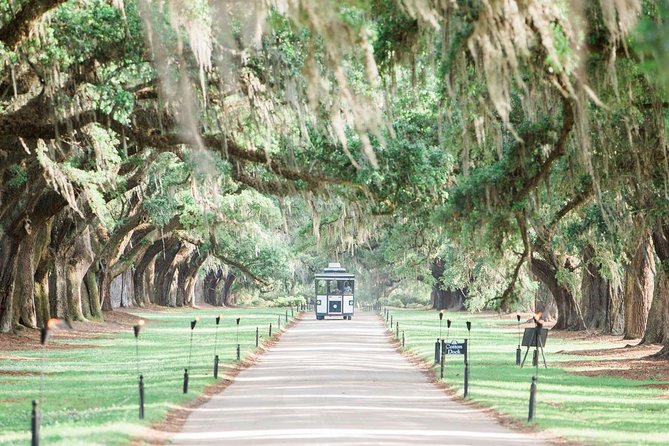
The oak avenue is only the beginning. Boone Hall combines grand scenery, a working farm, a limited house tour, and serious lessons about slavery and Gullah culture near Charleston. I especially like the Black History in America exhibit in the nine original cabins and the live Gullah presentation, which gives the visit a human voice rather than leaving you with only pretty gardens.
I also like that one ticket covers the tractor tour, gardens, plantation home, history talks, stable tour, gin house museum, and grounds. The main caution is that the mansion was built in the 1930s, not during the plantation’s earliest period, and the online price may be higher than buying directly from Boone Hall.
In This Review
- Key points before you go
- Arriving beneath the Avenue of Oaks
- Why the house tour needs context
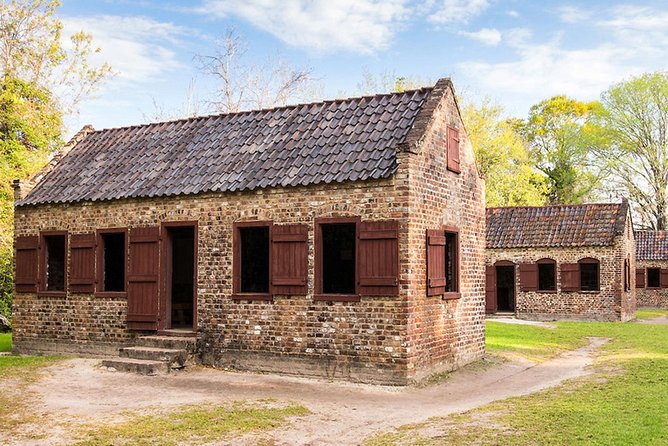
- The cabins and the Black History in America exhibit
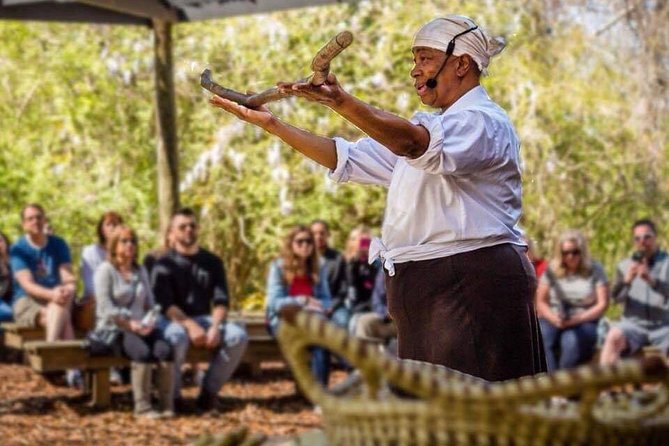
- The Gullah presentation is the emotional center
- Touring the property by tractor
- Gardens, wildlife, and the working farm
- Stable tour and gin house museum
- What the $36.50 admission is worth
- How to plan two to four hours
- Who will enjoy Boone Hall most
- Should you book the all-access ticket?
- FAQ
- How long does the Boone Hall visit take?
- What does the all-access ticket include?
- Is the Boone Hall mansion original?
- Does the ticket include a Gullah presentation?
- Does Boone Hall operate the tractor tour in all weather?
- Can I cancel for a full refund?
Key points before you go
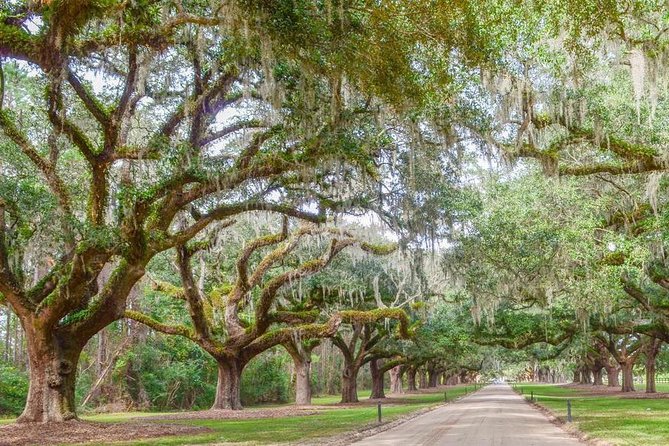
- The Avenue of Oaks makes a memorable entrance: Massive live oaks frame the approach and provide one of the property’s best photo opportunities.
- The Gullah presentation is a major reason to visit: The live talk adds cultural context that the house tour alone cannot provide.
- The nine cabins carry the most difficult history: Exhibits explain slavery and life on the property with more substance than a simple plantation-house visit.
- Your $36.50 ticket covers nearly the full site: You get the home, tractor ride, gardens, talks, cabins, gin house museum, and stable tour, with the tractor dependent on weather.
- Allow two to four hours: You can see the main attractions faster, but four hours gives you time for talks, gardens, cabins, and the grounds.
- Check the price before booking: Several people paid more online than the senior or adult admission available at the gate.
Arriving beneath the Avenue of Oaks
Boone Hall’s entrance is one of its strongest visual moments. The world-famous Avenue of Oaks leads toward the plantation grounds beneath old trees that make the arrival feel ceremonial, even before you reach the buildings.
The setting is beautiful, but Boone Hall is not simply a grand old house surrounded by ornamental gardens. It remains a working farm, and the property mixes historic structures with present-day agricultural activity. That combination gives the visit more range than a house-and-garden stop, though it also means the experience does not feel like a perfectly preserved time capsule.
The plantation is near Charleston and is described as an easy drive from the city. Free parking is included. You can also reach the area by public transportation, though the information provided does not specify routes or travel times, so check those details before setting out.
The site is open Monday through Saturday from 9 a.m. to 5 p.m. The full visit usually takes two to four hours. I would plan for the longer end if you want to attend several talks, walk through all nine cabins, see the gardens, and ride the tractor across the property.
A few more options to weigh up in Charleston
- Charleston’s Old South Carriage Historic Horse & Carriage Tour
★ 5.0 · 10,023 reviews - Historic Charleston Guided Sightseeing Walking Tour
★ 5.0 · 6,216 reviews - Haunted Evening Horse and Carriage Tour of Charleston
★ 4.5 · 3,678 reviews
Why the house tour needs context
The guided tour covers the first floor of the plantation home. It is a short visit through a limited number of rooms, including the entrance, drawing room, dining room, breezeway, and game room. Some descriptions refer to three rooms, others to four or five areas, so you should expect a compact tour rather than a full examination of the house.
The home is beautifully decorated, and the guide-led format gives you a clear introduction to the building. You may hear about architectural details, furnishings, doors, music, entertaining, and the people connected with the house. For some people, this is the centerpiece. For me, it works better as one part of the larger visit.
The important fact is that the present mansion dates to 1934 or 1935. It is not the original Boone Hall house, and it was not owned by the Boone family in the way many first-time visitors may assume. That can be a surprise if you arrive expecting an intact colonial plantation mansion.
Photography inside the house is not allowed, according to the supplied visitor information. That rule may frustrate you, especially since the tour is short and the rooms are decorated. Still, the house is only one stop, so I would not choose Boone Hall solely for interior architecture.
The cabins and the Black History in America exhibit
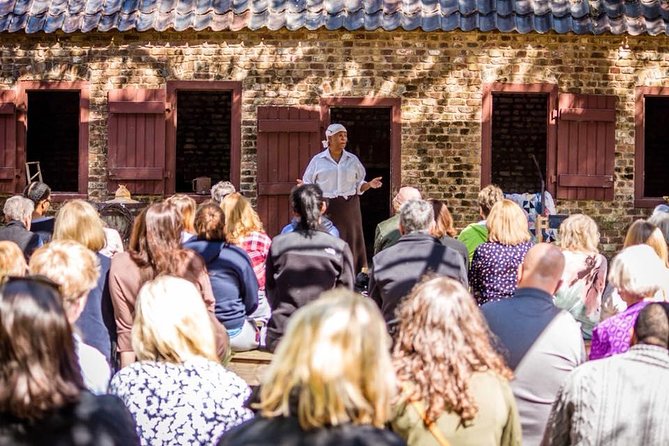
The nine original cabins are the most important part of the visit for anyone trying to understand the people who lived and worked on the property. The Black History in America exhibit uses these buildings to explain slavery, African American life, and the long effects of the plantation system.
The cabins are not background scenery. They are where you should slow down. The buildings help put physical scale to a system that can otherwise become abstract. You can see the small spaces where enslaved people lived, then consider the labor that supported the plantation, its crops, its buildings, and the wealth associated with the main house.
One particularly striking detail concerns the bricks. Boone Hall made bricks that were sold in many places. Bricks that did not meet the preferred standard were used by enslaved workers to build their own quarters. That detail links the plantation’s business, its labor system, and the cabins in a direct way.
The quality of this section depends partly on your expectations. Some people find the treatment clear and moving, while others feel the plantation gives too much attention to the house and current farm and not enough to the violence and scale of slavery. I would approach Boone Hall knowing that the site offers important material, but not assuming every part of the property gives equal attention to it.
If your main goal is African American history, make the cabins and Gullah talk priorities. Do not rush through them on the way to the gardens.
The Gullah presentation is the emotional center
The live Exploring the Gullah Culture presentation is widely regarded as one of the strongest parts of the experience. It connects the plantation setting to the Gullah people, their traditions, language, foodways, and survival along the South Carolina and Georgia coast.
The presentation is valuable because it moves beyond the usual plantation formula. Instead of focusing only on owners, crops, architecture, and parties, it gives you a chance to hear about a living culture shaped by African roots and generations of life in the Lowcountry.
One account describes the speaker as a seventh-generation Gullah presenter. That personal connection is one reason this talk can feel more direct than a standard scripted history lecture. The exact presenter may vary, so do not count on a particular person being there, but do make time for the program.
If weather interrupts the tractor ride, the Gullah talk can become an even more important part of your visit. One person arrived on a rainy day, missed the wagon-style tour, and still felt the Gullah presentation and slavery history made the admission worthwhile.
A different kind of day out entirely:
- Charleston Horse-Drawn Carriage Tour: Explore Historic Charleston
★ 5.0 · 3,561 reviews - Fort Sumter Admission and Self-Guided Tour with Roundtrip Ferry
★ 4.5 · 3,343 reviews - Charleston: Fort Sumter Entry Ticket with Roundtrip Ferry
★ 4.7 · 2,879 reviews - Ghosts of Charleston Night-Time Walking Tour with Unitarian Church Graveyard
★ 4.5 · 2,835 reviews
Touring the property by tractor
The tractor tour crosses the full property, weather permitting. It gives you a useful sense of Boone Hall’s size and helps connect the separate parts of the site. Rather than spending the entire afternoon walking between the house, cabins, gardens, and farm areas, you get an overview from a moving seat.
This is especially helpful early in your visit. I would use the ride to get your bearings, then return to the areas that deserve more time. The tour also helps explain Boone Hall as a working farm rather than only a historic attraction.
Weather is a real consideration. The tractor tour may not operate in rain or poor conditions, and the experience requires good weather. If bad weather cancels the visit, you can receive a different date or a full refund under the stated policy.
Do not assume the tractor runs exactly when you arrive. The supplied information does not give a fixed departure schedule, so check the day’s timing at the entrance. If the ride is important to you, ask before settling into the house tour or gardens.
Gardens, wildlife, and the working farm
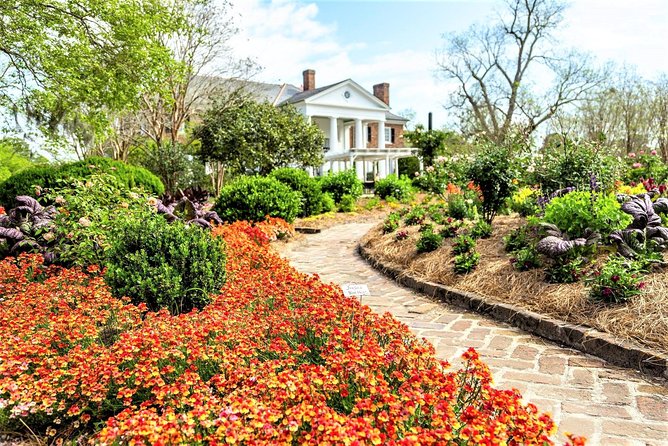
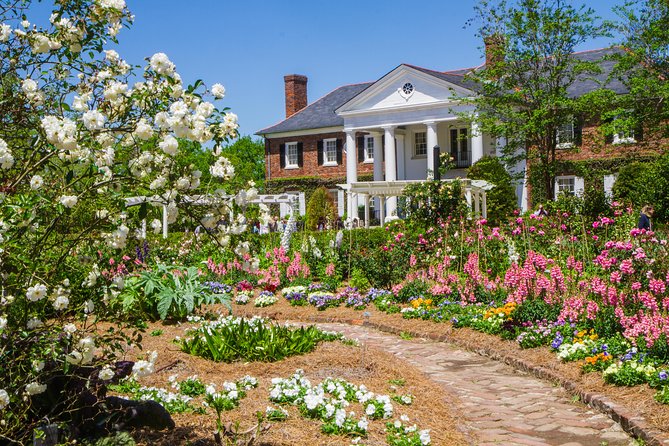
The garden tour, called Showcase of Color, adds a lighter and more peaceful section to a visit that can carry emotional weight. The gardens are maintained for seasonal color, and the grounds offer room to pause after the formal talks and cabin exhibits.
Boone Hall also includes beauty and wildlife viewing. The property is broad enough that you can enjoy the scenery without treating every stop as a lecture. The large oaks, garden paths, open farm areas, and animal spaces give the visit variety.
The working-farm element is worth noting. You may see current agricultural activity rather than a polished recreation of plantation life. That can make the property feel more connected to the present, though it also means the visit shifts back and forth between historic interpretation and modern operations.
Spring and fall may be especially pleasant for the gardens, based on the seasonal comments provided. Still, the property can be attractive in any season with good weather. If your main interest is flowers, check what is in bloom before making the trip.
Stable tour and gin house museum
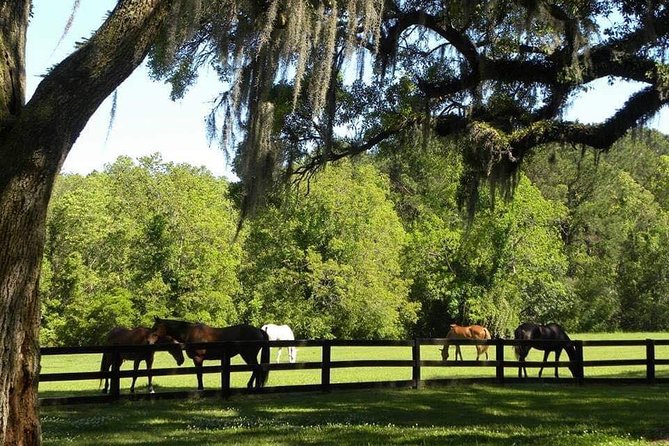
The newer stable tour adds another stop, but timing matters. The stables are open only at certain times of day, and it is possible to arrive between sessions. If you miss the tour, you may need to wait about an hour, which can be awkward if you have a tight schedule.
The grounds also include polo horses and other stable-area sights. The information does not promise a particular animal encounter, so think of this as an optional addition rather than the reason to buy admission.
The gin house museum covers 300 years of history. It gives the property another way to explain work, production, and changing use over time. Together, the gin house, farm, tractor tour, and gardens show that Boone Hall is more than a single residence.
I like this broad mix, but it also creates an uneven rhythm. One stop may focus on slavery, the next on flowers, and another on modern farm activity. You will get more from the day if you allow those changes rather than expecting one single style of tour.
What the $36.50 admission is worth
The listed price is $36.50 per person. That is not a small admission fee, but it includes nearly every regular attraction on the property:
- First-floor guided home tour
- Black History in America exhibit
- Tractor tour, weather permitting
- History presentation
- Gullah culture presentation
- Garden tour
- Stable tour
- Gin house museum
- Grounds, wildlife viewing, and free parking
If you attend the talks, ride the tractor, visit the cabins, and spend several hours on the grounds, the all-access ticket can offer fair value. It is much less appealing if you mainly want to see the mansion, since the home tour is short and the house is not the original plantation residence.
Price comparison deserves special attention. Several people reported paying about $36 to $38 online while seeing adult or senior prices at the gate closer to $29 or $30, with one senior price listed at $27. Prices can change, and the supplied figures may not apply to your date, but I would check Boone Hall’s official website and the entrance price before buying through a third party.
The ticket is mobile, and confirmation is provided at booking. One serious booking problem was reported: a purchaser did not receive the tickets, and the entrance staff could not find the reservation. That appears to be an isolated failure, but save your confirmation and make sure the actual ticket barcode or admission document is available before you leave your hotel.
Free cancellation is available up to 24 hours before the start time. Changes or cancellations inside that window are not refunded, and poor weather may lead to a new date or full refund.
How to plan two to four hours
You can see the property in about two hours if you move quickly and the talks line up well. That pace may cover the house, cabins, gardens, and a few outdoor areas, but it leaves little room for waiting at the stables or lingering with the Gullah presentation.
For a fuller visit, allow four hours. A sensible order would be:
- Start with the tractor tour if it is running, so you understand the property’s layout.
- Attend the Gullah presentation and the main history talk.
- Give the cabins and Black History in America exhibit unhurried attention.
- Join the first-floor house tour.
- Walk through the gardens and visit the gin house museum.
- Check the stable schedule before you leave.
The schedule may force you to change the order. That is normal. Ask at the entrance for the times of the presentations, tractor ride, and stable tour, then build your day around the fixed events.
The property is open Monday through Saturday, 9 a.m. to 5 p.m. The supplied information does not list Sunday hours, so confirm before planning a Sunday visit.
Who will enjoy Boone Hall most
Boone Hall suits you if you want several kinds of experience in one stop: scenery, architecture, agriculture, African American history, Gullah culture, and guided talks. Families can spread out across the grounds, while adults interested in Lowcountry history will find the cabins and presentations more rewarding than the house alone.
It is also a good choice for school groups or anyone who wants a place that prompts serious discussion. The material about slavery is not light entertainment, and the visit is strongest when you are willing to listen carefully and sit with difficult facts.
You may be disappointed if you expect an original eighteenth-century mansion filled with period rooms. You may also find the interpretation incomplete if you want every part of the property to center on slavery and the lives of enslaved people.
The most honest way to view Boone Hall is as a large historic site with uneven emphasis. The Gullah presentation and cabin exhibit can be powerful. The house is attractive but comparatively limited. The gardens and farm make the day pleasant, while the history gives it weight.
Should you book the all-access ticket?
I would book Boone Hall if you have at least half a day near Charleston and want more than a polished house tour. Make the Gullah presentation and slave cabins your priorities, then add the tractor ride, gardens, gin house, and stable area as time and weather allow.
I would compare prices before booking. If the official site or entrance offers a lower current rate, especially for seniors, the $36.50 third-party price may not be the best deal. Also confirm that your mobile ticket arrives correctly.
For a broad, scenic, and sometimes sobering visit, Boone Hall is worth considering. Just arrive with the right expectations: this is a working property, the mansion is twentieth century, and the most meaningful parts of the day may be the cabins and Gullah presentation rather than the grand house.
FAQ
How long does the Boone Hall visit take?
Plan on approximately two to four hours. Two hours may cover the main sights, while four hours gives you time for the talks, cabins, tractor ride, gardens, stable tour, and gin house museum.
What does the all-access ticket include?
It includes admission through the Avenue of Oaks, the first-floor guided house tour, Black History in America exhibit, tractor tour when weather permits, history presentation, Gullah culture presentation, garden tour, stable tour, gin house museum, grounds, wildlife viewing, and free parking.
Is the Boone Hall mansion original?
No. The present mansion was built in the 1930s, with dates given as 1934 or 1935. It is not the original plantation house.
Does the ticket include a Gullah presentation?
Yes. The all-access admission includes the live Exploring the Gullah Culture presentation.
Does Boone Hall operate the tractor tour in all weather?
No. The tractor tour is weather permitting, and the experience requires good weather. If poor weather cancels the visit, you can be offered another date or a full refund.
Can I cancel for a full refund?
Yes. You must cancel at least 24 hours before the experience start time for a full refund. Cancellations or changes made less than 24 hours in advance are not refunded.
Just added in Charleston
- Middleton Place Admission with Self Guided Tour and Lunch★ 4.5 · 326 reviews
- Charleston Ghosts of Liberty Guided Walking Tour★ 4.5 · 473 reviews
- 2-Hour Guided Kayak Eco Tour in Charleston★ 5.0 · 954 reviews
- Charleston’s Best Highlights: History, Culture & Architecture★ 5.0 · 422 reviews
- Undiscovered Charleston: Half Day Food, Wine & History Tour with Cooking Class★ 5.0 · 948 reviews
- Savor the Flavors of Charleston Walking Food Tour★ 4.5 · 881 reviews
- Afternoon Schooner Sightseeing Dolphin Cruise on Charleston Harbor★ 4.5 · 620 reviews
- Real Hauntings of Charleston! (Small Group Ghost Tour)★ 5.0 · 724 reviews
Charleston Tours, compared.

Charleston’s Old South Carriage Historic Horse & Carriage Tour
Read our review →
Historic Charleston Guided Sightseeing Walking Tour
Read our review →
Haunted Evening Horse and Carriage Tour of Charleston
Read our review →
Charleston Horse-Drawn Carriage Tour: Explore Historic Charleston
Read our review →
Fort Sumter Admission and Self-Guided Tour with Roundtrip Ferry
Read our review →
Fort Sumter Entry Ticket with Roundtrip Ferry
Read our review →
Ghosts of Charleston Night-Time Walking Tour with Unitarian Church Graveyard
Read our review →
Charleston Harbor History Day-Time or Sunset Boat Cruise
Read our review →Browse the lists this tour appears in