
Reviewed · HISTORICAL TOURS
Chicago Walking Tour: Historic Treasures of Chicago
Chicago’s best stories are written in stone. This two-hour walk links famous buildings along Michigan Avenue, State Street, and the Loop, but its real value comes from seeing places you could easily pass without looking up. I like the small-group format, capped at 15 people, and the chance to enter remarkable interiors such as the Palmer House lobby and Chicago Cultural Center. The main drawback is simple: some building interiors can close on weekends, holidays, or without warning.
The route is short enough for most people, yet packed with design details and city history. Guides such as Bob, John, Jim, Maureen, Laurel, Margaret, and Beth have earned praise for clear explanations, humor, patience, and an ability to answer questions. If you want a tour that explains why Chicago looks the way it does, this is a strong two-hour choice.
In This Review
- Key points to know before you go
- Why this two-hour walk works
- Starting at the Chicago Architecture Center
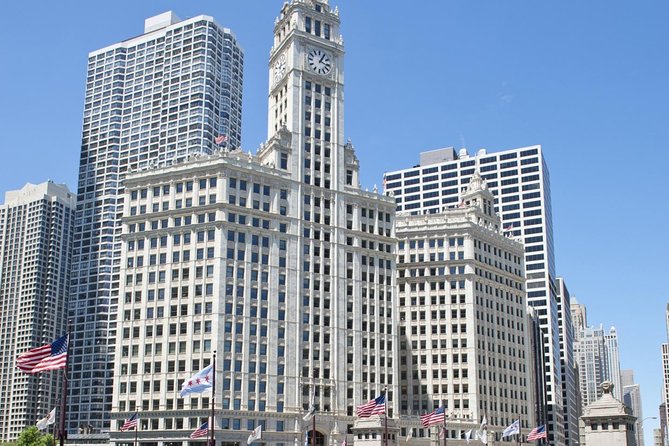
- The Wrigley Building and Michigan Avenue
- Entering the Palmer House lobby
- The Carbide and Carbon Building
- The Reliance Building and Chicago’s early skyscraper story
- The Chicago Cultural Center finishes the route
- What the guides add
- Pace, group size, and comfort
- Is $35 a fair price?
- How this tour compares with exploring alone
- Who should book this walk?
- Cancellation and practical planning
- Final verdict: a smart first architecture tour
- FAQ
- How long does the Chicago Historic Treasures tour last?
- How much does the tour cost?
- Where does the tour begin?
- Where does the tour end?
- Is admission to the Chicago Architecture Center included?
- Which buildings are included on the route?
- Is proof of COVID-19 vaccination required?
- How many people can join the tour?
- Can I cancel for a refund?
Key points to know before you go
- The tour begins at the Chicago Architecture Center, where a docent introduces the city’s architectural story and admission to the center’s galleries is included.
- You see six important stops, including the Wrigley Building, Palmer House, Carbide and Carbon Building, Reliance Building, and Chicago Cultural Center.
- The interiors are the payoff, especially the Palmer House lobby and the Cultural Center, although access can change with building schedules.
- The group is limited to 15 people, giving you a better chance to hear the guide and ask questions.
- The tour costs $35 and lasts about two hours, making it a useful first look before exploring Chicago on your own.
- The route ends at the Cultural Center, with the option to walk back to the Architecture Center with the docent.
Why this two-hour walk works
Chicago can overwhelm you with famous names: Wrigley, Palmer House, Reliance, Carbide and Carbon. A good guide turns that list into a connected story. On this walk, you move through the Loop and nearby streets while learning how changing technology, commerce, hotels, retail, and civic pride shaped the city’s buildings.
I especially like the way the tour mixes exteriors with interiors. From the sidewalk, you can admire a tower’s outline, but stepping inside reveals the materials, decoration, and public ambitions that photographs often miss. The Palmer House lobby and Chicago Cultural Center give you that inside view.
The group size matters, too. With no more than 15 people, the guide can stop for questions without turning the walk into a loud lecture. Several guides have been praised for inviting questions and adjusting their explanations to the group. John is noted for bringing the buildings to life, while Jim received high marks for being friendly, thorough, and easy to follow.
The tour is not a general Chicago sightseeing circuit. You will not cover every major attraction, and the route does not include hotel pickup, luggage storage, stroller storage, or coat check. Think of it as a focused architecture lesson with a pleasant walk between stops.
More Walking Tours in Chicago
- Chicago: Gangsters and Ghosts Walking Tour
★ 5.0 · 7,155 reviews - Chicago Favorites Ultimate Food and Walking Tour
★ 5.0 · 1,962 reviews - Chicago: Gangsters and Ghosts Guided Walking Tour
★ 4.7 · 1,697 reviews
Starting at the Chicago Architecture Center
Your meeting point is the Chicago Architecture Center at 111 East Wacker Drive. The opening introduction lasts about five minutes, but it gives the rest of the walk a clear purpose.
Admission to the Architecture Center galleries is included. That is a useful extra, particularly if you want to continue looking at Chicago’s buildings after the guided portion ends. The docent’s introduction also helps you pay attention to more than height. You begin to notice façades, decorative choices, older building methods, and the way architecture reflects the city’s growth.
This first stop is brief, so do not expect a full gallery visit before the walk begins. The value lies in getting your bearings and hearing the guide frame the buildings you are about to see.
If you are interested in architecture, urban history, or the way cities rebuild and reinvent themselves, this opening makes the route easier to follow. If you mainly want sweeping skyline views, you may find the tour more detailed than scenic.
The Wrigley Building and Michigan Avenue
The Wrigley Building is one of the route’s early landmarks. Here, the guide focuses on the exterior, so you should be ready to look closely rather than wait for an interior visit.
This is where a good docent earns the tour fee. A building like the Wrigley can seem familiar from photographs, but the guide’s job is to point out details you might miss while walking past. Several people praised guides for explaining small features and creating an interesting story as the group moved through the city.
The stop itself lasts about five minutes. That may sound brief, but the short pause keeps the walk moving and leaves room for the interiors later. Bring your attention upward, since city streets often encourage you to stare straight ahead at traffic and storefronts.
Michigan Avenue also gives you a sense of how commercial Chicago developed. The tour’s story is not limited to architects and façades. Retail, hotels, offices, and public buildings all help explain why this part of the city became so important.
Entering the Palmer House lobby
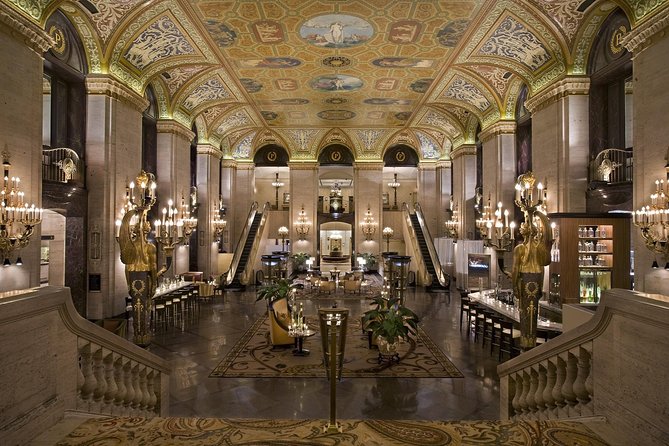
The Palmer House is one of the tour’s most useful stops because you see both the exterior and the interior. The visit lasts about 10 minutes, and the historic lobby offers a change from sidewalk viewing.
The hotel’s interior shows how grand public spaces were designed to impress people arriving, meeting, dining, or conducting business. You can better understand the scale and decorative ambition of Chicago’s older commercial buildings when you step indoors.
This stop has one practical condition: proof of COVID-19 vaccination is required to enter this location. Check that you can meet this requirement before booking, since it directly affects your ability to take part in one of the tour’s featured interiors.
The guide’s commentary is important here. Without context, you may simply see an ornate hotel lobby. With an explanation of the building’s place in Chicago’s hotel and retail story, the room becomes part of a larger account of city life. The walk also touches on the history of the Seven Sisters and retail, subjects that have made this stop especially interesting for people curious about how Chicago’s shopping district developed.
A different kind of day out entirely:
- Chicago Architecture River Cruise
★ 5.0 · 15,756 reviews - Chicago River 90-Minute Architecture Tour
★ 4.5 · 9,629 reviews - Chicago River: 1.5-Hour Guided Architecture Cruise
★ 4.8 · 8,046 reviews - Chicago Architecture Center River Cruise aboard First Lady
★ 5.0 · 5,536 reviews
The Carbide and Carbon Building
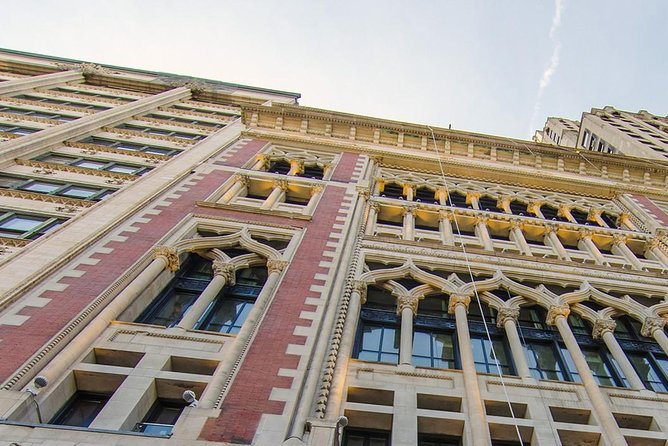
The Carbide and Carbon Building is another exterior stop, lasting about five minutes. It gives the tour a different visual note from the earlier buildings and helps show the range of styles found close together in the Loop.
You should not expect admission inside here. The stop is about the outside of the building and the guide’s explanation of its design and place in Chicago’s architectural story.
This is a good example of why a guided walk can beat a self-guided stroll. You can photograph a striking façade on your own, but you may not know what to look for or how it connects to the buildings around it. The tour makes you compare styles and notice how the city’s architectural eras overlap.
The five-minute timing keeps the experience from becoming tiring. You are not standing in one spot for half an hour while the guide recites dates. Instead, the route uses compact stops and steady movement, which several people found well paced.
The Reliance Building and Chicago’s early skyscraper story
The Reliance Building is viewed from the outside, with about five minutes devoted to the stop. It is one of the places where the tour revisits Chicago’s role in the early age of skyscrapers.
The building gives your guide a chance to explain the changing possibilities of tall construction and the visual effect of larger windows and lighter façades. Exact details will depend on the docent, but the purpose is clear: you are looking at more than an old building. You are seeing part of the moment when Chicago helped redefine the modern city.
This stop is particularly useful if you have already seen the skyline from a boat or observation deck. From a distance, skyscrapers become a wall of glass and stone. On foot, you can study how individual buildings solved design problems and competed for attention.
The Reliance visit is short, so listen carefully and ask questions when invited. Guides such as Margaret and Jean have been praised for answering questions and explaining both individual buildings and the wider story of early Chicago architecture.
The Chicago Cultural Center finishes the route
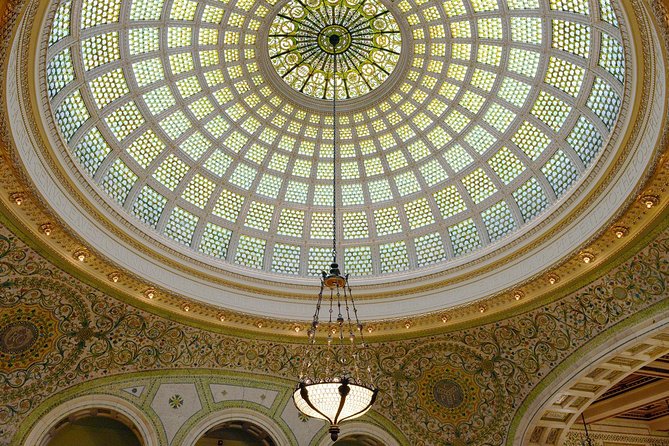
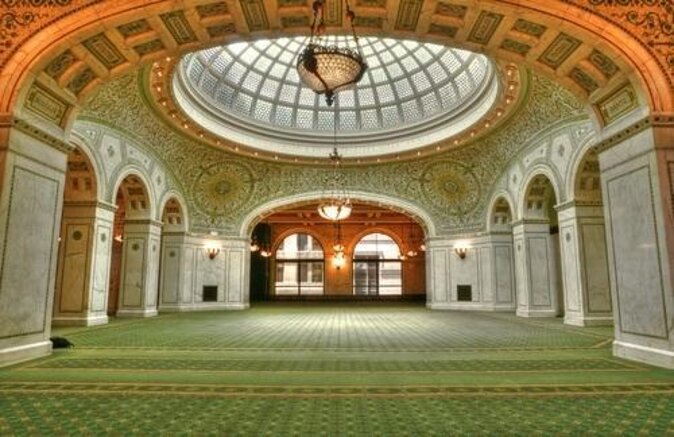
The tour ends at the Chicago Cultural Center, at 78 East Washington Street. You see both the exterior and interior, with about 10 minutes scheduled for the stop.
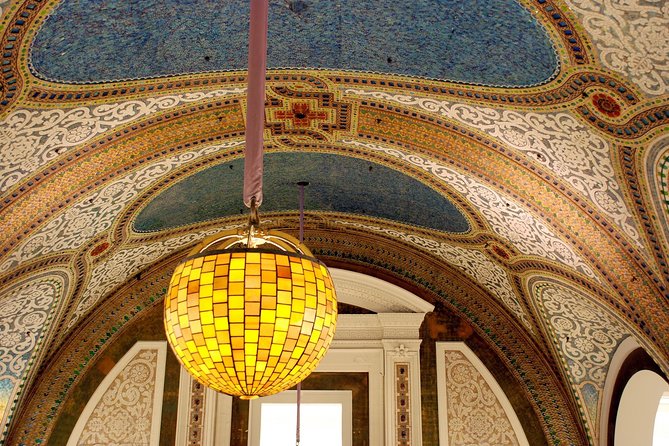
This is a fitting finish because the building gives you another chance to step inside a major public space. The interior has impressed people who took the tour, including one person who singled out the former public library interior as especially impressive. That detail also shows how the tour reaches beyond the most obvious postcard buildings.
The Cultural Center is free to enter, so you can spend more time there after the guided portion if its schedule allows. The official tour ends inside the building, and the docent returns to the Chicago Architecture Center. You are welcome to accompany the guide back, which is handy if you left something at the starting point or want to finish where you began.
Do not treat the final stop as a quick photo opportunity. Look around before the group moves on. The combination of public purpose, decoration, and architecture makes this one of the most rewarding interiors on the route.
What the guides add
The strongest part of this experience is the human explanation. Architecture tours can become dry if the guide lists architects, dates, and styles without showing why any of it matters. Here, the guides are repeatedly praised for warmth, humor, patience, and strong command of Chicago’s buildings.
Bob is described as both informative and interesting. John is praised for answering questions and making buildings feel alive. Jim receives similar praise for his friendly manner and thorough explanations. Maureen is noted for inviting questions and adding backstories about daily life in Chicago. Laurel is described as fun and well informed, while Margaret is praised for answering questions in a small-group setting.
That range of names suggests that the experience does not depend on one single personality. Your guide will vary, but the organization’s docent-led approach gives the tour a clear focus.
The guides also seem able to adjust when the city gets in the way. One guide handled a route change caused by a Memorial Day parade without losing the thread of the tour. That matters in Chicago, where events, closures, and street activity can alter a walking route.
Pace, group size, and comfort
The tour lasts about two hours and has a maximum of 15 people. That is long enough to cover several buildings without turning into an exhausting half-day commitment.
The walking pace has been described as comfortable, which suits a route with frequent stops. You will spend some time standing outdoors, then move into selected interiors when access is available. Wear comfortable shoes and dress for the weather, since several stops are viewed from the street.
Rain does not automatically ruin the experience. One person nearly skipped the tour on a wet day and was glad to attend, largely because the docent kept the architecture and history engaging. Still, rain can make sidewalk stops less pleasant, and interior access can change with schedules or closures.
The tour is near public transportation, so you do not need a car to reach the start. Most people can participate, and service animals are allowed. Pets are not allowed. Coat check is not included, and you should not arrive expecting a place to leave luggage or a stroller.
Is $35 a fair price?
At $35 per person, this is a reasonable price for a certified professional guide, a two-hour route, and admission to the Chicago Architecture Center galleries. You are paying for interpretation, not simply access to buildings that can mostly be seen from public streets.
The value improves if you are new to Chicago or want a framework for exploring the Loop afterward. A self-guided walk costs less, but you would need to research the buildings, plan the route, and find your way into the available public interiors. The guide saves that work and gives you a coherent story.
The price may feel less attractive if you already know Chicago’s architecture well or have taken several architecture tours. Even then, the interior visits and emphasis on overlooked details can make the route worthwhile. One person who had already taken other architecture tours still found this experience surprisingly appealing.
The tour is usually booked about 10 days in advance. That does not guarantee every departure will sell out, but it is a useful sign that you should reserve ahead rather than leave it until the last morning of your trip.
How this tour compares with exploring alone
A self-guided walk gives you freedom. You can stop for coffee, linger at a façade, or change direction whenever you wish. It also costs less and avoids the need to keep up with a group.
The guided option gives you a stronger narrative. You learn why the buildings matter, how retail and hotels shaped the area, and what details to notice inside the public spaces. The small group also makes it easier to ask a question than it would be on a large sightseeing tour.
I would choose this tour early in a Chicago visit. It gives you a useful introduction, and you can return later to the buildings that caught your eye. It also pairs well with an architecture river cruise, which offers a different view of the city’s buildings from the water.
Who should book this walk?
You should consider it if you enjoy architecture, old hotels, public interiors, Chicago history, or city walks with a clear theme. It also suits first-time visitors who want to understand the Loop before exploring it independently.
Families with older children may find the two-hour length manageable, especially if the children enjoy looking at unusual buildings and asking questions. The tour is also a good fit for locals who have walked past the same façades for years without learning their stories.
You may want a different experience if your main goal is a broad list of attractions, shopping time, or skyline photographs. This is a focused architecture walk, not a hop-on, hop-off overview. You should also think twice if you cannot meet the Palmer House entry requirement or if you need luggage, stroller, or coat storage.
Cancellation and practical planning
You can cancel for a full refund up to 24 hours before the local start time. Changes or cancellations made within 24 hours are not accepted for a refund.
The route starts at the Chicago Architecture Center and ends at the Cultural Center. Since the docent returns to the starting point, you can walk back with the guide if needed. Building access may change because of weekend and holiday schedules or unexpected closures, so keep a little flexibility in your expectations.
Final verdict: a smart first architecture tour
I would book this tour if I wanted a clear, compact introduction to Chicago’s most important buildings. The best features are the small group, the certified guide, the mix of street views and interiors, and the chance to see places such as the Palmer House and Cultural Center with useful context.
Book it especially if you like asking questions or want to notice details you would otherwise miss. Skip it if you prefer complete independence or have little interest in architecture.
For $35, two hours, and a route through some of the Loop’s most memorable buildings, this is a practical way to begin understanding Chicago rather than simply photographing it.
FAQ
How long does the Chicago Historic Treasures tour last?
The walking tour lasts approximately two hours.
How much does the tour cost?
The price is $35 per person.
Where does the tour begin?
The tour begins at the Chicago Architecture Center, 111 East Wacker Drive, Chicago, Illinois 60601.
Where does the tour end?
The tour ends inside the Chicago Cultural Center at 78 East Washington Street, Chicago, Illinois 60602.
Is admission to the Chicago Architecture Center included?
Yes. Admission to the galleries of the Chicago Architecture Center is included, along with an introductory talk by the docent.
Which buildings are included on the route?
The route includes the Chicago Architecture Center, Wrigley Building, Palmer House Hilton historic lobby, Carbide and Carbon Building, Reliance Building, and Chicago Cultural Center.
Is proof of COVID-19 vaccination required?
Proof of COVID-19 vaccination is required to enter the Palmer House location.
How many people can join the tour?
The tour has a maximum group size of 15 people.
Can I cancel for a refund?
Yes. You can cancel at least 24 hours before the experience start time for a full refund. Cancellations or changes made less than 24 hours before the start time are not accepted for a refund.
More History Tours in Chicago
- Chicago in a Day: Food, History & Architecture Walking Tour
★ 5.0 · 1,153 reviews - Chicago: Field Museum of Natural History Ticket or VIP Tour
★ 4.7 · 717 reviews - Field Museum of Natural History Admission Tickets
★ 4.5 · 489 reviews - New York City: American Museum of Natural History Ticket
★ 4.5 · 15,447 reviews
Just added in Chicago
- Original Chicago Architecture Interiors Tour: Dazzling Interiors★ 5.0 · 1,489 reviews
- BYOB Spray Paint and Sip at Studio W.I.P.★ 5.0 · 401 reviews
- Delicious Donuts & City Sights: Chicago’s Original Donut Tour★ 5.0 · 1,389 reviews
- Bikes, Bites & Views: Chicago’s Signature Dishes Bike Tour-Adults★ 5.0 · 732 reviews
- The Escape Game Chicago: Epic 60-Minute Adventures in River North★ 5.0 · 332 reviews
- Field Museum of Natural History Admission Tickets★ 4.5 · 489 reviews
- Chicago Loop District Food Tour with Deep Dish & Beef Sandwich★ 5.0 · 870 reviews
- City Cruises Chicago: Signature Lunch Cruise on Lake Michigan★ 4.0 · 348 reviews
Historical Tours, compared.


History and Hauntings of Salem Guided Walking Tour
Read our review →
Charleston’s Old South Carriage Historic Horse & Carriage Tour
Read our review →

Big Island in a Day: Volcanoes Waterfalls Sightseeing and History
Read our review →
Freedom Trail History Small Group Walking Tour
Read our review →
Historic Charleston Guided Sightseeing Walking Tour
Read our review →
Starship Landmark 90 Minute Sightseeing Cruise
Read our review →Browse the lists this tour appears in