
Reviewed · GHOST TOURS
New Orleans French Quarter, Voodoo and Culture Walking Tour
New Orleans keeps its best stories on the street. This two-hour walk links French Quarter architecture with voodoo, slavery, jazz, and local legends, giving you much more than spooky tales. I like the clear historical setting and the chance to see places such as Congo Square up close. I also like that the tour stays exciting without turning into a fright show. The main drawback is that some people may expect more theatrical scares or more hands-on voodoo activity.
I especially appreciate the guide-led explanation of voodoo as a religion rather than a movie prop. Guides such as William, Logan, Jimmy, James, and Bill have earned warm praise for their storytelling, humor, and personal connection to New Orleans. Still, the subject is best for you if you enjoy history and cultural context, since the walk can feel too restrained if you want constant thrills.
In This Review
- Key points to know before you book
- Why this two-hour walk is more than a ghost tour
- Beginning at the Witches Brew Gallery
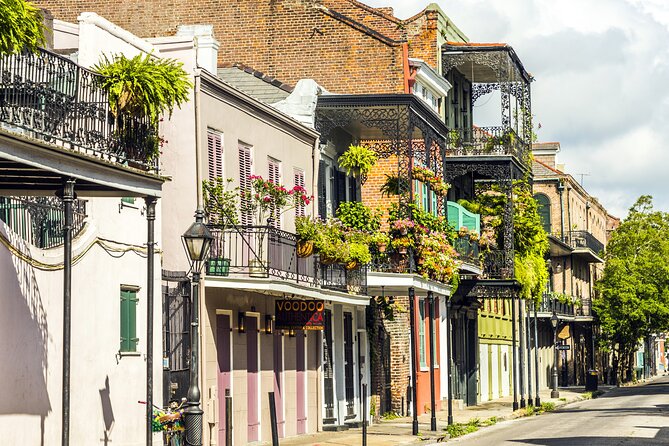
- French Quarter streets and New Orleans architecture
- Jackson Square and St. Louis Cathedral
- Voodoo Authentica and the reality behind the legends
- Louis Armstrong Park and Congo Square
- Storyville and the edge of the French Quarter
- What the guides do best
- Who will get the most from this experience
- Practical advice for a smoother walk
- Should you book this French Quarter voodoo tour?
- FAQ
- Where does the tour start?
- Where does the tour end?
- How long is the tour?
- How far do you walk?
- Is the tour offered in English?
- Does the tour enter any cemeteries?
- What should I bring?
- What happens if it rains?
- How early should I arrive?
- Can children join the tour?
Key points to know before you book
- Congo Square gives the tour its strongest historical setting: Learn how enslaved and free people gathered to trade, socialize, make music, dance, and practice spiritual traditions.
- The tour covers about one mile: The pace is leisurely, but French Quarter sidewalks and historic surfaces can be difficult for some people.
- Voodoo is treated with respect: You hear about its African roots, spiritual practices, deities, and connection to New Orleans life.
- The architecture is part of the story: French and Spanish buildings, Creole townhouses, shotgun homes, and entresol houses reveal how the city developed.
- You visit a voodoo supply shop: Voodoo Authentica offers a look at herbs, oils, amulets, and ritual materials.
- The experience ends at Jackson Square: That makes it easy to continue exploring the French Quarter after the walk.
Why this two-hour walk is more than a ghost tour
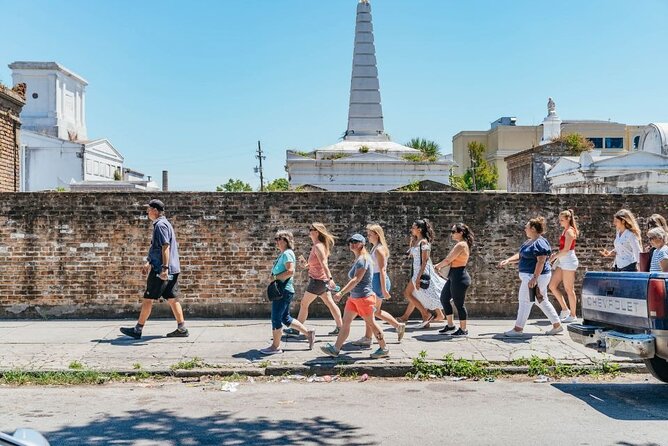
The name may suggest a spooky outing, but this experience is really a compact lesson in New Orleans culture. You move through the French Quarter, hear about famous practitioners such as Marie Laveau, and learn how African traditions shaped music, community life, and spiritual practice.
That mix is the tour’s strongest feature. I like that voodoo is explained as a living religion with history and meaning, not as a collection of grisly rumors. Several guides have been praised for changing the way people understand the subject, especially its links to slavery, resistance, and jazz.
The tone aims for exciting rather than frightening. You may hear about mysterious events, legendary figures, and old rituals, but this is not built around jump scares. That makes it a sensible choice for families with older children, first-time visitors, and anyone who wants a little mystery without a full evening ghost hunt.
The $27.99 price is reasonable for a licensed, two-hour walking tour in a central part of New Orleans. You are paying for a guide who supplies the context you would miss while wandering alone. The value is best if you ask questions and stay interested in the details, rather than expecting tickets to museums, food, drinks, or cemetery entry.
More Ghost Tours in New Orleans
- New Orleans Premier Ghost, Voodoo and Vampire Walking Tour
★ 4.5 · 12,856 reviews - Adults-Only New Orleans Ghost, Crime, Voodoo, and Vampire Tour
★ 5.0 · 6,545 reviews - St. Louis Cemetery No. 1 Official Walking Tour
★ 4.5 · 3,941 reviews
Beginning at the Witches Brew Gallery
The tour starts at Witches Brew Gallery & Haunted Sanctuary at 311 Exchange Place, across from the Pelican Club Restaurant. This is a practical meeting point near the French Quarter, and the central location means you can reach it by public transportation or on foot from much of the area.
Check-in begins 30 minutes before departure. Take that seriously. The tour leaves on time, and late arrivals are not refunded or accepted once the group has started. I would arrive early, locate the meeting point, and use the extra time to fill your water bottle.
Morning and afternoon departure times are available. The choice depends on your plans, but New Orleans heat matters. Summer conditions can become intense, so an earlier start may be more comfortable if that option fits your schedule.
The group can reach a maximum of 28 people. That is not a private tour, but it is still a manageable size for a city walk. Small groups may form depending on the date, and a smaller group makes it easier to ask questions or hear a guide clearly.
French Quarter streets and New Orleans architecture
The first hour focuses on the French Quarter, where the buildings provide a useful map of the city’s past. You pass French and Spanish-influenced structures, Creole townhouses, shotgun homes, and entresol houses.
These are not just pretty backdrops. The different forms reflect changing needs, building traditions, and the way residents adapted to limited space. A shotgun home, for example, is a long, narrow Southern house style that became common in the 1800s. A Creole townhouse offers another view of urban life, with design features shaped by the city’s colonial influences.
You may also glimpse a cloistered courtyard and hear how it served a practical purpose. Details like this are easy to miss when you walk alone. A guide can point out the way architecture handled shade, privacy, airflow, and crowded city blocks.
I like this section because it keeps the tour grounded. The voodoo stories have more meaning when you see the streets and homes where generations of New Orleanians lived, worked, worshipped, and built community.
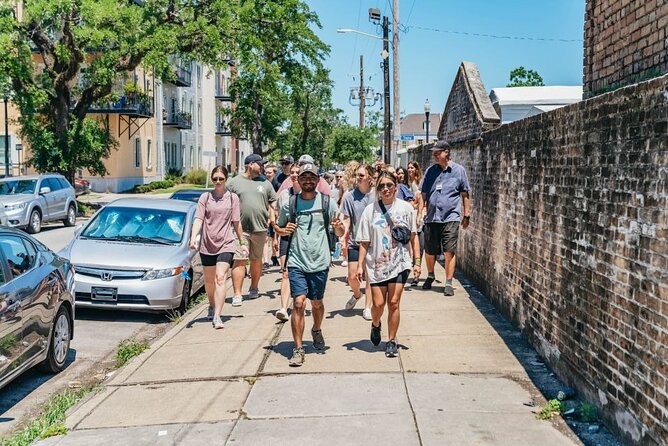
The main caution is the walking surface. The route is only about one mile, but the French Quarter’s historic sidewalks and uneven terrain can challenge people with mobility concerns. The pace is leisurely, yet the distance should not be judged by mileage alone. Wear comfortable shoes and dress for the weather.
Jackson Square and St. Louis Cathedral
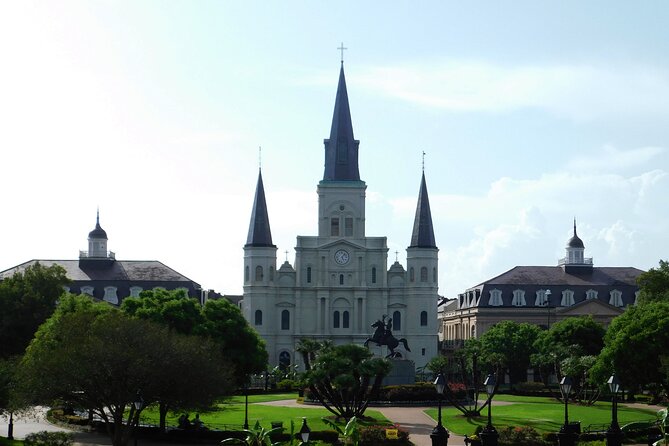
The walk continues to Jackson Square, one of the most recognizable open spaces in New Orleans. Here, you hear about the first settlements and see St. Louis Cathedral, along with early apartment buildings often described as the first of their kind in the United States.
The stop lasts about 15 minutes, so this is not a long architectural tour or a detailed cathedral visit. Instead, the guide uses the square as a quick way to explain how New Orleans grew from a colonial settlement into a major city.
St. Louis Cathedral is especially useful for understanding the city’s vulnerability to fire. The guide discusses the blaze that destroyed much of New Orleans, adding a practical layer to the city’s familiar romance. Old buildings become easier to understand when you know how often fire, weather, and rebuilding changed the streets.
Jackson Square is also the tour’s ending point. That is helpful because you can stay in the area afterward rather than finding your way back to an outlying meeting point. You are already in the center of the French Quarter, with plenty more to see on foot.
More Walking Tours in New Orleans
- New Orleans Food Walking Tour of the French Quarter with Small-Group Option
★ 5.0 · 6,118 reviews - New Orleans Garden District History Walking Tour
★ 5.0 · 2,879 reviews - New Orleans Haunted Ghost, Voodoo & Vampire Walking Tour
★ 4.5 · 2,731 reviews - French Quarter Historical Sights and Stories Walking Tour
★ 5.0 · 2,724 reviews
Voodoo Authentica and the reality behind the legends
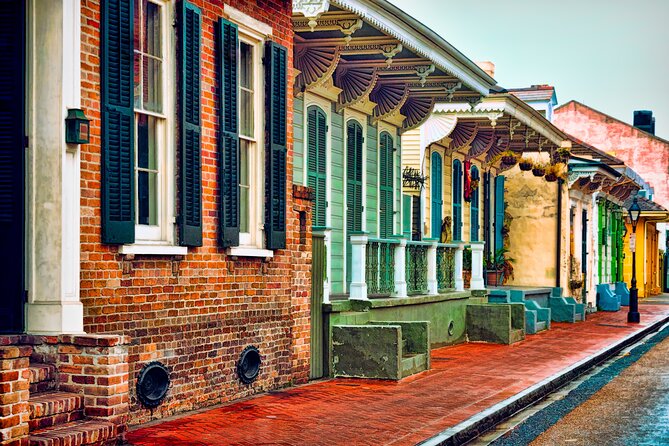
A short stop at Voodoo Authentica brings the subject closer to everyday objects. The shop specializes in materials connected with voodoo practice, including herbs, oils, and amulets.
This is not presented as a haunted attraction. It gives you a chance to see the kinds of items associated with ritual and spiritual work, while your guide explains the traditions behind them. The stop is brief, around 10 minutes, so do not expect a long shopping session or a formal museum presentation.
Marie Laveau receives special attention throughout the walk. She is one of the best-known names in New Orleans voodoo, and the tour places her story within the wider culture rather than treating her only as a spooky character.
That distinction matters. Popular entertainment often reduces voodoo to curses, dolls, and dark magic. The tour instead explains its spiritual side, including African religious influences and the role of community practice. One guide has even used books and images of African gods and goddesses when discussing these beliefs in the park.
You should still bring an open mind. The subject includes tradition, faith, legend, and disputed stories. Some claims about Marie Laveau are not settled, and a good guide should help you separate documented events from local lore. The experience is strongest when you listen for those differences.
Louis Armstrong Park and Congo Square
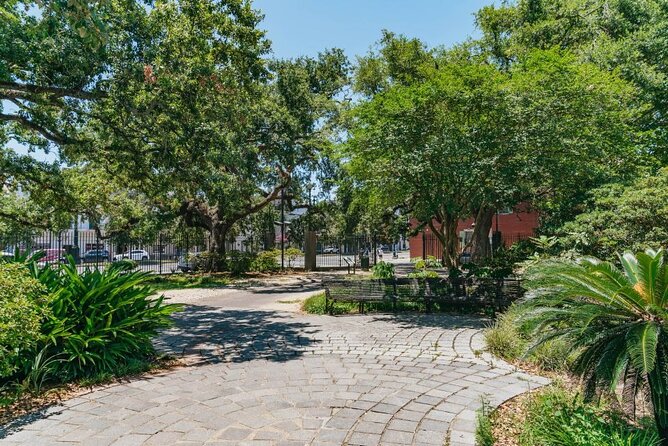
Louis Armstrong Park is the emotional center of the walk. Here, you visit Congo Square, a place where enslaved and free people gathered on Sundays during the 1800s.
The gatherings included trade, socializing, music, dancing, and spiritual ceremonies. This setting helps explain why New Orleans culture cannot be separated from African traditions and the history of slavery.
The guide connects Congo Square to the development of jazz and to the survival of African rhythms and communal practices. That link gives the voodoo discussion more depth. You are not simply hearing about an unusual religion. You are seeing how music, movement, belief, and community endured under terrible conditions.
This stop also shows why a walking tour can be more useful than a string of indoor attractions. Standing in the park gives the story a physical place. You can look at the open space and consider how significant it was for people who had few places where their traditions could be practiced openly.
The stop lasts about 15 minutes, but its importance goes beyond the clock. If you have time after the tour, Louis Armstrong Park deserves a slower look. During the guided visit, however, you will be moving through a larger route, so do not expect an extended park program.
Storyville and the edge of the French Quarter
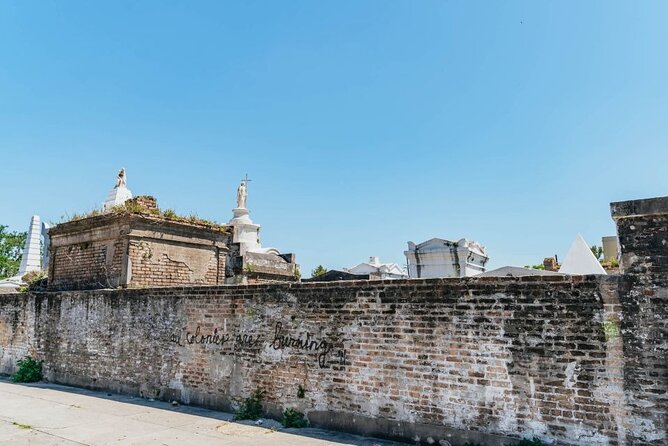
The route includes Storyville, the former red-light district just outside the French Quarter. The stop lasts about 10 minutes and adds another side of New Orleans social history.
Storyville is useful because it keeps the tour from becoming only a discussion of religion and architecture. New Orleans has long carried complicated relationships with entertainment, vice, music, and public morality. The guide uses this former district to show how those forces shaped the city.
This section may appeal to adults more than young children, depending on how much detail the guide provides. The supplied information does not promise interior visits or performances, so think of Storyville as a narrated look at the district’s place in New Orleans history.
What the guides do best
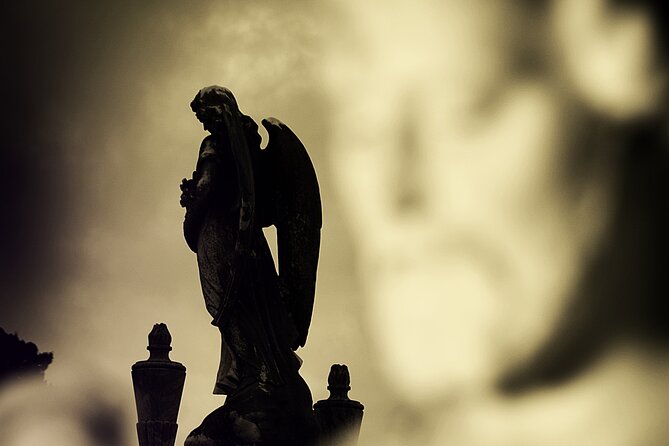
The guides are licensed by the City of New Orleans, and the strongest part of the experience is clearly the human delivery. William is repeatedly praised for his warmth, humor, storytelling, and ability to connect voodoo with slavery and jazz. Logan receives similar praise for filling the walk with information, while Jimmy is remembered for making a small group feel personal.
James has also offered useful local restaurant suggestions, which is a welcome bonus at the end of a walking tour. Bill has been praised for explaining burial customs, Marie Laveau, and the spiritual side of voodoo.
The style can vary from guide to guide. One person found a guide difficult to understand because he spoke too quickly. That is worth noting if you have hearing difficulties or are not fully comfortable with English. Stand near the guide, ask for repetition when needed, and use the question periods rather than letting a detail slip away.
The best guides invite questions and involve the group. You will get more from the tour if you treat it as a conversation instead of a speech.
Who will get the most from this experience
I would choose this tour if you want a broad introduction to New Orleans in a short time. It combines architecture, local history, voodoo, slavery, jazz, Marie Laveau, Congo Square, and Storyville without requiring a full day.
It also suits solo visitors who want a structured route through the French Quarter. One person specifically felt safe walking through the city with the group, and a guide can help you get oriented quickly.
Families can enjoy it, especially if older children are interested in culture or unusual history. The tour is not designed as a high-energy family thrill ride, though. One family found the information solid but the experience less exciting than expected. If your children want scares, costumes, and constant action, choose a different kind of tour.
You may want another option if your main goal is cemetery access. This tour does not enter any cemeteries. It discusses burial traditions and figures connected with New Orleans, but cemetery entry is specifically excluded.
Practical advice for a smoother walk
Bring bottled water. This is not a polite suggestion for summer only. Heat and humidity can make a one-mile walk harder than expected.
Wear shoes with good support, and bring rain protection if the forecast looks uncertain. The tour operates in most weather conditions, including rain, cold, snow, and sleet. It is canceled only in serious conditions such as flooding, tropical storms, hurricanes, fires, or cloud-to-ground lightning in the French Quarter.
Service animals are allowed, and most people can participate. Still, the historic terrain presents mobility challenges, so book with care if uneven surfaces are a concern.
The tour is offered in English and uses a mobile ticket. Reserve ahead because New Orleans regulates the tour industry and limits the number of people each guide can lead. With an average booking lead time of 29 days, popular departure times may fill well before your visit.
Cancellation is free up to 24 hours before the start time. Within 24 hours, you receive no refund. If severe weather or a minimum-group issue cancels the experience, you can receive a different date or a full refund.
Should you book this French Quarter voodoo tour?
Book it if you want context instead of cheap shock effects. The combination of architecture, Congo Square, voodoo practice, slavery, jazz, and local legends gives you a more useful picture of New Orleans than a narrow ghost walk.
At $27.99, the price is fair for a licensed two-hour guide-led route, especially if your guide is as engaging as William, Logan, Jimmy, James, or Bill. You get the most value by asking questions, wearing proper shoes, and arriving early.
Skip it if you need cemetery entry, a dramatic haunted production, or a large amount of voodoo ritual activity. This is a calm, informative walk with mysterious stories, not a theatrical scare machine. For curious people who want to understand why New Orleans culture feels so distinctive, it is a worthwhile introduction.
FAQ
Where does the tour start?
The tour starts at Witches Brew Gallery & Haunted Sanctuary, 311 Exchange Place, New Orleans, Louisiana 70130, across from the Pelican Club Restaurant.
Where does the tour end?
The walk ends at Jackson Square in the heart of the French Quarter.
How long is the tour?
The tour lasts approximately two hours.
How far do you walk?
You cover about one mile, or 1.6 kilometers, at a leisurely pace.
Is the tour offered in English?
Yes. The tour is offered in English.
Does the tour enter any cemeteries?
No. Cemetery entry is not included.
What should I bring?
Bring comfortable walking shoes and bottled water. Dress appropriately for the weather.
What happens if it rains?
Tours normally operate in rain, cold, snow, sleet, and other ordinary poor weather. Cancellation is limited to serious conditions such as flooding, tropical storms, hurricanes, fires, or cloud-to-ground lightning in the French Quarter.
How early should I arrive?
Check-in begins 30 minutes before departure. The tour leaves on time, and late arrivals are not accepted or refunded.
Can children join the tour?
Yes. Children under five are free of charge, and most people can participate. The route can present challenges for people with mobility issues because of the historic French Quarter terrain.
Just added in New Orleans
- New Orleans: French Quarter, Voodoo and Cultural Experience★ 4.5 · 972 reviews
- From New Orleans: Oak Alley Plantation Tour★ 4.5 · 443 reviews
- New Orleans: Voodoo Queen Tour of French Quarter★ 4.7 · 482 reviews
- New Orleans: Bayou Tour in Jean Lafitte National Park★ 4.8 · 428 reviews
- New Orleans: Whitney Plantation Tour with Transportation★ 4.7 · 619 reviews
- New Orleans: Guided Swamp Cruise by Tour Boat★ 4.7 · 570 reviews
- New Orleans: Sunday Steamboat Jazz Cruise + Optional Brunch★ 4.3 · 470 reviews
- New Orleans: Oak Alley Plantation & Airboat Swamp Combo Tour★ 4.7 · 906 reviews
Ghost Tours, compared.
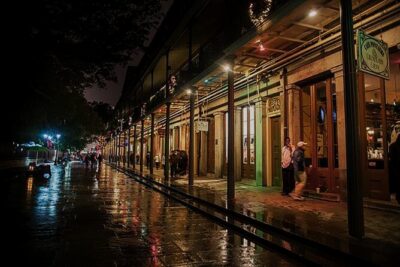
New Orleans Premier Ghost, Voodoo and Vampire Walking Tour
Read our review →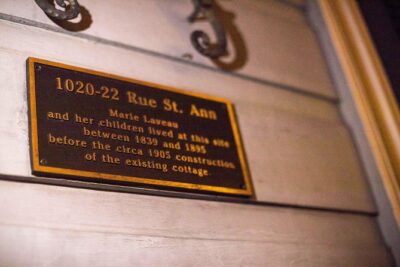
Adults-Only New Orleans Ghost, Crime, Voodoo, and Vampire Tour
Read our review →
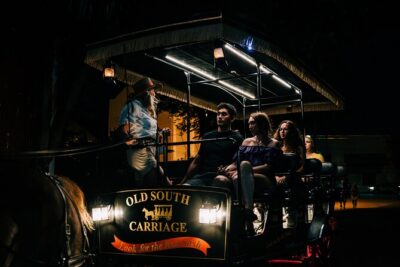
Haunted Evening Horse and Carriage Tour of Charleston
Read our review →
New Orleans Adults-Only Ghost, Voodoo and Vampire Tour
Read our review →
Savannah History and Haunts Candlelit Ghost Walking Tour
Read our review →
New Orleans Haunted Ghost, Voodoo & Vampire Walking Tour
Read our review →
Cemetery and Ghost BYOB Bus Tour in New Orleans
Read our review →Browse the lists this tour appears in