
Reviewed · MUSEUMS
NYC: Museum of Modern Art (MoMA) Entry Ticket
Art’s greatest hits are waiting. A $30 ticket gets you into New York’s Museum of Modern Art, where you can see Van Gogh’s The Starry Night, Monet’s Water Lilies, Warhol’s Campbell’s Soup Cans, Matisse, Picasso, Dalí, Pollock, and much more. I like the direct gallery entry and the fact that your ticket includes both the permanent collection and special exhibitions. I also like the free multilingual audio guide, which lets you set your own pace.
The main catch is simple: MoMA is large, popular, and easy to underestimate. You may need two or three hours for a good visit, and several more if you want to see all six floors without rushing. Popular rooms can become crowded, especially at busy times, making it harder to pause in front of the best-known paintings.
In This Review
- Key points to know before you go
- What the $30 MoMA ticket really gives you
- Entering at 11 West 53rd Street
- Why the fifth floor is the best starting point
- Working down through Warhol and postwar art
- Six floors, several kinds of art
- Using the free audio guide on your phone
- How long should you spend at MoMA?
- Food, design, and the building itself
- What families and non-art specialists should expect
- MoMA PS1 adds value after your visit
- Who should book this ticket?
- FAQ
- How much does admission to MoMA cost?
- How long is the MoMA ticket valid?
- What does the admission include?
- Where do I enter MoMA?
- Do I need to visit the ticket desk?
- What languages are available for the audio guide?
- What should I bring?
- What are MoMA’s opening hours?
- Is MoMA wheelchair accessible?
Key points to know before you go
- Start high, then work down: The fifth floor is a strong place to begin for famous works by Van Gogh, Monet, Matisse, and Picasso.
- Expect more than paintings: MoMA also presents design, film, sculpture, photography, performance-related work, and contemporary art.
- The famous works are only part of the visit: Warhol, Pollock, Dalí, Gauguin, Cindy Sherman, Ai Weiwei, and many lesser-known artists fill the galleries.
- Your phone becomes the guide: Download the MoMA app or use the mobile site, and bring charged headphones for the audio material.
- Admission includes extra programs: Daily film screenings and art-making labs are included, along with access to MoMA PS1 for up to 14 days after your visit.
- Plan for a break: MoMA has three restaurants, including the two-Michelin-starred The Modern, plus a large design store.
What the $30 MoMA ticket really gives you
At $30 per person, this is not a cheap museum stop, but it can be good value if you care about modern art or want to see several major works in one place. The ticket covers the permanent collection and all special exhibitions, not just a single gallery or temporary show.
That matters because MoMA’s appeal is its range. You can begin with late 19th-century European painting and sculpture, then move through modernist experiments, postwar American art, photography, design, film, and current work. A short visit gives you famous paintings. A longer visit gives you a better sense of how art changed over time.
I would not buy this ticket simply because you feel you should visit every major New York museum. If classic European art is your main interest, another museum may suit you better. But if you want Van Gogh, Picasso, Matisse, Monet, Warhol, Pollock, and contemporary art under one roof, the price is easier to justify.
Children 16 and under enter free, which can change the value calculation for families. Families are welcome, and the museum includes art-making labs that can give children something active to do between gallery visits.
More Museum Tours in New York City
- NYC: 9/11 Memorial & Museum Timed-Entry Ticket
★ 4.8 · 31,428 reviews - NYC: Empire State Building Tickets – Observatory & Museum
★ 4.7 · 25,757 reviews - New York City: American Museum of Natural History Ticket
★ 4.5 · 15,447 reviews
Entering at 11 West 53rd Street
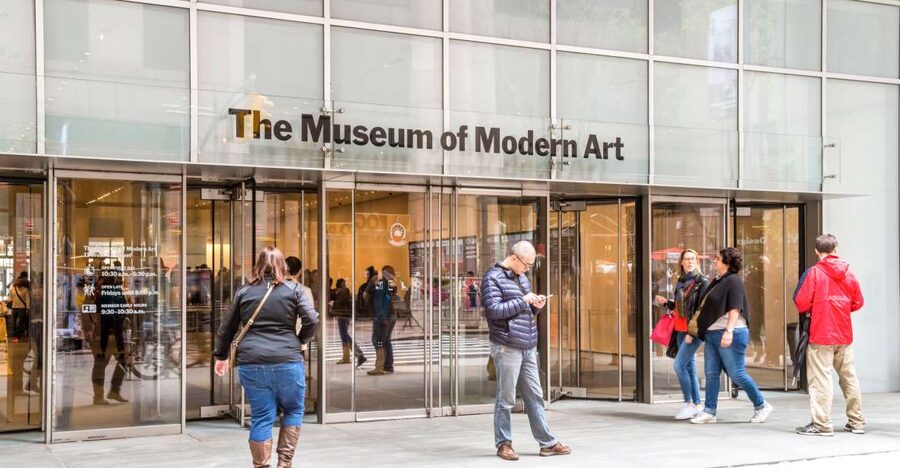
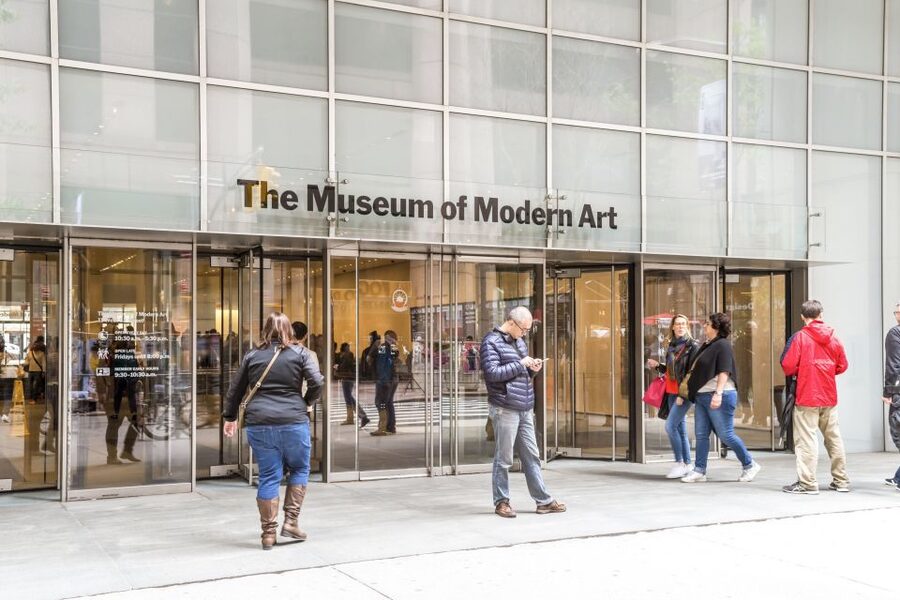
MoMA is in Midtown Manhattan at 11 West 53rd Street. With a prepaid voucher, you enter through the museum and show the barcode to staff at one of the gallery entry points. You do not need to visit the ticket desk first.
That small detail saves time and removes one common New York nuisance: standing around trying to work out where to exchange a voucher. Keep the barcode easy to access on your phone. You will also want enough battery for the audio guide, museum map, and any photos you take where photography is permitted.
The museum is wheelchair accessible. Food and drinks are not allowed in the galleries, and large bags or luggage are not permitted. Video recording is also not allowed, so pack lightly and leave your suitcase elsewhere.
Why the fifth floor is the best starting point
Several people recommend beginning on the fifth floor, and I think that is sensible for a first visit. This level contains many of the museum’s most famous works from the late 19th and early 20th centuries, giving you an immediate sense of why MoMA matters.
Van Gogh’s The Starry Night is the painting many people most want to see. It is familiar from posters, books, and screens, but the real work still rewards a pause. You can look at the thick paint, the swirling sky, and the contrast between the restless heavens and the quiet village below.
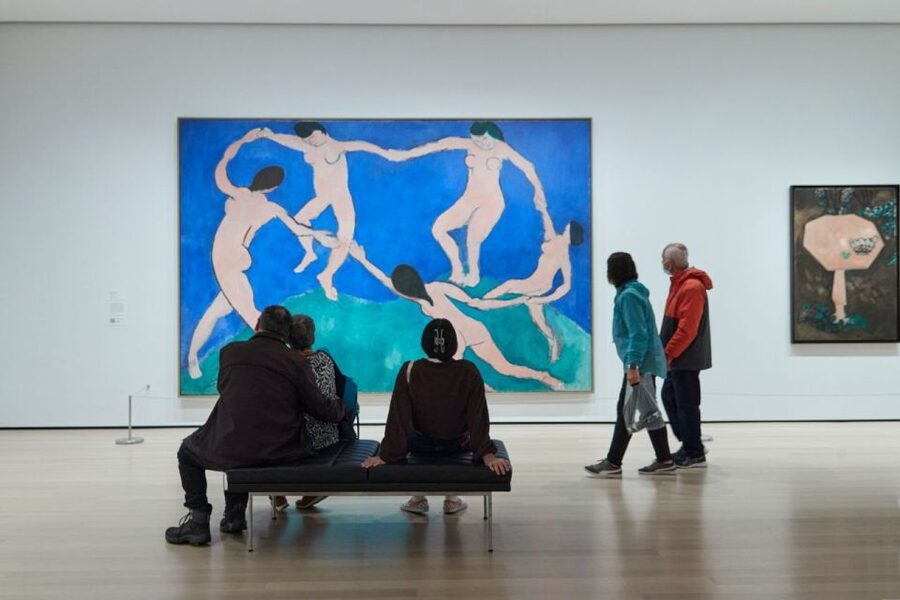
Monet’s Water Lilies offers a different experience. Instead of a single dramatic scene, the painting asks you to slow down and notice light, reflection, color, and the way a subject can become almost abstract. Matisse’s The Dance (I) brings another kind of energy, with simplified forms and bold movement.
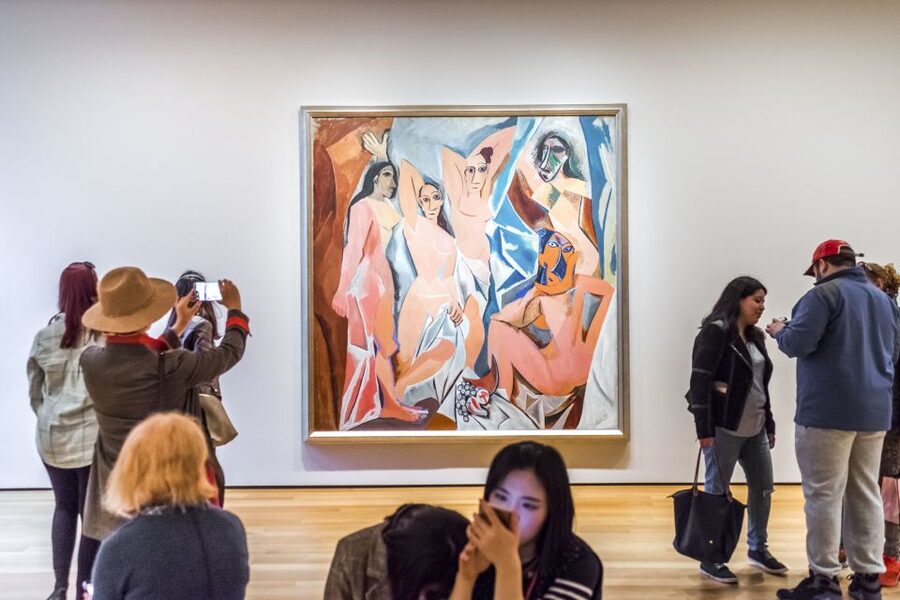
Picasso’s Les Demoiselles d’Avignon is one of the major stops here. It is not an easy or pretty painting in the usual sense, and that is part of its importance. You can see the break from traditional representation and the pressure toward Cubism in its fractured forms.
Gauguin, Dalí, and other major European artists add to the sense that you are seeing a turning point in art. The fifth floor can feel intense because so many famous names appear one after another. Give yourself permission to skip some labels and simply look.
Working down through Warhol and postwar art
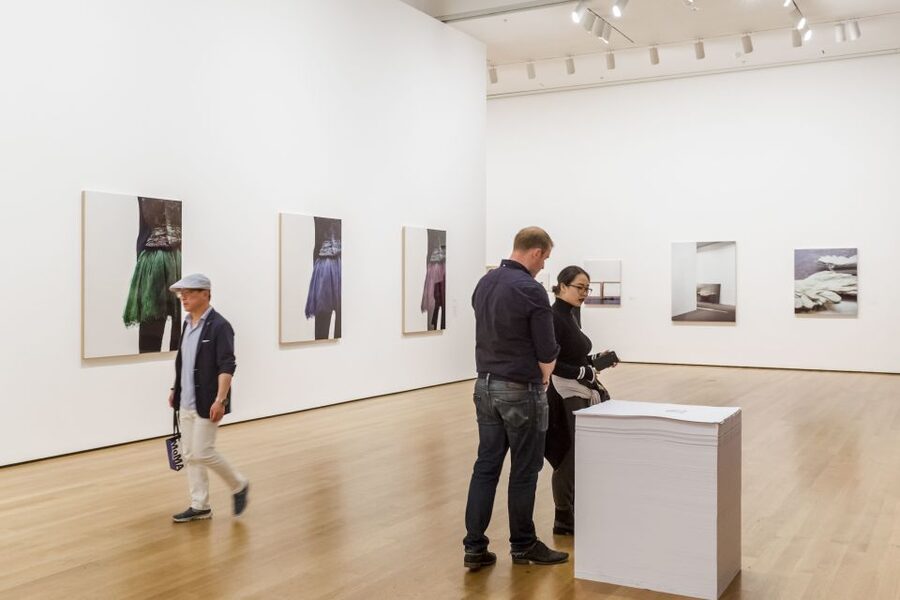
After the fifth floor, work downward. This route creates a loose chronology and helps you understand how the bold experiments of early modernism led into postwar art and Pop Art.
Warhol’s Campbell’s Soup Cans is one of the most recognizable pieces in the museum. It can look simple at first, but its repetition and commercial packaging raise questions about advertising, mass production, and what belongs in a museum. If you want to see this work, check the fourth-floor galleries as you move through the building.
Jackson Pollock brings a very different kind of visual force. His paintings are less about a conventional subject and more about gesture, movement, rhythm, and the physical act of painting. Salvador Dalí adds the strange, dreamlike logic of Surrealism.
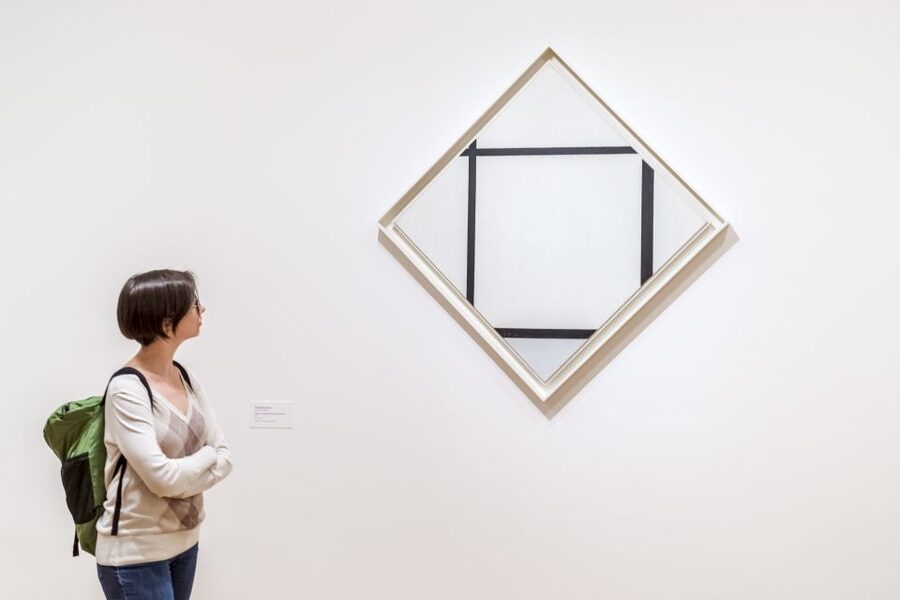
The Cubist galleries can be especially rewarding if you like seeing familiar objects broken apart and rebuilt. One useful approach is to look first without reading anything, then use the label or audio guide to understand the artist’s choices.
MoMA is not only a parade of household names. You will also find artists whose work may be unfamiliar. Elizabeth Murray, Cindy Sherman, and Ai Weiwei represent different approaches to identity, media, politics, and the role of objects in daily life. Some contemporary pieces may speak to you immediately. Others may leave you cold. That uneven response is normal, and it is part of visiting a museum devoted to art that keeps testing the rules.
A different kind of day out entirely:
- NYC: SUMMIT One Vanderbilt Tickets
★ 4.7 · 51,195 reviews - NYC: Empire State Building Observation Deck Tickets
★ 4.7 · 22,072 reviews - NYC: Edge Observation Deck Admission Ticket
★ 4.6 · 20,918 reviews - New York City: Statue of Liberty & Ellis Island with Ferry
★ 4.6 · 18,683 reviews
Six floors, several kinds of art
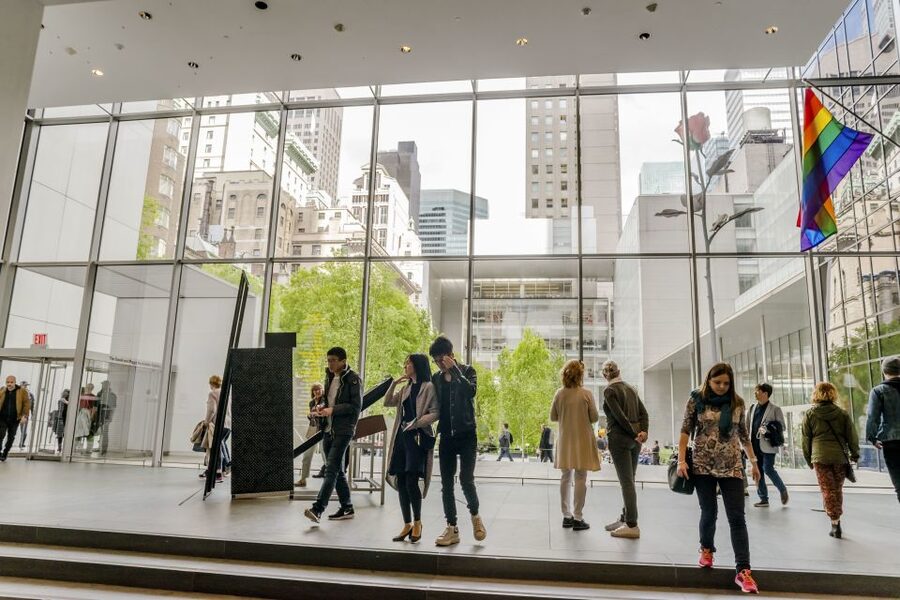
MoMA’s collection extends well beyond painting. You can encounter sculpture, photography, design, film, and work connected to performance and installation art.
The film program is a real bonus because daily screenings are included with admission. The schedule can add another layer to your visit, but check the timing when you arrive so you do not accidentally spend the whole day in galleries and miss the screening you wanted.
Art-making labs are also included. These can be useful for families, children, and anyone who wants a break from standing quietly in front of paintings. The museum is welcoming to children, and simple explanations aimed at younger visitors can also help adults who do not have a background in modern art.
Do not assume you must see every room. MoMA can become mentally tiring before your feet give out. I would choose a few priorities, such as The Starry Night, Monet, Matisse, Picasso, Warhol, and one or two contemporary galleries, then allow time for surprises.
A practical route is:
- Begin on the fifth floor with the early modern collection.
- Move to the fourth floor for later modern and postwar work.
- Continue through the remaining galleries according to your interests.
- Add a film screening or art-making lab if the timing works.
- Finish with food, the sculpture areas, or the design store.
The exact display can change, and not every work owned by MoMA is always on view. That is worth remembering if you are visiting for one specific painting.
Using the free audio guide on your phone
The audio guide is available through the MoMA app or mobile site in English, Spanish, Chinese, French, German, Italian, Japanese, and Portuguese. It is included rather than sold as an extra add-on.
Bring your own headphones and a fully charged smartphone. Free WiFi is available throughout the museum, which helps with access, but I would still open the app or mobile site before you start moving through the galleries.
The audio guide can make a big difference with modern art. A few lines about an artist’s method, the original purpose of a work, or the debate around a painting may help you see more than a quick glance would reveal.
There is one practical warning. The QR codes and audio system may not work perfectly every time. If the guide gives you trouble, try the MoMA app or mobile site directly rather than spending several minutes trying the same code again. The museum is still worth visiting without audio, but give yourself a little time to get the technology working.
How long should you spend at MoMA?
The ticket is valid for one day, but most people will not need an entire day unless MoMA is a major priority. Two hours lets you see a focused selection. Three hours is a better target for a first visit. Four hours gives you room for more contemporary galleries, a film, a rest, and the shop.
The museum operates daily from 10:30 AM to 5:30 PM. On Fridays, it stays open until 8:30 PM. Last entry is one hour before closing.
A morning visit may suit you if you want a calmer start and have other Midtown plans later. A longer Friday opening gives you more flexibility, but the evening period can be very busy. Crowds make the famous works harder to enjoy, so do not choose a late visit assuming extra hours automatically mean a relaxed experience.
The museum is close to major Midtown sights, including Rockefeller Center and Grand Central Terminal. You can pair MoMA with those locations, but be careful with your schedule. A full museum visit followed by more sightseeing can turn into a long day on your feet.
Food, design, and the building itself
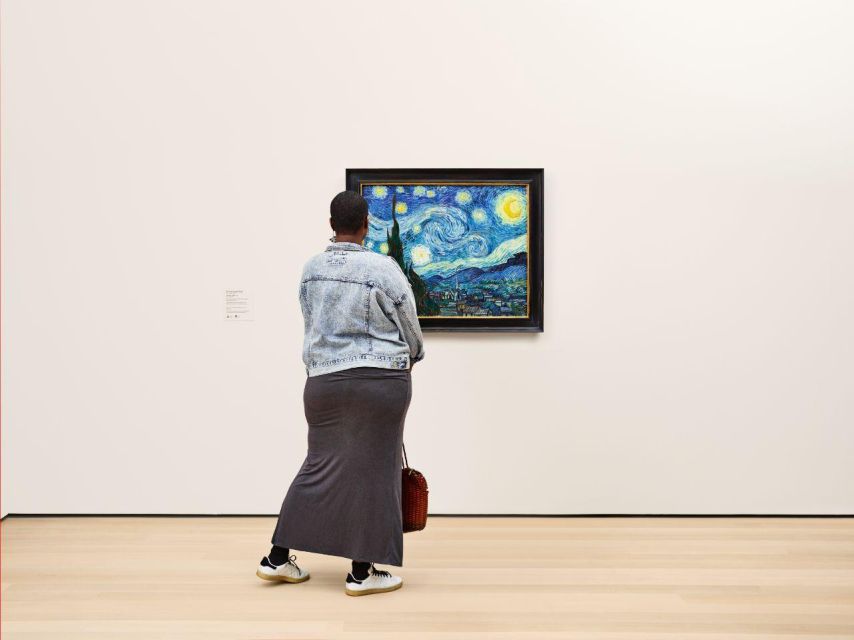
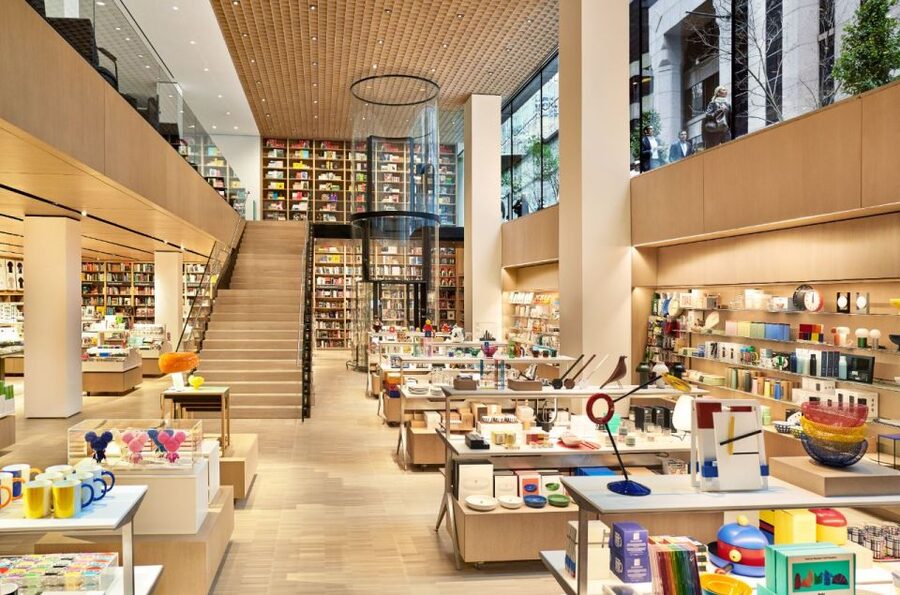
MoMA’s building is part of the pleasure of the visit. Bright, open areas make the museum feel less cramped than some large collections, though the galleries can still feel confusing at times. If you are unsure where to begin, ask a staff member or follow the suggestion to start on the fifth floor and work down.
Three restaurants offer food and drink options. The Modern has two Michelin stars, making it a destination in its own right, though you should treat it as a separate dining plan rather than something guaranteed to fit neatly into a quick museum visit.
The MoMA Design Store is hard to ignore. It carries books, jewelry, furniture, clothing, design objects, and other items inspired by modern design. You can find unusual souvenirs here, but set a spending limit before you enter. The store is one of the easiest places to turn a $30 museum visit into a much more expensive afternoon.
What families and non-art specialists should expect
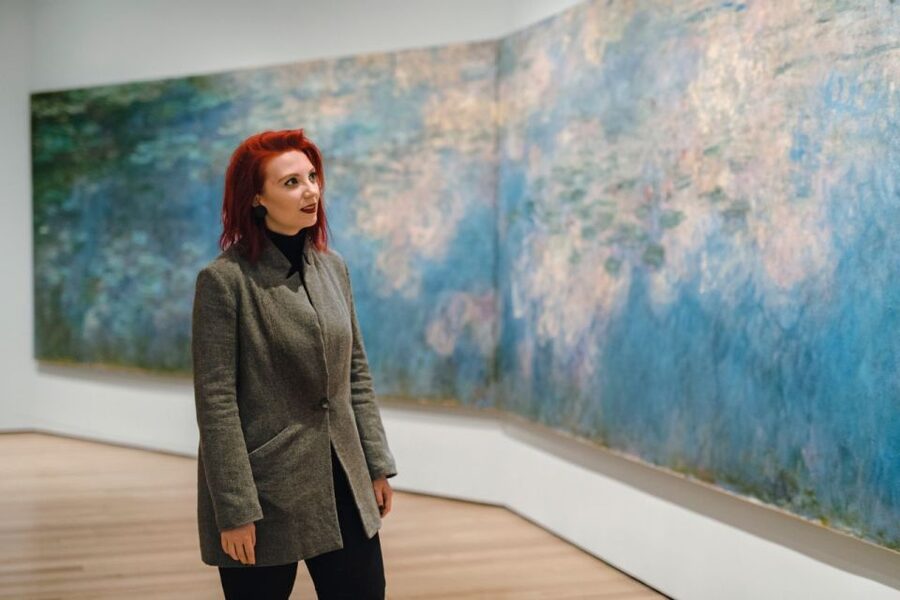
You do not need an art degree to enjoy MoMA. The best way to approach it is to identify what catches your eye, then read or listen for context. Some works will be instantly appealing. Others may seem puzzling, severe, or even deliberately annoying.
Children 16 and under enter free, and the museum welcomes families. Art-making labs and child-friendly explanations can make the visit less passive. Keep the plan flexible rather than expecting children to walk through six floors at adult speed.
If modern art is not your usual choice, focus on the famous works first. Van Gogh, Monet, Matisse, Picasso, and Warhol give you recognizable entry points. After that, try one gallery of art you would normally skip. You may not love everything, but you will leave with a clearer idea of how modern and contemporary art work.
MoMA PS1 adds value after your visit
Admission includes entry to MoMA PS1 for up to 14 days after your MoMA visit. This is useful if you are staying in New York for several days and want to spread your museum time out.
MoMA PS1 is a separate location, so do not expect to walk there as part of the Midtown visit. The extra admission is best treated as a second outing, not a quick final gallery. It can also help you avoid trying to absorb all of MoMA in one exhausting day.
Who should book this ticket?
I would book this experience if you want a self-guided visit to major modern art, value the ability to skip the ticket desk, or have limited time in New York. It is particularly good for first-time visitors who want to see The Starry Night, Water Lilies, Matisse, Picasso, and Warhol without arranging a guided tour.
I would think twice if you prefer a quiet museum with fewer people, dislike contemporary art, or only have an hour. In that case, the $30 price may feel high, and the building may seem too large for the time available.
For the best value, arrive with three or four must-see works in mind, start on the fifth floor, bring headphones, and leave room for one unexpected gallery. You do not need to conquer all six floors. MoMA works better when you treat it as a place to look carefully, not a checklist to finish.
FAQ
How much does admission to MoMA cost?
The listed price is $30 per person. Children ages 16 and under enter free.
How long is the MoMA ticket valid?
The ticket is valid for one day.
What does the admission include?
Admission includes the permanent collection, all special exhibitions, free WiFi, and a downloadable multilingual audio guide. Daily film screenings and art-making labs are also included.
Where do I enter MoMA?
Enter at 11 West 53rd Street in Midtown Manhattan. Show your barcoded voucher to museum staff at one of the gallery entry points.
Do I need to visit the ticket desk?
No. With the barcoded voucher, you can go to an entry point and present it to staff without checking in at the ticket desk.
What languages are available for the audio guide?
The audio guide is available in Spanish, Chinese, English, French, German, Italian, Japanese, and Portuguese.
What should I bring?
Bring a charged smartphone and headphones for the audio guide.
What are MoMA’s opening hours?
The museum is open daily from 10:30 AM to 5:30 PM. On Fridays, it is open until 8:30 PM. Last entry is one hour before closing.
Is MoMA wheelchair accessible?
Yes, the museum is wheelchair accessible.
Just added in New York City
- All Inclusive Airport Arrival Transfer to NYC/ Brooklyn/Queens★ 4.0 · 849 reviews
- All Inclusive Airport Departure Transfer NYC/ Brooklyn/Queens★ 4.0 · 342 reviews
- The Escape Game Brooklyn: Epic 60-Minute Adventures in City Point★ 5.0 · 332 reviews
- Brooklyn Food Walking Tour: Local Eats & Family‑Run Shops★ 5.0 · 592 reviews
- Brooklyn Bridge & DUMBO Food Tour: Local Eats & Landmarks★ 5.0 · 478 reviews
- Harlem: Central Harlem Sunday Gospel with Locals★ 3.9 · 499 reviews
- West Harlem: Gospel Church Service and Sunday Walking Tour★ 4.3 · 411 reviews
- Manhattan: Statue and Skyline Cruise Aboard a Luxury Yacht★ 4.8 · 540 reviews
Museums, compared.
Empire State Building Tickets – Observatory & Museum
Read our review →

9/11 Memorial, Ground Zero Tour with Optional 9/11 Museum Ticket
Read our review →

All-Access 9/11: Ground Zero Tour, Memorial and Museum, One World Observatory
Read our review →

Browse the lists this tour appears in