
Reviewed · GHOST TOURS
Salem Voodoo, Vampires, and Ghosts Guided Walking Tour
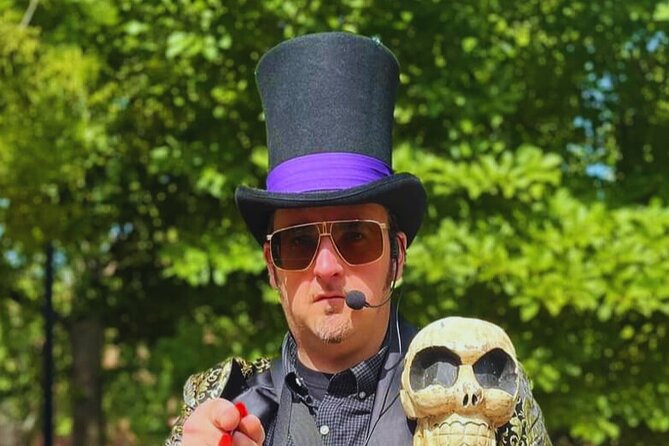
Salem gets stranger after sunset. This 90-minute walking tour mixes the real story of the 1692 witch trials with local tales of voodoo, vampires, haunted cemeteries, and modern ghost hunting. What I like most is the use of licensed historians and paranormal investigators, rather than costumed actors reading a script. I also like the practical ghost-hunting angle, including help examining your own photos for orbs, ectoplasm, and other claimed signs of paranormal activity. The main consideration is that the tour covers a lot in a short time, and some stories include murder, torture, blood drinking, and grim details that may be too intense for young children.
The route is easy to walk and stays in Salem’s historic center. Evening departures give the streets a spooky mood, while weekend afternoon tours work better if you prefer daylight. Guides such as Dr. Vitka, Mike, and Vin have earned especially warm praise for clear storytelling, personal investigation stories, and a respectful treatment of the people caught up in the witch trials.
In This Review
- Key points to know before booking
- Why this Salem ghost tour feels different
- Meeting at the Revere Bell and setting out
- Stops 1 and 2: The Witch Trials and Giles Corey
- Stops 3 and 4: A churchyard, the dungeon, and Tituba
- Stops 5 and 6: Bridget Bishop, Alexander Graham Bell, and Hocus Pocus
- Stops 7 and 8: Vampire lore and Harry Houdini
- Stops 9 and 10: Crime stories and a haunted bar
- Stops 11 and 12: The Burying Point and the Peabody Essex Museum
- Stop 13: Ghost photographs at Axelrod Walkway Park
- Guide style and the strongest part of the experience
- Value, timing, and who should book
- Should you book the Salem Voodoo, Vampires, and Ghosts Tour?
- FAQ
- How long does the Salem Voodoo, Vampires, and Ghosts tour last?
- Where does the tour begin?
- Where does the tour end?
- Is the tour offered in English?
- Is the tour available during the day?
- Does the tour include admission to the Peabody Essex Museum?
- What subjects are covered during the tour?
- Can I have my own photographs examined?
- What is the maximum group size?
- Is cancellation available?
Key points to know before booking
- The Giles Corey stop is the tour’s grimmest history lesson: Learn about the accused man pressed to death after refusing to enter a plea.
- Tituba receives more attention than in many Salem tours: Her enslavement, accusation, and possible connection to voodoo practices become part of the wider story.
- The Old Burying Point links Salem’s past and present: See the grave of trial judge John Hathorne and hear why the cemetery remains important to modern magical practitioners.
- Ghost hunting is part of the tour, not just decoration: You can ask about your own photographs and study images gathered at Salem sites.
- The route reaches beyond the witch trials: Expect vampire folklore, Harry Houdini, Hocus Pocus filming locations, notorious killers, and a haunted bar.
- The strongest praise centers on the guides: The best comments point to lively delivery, careful group management, and a respectful tone.
Why this Salem ghost tour feels different
Salem has no shortage of witch-themed walks. Many lean hard on costumes, jump scares, or theatrical nonsense. This tour takes a different route by putting historical explanation first, then using ghost stories and folklore to show how Salem’s reputation grew.
That balance matters. The witch trials were not a spooky entertainment event for the people involved. They were a legal and religious panic that led to imprisonment, torture, and executions. A guide who treats that subject with care can still tell a frightening story without turning real suffering into a cheap prop.
The guides are described as historians and paranormal researchers, and that background shapes the presentation. You hear the known facts, then the later legends, then the methods ghost hunters use when studying photographs and haunted locations. The tour does not require you to believe every supernatural claim. You can enjoy the mystery while keeping your judgment switched on.
The tour carries a 4.9 rating from 1,931 ratings, with 97 percent recommending it. The strongest praise focuses on the guides’ speaking skills, historical detail, and ability to keep a group together in busy Salem. Several comments call it one of the best among multiple Salem tours, especially for people who want more than the usual witch-trial summary.
More Ghost Tours in the USA:
- New Orleans Premier Ghost, Voodoo and Vampire Walking Tour
★ 4.5 · 12,856 reviews - Adults-Only New Orleans Ghost, Crime, Voodoo, and Vampire Tour
★ 5.0 · 6,545 reviews - Salem’s Best Ghost Tour
★ 4.5 · 4,186 reviews
Meeting at the Revere Bell and setting out
You meet at the Revere Bell in front of the Salem Visitor Center at 2 New Liberty Street. The activity returns to this same meeting point, which makes it easy to plan an evening meal, another attraction, or your trip back to public transportation.
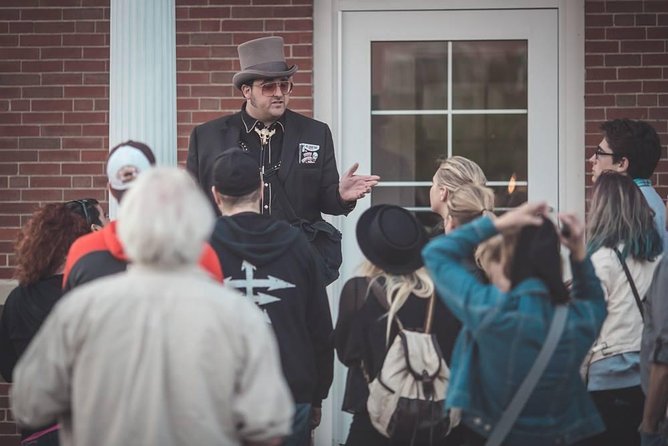
The walk lasts about an hour and a half. Stops are short, often between three and ten minutes, so the guide needs to speak clearly and keep the group moving. The maximum group size is 40 people. That is not an intimate private walk, but it is small enough for a guide to make sure people are included, answer questions, and steer the group through foot traffic.
Evening tours run daily. Weekend afternoon departures provide a daylight option. I would choose nighttime if atmosphere matters most, but daylight can help you see old gravestones and building details more clearly. Salem can also be cold, windy, or unpleasant in the fall, so wear shoes suited to walking and dress for the weather. The route is described as easy, but you will be outdoors for the full tour.
Stops 1 and 2: The Witch Trials and Giles Corey
The first stop at 2 New Liberty Street places you among the streets tied to Salem’s witch-trial story. This opening sets up the difference between documented events and the legends that formed around them. The guide also introduces the idea of taking photographs during the tour and looking closely at them later for unusual shapes or light effects.
At 15 Federal Street, the tone turns much darker. This is believed to be the location where Giles Corey was pressed to death. Corey refused to confess or enter a plea, and authorities placed heavy stones on him in an effort to force a response.
This is likely the most disturbing account on the walk. It is not presented as a ghost-story shortcut. The stop shows how cruel the legal process became and why Corey’s death remains one of the most memorable episodes of the trials. The guide also explains the curse Corey was said to place on Salem as he died. You get both the historical event and the later supernatural story.
Stops 3 and 4: A churchyard, the dungeon, and Tituba
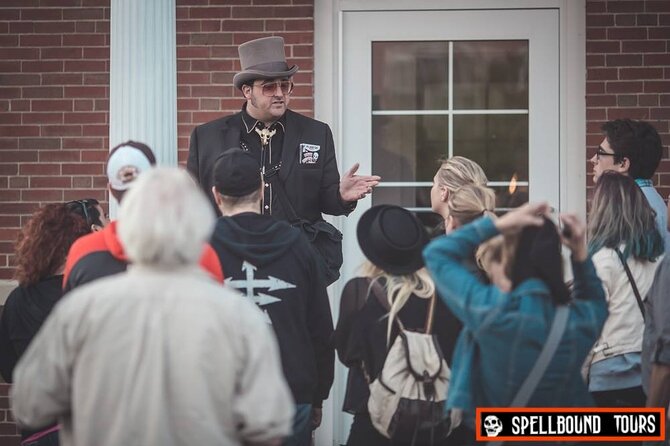
At 24 St. Peter Street, you pause at a church graveyard with ties to the witch trials. The stop is brief, but the antique gravestones give you a chance to take photographs and see the age of Salem’s built environment.
The next stop, at 10 Federal Street, carries more historical weight. The site is associated with the original dungeon where accused witches were held while awaiting trial and execution. Here the guide explains the Puritan beliefs, the fear that drove the accusations, and the legal machinery behind the trials.
Tituba receives special attention. She was an enslaved woman accused during the witch panic and became one of its most important figures. The tour connects her story with claims that she practiced voodoo, while also presenting her place within the larger system of accusation and pressure.
This section is valuable because it broadens the usual Salem story. Tituba is not just a colorful character in a spooky tale. Her status as an enslaved woman shaped how she was treated, and her testimony became part of the panic. The guide’s treatment of her is one reason this tour can feel more thoughtful than a simple collection of ghost stories.
The dungeon site is also described as one of Salem’s most active haunted locations. You will see photographs from investigations and hear how ghost hunters assess things such as orbs, ectoplasm, and apparitions. If you bring a phone or camera, you can ask for help examining your own pictures. That does not prove anything supernatural, but it gives the stop an interactive quality.
More Walking Tours in the USA:
- History and Hauntings of Salem Guided Walking Tour
★ 5.0 · 14,564 reviews - Little Havana Food and Walking Tour in Miami
★ 5.0 · 8,882 reviews - Chicago: Gangsters and Ghosts Walking Tour
★ 5.0 · 7,155 reviews - Boston: Freedom Trail History Small Group Walking Tour
★ 5.0 · 6,450 reviews
Stops 5 and 6: Bridget Bishop, Alexander Graham Bell, and Hocus Pocus
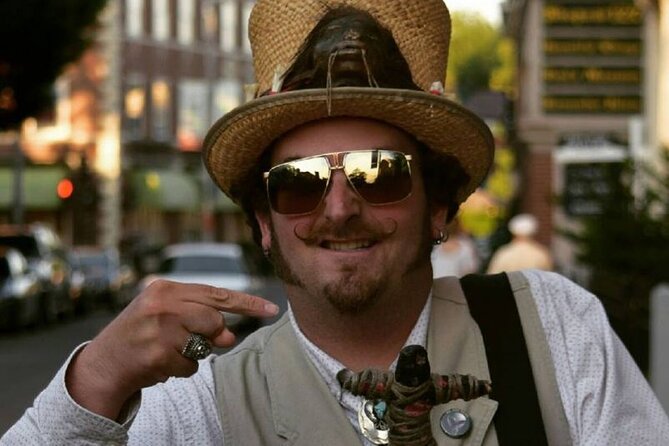
At Turner’s Seafood at Lyceum Hall, the tour reaches land associated with Bridget Bishop, one of the people executed during the witch trials. The location has become familiar to fans of paranormal television, with reports of physical sensations and strange photographic effects.
The site also has an unexpected connection to science and communication. Alexander Graham Bell demonstrated his telephone here before a large audience. That contrast is classic Salem: a place tied to both old superstition and modern invention.
The guide also discusses the restless spirit associated with Bridget Bishop. You can treat the haunting as folklore, a paranormal claim, or simply part of the way Salem remembers its past. The useful point is that the tour does not keep history in one box and ghost stories in another. It shows how the same place collects several layers of meaning.
Old Town Hall provides a lighter stop. You can photograph the exterior location used in the Hocus Pocus scene featuring the I Put A Spell On You ball. This is a quick photo opportunity rather than a detailed film-history presentation, but it gives fans of the movie a recognizable Salem moment.
Stops 7 and 8: Vampire lore and Harry Houdini
At Derby Square, the subject shifts from witches to vampires. The guide explains New England vampire folklore and accounts of real people who drank blood. These stories are presented as disturbing examples of how vampire beliefs moved between legend, rumor, and documented behavior.
This is one of the tour’s more unusual features. Many Salem walks stay inside the 1692 witch trials. The vampire section gives you a wider look at New England’s dark folklore and explains why Salem became associated with horror beyond witchcraft.
The subject matter is graphic. If you want only gentle ghost stories, this portion may be too bloody. If you enjoy folklore with a factual edge, it adds variety to the walk.
At Houdini Way, you hear about Harry Houdini’s dramatic escape in Salem. It is another sharp change of mood, moving from blood-drinking stories to stage magic. The stop also creates a useful distinction between a magician performing an escape and a paranormal claim that cannot be tested in the same way.
Stops 9 and 10: Crime stories and a haunted bar
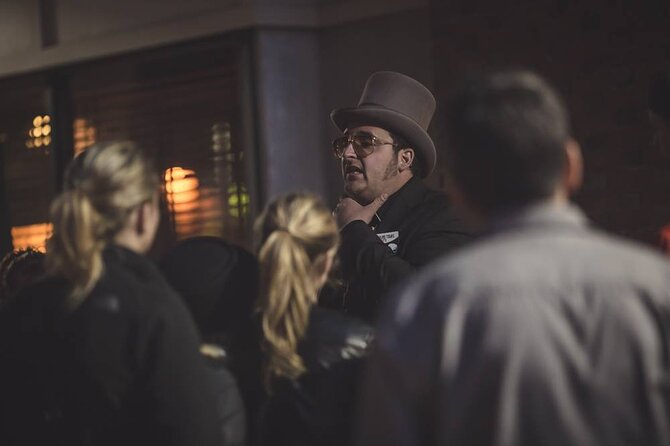
Central Street brings in two notorious names, the Boston Strangler and Carl Panzram. The guide discusses murders associated with Salem. This part moves well beyond witchcraft, showing that the city’s dark reputation includes modern crime as well as colonial-era accusations.
The details are described as brutal, so I would not choose this tour for a child who is easily upset by violent stories. Children must be accompanied by an adult, but the adult should decide if the content fits the child.
The stop at 300 Derby Street is brief and focuses on a haunted bar. It is a quick atmospheric pause rather than a major historical visit. Still, these shorter stops help keep the route moving and prevent the tour from becoming a long lecture at only a few locations.
Stops 11 and 12: The Burying Point and the Peabody Essex Museum
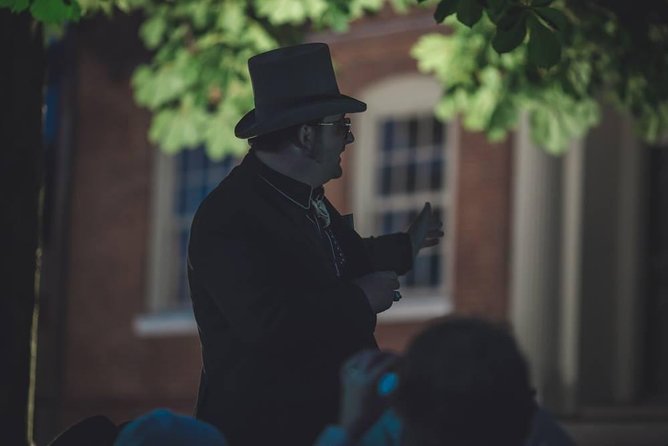
The Old Burying Point, dating to 1636, is one of the oldest cemeteries in the United States. It is also the most important historical stop on the route. You see the grave of trial judge John Hathorne and learn about townspeople who lived through the witch-trial crisis.
The cemetery has a strong connection to both Salem’s documented past and its supernatural reputation. Nathaniel Hawthorne spent time here during his life, and the tour discusses the possibility that his presence is still felt after death. Modern magical practitioners also use the site for rituals, adding a present-day layer to this very old burial ground.
I would pay close attention here. Gravestones can be hard to read, and the cemetery deserves more than a quick spooky photograph. The guide’s explanation helps you understand the people behind the names and the legal figures who shaped the trials.
The Peabody Essex Museum is a short exterior stop, and museum admission is not included. The guide points out the institution’s darker artifacts and secrets, but you should not expect a full museum visit during this walking tour. If you plan to explore the museum separately, this stop can help you decide to return for a longer look.
Stop 13: Ghost photographs at Axelrod Walkway Park
The final stop at Axelrod Walkway Park focuses on photographs gathered during paranormal investigations. This gives the tour a clear ending: after hearing about haunted places, you examine the visual evidence that ghost hunters use to support their claims.
A good guide should also explain the limits of such images. Light reflections, dust, lens flare, and camera movement can create odd shapes. The tour’s appeal comes from hearing about the methods used to assess these effects, not from being promised proof of the afterlife.
You then return to the original meeting point. That simple finish is useful if you have left bags, arranged transportation, or want to continue walking through Salem’s center.
Guide style and the strongest part of the experience
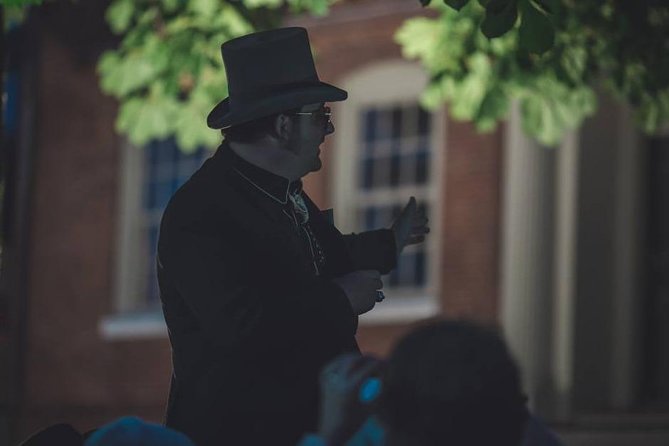
The guide makes or breaks any walking tour, and this one receives unusually strong praise for presentation. Dr. Vitka is repeatedly described as passionate and informed. Mike is praised for humor, clear explanations, historical detail, and careful attention to the needs of the group. Vin receives similar praise for storytelling and for sharing actual photographs and personal investigation experiences.
The best guide comments also point to good crowd control. One guide kept the group together through heavy foot traffic and passing cars. Another was praised for making sure everyone could hear and take part. That matters in Salem, especially during October and Halloween season when the sidewalks can be crowded.
The tone also appears respectful. One particularly useful detail is that a guide gave extra attention to a participant’s ancestor who had been accused during the witch trials. That kind of response shows care without turning a personal family connection into a show.
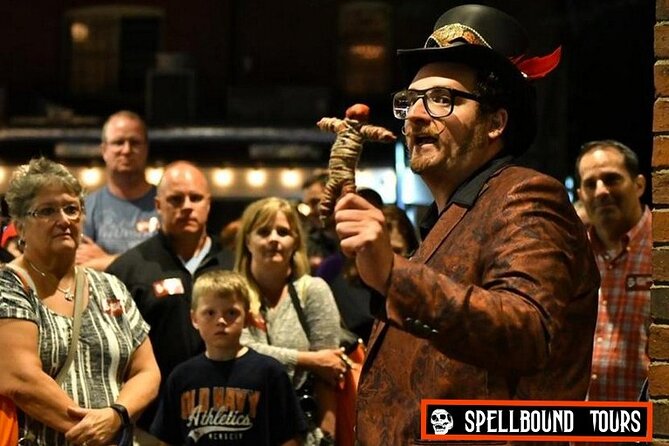
Expect some dramatic delivery. The subject calls for suspense, and guides use pauses, gore, and theatrical storytelling to hold attention. The difference is that the presentation is described as informed rather than dependent on costumes or cheap tricks.
Value, timing, and who should book
No tour price is provided here, so I cannot judge the exact cost against competing Salem walks. In value terms, the experience includes a 90-minute guided route, historical interpretation, paranormal photographs, and access to sites that cost nothing to enter. The Peabody Essex Museum is the only listed stop with an admission charge, and that ticket is not included.
The tour makes the most sense if you want several themes in one outing: witch trials, voodoo, vampires, ghosts, crime, film locations, and local oddities. You get more range than on a tour focused only on the 1692 events.
I would recommend it for adults, couples, friends, solo visitors, and families with older children who can handle grim material. It is especially well suited to anyone interested in paranormal investigation, since you can ask questions about photographs and research methods.
You may want another tour instead if you prefer a quiet scholarly walk with little gore, or if you want to spend long periods inside historic buildings. Most stops are outdoors, several are brief, and the tour is built around storytelling rather than entry to attractions.
The free cancellation policy allows a full refund if you cancel at least 24 hours before the start time. Changes or cancellations within 24 hours are not accepted for a refund. Service animals are allowed, and well-behaved pets are welcome. Most people can take part, but remember that this is still a 90-minute outdoor walk.
Should you book the Salem Voodoo, Vampires, and Ghosts Tour?
Book it if you want Salem’s dark side explained by a guide who can move between fact, folklore, and paranormal claims without treating them all as the same thing. The strongest reasons are the attention to Tituba and Giles Corey, the Old Burying Point visit, the vampire section, and the practical look at ghost photographs.
I would choose an evening departure for the best mood, then keep an open mind and a sensible eye. You may not photograph an apparition, but you will leave with a clearer understanding of why Salem became New England’s horror capital.
FAQ
How long does the Salem Voodoo, Vampires, and Ghosts tour last?
The walking tour lasts approximately one hour and 30 minutes.
Where does the tour begin?
It begins at the Revere Bell in front of the Salem Visitor Center, at 2 New Liberty Street in Salem, Massachusetts.
Where does the tour end?
The activity ends back at the meeting point.
Is the tour offered in English?
Yes. An English-speaking guide is included.
Is the tour available during the day?
Daily evening tours are available, and afternoon departures are offered on weekends.
Does the tour include admission to the Peabody Essex Museum?
No. Admission to the Peabody Essex Museum is not included.
What subjects are covered during the tour?
The tour covers the Salem Witch Trials, voodoo, Tituba, vampires, ghosts, paranormal investigation, historic crimes, Harry Houdini, and the Hocus Pocus filming location at Old Town Hall.
Can I have my own photographs examined?
Yes. The tour includes help examining personal photographs for possible signs of paranormal activity.
What is the maximum group size?
The tour can have a maximum of 40 travelers.
Is cancellation available?
Yes. You can cancel for a full refund if you cancel at least 24 hours before the experience starts. Cancellations or changes made less than 24 hours before the start time are not accepted for a refund.
Just added in the USA
- Monterey Bay Whale Watching★ 4.5 · 316 reviews
- Monterey Whale Watching Tour★ 4.5 · 732 reviews
- 17-Mile Drive Electric Bike Guided Tour★ 5.0 · 401 reviews
- Whale Watching Tour★ 4.5 · 497 reviews
- Elkhorn Slough Wildlife Tour★ 5.0 · 424 reviews
- Carmel Small Group Walking Food & Cultural Tour★ 5.0 · 392 reviews
- U-Drive Hells Revenge 4×4 Tour- 2.5 HR TOUR★ 5.0 · 334 reviews
- The Best U-Drive Hell’s Revenge 4×4 Off Roading Tour from Moab★ 5.0 · 909 reviews
Ghost Tours, compared.
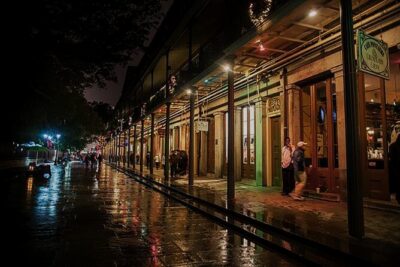
New Orleans Premier Ghost, Voodoo and Vampire Walking Tour
Read our review →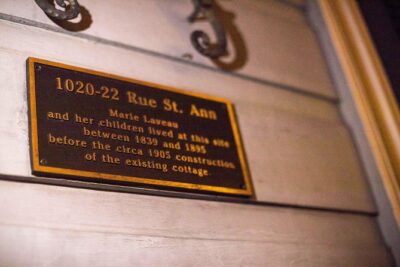
Adults-Only New Orleans Ghost, Crime, Voodoo, and Vampire Tour
Read our review →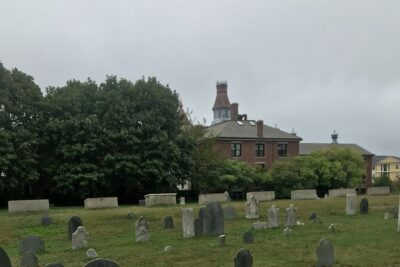
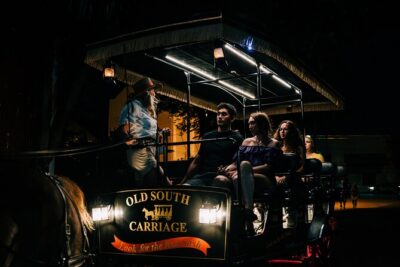
Haunted Evening Horse and Carriage Tour of Charleston
Read our review →
New Orleans Adults-Only Ghost, Voodoo and Vampire Tour
Read our review →
Savannah History and Haunts Candlelit Ghost Walking Tour
Read our review →
New Orleans French Quarter, Voodoo and Culture Walking Tour
Read our review →
New Orleans Haunted Ghost, Voodoo & Vampire Walking Tour
Read our review →Browse the lists this tour appears in