
Reviewed · WALKING TOURS
SoHo, Little Italy, and Chinatown 2-Hour Guided Walk
New York’s past is hiding under your feet. This $39 walking tour links three very different neighborhoods in two hours, pairing SoHo’s cast-iron architecture with the immigrant stories, food traditions, and crime tales of Little Italy and Chinatown. I like the clear three-part structure, and I like that the walk ends in Columbus Park, giving you a useful place to continue exploring.
The guides are the real strength. Names such as Angela, Steve, George, Felipe, Alex, and Ari appear again and again in glowing feedback for their humor, local knowledge, patience, and energy. The main drawback is the pace: two hours is enough for an entertaining introduction, but not enough for long visits inside attractions or a detailed food tour. You also need comfortable shoes, and the experience is not suitable for people with mobility impairments.
In This Review
- Key points to know before you book
- Why these three neighborhoods work together
- SoHo: cast iron, fashion, and the Manhattan Well Murder
- Little Italy: organized crime, old churches, and food traditions
- Chinatown: gang history, Doyers Street, and Columbus Park
- The guides make or break the walk
- Is $39 good value for two hours?
- Who should book this walk?
- My verdict: book it for context, not a complete neighborhood tour
- FAQ
- How long is the SoHo, Little Italy, and Chinatown walk?
- How much does the tour cost?
- What language is the tour conducted in?
- Where does the tour begin?
- Where does the tour end?
- Is food included in the tour price?
- What should I bring, and is the walk suitable for everyone?
Key points to know before you book
- Three neighborhoods in 120 minutes: You move from SoHo to Little Italy to Chinatown, with about 40 minutes devoted to each area.
- Cast iron and celebrity lore: SoHo brings handsome 19th-century buildings, the first safety elevator, luxury real estate, and celebrity connections.
- Crime stories with a New York edge: The walk covers the Manhattan Well Murder, John Gotti’s Ravenite Club, the Joe Gallo hit, Chinese gang violence, and Doyers Street’s Bloody Angle.
- Food advice, not a paid meal: You may hear tips about pizza, cannoli, cheese, and other local foods, but food costs are not included.
- A strong guide-led experience: Angela, Steve, George, Felipe, Alex, and Ari have been praised for making serious history funny, clear, and easy to follow.
- A practical finish: The route ends at Columbus Park, near Chinatown’s famous Doyers Street and other downtown sights.
Why these three neighborhoods work together
SoHo, Little Italy, and Chinatown sit close together, yet each tells a different New York story. That contrast is the point of the walk. You see how streets and buildings changed as new communities arrived, businesses shifted, and old reputations gave way to new ones.
Without a guide, you could easily stroll through SoHo, admire the iron facades, take a few photos, and keep going. You might eat in Little Italy, pass through Chinatown, and never notice the layers underneath. A good guide turns ordinary doorways, corners, and apartment buildings into clues.
The route also has a useful balance. You get architecture in SoHo, immigration and organized crime in Little Italy, then Chinatown’s food culture, gang history, and religious traditions. The stories are not all cheerful, but that is part of the appeal. New York grew through hard work, discrimination, ambition, conflict, and constant change.
The tour is conducted in English, with a live guide. Most of the value comes from listening while walking, so this suits you if you prefer stories and conversation over museum displays. It is less suitable if you want lots of free time for shopping, photography, or eating.
More Walking Tours in New York City
- SoHo, Little Italy, and Chinatown Walking Tour in New York
★ 5.0 · 3,153 reviews - Secrets of Grand Central Station Walking Tour New York City
★ 5.0 · 1,796 reviews - Greenwich Village Walking and Food Tasting Tour
★ 5.0 · 1,572 reviews
SoHo: cast iron, fashion, and the Manhattan Well Murder
The walk begins around Spring Street Park, though the exact meeting point can vary by booking option. From there, the SoHo portion lasts about 40 minutes.
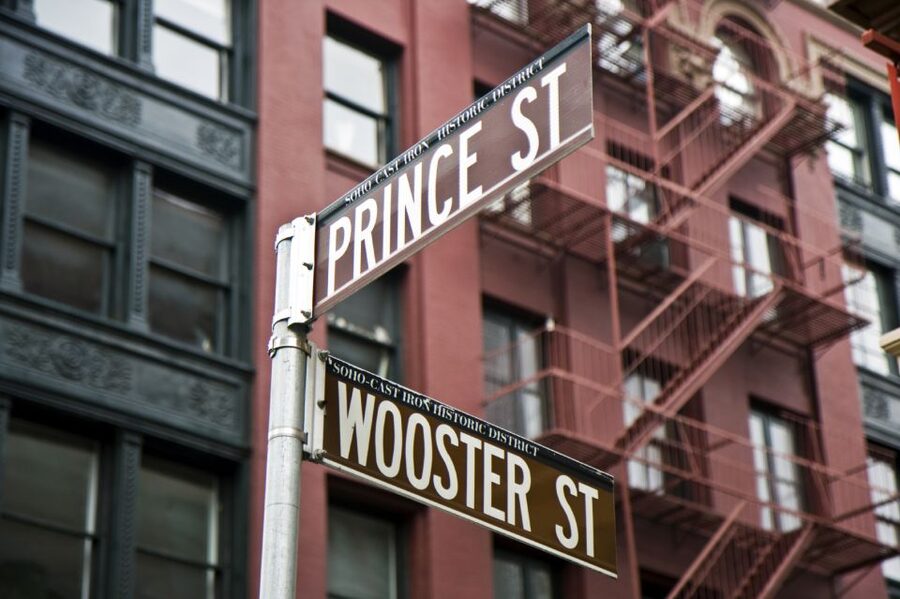
SoHo is best known for its cast-iron buildings. Their decorative fronts look like stone, but many were made from cast iron, a material that allowed builders to create repeated columns, arches, and elaborate details at lower cost. The result is one of downtown Manhattan’s most recognizable streetscapes.
Your guide may point out Spring Street, Greene Street, and the corner of Greene and Spring streets. This was the site of the Manhattan Well Murder, described as the first recorded murder case in New York City. It is a wonderfully odd beginning to the tour because it shows how much drama can be packed into a seemingly ordinary city block.
Another major stop is the E.V. Haughwout Building. It is associated with the first safety elevator, an invention that changed the future of tall buildings. That small piece of technology helped make upper floors practical, which in turn shaped the development of New York’s commercial and residential architecture.
You may also pass 421 Broome Street, linked to Heath Ledger’s death in Mary-Kate Olsen’s apartment. This is a sensitive part of the route, but it fits the tour’s broader interest in how famous events become attached to specific addresses.
SoHo’s present-day image is very different from its industrial past. Today, it is associated with fashion, expensive apartments, shops, art, and celebrity sightings. The cast-iron buildings are the main attraction, but the guide helps you see that the neighborhood was not always polished or fashionable.
A practical tip: look up as you walk. The best details are above street level, where iron columns, cornices, and old commercial architecture are easy to miss if you focus only on shop windows. You will also want to keep the group moving, since SoHo streets can be crowded and stops may happen near active sidewalks.
Little Italy: organized crime, old churches, and food traditions
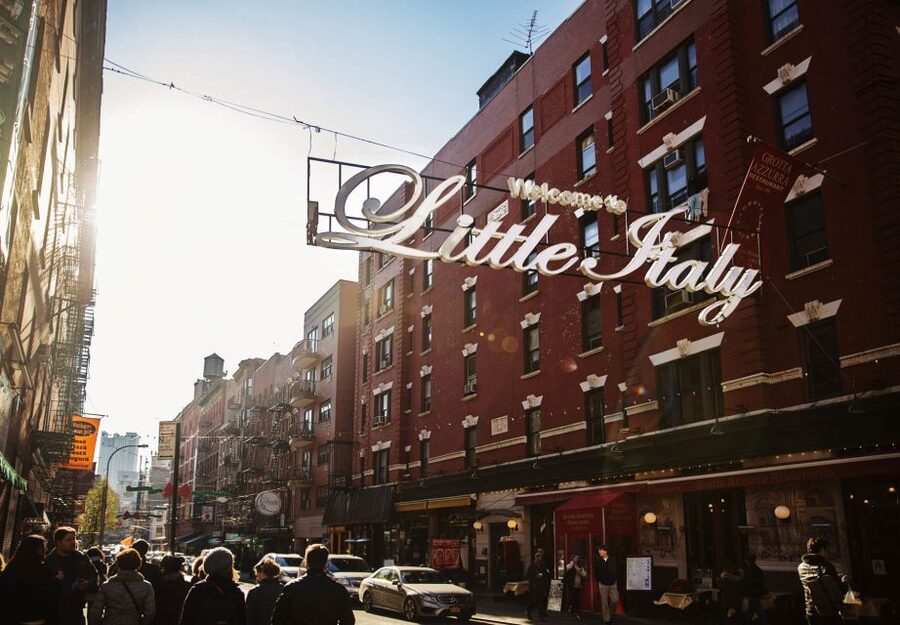
The second 40-minute section moves into Little Italy. Here, the focus turns toward Italian immigration, family businesses, religious customs, and the darker side of neighborhood history.
The Old Police Station is one of the more striking buildings on the route. This 1909 Beaux-Arts structure now serves as a residence, a reminder that downtown New York keeps changing its purpose without always changing its exterior. A building that once represented law enforcement now belongs to the city’s residential world.
The Ravenite Club brings the story of John Gotti and the Mafia into sharper view. The building became associated with Gotti’s public image and organized crime in New York. A guide can explain why places like this mattered, not just as locations, but as symbols of power, surveillance, and neighborhood reputation.
Old Saint Patrick’s offers a different kind of story. Churches in this part of Manhattan were central to immigrant life, giving communities a place for worship, social ties, and cultural continuity. The tour also includes the National Shrine Church of San Gennaro, where you hear about the liquefaction of the saint’s blood, a religious tradition that has long drawn attention and devotion.
Mulberry Street is the heart of Little Italy for many visitors. It is also where you are most likely to get food suggestions. The route includes Alleva Dairy, associated with a century of cheese-making, and Umberto’s, the site of the mob hit on Joe Gallo. Those two stops show the neighborhood’s split personality: long-running food traditions on one side, violent criminal history on the other.
The Italian American Museum is tied to the Triangle Shirtwaist Factory fire, one of the most important labor tragedies in New York history. The fire killed garment workers and helped push changes in workplace safety and labor law. This is one of the tour’s most valuable historical connections because it moves beyond colorful neighborhood anecdotes and shows how local events affected the wider city.
Food is part of the experience, but be clear about what that means. You may receive recommendations for pizza, cannoli, cheese, and other Italian specialties, and some tours include an opportunity to stop for a bite. However, food purchases are not included in the $39 price. Bring extra money if you want to taste something, and do not treat this as a full meal.
The Little Italy section may also include a break, giving you a moment to explore or buy food before continuing to Chinatown. That pause can be useful, especially if you are walking with children or need a quick rest. It also means the tour does not feel like two straight hours of hurried narration.
Chinatown: gang history, Doyers Street, and Columbus Park
The final 40 minutes take you into Chinatown, ending at Columbus Park. This section brings some of the strongest visual and story contrasts of the walk.
The route includes an old opium den, a reminder of the neighborhood’s complicated early associations and the stereotypes often attached to Chinese communities. Your guide’s framing matters here. The best interpretation should connect these stories to immigration, exclusion, survival, and the pressures faced by newcomers, rather than treating the past as a collection of lurid crime tales.
Doyers Street is known as the Bloody Angle. Its sharp bend made it difficult for people to see what was ahead, and the street became associated with Chinese gang violence. The story is dramatic, but the location also helps you understand how the physical shape of a city street can influence its reputation.
From there, the walk continues toward Columbus Park, famous to many people through the film Gangs of New York. The park is a useful endpoint because it gives you a place to pause after the tour and continue looking around Chinatown on your own.
Chinatown can be confusing on a first visit. Streets change character quickly, businesses are packed closely together, and it is easy to walk past a significant building without realizing it. A guide gives you a framework for understanding how the neighborhood developed and points out details you might otherwise miss.
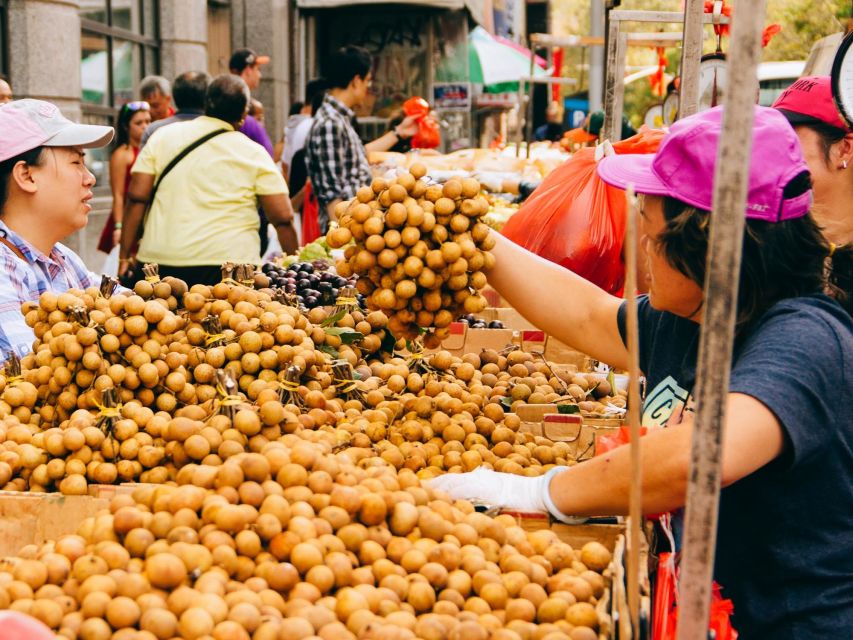
Food advice is another benefit here. You may leave with suggestions for places to eat or dishes to try, though the tour does not promise a set tasting menu. If you want lunch afterward, finishing near Columbus Park puts you in a convenient area for continuing your own food search.
A different kind of day out entirely:
- NYC: SUMMIT One Vanderbilt Tickets
★ 4.7 · 51,195 reviews - NYC: 9/11 Memorial & Museum Timed-Entry Ticket
★ 4.8 · 31,428 reviews - NYC: Empire State Building Tickets – Observatory & Museum
★ 4.7 · 25,757 reviews - NYC: Empire State Building Observation Deck Tickets
★ 4.7 · 22,072 reviews
The guides make or break the walk
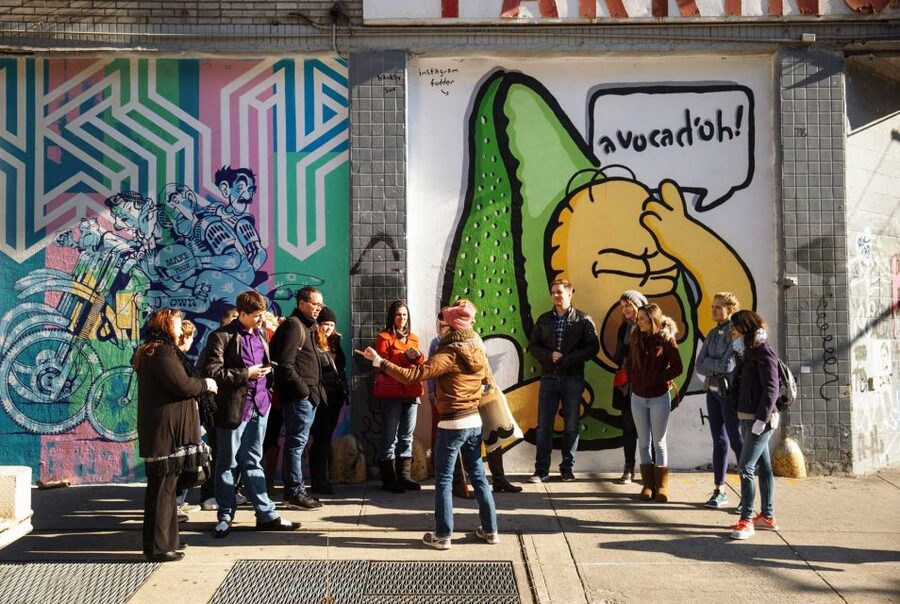
The most consistent praise goes to the guides, and that makes sense. This is not a tour where a printed script alone can carry the experience. The route covers murder, immigration, religion, architecture, celebrity deaths, Mafia history, and food, so the guide must shift tone without losing the group.
Angela is often described as funny, energetic, and well prepared. Steve brings local knowledge and personal stories, and one particularly memorable account describes him as someone who has lived in the area for decades. George is praised for answering questions and keeping a friendly tone, while Felipe is noted for mixing serious history with amusing details and practical food advice.
Alex, Ari, Jacob, Joseph, Peter, and others also receive strong praise for clear delivery and good group management. One guide adjusted the route to find shade on a hot day, while another made a point of engaging both adults and children during a private family outing.
That range matters because guide quality can vary on any walking tour. The overall pattern here is encouraging, but you should still understand that your exact experience depends on who leads your departure. The best guides bring the neighborhoods to life through timing, humor, and personal connection. A less dynamic guide could make the same streets feel like a list of addresses.
Is $39 good value for two hours?
At $39 per person, this is a fair price for a guided introduction to three major downtown neighborhoods. You are paying for local interpretation, route planning, historical context, and the chance to ask questions while you walk. You are not paying for admission tickets, a meal, or a long stop inside a museum.
I see the greatest value if you are new to New York or short on time. Two hours gives you a useful overview and helps you decide where to return later. If you already know SoHo, Little Italy, and Chinatown well, the price may feel less attractive unless you especially enjoy crime stories, architecture, or local guide commentary.
The tour can also save you from spending half a day wandering without a plan. You cover three districts in a logical sequence, then finish at Columbus Park, where you can keep exploring. That makes it a good first or second-day activity, when you are still learning the shape of lower Manhattan.
Food costs are extra, so budget for that separately. The walk may point you toward good choices, but it is not a substitute for a dedicated food tour.
Who should book this walk?
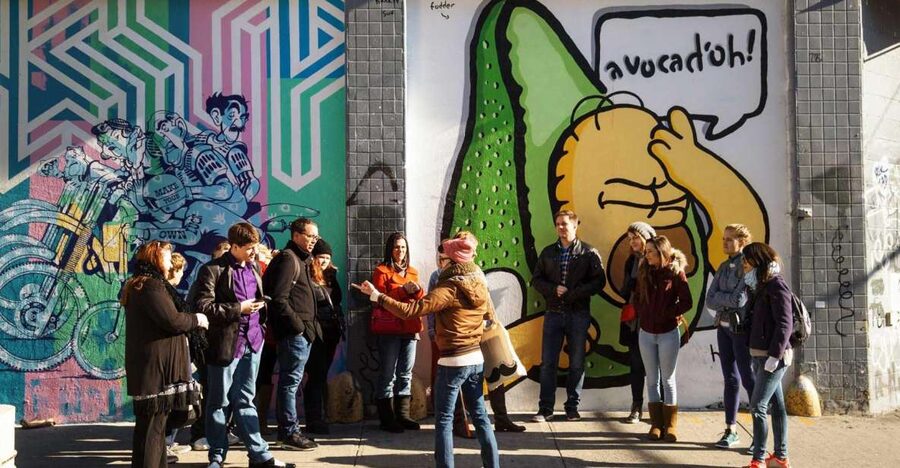
I would recommend it to first-time New York visitors, curious walkers, couples, families with older children, and anyone who likes city stories more than formal museum visits. It is especially useful if you want a fast orientation to downtown before exploring the neighborhoods on your own.
You should also consider it if you enjoy a mix of subjects. The tour moves from architecture to crime, religion, immigration, labor history, celebrity culture, and food. That variety keeps the two hours moving.
It may not suit you if you have limited walking ability, dislike urban sidewalks, or want a quiet sightseeing experience. The subject matter includes murder, gang violence, Mafia activity, and a death connected to a celebrity apartment. Those stories are presented as part of the city’s past, but they may not appeal to everyone.
Wear comfortable shoes and dress for the weather. The walk is outdoors, and the pace depends partly on the group and the conditions. Cancellation is free up to 24 hours before the start, and you can reserve now and pay later, which helps if your New York schedule is still shifting.
My verdict: book it for context, not a complete neighborhood tour
Book this tour if you want a lively, story-driven introduction to SoHo, Little Italy, and Chinatown. At $39, it offers solid value, especially when the guide is as engaging as Angela, Steve, George, Felipe, Alex, or Ari.
Do not book it expecting a long meal, detailed museum visits, or hours of independent shopping. Think of it as a well-paced orientation with memorable stops, useful food suggestions, and enough context to make the streets mean more after you leave.
FAQ
How long is the SoHo, Little Italy, and Chinatown walk?
The tour lasts two hours. The itinerary allows about 40 minutes each for SoHo, Little Italy, and Chinatown.
How much does the tour cost?
The listed price is $39 per person.
What language is the tour conducted in?
The tour is conducted in English with a live English-speaking guide.
Where does the tour begin?
The starting point is in the Spring Street Park area, but the meeting point may vary depending on the option you book. Check your booking details before setting out.
Where does the tour end?
The walk ends at Columbus Park in Chinatown.
Is food included in the tour price?
No. Food costs are not included. The guide may offer food suggestions or allow time for a snack, but you pay separately for anything you buy.
What should I bring, and is the walk suitable for everyone?
Bring comfortable shoes and weather-appropriate clothing. The experience is not suitable for people with mobility impairments.
Just added in New York City
- All Inclusive Airport Arrival Transfer to NYC/ Brooklyn/Queens★ 4.0 · 849 reviews
- All Inclusive Airport Departure Transfer NYC/ Brooklyn/Queens★ 4.0 · 342 reviews
- The Escape Game Brooklyn: Epic 60-Minute Adventures in City Point★ 5.0 · 332 reviews
- Brooklyn Food Walking Tour: Local Eats & Family‑Run Shops★ 5.0 · 592 reviews
- Brooklyn Bridge & DUMBO Food Tour: Local Eats & Landmarks★ 5.0 · 478 reviews
- Harlem: Central Harlem Sunday Gospel with Locals★ 3.9 · 499 reviews
- West Harlem: Gospel Church Service and Sunday Walking Tour★ 4.3 · 411 reviews
- Manhattan: Statue and Skyline Cruise Aboard a Luxury Yacht★ 4.8 · 540 reviews
Walking Tours, compared.
History and Hauntings of Salem Guided Walking Tour
Read our review →
New Orleans Premier Ghost, Voodoo and Vampire Walking Tour
Read our review →
Freedom Trail History Small Group Walking Tour
Read our review →
Historic Charleston Guided Sightseeing Walking Tour
Read our review →
New Orleans Food Walking Tour of the French Quarter with Small-Group Option
Read our review →
Cambridge: Harvard University Student-Guided Walking Tour
Read our review →Browse the lists this tour appears in