
Reviewed · WHALE WATCHING
Whale Watching Maui: 2-Hour Small Group Raft Tour from Lahaina
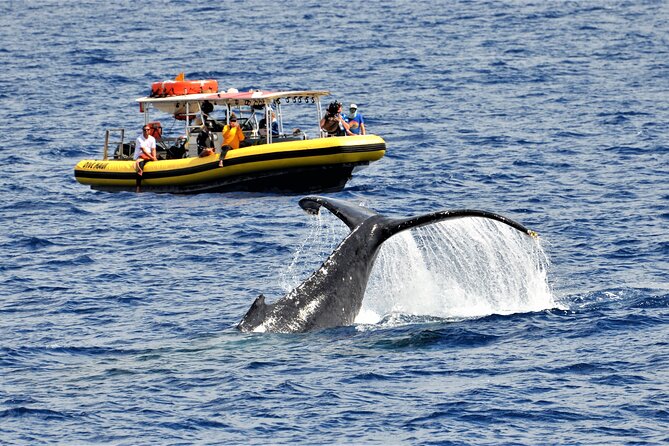
Whales make Maui mornings worth waking for. This two-hour trip heads from Lahaina into the Maui Nui whale sanctuary, where humpback whales gather to mate and raise calves. I like the small inflatable raft, which gives you open 360-degree views, and the hydrophone, which lets you hear whale song below the boat. A possible drawback is that rough weather can cancel the trip, and whale activity can never be fully controlled.
I also like the personal touch from the crew. Captains such as Will and Joe, along with naturalists including Renee and Brian, have earned praise for explaining whale behavior and answering questions. The raft holds no more than 20 people, though some departures have had as few as eight. If you want a quiet, guaranteed wildlife performance, this may test your patience: whales are wild animals, not scheduled entertainers.
In This Review
- Key points at a glance
- Leaving Lahaina for the Maui Nui sanctuary
- Why the small raft changes the view
- The two-hour search for blows, tails, and breaches
- Hearing humpback songs beneath the raft
- Guides who make the difference
- Is $80.60 a fair price?
- Weather, comfort, and who should book
- Booking and cancellation details worth knowing
- Should you book this Lahaina whale tour?
- FAQ
- Where does the whale-watching tour begin?
- Where does the activity end?
- How long is the whale-watching trip?
- How many people can join the tour?
- Is whale watching guaranteed?
- What happens if bad weather cancels the trip?
- What is included in the tour?
- Can I bring alcohol?
- Are young children and pregnant people allowed?
Key points at a glance
- A low raft with 360-degree views: Every seat offers a clear view of the water, with less crowding than a large boat.
- A hydrophone brings the whales closer: You can listen to humpback songs through onboard speakers.
- Two hours is a useful length: It gives you enough time to search, watch, and move between whale groups without taking over your whole day.
- The crew adds real value: Will, Joe, Renee, Brian, and other naturalists are praised for clear explanations and warm service.
- Whale sightings are guaranteed: If the trip does not find whales, you can take another trip free.
- Weather can change the plan: High wind and waves may lead to a rescheduled tour or a full refund.
Leaving Lahaina for the Maui Nui sanctuary
You meet at Dive Maui and Hawaiian Rafting Adventures at 1223 Front Street in Lahaina. The activity ends at the same place, so you do not need to arrange a second pickup point or find your way back from another harbor.
The tour heads toward the Maui Nui whale sanctuary, the protected waters between Maui and nearby islands where humpback whales spend the winter. These whales migrate to warm Hawaiian waters to mate and give birth. That seasonal pattern is what makes Maui such a strong place for whale watching, but it also means timing matters. This experience is specifically built around the winter migration season.
The trip lasts about two hours. That is long enough to get beyond the harbor, scan for blows and splashes, and spend time watching several groups if conditions are good. It is also short enough to fit beside a beach day, a meal in Lahaina, or another activity.
You should expect a hands-on search rather than a fixed route with named stops. The captain moves toward whale activity, then repositions as animals surface or groups become active. On some trips, that has meant watching mothers with calves, escort males competing for access to a female, and young whales practicing breaches.
More Whale Watching Trips in Maui
- Maui Eco-Raft Tour: Eye-Level Whale or Dolphin Watching – Lahaina
★ 5.0 · 2,482 reviews - From Maalaea: Whale Watching Tour Aboard the Quicksilver
★ 4.5 · 1,461 reviews - Maui: Ultimate Whale Watch from Lahaina
★ 5.0 · 1,162 reviews
Why the small raft changes the view
The boat is the main reason to choose this trip over a standard large-vessel cruise. A small raft sits close to the water and gives you an unobstructed view in almost every direction. You are not looking over several rows of passengers or waiting for a large boat to turn before you can see a breach.
The maximum group size is 20 people, but the number aboard may be much lower. One departure had only eight passengers, which made the boat feel especially open and personal. That smaller setting also makes it easier to ask the captain or naturalist a question without trying to get attention across a crowded deck.
I like the raft for photographers and first-time whale watchers who want to scan the whole horizon. A whale might surface to your left, then another might blow behind you. With 360-degree viewing, you can keep watch without being tied to one side of the vessel.
There is an important limit, though. Small does not mean you can approach whales as closely as you wish. Hawaiian whale-watching boats must follow the same protection rules, regardless of size. The captain may position the raft well and move quickly between sightings, but the whales decide how close they come.
One particularly memorable possibility is a whale swimming near or beneath the raft. That has happened on some trips, but it is not something the crew can promise. The smaller vessel may give you a better sense of the animal’s scale when it surfaces nearby, yet no responsible operator should suggest that every trip will produce a close pass.
The two-hour search for blows, tails, and breaches
Once you reach the whale grounds, the trip becomes a shared hunt. You scan for the puff of a blow, a fluking tail, a rolling back, or the sudden white splash of a breach. The captain uses reports and visible activity to choose where to go next.
The most rewarding encounters often involve more than one whale. A mother and calf may travel together, with an escort male nearby. The calf might slap its tail, roll, or make an early attempt at breaching while the adults remain close. Several passengers described seeing these family groups, along with males competing for a female.
This is where the crew’s skill matters. Captain Will has been praised for moving the raft into a good viewing position without getting in the whales’ way. Captain Joe has also received strong praise for placing the boat well and taking time to let the animals surface. The naturalists help you understand what you are seeing instead of leaving you to guess whether that distant splash was a whale or a wave.
The pace can change. You might spend several minutes watching a calm group, then suddenly find yourself following a series of active surfaces. The two hours can pass quickly when several whales are visible, but a quieter day may feel slower. The free repeat-trip promise helps soften that risk, provided you have enough time in Maui to return.
The advertised guarantee is simple: see whales or take another trip free. Ask about the practical details at check-in if your schedule is tight, since a second outing requires another available departure and another block of time.
Hearing humpback songs beneath the raft
The hydrophone is one of the tour’s best features. The crew lowers it into the water and sends the sound through onboard speakers, allowing you to hear whale song while looking out across the sanctuary.
Seeing a whale gives you a strong visual memory. Hearing one adds another layer. The song may continue even when the whale is below the surface, so the experience does not end when the animal disappears from view. It also helps explain why the crew spends time discussing the whales’ behavior and movements.
Renee has been singled out for her enthusiasm and whale information, and Brian has been praised for answering questions and sharing facts about the animals and the area. The value here is not only entertainment. A naturalist can help you notice the difference between a mother and calf pair, an escort male, a tail slap, and a breach attempt.
The hydrophone will not turn every outing into a concert. Sound quality depends on conditions and what the whales are doing. Still, it is an unusual feature for a short whale trip and one of the clearest reasons this feels like more than a quick boat ride.
A different kind of day out entirely:
- Maui Pineapple Farm Tour in Haliimaile
★ 5.0 · 2,855 reviews - Maui Snorkeling Adventure to Molokini and Turtle Town
★ 4.5 · 2,221 reviews - Maui: Haleakala Sunrise Spectacular with Local Breakfast
★ 4.5 · 2,155 reviews - Maui Snorkeling Adventure From Ma’alaea Harbor to Molokini
★ 4.5 · 1,997 reviews
Guides who make the difference
The crew receives some of the strongest praise attached to this experience. Will, Joe, Renee, and Brian are repeatedly described as friendly, enthusiastic, and ready to answer questions. That matters on a wildlife tour because the captain and naturalist shape the whole mood.
A good captain must balance several tasks: safe boat handling, respect for wildlife rules, and positioning the raft where you have a fair chance to see the action. A good naturalist keeps you informed without talking over the experience. Based on the information provided, this crew often does both well.
The best reports describe mothers with calves, escort males, young whales breaching, and more than a dozen whales in view. Some passengers returned for a second trip two days later because the first outing was so satisfying. That is strong evidence that the educational side is not an afterthought.
Still, the crew cannot produce whales on demand. One critical account found the trip no better than a larger boat and felt the added price was not justified. That criticism is worth taking seriously. Small boats improve sight lines and group size, but they do not guarantee closer animals or more dramatic behavior.
Is $80.60 a fair price?
At $80.60 per person, this is not the cheapest way to look for Maui whales. A large commercial boat may cost less, and one dissatisfied passenger specifically felt a standard trip offered similar viewing for $30 to $40 less.
The price makes more sense if you value the raft itself. You are paying for a maximum group of 20, a low position on the water, broad sight lines, a naturalist, filtered water, reef-safe sunscreen, and a hydrophone with speakers. Bottled water is also listed among the trip features, while the included refreshments are described as filtered water served in paper cups to reduce plastic waste.
I would choose this tour if you care about personal space, direct access to the crew, and the chance to hear whale song. I would choose a less expensive large boat if your only goal is to see a whale and you are comfortable with a bigger crowd.
The price is also easier to justify when the whale activity is strong. Seeing mothers, calves, and escort males, then hearing songs beneath the boat, can make the extra cost feel worthwhile. On a quiet day, the difference may feel smaller.
Weather, comfort, and who should book
The tour requires good weather. High winds and waves have caused cancellations, and the operator has rescheduled affected passengers or offered a full refund. That safety-first approach is welcome, even if it creates a disappointing change to your plans.
I would not book this as the final fixed activity of a short Maui visit. Give yourself some schedule flexibility, especially during changeable weather. If the operator contacts you about a new time, prompt communication has been reported, which helps with rearranging your day.
Rain ponchos are provided on rainy days. Filtered water and paper cups are included, and reef-safe sunscreen is available. Alcohol is not included, but you may bring your own if it is not in a glass container.
This trip suits:
- Families with children age three and older
- Couples wanting a smaller, quieter boat
- Friends who prefer an active search to a large cruise
- Repeat whale watchers who want the hydrophone and naturalist commentary
- Anyone interested in mother and calf behavior, escort males, and whale song
It does not suit children under three or pregnant people. Service animals are allowed, and most people can participate, but the information provided does not promise that the raft will feel comfortable for every passenger. If you are unsure about the motion of a small boat, ask the operator before booking.
Booking and cancellation details worth knowing
The experience is offered in English, provides a mobile ticket, and confirms your booking at the time of purchase. It is booked, on average, 26 days ahead, so I would reserve early if your Maui dates fall during the busy winter whale season.
You can cancel for a full refund up to 24 hours before the start time. Cancellations or changes made inside 24 hours are not refunded or accepted. If poor weather cancels the outing, you receive the choice of another date or a full refund.
That policy makes travel insurance or schedule planning less important for weather than for many other activities, since a weather cancellation comes with a refund option. It does not protect you from changing your mind at the last minute, so watch the cutoff closely.
Should you book this Lahaina whale tour?
I would book it if you want a small raft, open views, a strong crew, and the chance to hear humpback songs. The best reports describe excellent sightings, including calves, escorts, breaches, and whales passing close to or beneath the boat. Renee, Brian, Will, and Joe add real value with clear explanations and a friendly manner.
I would skip it if the higher price only makes sense to you when the whales come very close. The small raft follows the same wildlife-distance rules as larger boats, and a quiet outing can happen despite the crew’s efforts.
For the best odds of a memorable trip, keep a spare half-day in your schedule and book during the winter migration season. If you want a more personal whale search rather than the lowest possible fare, this $80.60 tour is a sensible choice.
FAQ
Where does the whale-watching tour begin?
It begins at Dive Maui and Hawaiian Rafting Adventures, 1223 Front Street, Lahaina, Hawaii 96761.
Where does the activity end?
The tour ends back at the same meeting point in Lahaina.
How long is the whale-watching trip?
The trip lasts approximately two hours.
How many people can join the tour?
The maximum group size is 20 people. Some departures may be smaller, with one reported trip carrying only eight passengers.
Is whale watching guaranteed?
Yes. If you do not see whales, you can take another trip free.
What happens if bad weather cancels the trip?
You can be offered a different date or receive a full refund.
What is included in the tour?
The experience includes filtered water with paper cups, a hydrophone and speakers for listening to whale song, a marine naturalist, and reef-safe sunscreen. Rain ponchos are provided on rainy days.
Can I bring alcohol?
Alcohol is not included. You may bring your own, but glass containers are not allowed.
Are young children and pregnant people allowed?
Children under three and pregnant people are not allowed on the tour. Service animals are allowed, and most people can participate.
Just added in Maui
- Maui: Whale Watching Cruise with Open Bar from Ka’anapali Beach★ 5.0 · 802 reviews
- Maui Premium Sunset Dinner Cruise & Whale Watch★ 4.5 · 504 reviews
- Whale Watching from Ma’alaea Harbor★ 5.0 · 537 reviews
- West Maui Half Day Snorkel from Ka’anapali Beach★ 5.0 · 1,253 reviews
- West Maui and Molokai Special 45-Minute Helicopter Tour★ 5.0 · 759 reviews
- Maui Snorkeling Boat Tour to Turtle Town Aboard Quicksilver★ 4.5 · 542 reviews
- Water Bike Tour in South Maui★ 5.0 · 372 reviews
- Turtle Reef Kayak Tour of Makena, Maui★ 4.5 · 328 reviews
Whale Watching, compared.
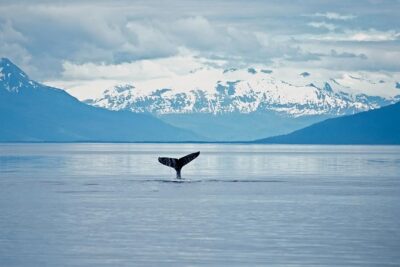
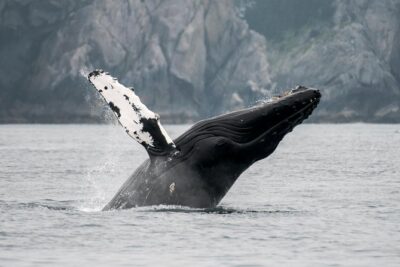
Juneau Wildlife Whale Watching & Mendenhall Glacier
Read our review →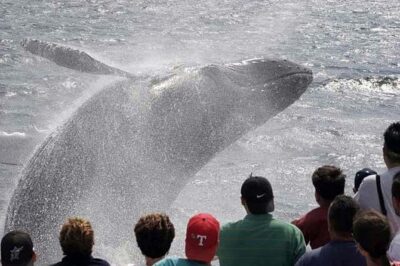
City Cruises Boston Whale Watching Cruise by High-Speed Boat
Read our review →
Whale Watching Trips to Stellwagen Bank Marine Sanctuary. Guaranteed sightings!
Read our review →
2-Hour Oahu Whale Watch from Ala Wai Harbor, Waikiki
Read our review →Browse the lists this tour appears in