
Reviewed · FOOD & DRINK
Chinatown Walking Tour: Food, History & Flavor
Chinatown rewards a closer look. This three-hour walk pairs dim sum, tea, fortune cookies, and local market stops with stories about immigration, survival, and daily life in San Francisco’s oldest Chinatown. I like the small group size, capped at 15, and the way the route uses narrow lanes and ordinary shopping streets rather than only the postcard sights. The main catch is that this is as much a history tour as a food tour, and the balance may not suit you if you want to eat nonstop.
I also like the chance to visit the Golden Gate Fortune Cookie Factory and Vital Tea Leaf, two stops that add a bit of theater and local character. Guides such as Ryan, Andre, Scott, Isabella, Cynthia, and Brian have earned strong praise for their humor and personal knowledge of the neighborhood. Do plan for some hills, and remember that the company cannot accommodate nut allergies.
In This Review
- Key points at a glance
- Starting at Dragon Gate on Grant Avenue
- Back alleys, markets, and everyday Chinatown
- Tasting dim sum, buns, and Chinese pastries
- The Golden Gate Fortune Cookie Factory
- Tea at Vital Tea Leaf
- Why the history is not filler
- What the $86 price really covers
- Who should book this walk?
- Should you book the Chinatown food tour?
- FAQ
- How long does the Chinatown Walking Tour last?
- Where does the tour begin?
- Where does the tour end?
- How large is the tour group?
- What food is included?
- Is the tour suitable for people with nut allergies?
- Can I cancel for a full refund?
Key points at a glance
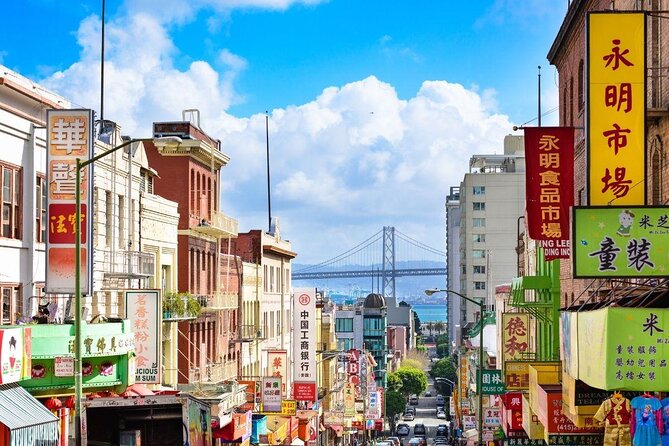
- Start beneath the Dragon Gate: Meet at 400 Grant Avenue, the classic entrance to Chinatown, then continue on foot through streets and alleys.
- Food adds up to lunch: Tastings can include dim sum, BBQ pork buns, Chinese pastries, Peking duck, noodles, tea, and other specialties.
- The tea stop is a highlight: Vital Tea Leaf provides a tasting and an introduction to Chinese tea customs, with a lively presentation.
- A small group keeps the walk personal: The maximum is 15 people, giving you room to ask questions and hear the guide.
- History shapes the meal: You learn how Chinatown formed, changed, and endured, instead of simply hopping between restaurants.
- Expect a little uphill work: The route is manageable for most people, but one or two short climbs can affect the pace.
Starting at Dragon Gate on Grant Avenue
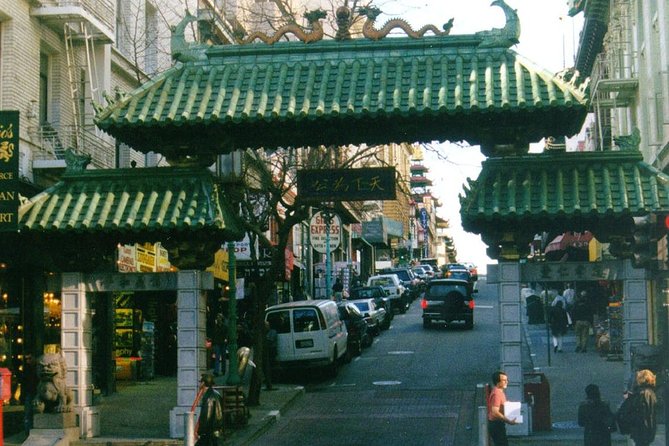
The tour begins at 400 Grant Avenue, near Dragon Gate. This is a practical meeting point because the gate gives you an easy landmark and a clear sense of arrival. You are not starting in an anonymous plaza or outside a hotel lobby. You begin at the symbolic threshold of the neighborhood.
From here, your guide sets the tone. The walk is not just a march toward lunch. You will hear about Chinatown’s Gold Rush beginnings, immigration, community life, and the forces that shaped the neighborhood into a cultural center. The best guides make these subjects easy to follow, using stories and questions instead of turning the morning into a lecture.
Scott has been praised for mixing local history with pop culture and keeping the group involved. Andre is noted for adding personal observations about shopping and eating in Chinatown. Ryan is often described as funny and personable, with a knack for connecting facts to the places around you.
That range matters because the guide can make or break a walking tour. Food tastes better when you know why a street, shop, or restaurant matters. It also helps you feel more comfortable returning to Chinatown on your own later.
More Food Tours in San Francisco:
- North Beach & Little Italy Walking Tour: Food, History & Flavor
★ 5.0 · 1,044 reviews - San Francisco Authentic Food Tour with 5 Locals Favorites Dishes
★ 5.0 · 852 reviews - Little Havana Food and Walking Tour in Miami
★ 5.0 · 8,882 reviews
Back alleys, markets, and everyday Chinatown
One of the tour’s best choices is its use of side streets and narrow passageways. You get a sense of Chinatown as a working neighborhood, not only as a sightseeing district. The route moves between busy streets and quieter corners, with the guide pointing out details that are easy to miss when you walk alone.
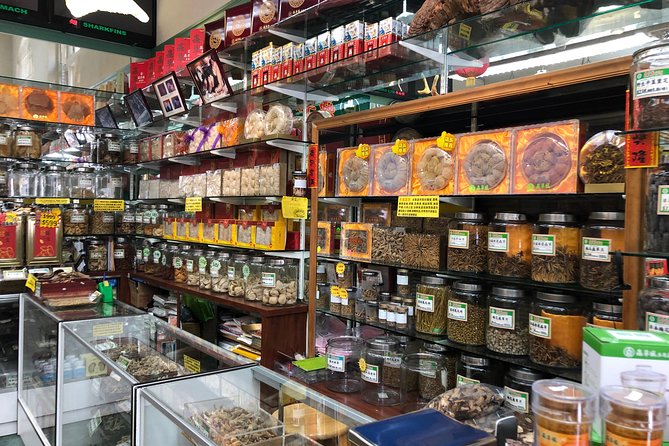
The Stockton Street markets are especially useful for context. These shops serve local residents buying produce, herbs, and specialty foods. You may see ingredients that are unfamiliar, but the point is not simply to inspect unusual products. The market shows how food traditions remain part of ordinary life.
Ryan’s horticulture talk made a strong impression on one recent group, which suggests the tour can go beyond the usual stories about restaurants and immigration. That sort of detail gives the walk a broader feel. You begin to see Chinatown through plants, cooking, shopping, and family routines, not only through landmarks.
The streets can be crowded, and the group must stay together. That is part of the setting, but it can slow the walk. You should also expect uneven city pavement and some hills. One account described only a short climb of about a block, while another called the route quite hilly. The safest advice is to wear comfortable shoes and allow yourself time to walk at a steady pace.
Tasting dim sum, buns, and Chinese pastries
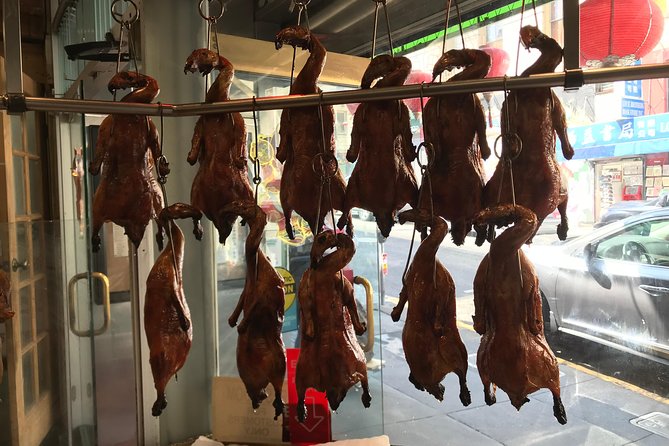
The food is served in several small tastings rather than as one formal restaurant meal. Taken together, the portions are intended to make up a full lunch. You might sample dim sum, BBQ pork buns, onion pancakes, Shanghai dumplings, potstickers, sesame balls, shrimp dumplings, rice cakes, Chinese pastries, Peking duck, or noodles, depending on the day’s route and stops.
The first tasting may include a pork bun and an onion bun, a simple start that several people found especially memorable. Other food stops can include familiar dim sum favorites such as siu mai and dumplings. The appeal is variety. You are not committing to one large dish, and you get a quick introduction to several styles and textures.
The tour also gives you a chance to ask what you are eating. That is useful if you have limited experience with dim sum or Chinese bakery foods. A guide can explain the difference between a steamed bun, a dumpling, a pancake, and a pastry while you are actually holding one.
Still, keep your expectations measured. Food quality may vary from stop to stop. One family felt the history was excellent and singled out the off-menu noodles at Vital Tea Leaf as a favorite, while finding some other tastings merely adequate. Another couple especially liked the Peking duck and tea. The meal is therefore best understood as a neighborhood sampling, not a carefully staged fine-dining experience.
If you are passionate about food above all else, you may prefer spending three hours choosing your own restaurants. If you want context, variety, and someone else to handle the decisions, the tastings offer good value.
The Golden Gate Fortune Cookie Factory
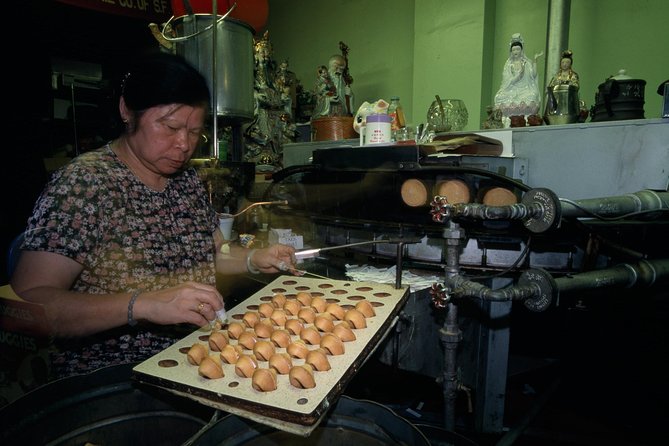
The Golden Gate Fortune Cookie Factory is one of the most distinctive stops. You can see fortune cookies made fresh and sample them while they are still part of the production process. It is a short, memorable pause that adds a bit of fun to a tour otherwise weighted toward history and food.
The factory is also a good reminder that Chinatown is not a museum. It has businesses built for local life, visitors, and the food traditions that developed in San Francisco. The fortune cookie itself is part of that American Chinatown story.
There is one important warning. Long lines can force the group to skip the factory, especially on a busy day. That happened to one group, so do not treat this stop as guaranteed under every condition. The guide has to protect the timing of the rest of the route, and waiting too long could mean losing another tasting or historical stop.
A different kind of day out entirely:
- Muir Woods and Sausalito (Return by Bus or Ferry)
★ 4.5 · 5,098 reviews - Big Bus SF: Hop-on Hop-off Tour with 17 Stops and Sunset Option
★ 4.0 · 4,539 reviews - Napa and Sonoma Wine Country Full-Day Tour from San Francisco
★ 4.5 · 4,455 reviews - Small Group Yosemite and Giant Sequoias Day Trip from San Francisco
★ 5.0 · 3,671 reviews
Tea at Vital Tea Leaf
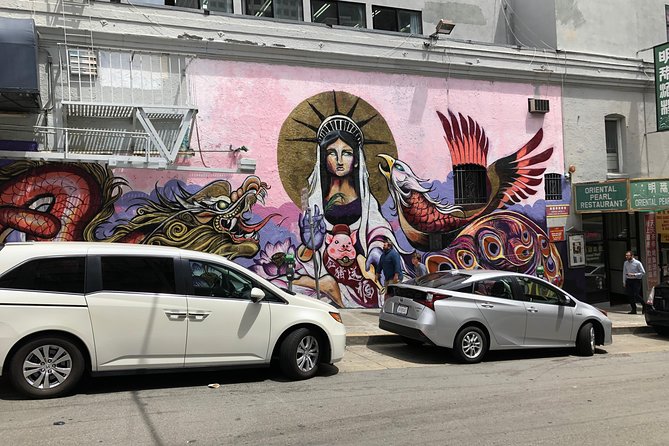
The tea tasting is the most consistently praised part of the experience. At Vital Tea Leaf, you sample different teas and hear about Chinese tea customs, flavors, and preparation. The stop gives the tour a slower rhythm after the street walking and food samples.
The presentation is not stiff. The host has been praised for being funny, which helps the information stick. You are not simply handed a cup and sent on your way. The tasting offers a chance to ask questions and notice how different teas can vary.
I would save room for this stop, even if you are mainly interested in dumplings. The tea visit gives the food a wider cultural setting, and it is one of the few moments when the group pauses to focus on a single tradition. It also gives you a useful place to buy tea if you find something you enjoy, although the supplied details do not specify purchasing arrangements.
Some people join for the food and leave talking most about the tea. That is a clue about the tour’s character. It offers food, but its strongest moments often come when a guide or shopkeeper explains how the neighborhood works.
Why the history is not filler
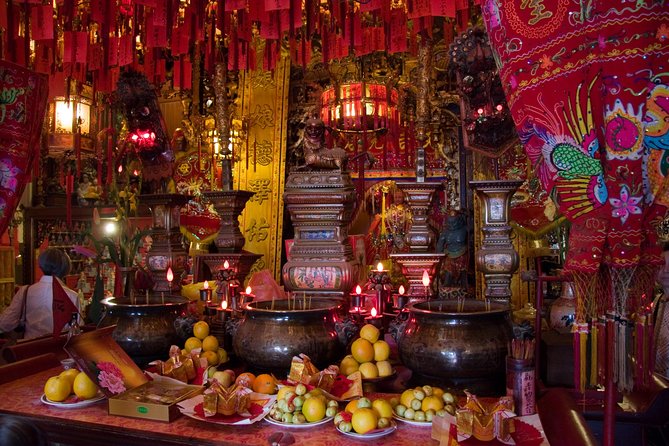
The history takes up a meaningful part of the three hours. You will hear about Chinatown’s Gold Rush origins, immigration, resilience, and changing role in San Francisco. The tour presents the neighborhood as a place shaped by exclusion and adaptation, though the exact depth depends on your guide and the group’s questions.
That background is valuable because it explains why Chinatown has its particular streets, businesses, and social identity. Without it, the tour could become a checklist of buns, cookies, and tea. With it, the food becomes a way to understand community and continuity.
This is also why some people describe the experience as more cultural and historical than culinary. That is not a flaw, but it is important to know before booking. If your ideal food tour means sitting down for a long meal with generous portions, this route may feel too educational. If you want to understand what you are seeing and eating, the balance works well.
The guide’s personality makes a big difference. Scott has been praised for holding attention and drawing people into questions and answers. Andre has been appreciated for showing unusual sites and sharing his connection to the area. Isabella and Brian have earned praise for clear explanations, while Cynthia is described as friendly, informed, and fun.
Because the group is limited to 15, you should have a better chance to ask questions than on a large bus-style excursion. The small size does not guarantee a private tour, but it helps the guide keep the group together in tight spaces.
What the $86 price really covers
At $86 per person, this is not the cheapest way to eat in Chinatown. You could buy individual snacks for less, especially if you are happy choosing restaurants and bakeries on your own. The price makes more sense when you count the guide, the three-hour route, the tastings, and the organization required to move a group between several businesses.
You are paying for access to a planned introduction. The guide chooses the stops, explains the food, handles the timing, and adds neighborhood history. You also get a full lunch in small portions without having to research menus or worry about ordering unfamiliar dishes.
Value depends on what you want from San Francisco. For a first visit, the tour can serve as both a meal and an orientation. You finish near 650 Jackson Street, giving you a different point from which to continue exploring. You may also leave with ideas for places to revisit independently.
For a repeat visitor who already knows Chinatown’s restaurants and history, the value is less certain. You might learn new details, but you may also encounter foods you could have chosen yourself. The strongest reason to pay the price is the combination of access, explanation, and variety.
Who should book this walk?
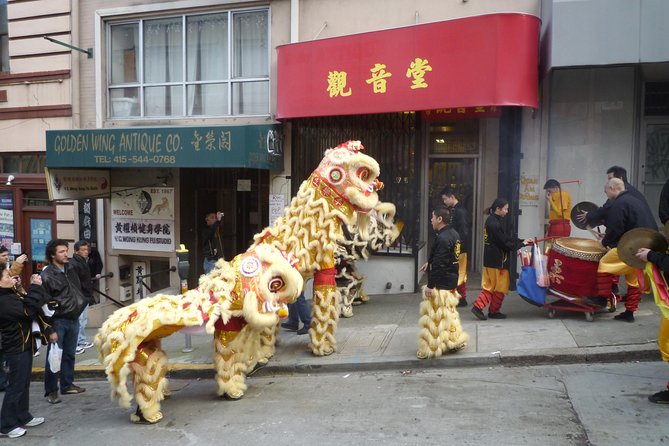
I would recommend it to first-time visitors, curious eaters, families with older children, couples, and solo visitors who want an easy way to get oriented. A 16-year-old enjoyed the tour with one family, and the mix of food, stories, and movement should work well for many age groups.
It also suits you if you prefer small tastings over one large lunch. You get to sample several foods and can ask about ingredients as you go. The tea stop adds something for people who want more than a restaurant crawl.
You may want to skip it if you have a nut allergy, since the company says it cannot accommodate nut allergies. You should also think twice if hills, uneven pavement, or a three-hour walk would be difficult. Most people can participate, service animals are allowed, and the tour runs in English, but the route is still an active walk through city streets.
Book early if your schedule is fixed. It is booked, on average, about 24 days ahead, and the group maximum is only 15 people. Free cancellation is available up to 24 hours before the start time. Inside that window, refunds and changes are not accepted, and the tour can be canceled if its minimum number is not reached.
Should you book the Chinatown food tour?
Book it if you want a guided introduction to Chinatown that feeds your curiosity as well as your appetite. The strongest parts are the guides, the tea tasting, the markets, the small group, and the stories that help you see the neighborhood with fresh eyes.
Do not book it expecting every stop to be a top restaurant or the fortune cookie factory to be guaranteed on a crowded day. The food is varied, but the tour gives history equal billing. For most first-time visitors, that is precisely the point. You get lunch, local context, and a better sense of where to wander next.
FAQ
How long does the Chinatown Walking Tour last?
The tour lasts approximately three hours.
Where does the tour begin?
It begins at 400 Grant Avenue, San Francisco, California 94108, near Dragon Gate.
Where does the tour end?
The tour ends at 650 Jackson Street, San Francisco, California 94133.
How large is the tour group?
The tour has a maximum of 15 people.
What food is included?
The tastings are intended to add up to a full lunch and can include dim sum, BBQ pork buns, Chinese pastries, tea, fortune cookies, and other Chinatown specialties. Food stops may vary.
Is the tour suitable for people with nut allergies?
No. The provider states that it cannot accommodate nut allergies.
Can I cancel for a full refund?
Yes, if you cancel at least 24 hours before the experience start time. Cancellations made less than 24 hours before the start time are not refunded.
More History Tours in San Francisco
- Chinatown & North BeachLittle Italy: 7 Tastings & History
★ 5.0 · 1,070 reviews - New York City: American Museum of Natural History Ticket
★ 4.5 · 15,447 reviews - Charleston’s Old South Carriage Historic Horse & Carriage Tour
★ 5.0 · 10,023 reviews - Beneath The Streets Underground History Tour
★ 4.5 · 8,006 reviews
More Walking Tours in San Francisco
- San Francisco Chinatown Walking Tour
★ 5.0 · 778 reviews - San Francisco LGBTQ Walking Tour with Local Guide
★ 5.0 · 600 reviews - History and Hauntings of Salem Guided Walking Tour
★ 5.0 · 14,564 reviews - New Orleans Premier Ghost, Voodoo and Vampire Walking Tour
★ 4.5 · 12,856 reviews
Just added in San Francisco
- From San Francisco: Napa & Sonoma Valley Full-Day Wine Tour★ 4.5 · 513 reviews
- The Escape Game San Francisco: Epic 60-Minute Adventures Downtown★ 5.0 · 334 reviews
- Small-Group Wine Country Tour from San Francisco with Tastings★ 5.0 · 1,543 reviews
- San Francisco LGBTQ Walking Tour with Local Guide★ 5.0 · 600 reviews
- San Francisco Authentic Food Tour with 5 Locals Favorites Dishes★ 5.0 · 852 reviews
- Yosemite Day Tour from San Francisco★ 4.5 · 713 reviews
- Skip The Bus: San Francisco By Luxury Van Tour★ 5.0 · 800 reviews
- California Academy of Sciences General Admission Ticket★ 4.0 · 586 reviews
Food & Drink, compared.
New Orleans Food Walking Tour of the French Quarter with Small-Group Option
Read our review →
NYC Bus Tour of Brooklyn, Bronx, Queens: Art, Food & Sports
Read our review →
Savannah First Squares Culinary & Cultural Walking Food Tour
Read our review →
Chinatown & Little Italy Food Tour with 7 Flavorful Tastings
Read our review →
Food Tour with 5+ Tastings of Local Delicacies
Read our review →
Browse the lists this tour appears in