
Reviewed · MUSEUMS
History Museum, Pioneer House Museum & Schoolhouse Museum
Fort Lauderdale has more to it than beaches and boats. This small museum group gives you a useful introduction to the city through three historic buildings, a peaceful park beside the New River, and stories about the people who built the early settlement. I especially like the personal guiding and the chance to see a preserved pioneer home and schoolhouse in one visit. The main caution is that the tour can become a long lecture if your guide gets carried away.
The central location makes this an easy add-on to a downtown or Las Olas day. You can walk along the river afterward, find restaurants nearby, and avoid arranging separate admission for each building. Just allow some flexibility: the advertised visit lasts about an hour and a half, but the pace depends heavily on the guide and on how much time the group spends listening.
In This Review
- Key points to know before you go
- Why this small museum matters in modern Fort Lauderdale
- Starting at History Fort Lauderdale
- Walking through the Pioneer House
- Sitting in the 1899 replica schoolhouse
- The people make or break the visit
- How much time should you allow?
- Getting there and handling the practical details
- Is the admission good value?
- Who should book this Fort Lauderdale history tour?
- Should you book it?
- FAQ
- Where does the tour begin?
- How long does the experience last?
- Which museums are included?
- Is the tour conducted in English?
- Are children admitted free?
- Is transportation included?
- Can I cancel for a refund?
Key points to know before you go
- Three sites in one visit: See History Fort Lauderdale, the Pioneer House Museum, and a replica schoolhouse under one admission.
- A calm spot beside the New River: The museum grounds offer a quiet change from downtown streets and provide a pleasant place to walk afterward.
- Guides bring the buildings to life: Guides including Daniel and David have been praised for local stories, warmth, and strong knowledge of Fort Lauderdale.
- The Pioneer House is the highlight for many: Period furnishings, an old kitchen, offices, telephone lines, and a hand-operated Victrola make the past feel close at hand.
- English is the main tour language: Translation is available by scanning QR codes on your own device for Spanish, French, or Portuguese, but headphones are not supplied.
- Plan your ride home: Transportation to and from the museums is not included, and one visitor had trouble arranging an Uber afterward because public Wi-Fi was unavailable.
Why this small museum matters in modern Fort Lauderdale
Fort Lauderdale is often presented as a city of waterways, resorts, and high-rise development. History Fort Lauderdale gives you another starting point. Here, the story begins with the Seminole people, early settlement, agriculture, railroad growth, and the people who turned a small outpost into a working city.
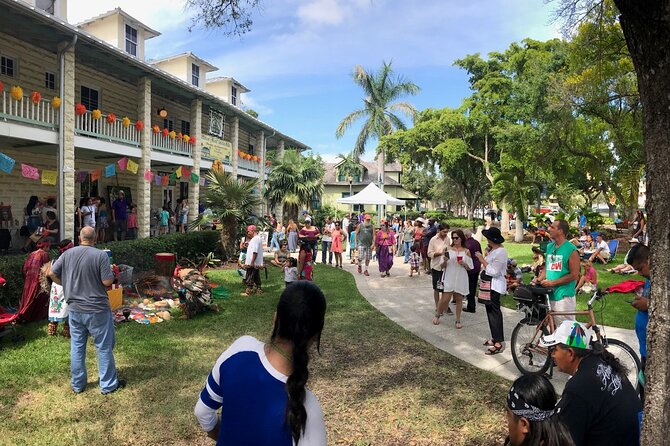
The setting helps. The museums sit on the banks of the New River, near the historic center of town. A lushly planted park surrounds the buildings, so you get a little breathing room before or after the indoor displays. The railroad still runs beside the museum building, an everyday sound that fits the story of a city shaped by transportation.
I like this sort of place because it gives context to everything else you see. After the tour, Las Olas Boulevard, downtown streets, and the riverfront make more sense. You begin to recognize that Fort Lauderdale was not simply built for visitors. It grew through farming, business, education, transportation, and determined local families.
The visit is also manageable. You do not need half a day or a special excursion. The normal schedule takes roughly one to two hours, with the guided portion listed at about an hour and a half. That makes it a good choice for your first day in town, especially if you want an orientation before spending time on boat rides or beaches.
More Museum Tours in Fort Lauderdale:
- NYC: 9/11 Memorial & Museum Timed-Entry Ticket
★ 4.8 · 31,428 reviews - NYC: Empire State Building Tickets – Observatory & Museum
★ 4.7 · 25,757 reviews - New York City: American Museum of Natural History Ticket
★ 4.5 · 15,447 reviews
Starting at History Fort Lauderdale
The main museum occupies a former 1920s hotel that was converted into a museum in the 1950s. That detail gives the building its own story. You are not entering a modern gallery designed to imitate the past. You are visiting a historic structure that has already lived several lives.
A short film, described as about seven minutes, introduces the area’s development. It covers the Seminole origins of the region, agriculture, and the railroad’s role in bringing people and business south. I would pay close attention here because the film gives you a framework for the buildings that follow.
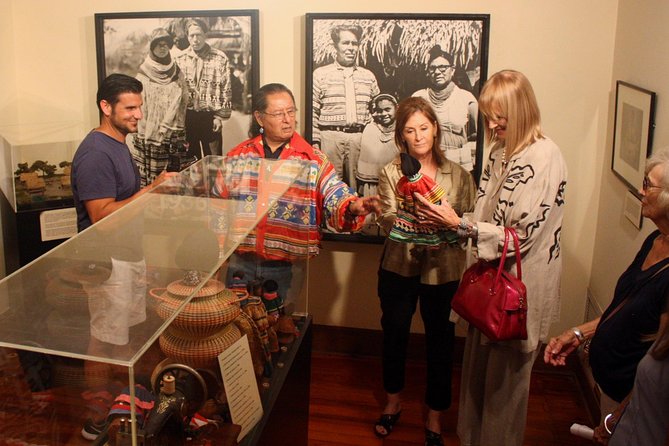
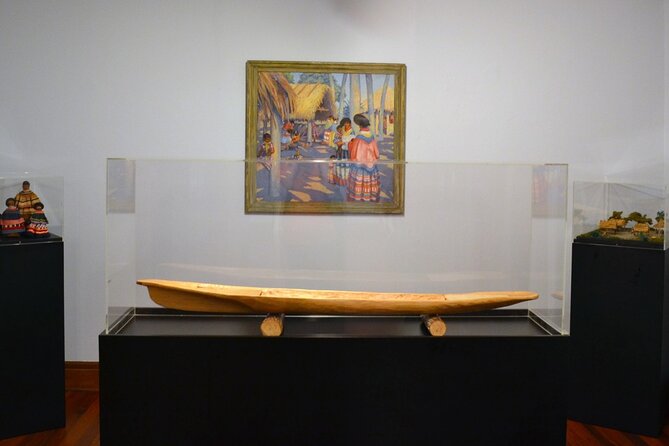
The museum’s displays include memorabilia from the early twentieth century, historic photographs, posters, and objects tied to daily life. The material is not only about famous names. It helps explain how ordinary work, transport, schooling, and local businesses shaped the city.
The third floor adds a modern counterpoint. Former hotel rooms now hold rotating art exhibitions. The displays have included textile work and politically minded art, along with works connected to Fort Lauderdale’s public spaces. One exhibition featured paintings of the city’s electrical utility boxes by Stephanie MacMillan.
That changing art area is worth checking because it keeps the museum from feeling frozen in one period. You can look backward on the lower floors and then see local artists responding to the city today. If you enjoy buying a small memento, the shop has included magnets and postcards connected to the art on display.
Walking through the Pioneer House
The Pioneer House is where the visit becomes most tangible. Instead of reading only about early residents, you walk through rooms arranged in a period style. The house includes a kitchen, dining area, upstairs rooms, offices, and furnishings chosen to reflect the early twentieth century.
Look for the practical objects. An old telephone system, Miami oak wood, period tables, and a Victrola show how people worked and relaxed before modern conveniences took over. The Victrola is an early record player with a built-in speaker and storage, operated by hand. Details like this are small, but they help you picture the rhythm of domestic life.
The house also tells a broader story about cooperation and opportunity. Early Black-owned businesses included nursing services and taxi companies. The local community hired the area’s first Black schoolteacher and built its future around education and work.
Those details give the tour more weight than a simple collection of old furniture. You hear about couples who met, married, worked together, and helped transform an agricultural settlement into a growing city. The focus is on people and decisions, not just dates.
Guide David has been praised for presenting this material in period clothing and for connecting the founders to larger developments involving Henry Flagler and the railroad. Guides change, of course, but the best version of this tour uses the house as a prompt for stories rather than treating it like a silent display room.
There is one practical concern. One part of the tour has sometimes taken place in a room without air conditioning. South Florida heat can make a long talk uncomfortable, especially in an older building. If the guide begins with an extended presentation indoors, you may want to ask how long it will last and when you will move through the house.
Sitting in the 1899 replica schoolhouse
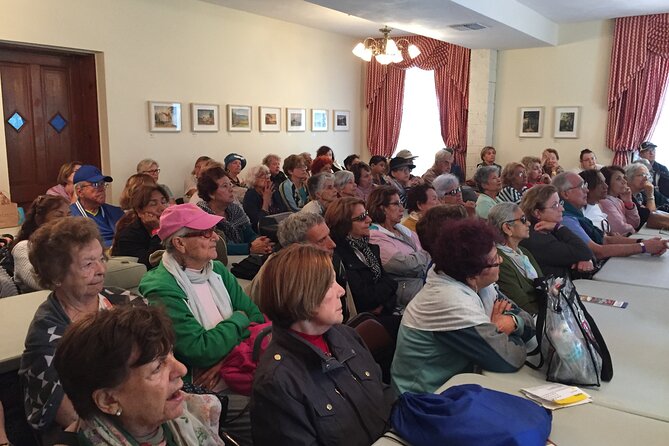
The schoolhouse is a replica of an 1899 building. It offers a very different experience from the hotel museum and Pioneer House. You sit at wooden desks and hear how schooling worked in the early period.
This stop can be surprisingly affecting because the room is plain. There is no large collection of objects to distract you. The desks, the confined space, and the explanation of daily lessons make education feel physical and demanding.
The schoolhouse also connects to the wider story of community building. Education was not an afterthought for the first residents. It was part of the effort to establish a stable town and create opportunity for the next generation.
This is also where the guide’s style matters most. A clear, focused explanation can make the schoolhouse memorable. A long talk that wanders through unrelated subjects can leave you sitting in the room while time runs short. Several accounts describe guides as deeply passionate about Fort Lauderdale but occasionally too long-winded.
If you have a particular interest in the school, Black history, early education, or local families, say so at the beginning. A direct question may help keep the visit on the subjects you came to understand. You should also make sure the group is moving to the schoolhouse if the clock is advancing and you have not yet seen it.
More History Tours in Fort Lauderdale:
- History and Hauntings of Salem Guided Walking Tour
★ 5.0 · 14,564 reviews - Charleston’s Old South Carriage Historic Horse & Carriage Tour
★ 5.0 · 10,023 reviews - Beneath The Streets Underground History Tour
★ 4.5 · 8,006 reviews - Big Island in a Day: Volcanoes Waterfalls Sightseeing and History
★ 5.0 · 6,569 reviews
The people make or break the visit
The strongest part of this experience is the human welcome. The museum has been praised for friendly staff, helpful volunteers, and guides who enjoy telling the city’s story.
Daniel has been singled out for explaining Fort Lauderdale from its early days through the present. David has been praised for his long service and storytelling in period dress. Caroline has also received warm praise for making a visit feel easy and enjoyable. These names are useful to know, but you should not assume a particular person will lead your tour.
At the front desk, staff can help orient you before the walk begins. The atmosphere appears more personal than formal. That suits a local history museum, where conversation can add as much as a label on a case.
The tradeoff is consistency. A guide who loves the subject may offer wonderful details, but that enthusiasm can spill into a speech that runs too long or moves away from the site in front of you. The experience is best when the guide balances local facts with the actual rooms and objects you came to see.
I would treat the tour as an introduction rather than a tightly timed performance. If you prefer a brisk route with short explanations, this may test your patience. If you enjoy stories, family connections, and the small turns of local history, you may find the extra detail rewarding.
How much time should you allow?
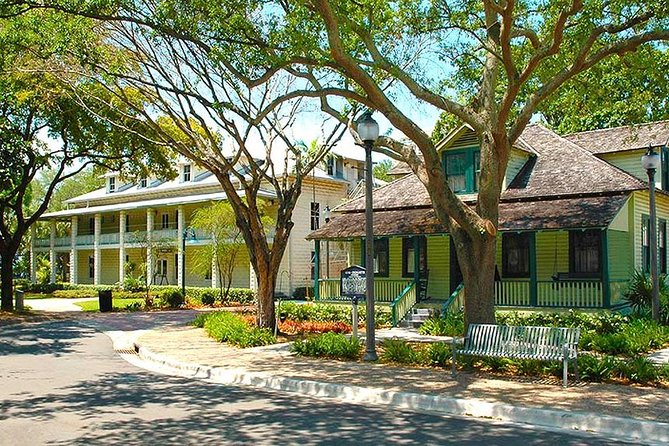
The official visit is approximately one to two hours, with the main stop described as about one hour and thirty minutes. In practice, your total time depends on the guide, the group size, and how the three buildings are handled.
The maximum group size is 35 people. That is large enough to affect the pace, but still small compared with a major city attraction. A smaller group may allow more questions and a more personal exchange. Some departures may feel almost private if few people book.
Do not schedule a tight lunch reservation immediately afterward. The tour can run longer when the guide gives a full history lesson, and some visitors have found that they did not reach the schoolhouse before needing to leave. Give yourself a little room, especially in hot weather.
Afterward, you can walk beside the New River or continue toward nearby restaurants. The central location is one of the tour’s practical strengths. You can make it part of a larger downtown day without arranging a separate trip across town.
Getting there and handling the practical details
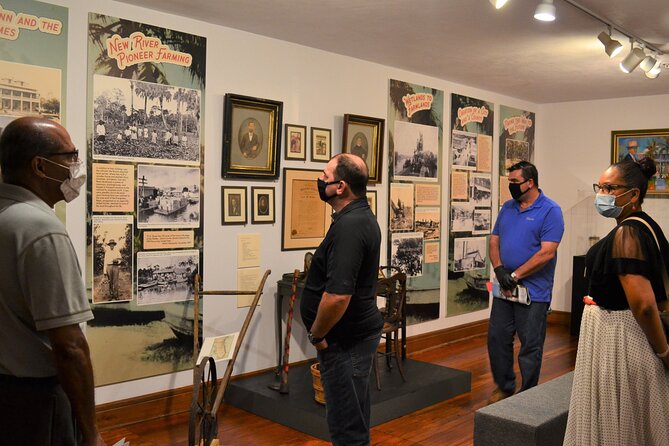
The meeting address is 231 SW 2nd Avenue, Fort Lauderdale, Florida 33301. Transportation to and from the attractions is not included, so you need to arrange your own way there and back.
The site is near public transportation, and most people can take part. Service animals are allowed. Children from birth through age six enter free, which helps families decide if the visit fits their budget.
Your mobile ticket is useful at the entrance, and confirmation arrives when you book. Souvenir photographs and drinks are not included. If you want a keepsake, the museum shop may have postcards or small art-related items, but those purchases are separate.
One unusual but important tip concerns the trip home. The museum may not provide Wi-Fi throughout the site. If you rely on Uber or a taxi app, arrange your return ride before leaving or make sure your phone has a working connection. A quiet historic setting is pleasant until you are standing outside trying to summon a car with no signal.
Translation deserves a clear note. The experience is conducted in English. QR codes around the exhibits can provide Spanish, French, or Portuguese translation on your personal smart device. This is not the same as a multilingual guide or supplied headphones, so bring a charged phone and be ready to read from your screen.
Is the admission good value?
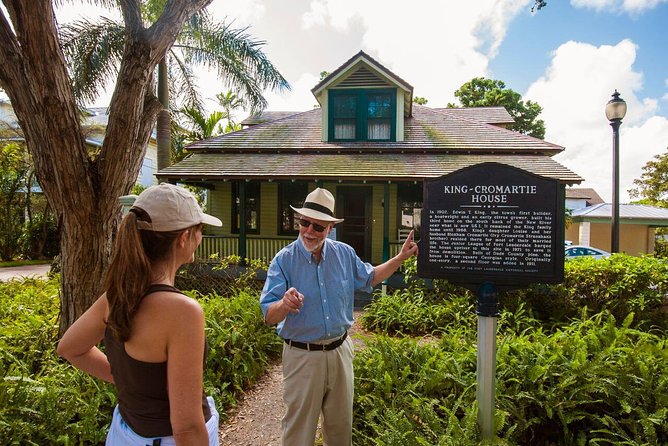
The value comes from the range of material, not from the size of the museum. You receive entry to three historic sites, a guided walk, the main museum displays, the Pioneer House, and the schoolhouse without paying separate admission at each stop.
I think the package works best for first-time visitors and people who want local context. You get architecture, household objects, transportation history, education, Black community history, and changing art exhibitions in one compact visit.
It is less compelling if you want a fast, self-guided museum with minimal speaking. The self-guided displays and film may suit you well, but the guided sections can dominate the schedule. The value drops if you miss one of the three buildings or spend most of your time in a talk that does not match your interests.
The admission is especially sensible for families with young children because ages zero through six are free. Older children may enjoy the schoolhouse and the hands-on feeling of the Pioneer House more than a standard history gallery, though the guide’s pace will matter.
Free cancellation is available up to 24 hours before the start time for a full refund. Cancellations or changes made within 24 hours are not refunded or accepted, so keep that deadline in mind when planning around weather or transport.
Who should book this Fort Lauderdale history tour?
I would book it if you are new to the city, enjoy historic houses, or want to understand Fort Lauderdale beyond its waterfront image. It is also a good choice for local residents who have lived nearby but never visited the city’s historic center.
Families can make good use of the combination of buildings. Solo visitors may appreciate the chance to ask questions and get a quick orientation. Couples who prefer a quiet cultural stop to another water excursion will find a change of pace here.
I would be more cautious if you have limited mobility or dislike warm indoor spaces, since the buildings are historic and some portions may not be air conditioned. The available information says most people can participate, but it does not provide detailed accessibility measurements for every room.
Should you book it?
Book this experience if you want a compact, human-scale introduction to Fort Lauderdale and you are willing to let the guide set the pace. The Pioneer House and schoolhouse give the visit character, while the main museum and art floor broaden the story beyond old furniture.
Before you go, allow at least two hours, bring a charged phone for translation or transportation, and avoid booking a tight appointment afterward. If your guide begins a long lecture, politely ask when the house and schoolhouse portion will start. That simple question can help you see all three sites.
Skip it if you want a short, fully self-guided visit or if your schedule cannot absorb a slower tour. For most first-time visitors interested in local history, though, this is a useful downtown stop with real value and a welcome break from Fort Lauderdale’s usual tourist circuit.
FAQ
Where does the tour begin?
The tour begins at 231 SW 2nd Avenue, Fort Lauderdale, Florida 33301.
How long does the experience last?
The visit lasts approximately one to two hours. The main museum stop is listed at about one hour and thirty minutes.
Which museums are included?
Admission includes History Fort Lauderdale, the Pioneer House Museum, and the Schoolhouse Museum.
Is the tour conducted in English?
Yes. The tour is offered in English. QR codes throughout the exhibits provide translation into Spanish, French, or Portuguese on your personal smart device.
Are children admitted free?
Children from ages zero through six are free.
Is transportation included?
No. Transportation to and from the attractions is not included. The museum is near public transportation.
Can I cancel for a refund?
Yes. You can cancel at least 24 hours before the scheduled start time for a full refund. Cancellations or changes within 24 hours are not refunded or accepted.
Just added in Fort Lauderdale
- Shared Sportfishing Trip from Fort Lauderdale★ 5.0 · 340 reviews
- Everglades Day Safari from Ft Lauderdale★ 5.0 · 488 reviews
- Venice of America Tour | Millionaire’s Row | Complimentary Drinks★ 4.0 · 495 reviews
- Fort Lauderdale Sailing Charter★ 5.0 · 387 reviews
- All You Can Eat BBQ Dinner and Show at Tropical Isle with Sightseeing Cruise★ 4.0 · 1,158 reviews
- 90-Minute Snorkel & Seabob Underwater Guided Reef Tour in Fort Lauderdale★ 5.0 · 541 reviews
- Ocean Parasailing Adventure In Fort Lauderdale, FL★ 4.5 · 465 reviews
- Evening Boat Cruise through Downtown Ft. Lauderdale★ 4.5 · 902 reviews
Museums, compared.
Empire State Building Tickets – Observatory & Museum
Read our review →

9/11 Memorial, Ground Zero Tour with Optional 9/11 Museum Ticket
Read our review →

All-Access 9/11: Ground Zero Tour, Memorial and Museum, One World Observatory
Read our review →
Browse the lists this tour appears in