
Reviewed · MUSEUMS
Los Angeles: Natural History Museum of LA Entry Ticket
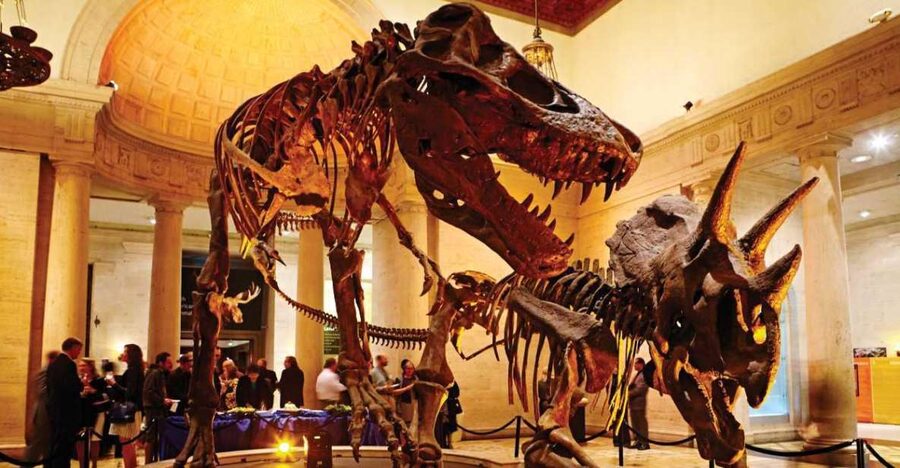
Dinosaurs still rule Los Angeles. This $18 ticket opens the Natural History Museum of Los Angeles County, where I especially like the Tyrannosaurus rex growth series and the clear local focus of Becoming Los Angeles. I also like that the museum reaches outside its walls with 3.5 acres of Nature Gardens. The one catch: general admission does not include rotating special exhibits.
This is an easy family day, but you do not need children to enjoy it. Couples can spend a few relaxed hours here, while serious museum fans may stay four hours or more. You will cover a lot of ground, so wear comfortable shoes. Parking costs extra, but the Expo Park Metro line stops just steps away.
In This Review
- Key points at a glance
- Why this museum works for a full day in LA
- Starting with Dinosaur Hall and the T. rex family
- Watching science happen in the Dino Lab
- Seeing Los Angeles in Becoming Los Angeles
- Walking through the Nature Gardens
- Following 65 million years in the Age of Mammals
- Admiring the Mineral Hall’s diamonds and sapphires
- The building, staff, and pace of the visit
- Getting there, entering, and choosing your ticket
- Who should book this museum ticket?
- Should you book the Natural History Museum of LA?
- FAQ
- How much does general admission cost?
- How long is the ticket valid?
- What does general admission include?
- Does general admission include special exhibits?
- What are the museum’s opening hours?
- Where can I enter the museum?
- Is parking available?
- Is public transportation available?
- Do infants need a separate ticket?
Key points at a glance
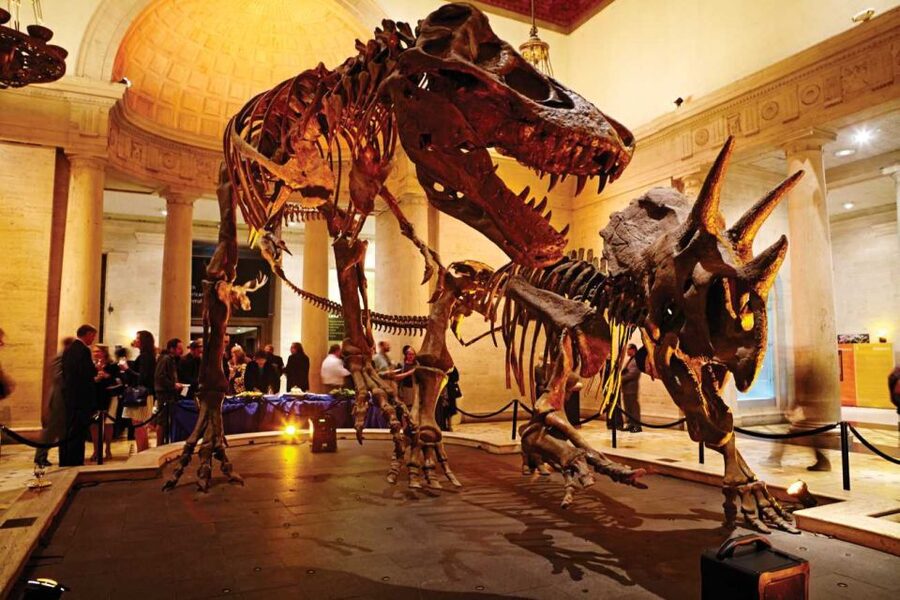
- The T. rex growth series: See the world’s only series showing how Tyrannosaurus rex changed as it grew.
- Dinosaur Hall: Explore more than 300 real fossils, 20 complete dinosaurs, and ancient sea creatures.
- A Los Angeles story: Becoming Los Angeles explains how the city developed, rather than treating LA as just a modern movie town.
- Three and a half acres outdoors: Nature Gardens add fresh air, local wildlife, and a break from the indoor galleries.
- Two ticket choices: General admission covers permanent exhibits, while the higher option adds the current special exhibit.
- A full day for $18: The price is strong if you plan to spend several hours exploring, especially with children or teens.
Why this museum works for a full day in LA
The Natural History Museum gives you several different experiences under one roof. You can begin with ancient fossils, switch to local history, admire precious stones, and then walk through outdoor gardens without changing destinations.
That variety matters in Los Angeles, where a day can easily become a string of short stops separated by traffic. Here, you can settle into one place and set your own pace. A quick visit may take two hours, but the museum has enough material for a much longer outing.
The ticket is valid for one day, and opening hours are listed as 9:30 AM to 5:00 PM, subject to change. That gives you a useful window, though I would not arrive late if dinosaurs are your main reason for coming.
The museum works especially well for families because the displays offer both large visual thrills and plenty of facts to read. Children can focus on the giant skeletons, while older visitors can spend time with the scientific explanations. A parent with a stroller will want to plan for a long indoor walk and use the outdoor areas as a change of pace.
The high rating of 4.7 from 457 reviews matches the strongest parts of the experience: impressive fossils, helpful staff, clean display areas, and enough variety to keep different ages interested. The building and displays also make it a good choice for a date or a day with friends, not only a school-style outing.
More Museum Tours in Los Angeles:
- Los Angeles: Petersen Automotive Museum Admission Ticket
★ 4.7 · 592 reviews - NYC: 9/11 Memorial & Museum Timed-Entry Ticket
★ 4.8 · 31,428 reviews - NYC: Empire State Building Tickets – Observatory & Museum
★ 4.7 · 25,757 reviews
Starting with Dinosaur Hall and the T. rex family
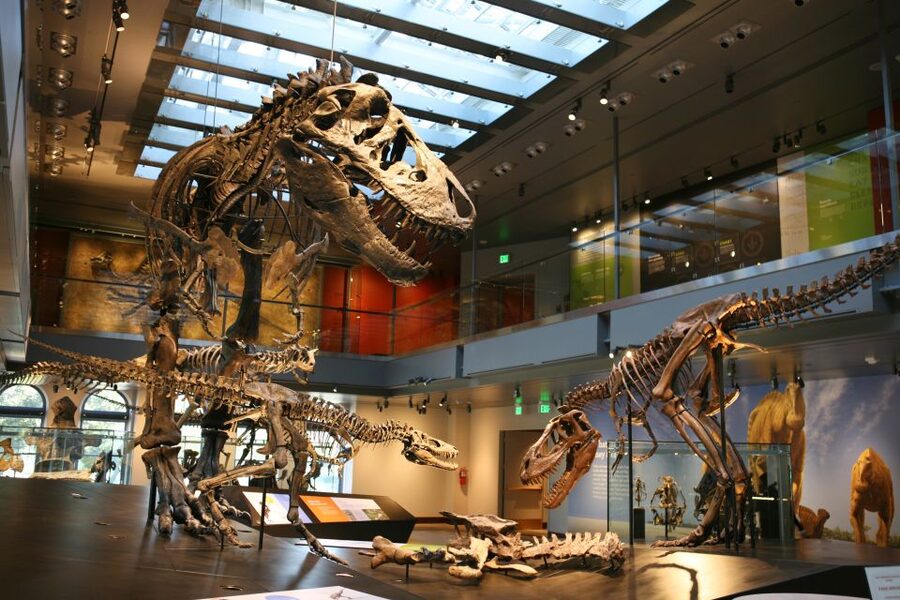
Dinosaur Hall is the museum’s biggest crowd-pleaser. It contains more than 300 real fossils, 20 complete dinosaurs, and ancient sea creatures, giving you far more than a few dramatic skeletons in a dark room.
The most unusual feature is the world’s only Tyrannosaurus rex growth series. Instead of seeing one famous adult dinosaur and moving on, you can consider how this predator changed from a young animal into the enormous creature most people picture.
That growth series gives the hall a useful scientific angle. You are not only looking at size. You are seeing a story about development, anatomy, and how researchers build an understanding of extinct animals from physical evidence.
You will also find recognizable dinosaurs such as T. rex and Stegosaurus, along with fossils that may be less familiar. The mixture helps keep the hall from feeling like a display of only the usual movie stars.
Ancient sea creatures widen the story beyond land animals. They remind you that prehistoric life was not limited to the dinosaurs that dominate popular culture. If you are visiting with children, this is a good place to let them choose their own direction instead of trying to read every label.
Plan on spending serious time here if dinosaurs are your main interest. The hall is large enough that a rushed walk can leave you feeling as if you saw the skeletons but missed the explanations.
Watching science happen in the Dino Lab
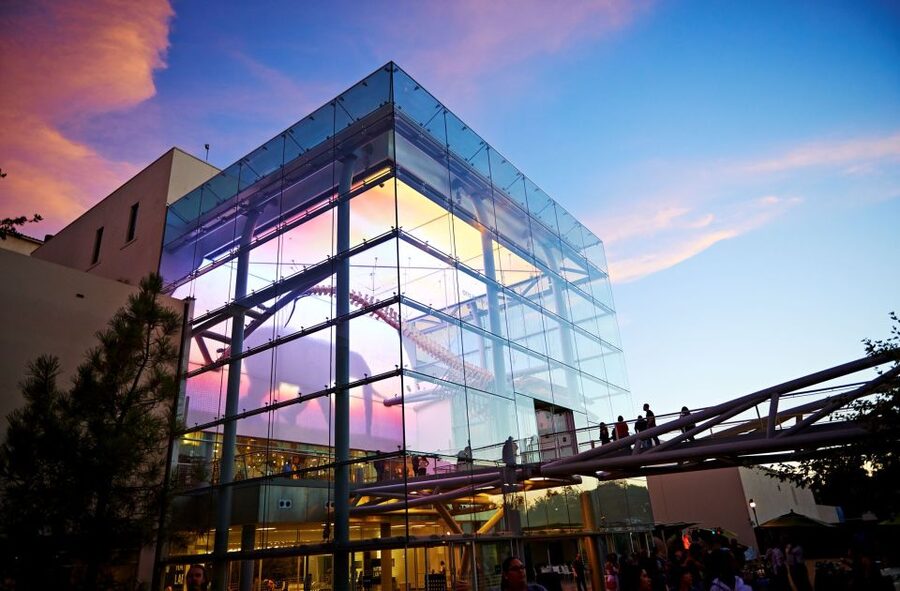
The Dino Lab offers a behind-the-scenes look at how scientists work on fossils. That is valuable because it shifts your attention from finished skeletons to the careful work required before an exhibit reaches the public.
You can watch the process and connect it to what you have just seen in Dinosaur Hall. A fossil is not simply pulled from the ground and placed under a spotlight. It must be examined, prepared, and interpreted.
The museum also presents Dinosaur Encounters, a show in which dinosaurs come to life. The supplied information does not give a fixed show schedule, so check current timing when you arrive. If you have young children, arranging your visit around this presentation could make the day feel more like an event than a self-guided museum walk.
The show and lab are useful for different reasons. Dinosaur Encounters supplies the theatrical fun, while the lab brings you closer to the real scientific process. Together, they balance entertainment with substance.
Seeing Los Angeles in Becoming Los Angeles
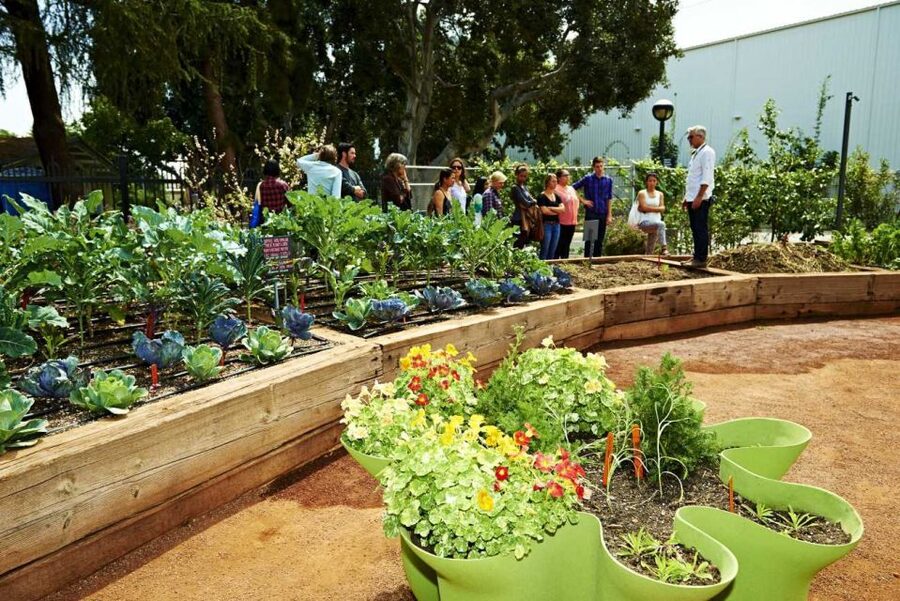
Becoming Los Angeles is one of the museum’s most useful exhibits because it explains how the city came to be. Many people visit LA through its film studios, beaches, freeways, and famous neighborhoods. This exhibit gives you another way to understand the place.
I like that the museum puts the city story beside natural history. Los Angeles did not appear fully formed as a modern metropolis. The exhibit helps you follow the forces and changes that shaped it.
The information provided does not list every object or period shown, so you should expect the exhibit to be a broad story rather than a narrowly focused historical house tour. Still, it gives your wider LA visit helpful context, especially if this is your first time in the city.
You may want to save this section for after Dinosaur Hall, when you have already spent time thinking about change over millions of years. Becoming Los Angeles brings that idea closer to home and shows how the city itself developed over time.
This is also one of the better stops for adults who might not want an entire day of dinosaurs. It gives couples and older children a reason to stay interested after the first burst of excitement from the skeletons.
More History Tours in Los Angeles:
- New York City: American Museum of Natural History Ticket
★ 4.5 · 15,447 reviews - History and Hauntings of Salem Guided Walking Tour
★ 5.0 · 14,564 reviews - Charleston’s Old South Carriage Historic Horse & Carriage Tour
★ 5.0 · 10,023 reviews - Beneath The Streets Underground History Tour
★ 4.5 · 8,006 reviews
Walking through the Nature Gardens
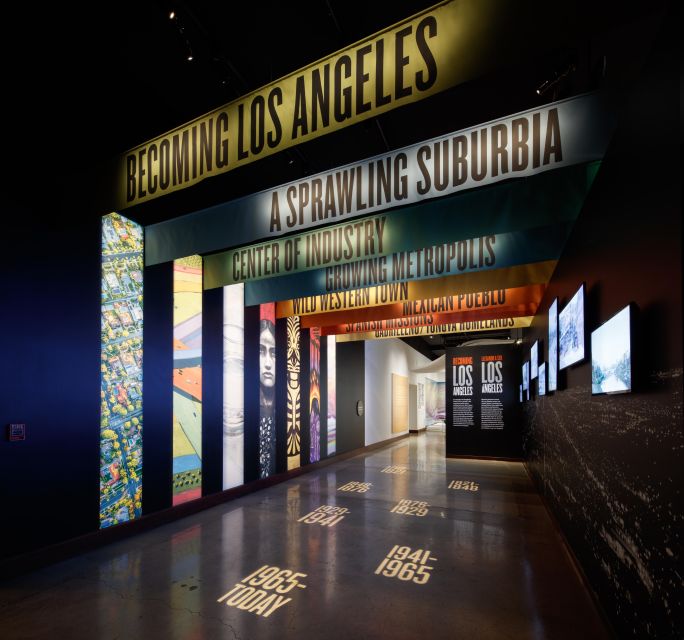
The 3.5-acre Nature Gardens are more than an attractive break between galleries. They let you look for local plants and wildlife in an outdoor setting connected to the museum’s scientific work.
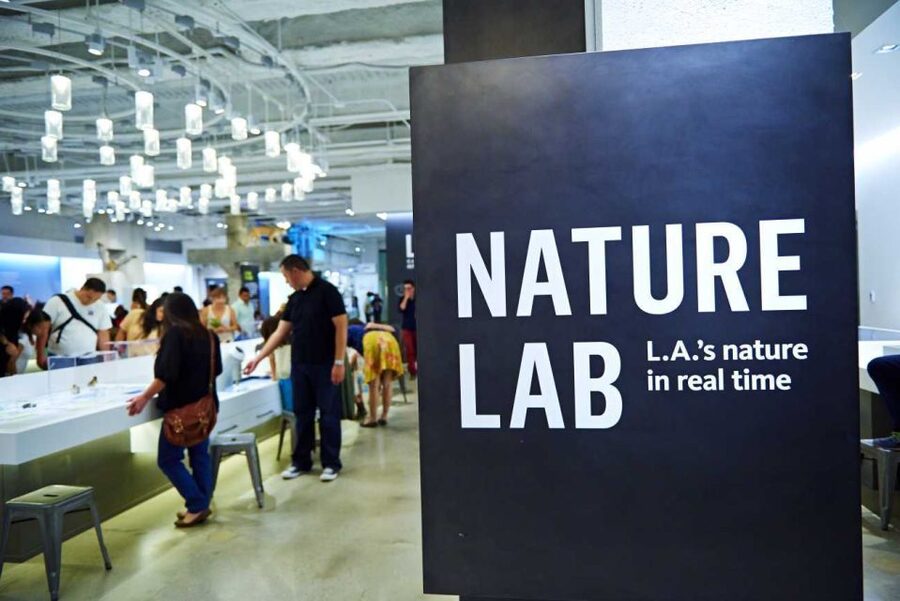
The gardens attract wildlife, and the space includes hidden details for you to notice as you walk. The museum also has a Nature Lab, where you can learn more about local plants and animals.
This outdoor section helps pace the day. Museums can become tiring when every room asks you to read, look up, and move on. A stroll through the gardens gives you room to breathe, and it may be especially helpful for children who need to move around.
The gardens connect naturally with the broader evolutionary story inside. Rather than treating nature as something that ended in prehistory, the museum carries the subject into the present.
A butterfly pavilion is also praised as a particularly enjoyable part of the visit. The supplied details do not specify whether it is included in every general admission visit or operates seasonally, so check current conditions before building your whole plan around it.
The gardens and Nature Lab also make this attraction more appealing if one member of your group prefers animals and plants to fossil halls. You can divide your time without splitting up the day.
Following 65 million years in the Age of Mammals

The Age of Mammals follows an evolutionary story across 65 million years. It includes 240 specimens, with skeletons ranging from mastodons to whales, plus animal dioramas from North America and Africa.
This section gives you a useful change from dinosaurs. The focus moves to mammals and the long sequence of forms that came after the age of reptiles. Mastodon and whale skeletons provide the large-scale drama, while the dioramas show animals in more familiar body shapes and settings.
The number of specimens can feel like a lot, especially late in the day. You do not need to read every label. I would choose a few animals that interest you, then use the displays to understand the larger story.
This is a strong section for older children and adults because it rewards questions. Why did bodies change? How did animals adapt? What can a skeleton tell you? Even a short visit can leave you with a better sense of evolutionary time.
The North American and African dioramas also give the collection geographic range. You are not looking at one narrow region or one type of animal. You get a broader view of mammals and their environments.
Admiring the Mineral Hall’s diamonds and sapphires
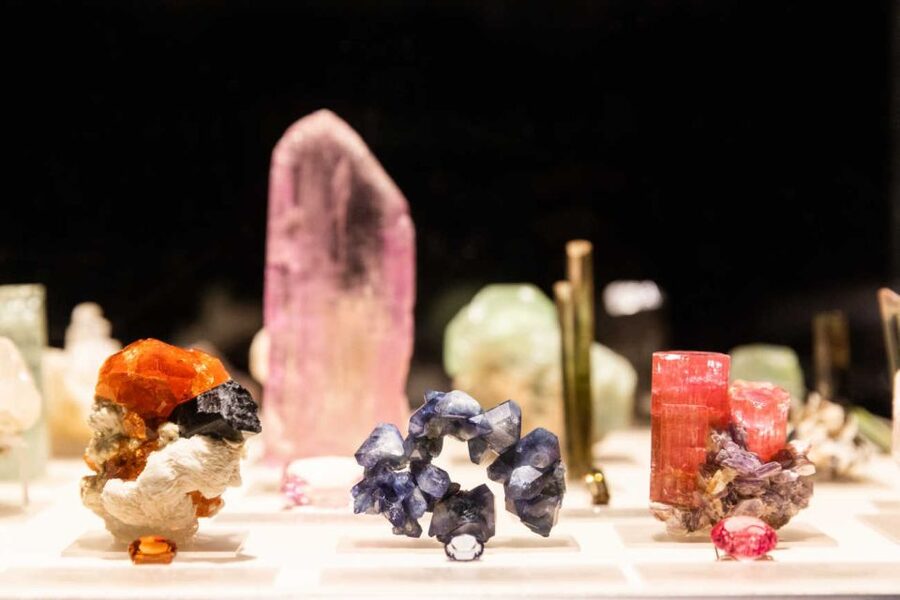
The Gem and Mineral Hall contains more than 2,000 specimens. In the vault, you can see diamonds, rubies, sapphires, and other fine stones.
After the bones and fossils, this gallery changes the mood completely. The appeal is visual, but the collection also gives you a chance to think about color, crystal form, and the natural processes that create these materials.
The vault is a particular draw for visitors who enjoy jewelry or geology. Diamonds may get the most attention, but rubies, sapphires, and less familiar minerals help make the collection more than a jewelry display.
The hall is also useful for a mixed group. Someone who has had enough dinosaurs can spend time here, while another person returns to the fossil galleries. That flexibility is one reason the museum works for couples and friends as well as families.
You should not expect the entire museum to feel equally modern. One visitor praised the exhibits but felt some older dioramas and graphic design needed cleaning and updating. That is a fair point to keep in mind. The major halls can be impressive, while a few older displays may show their age.
The building, staff, and pace of the visit

The museum building itself adds to the experience. One visitor called it exquisite, and the grand setting helps the visit feel like more than a collection of separate rooms.
Staff are generally helpful, and visitors have praised the attendants for keeping the museum clean and easy to navigate. That matters in a large building, particularly when you are managing children or trying to find a scheduled presentation.
The main practical issue is walking. One person with arthritis and fibromyalgia found the day tiring but still worthwhile. You should take that seriously. The museum can be rewarding for visitors with limited stamina, but you may want to slow down, sit when possible, and treat the ticket as permission to enjoy a few sections rather than conquer every gallery.
Families should bring a stroller for very young children if useful. One parent specifically advised it after finding there was so much to see. Infants aged 0 to 2 receive a ticket upon arrival.
You may also want to pair the museum with the California Science Center, which is connected by a rose garden and fountain. That can turn the outing into a very full day, but it may be too much if you are already tired after several hours inside.
Getting there, entering, and choosing your ticket
You can enter through either of the two museum entrances. With your ticket ready, go to the staff member at the bridge, or use the eTicket entry at the top of the steps to skip the regular line.
Mobile ticket entry has occasionally taken extra time when staff needed to print tickets, so keep a little patience in reserve. The direct eTicket entrance should be your first choice when available.
Parking is on site for an additional fee. The Expo Park Metro line is only steps away, making public transport a practical alternative and avoiding the added parking cost.
At $18 per person, general admission is good value if you plan to stay at least a few hours. The museum has enough permanent material that you are paying for a substantial day rather than a single signature exhibit.
You can also choose admission with Special Exhibit Access. That option includes the permanent galleries plus the current rotating special exhibit. Since special exhibits change, check the subject before paying more. If the temporary show does not interest you, general admission is likely the better buy.
An online ticket purchased through a travel agency cannot be applied toward a museum membership. If you are considering membership, compare those costs before booking.
Who should book this museum ticket?
I would recommend this experience to families, dinosaur fans, couples looking for an easy indoor date, and anyone who wants a broad museum rather than one narrow subject.
It is particularly good for:
- Children and teens who enjoy fossils, animals, or science
- Adults who want a few hours of culture without a formal guided tour
- First-time LA visitors who want local context through Becoming Los Angeles
- Visitors who like to combine indoor exhibits with gardens
- Groups with different interests, since the museum covers fossils, mammals, plants, wildlife, local history, and minerals
I would be more cautious if you dislike long walks, crowded family attractions, or older display cases. The museum is not a quick stop, and some older dioramas may feel less polished than the newer galleries.
Book special exhibit access only when the current temporary show is a clear priority. Otherwise, the permanent collection already offers plenty for the $18 price.
Should you book the Natural History Museum of LA?
Yes, if you want a flexible, full-day attraction with strong value and broad appeal. The T. rex growth series, Dinosaur Hall, Nature Gardens, and Mineral Hall give you several clear reasons to visit, while Becoming Los Angeles adds local meaning.
I would book general admission for a first visit and arrive early enough to enjoy the dinosaur galleries without rushing. Bring comfortable shoes, consider the Metro instead of paid parking, and leave time for the gardens.
Choose the special exhibit upgrade only after checking what is showing. If your group includes a dinosaur-loving child, a curious teen, or an adult who enjoys natural science, this ticket should easily justify its price.
FAQ
How much does general admission cost?
The listed price is $18 per person.
How long is the ticket valid?
The ticket is valid for one day.
What does general admission include?
General admission includes the permanent exhibits, including Dinosaur Hall, Nature Gardens, and Gem and Mineral Hall.
Does general admission include special exhibits?
No. Special exhibits require the admission option that specifically includes Special Exhibit Access.
What are the museum’s opening hours?
The listed opening hours are 9:30 AM to 5:00 PM, though hours can change.
Where can I enter the museum?
You can enter through either of the two museum entrances. Go to the staff member at the bridge, or use the eTicket entry at the top of the steps.
Is parking available?
Yes. On-site parking is available for an additional fee.
Is public transportation available?
Yes. The Expo Park Metro line is just steps from the museum.
Do infants need a separate ticket?
Infants aged 0 to 2 receive a ticket upon arrival.
Just added in Los Angeles
- Malibu: Guided Vineyard Hike with Photo Stops and Wine★ 5.0 · 391 reviews
- Guided Whale Watching Tour from Long Beach★ 4.5 · 335 reviews
- City Tour of Los Angeles, Hollywood and Beverly Hills★ 5.0 · 444 reviews
- Universal Studios Hollywood General Admission Ticket, California★ 4.0 · 1,489 reviews
- The VIP Experience at Universal Studios Hollywood in California★ 4.5 · 551 reviews
- Los Angeles Original 90-Minute Walking Tour to The Hollywood Sign★ 5.0 · 693 reviews
- The Ultimate LA Tour: Full Day Sightseeing Tour On Electric Bike★ 5.0 · 478 reviews
- Swan Boat Rental at Rainbow Lagoon in Long Beach★ 4.5 · 405 reviews
Museums, compared.

Empire State Building Tickets – Observatory & Museum
Read our review →

9/11 Memorial, Ground Zero Tour with Optional 9/11 Museum Ticket
Read our review →

All-Access 9/11: Ground Zero Tour, Memorial and Museum, One World Observatory
Read our review →
Browse the lists this tour appears in