
Reviewed · GHOST TOURS
New Orleans: Voodoo Queen Tour of French Quarter
Marie Laveau still shapes New Orleans. I like the tour’s clear separation of fact from spooky fiction, and I like how it ties Voodoo to real places, including Marie Laveau’s childhood home, Congo Square, and the French Quarter. Guides such as Orion, Gomez, Scott, Wes, and Carlos have earned praise for making the subject lively without treating it as a cheap ghost story.
The main drawback is the pace. Ninety minutes goes quickly when the tour covers Marie Laveau, the Code Noir, jazz, Voodoo practice, and several landmarks. You will be on your feet, so wear good walking shoes and bring water. One past participant also wished for a short coffee or bar break.
In This Review
- Key points at a glance
- Why Marie Laveau makes this French Quarter walk different
- Starting in the French Quarter
- Marie Laveau’s childhood home and final resting place
- Congo Square and the birthplace of jazz
- The Code Noir and the difficult parts of the story
- Entering an authentic Voodoo store
- Seeing a Voodoo temple and correcting old myths
- The guides are the tour’s strongest feature
- What the 90-minute format means for you
- Is $25 a fair price?
- Who should book this tour?
- Should you book the Voodoo Queen Tour?
- FAQ
- How long is the Voodoo Queen Tour?
- How much does the tour cost?
- What language is the tour conducted in?
- Is a walking tour included?
- Is entry to a Voodoo store included?
- Does the tour include hotel pickup and drop-off?
- Is the tour wheelchair accessible?
- What should I see on the tour?
- Can I cancel for a full refund?
Key points at a glance
- Marie Laveau takes center stage: Learn about her life, influence, and final resting place rather than simply chasing legends.
- The French Quarter becomes a classroom: The route connects famous streets and landmarks with New Orleans culture and memory.
- Voodoo is explained with care: The guide addresses common myths and explains that Voodoo remains a practiced religion.
- The Code Noir adds hard context: This part helps explain the colonial laws and racial systems that shaped religious life in Louisiana.
- A real Voodoo store is included: You can enter an authentic Voodoo shop as part of the walking tour.
- The guides make the difference: Orion, Gomez, Scott, Wes, Carlos, and others are praised for warmth, humor, accuracy, and respect.
Why Marie Laveau makes this French Quarter walk different
New Orleans offers plenty of ghost tours, cemetery tours, and supernatural storytelling. This walk takes another path. Marie Laveau is the main character, but the larger subject is how religion, race, music, law, and local identity came together in New Orleans.
That focus gives the tour more substance than a string of eerie tales. You learn why Marie Laveau became such a lasting figure, how her name grew into legend, and how Voodoo was shaped by people and traditions from different parts of the Atlantic world.
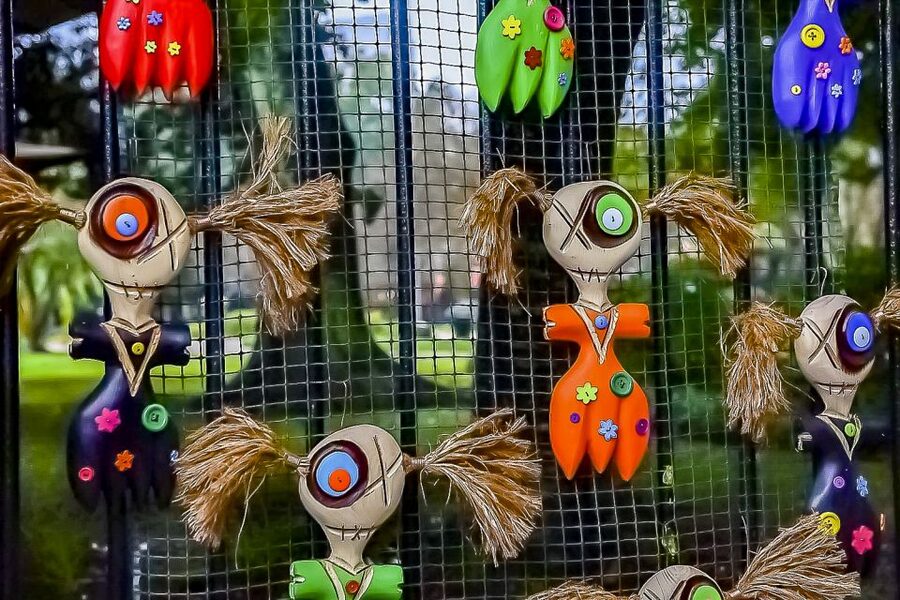
I especially like that the experience does not treat Voodoo as a costume or a collection of spooky props. The guide explains that Voodoo is still practiced today and works to correct the misinformation that often surrounds it. That matters in New Orleans, where the religion is sometimes reduced to dolls, curses, and theatrical rituals for tourists.
The tone is also part of the appeal. Guides are described as funny, engaging, and easy to follow, but the better moments come when that humor gives way to a serious explanation. Orion, in particular, has been praised for his passion for New Orleans history and for presenting the subject in a thoughtful, respectful way.
More Ghost Tours in New Orleans
- New Orleans Premier Ghost, Voodoo and Vampire Walking Tour
★ 4.5 · 12,856 reviews - Adults-Only New Orleans Ghost, Crime, Voodoo, and Vampire Tour
★ 5.0 · 6,545 reviews - St. Louis Cemetery No. 1 Official Walking Tour
★ 4.5 · 3,941 reviews
Starting in the French Quarter
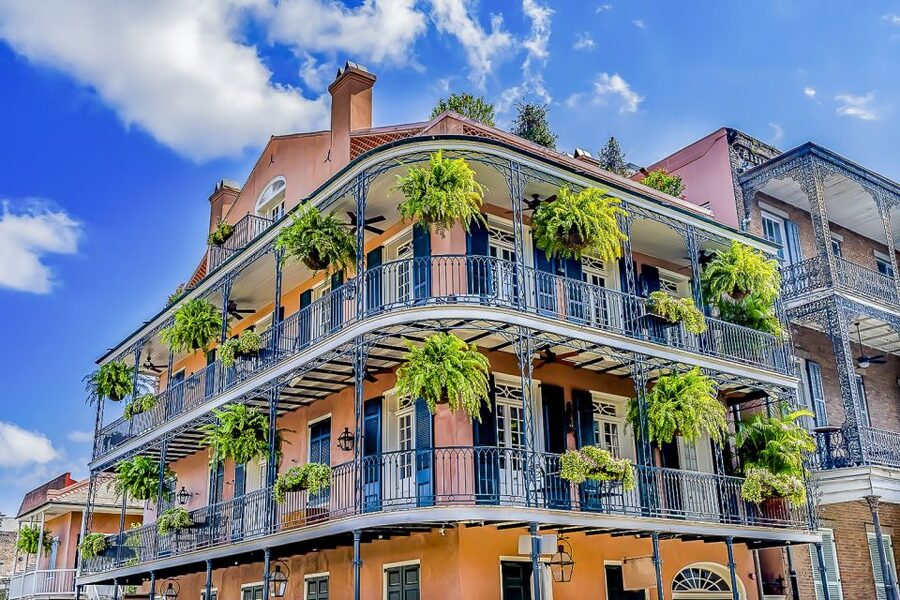
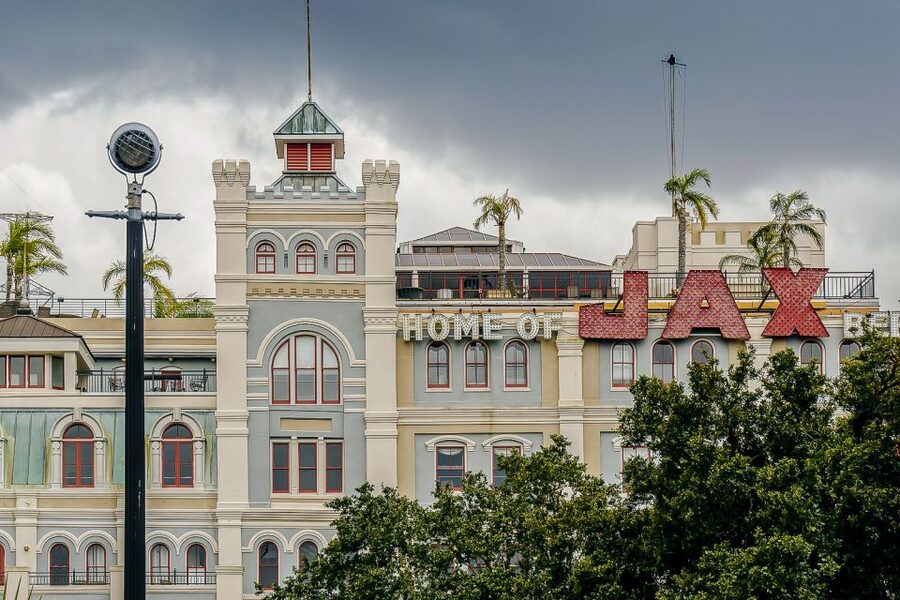
The French Quarter is an effective setting because you are not learning about New Orleans from inside a museum. You are walking through the streets where the city’s stories unfolded.
The tour uses the neighborhood as evidence. You see buildings, squares, and landmarks while the guide explains their connection to Marie Laveau and the city’s wider past. The setting gives the talk a sense of place, even when the exact details are historical rather than visibly dramatic.
Expect a walking tour rather than a staged performance. You will listen, move between locations, and pause while the guide fills in the background. The French Quarter’s compact streets make a 90-minute route practical, but the time can feel short because there is a lot to cover.
The walk is listed as wheelchair accessible. One past participant specifically praised Carlos for waiting for a wheelchair user to catch up before continuing. That is useful reassurance, though you should still arrive early and mention any needs to the guide before setting off.
Marie Laveau’s childhood home and final resting place
Marie Laveau’s life is the heart of the tour. The route includes the location associated with her childhood home and teaches you about the final resting place linked to her public memory.
That distinction is worth keeping in mind. Marie Laveau’s life has attracted generations of stories, claims, and legends, so a good guide needs to explain not only what is said about her, but also how those stories developed. The strongest guides appear to do exactly that, separating documented history from later folklore.
You will hear why she became one of New Orleans’ best-known figures and how her reputation grew beyond her own lifetime. The tour presents her as a person connected to the city’s social and spiritual life, not merely as a mysterious character from a ghost tale.
The final resting place is one of the tour’s major draws, but access conditions can change. Past tours sometimes viewed cemetery sites from the gates when closures were in place. Do not assume that every stop means entering a cemetery or tomb. The tour’s value comes from the explanation as much as the physical location.
Congo Square and the birthplace of jazz
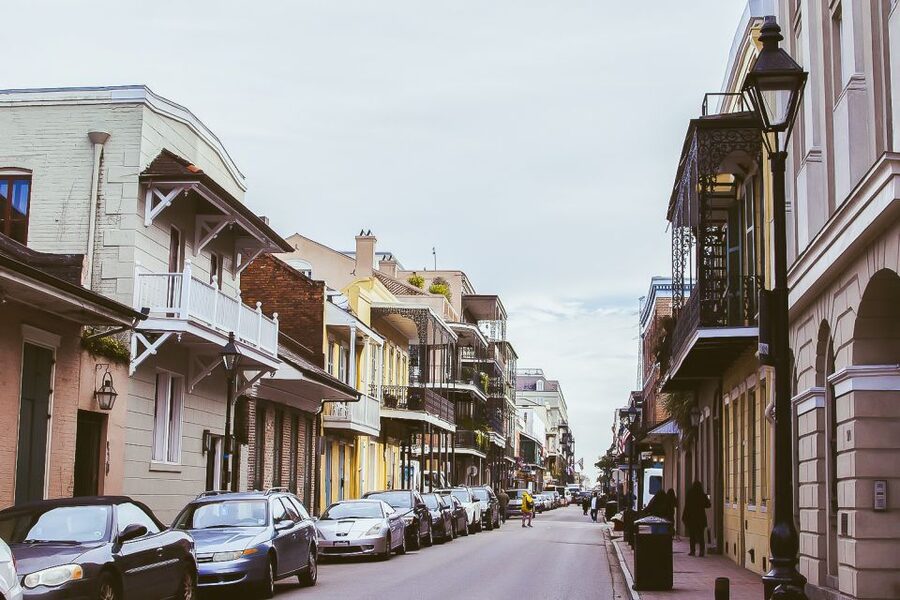
The tour also connects Voodoo with music and public gathering in New Orleans. A stop at Congo Square helps explain how African traditions survived and changed under colonial rule.
This is one of the more important parts of the route because it widens the subject beyond Marie Laveau. You begin to see how spiritual practice, music, dance, and community life were linked. The tour also visits the birthplace of jazz, adding another piece to the story of how New Orleans culture developed.
The experience does not present these subjects as isolated curiosities. Instead, the guide draws lines between the people, places, and traditions that made the city distinctive. That is useful if you want more than a list of famous names and buildings.
It also gives the tour a better balance. The Marie Laveau material attracts attention, but Congo Square and the jazz connection remind you that New Orleans culture was created by many communities over time.
A different kind of day out entirely:
- New Orleans Steamboat Natchez Jazz Cruise with Dinner Option
★ 4.0 · 7,533 reviews - New Orleans Food Walking Tour of the French Quarter with Small-Group Option
★ 5.0 · 6,118 reviews - New Orleans Swamp and Bayou Boat Tour with Transportation
★ 5.0 · 5,399 reviews - New Orleans Steamboat Natchez Jazz Cruise
★ 4.5 · 5,334 reviews
The Code Noir and the difficult parts of the story
The Code Noir is not a light subject, and its inclusion gives the tour needed historical weight. You learn about the legal framework that shaped slavery, race, religion, and daily life in French colonial Louisiana.
This context helps explain why spiritual traditions were often blended, hidden, restricted, or misunderstood. It also gives you a clearer sense of the pressures faced by people whose beliefs did not fit neatly into the categories imposed by colonial authorities.
I appreciate that the tour does not isolate Voodoo from politics and social history. The religion’s story cannot be understood through ritual alone. Laws, forced migration, Catholic influence, African traditions, and local customs all matter.
The exact amount of time spent here may depend on the guide and group questions. Guides such as Scott and Carlos have been praised for explaining difficult subjects in a way that remains understandable. If this part interests you, ask questions. The guide-led format allows for more explanation than you would get from simply visiting a shop or reading a plaque.
Entering an authentic Voodoo store
Entry to an authentic Voodoo store is included. This gives you a chance to see how Voodoo is presented in a living New Orleans setting rather than only hearing about it on the street.
The store visit should be approached as an educational stop, not as a theatrical haunted-house scene. The point is to understand objects, practices, and the way the religion is represented today. The guide can help you avoid treating unfamiliar items as oddities.
This portion may appeal to curious first-time visitors, especially if you want to see how Voodoo exists beyond popular movie images. It also gives the tour a tangible pause after the historical discussion.
Do keep your expectations sensible. The included entry does not mean you receive a private ceremony or hands-on ritual. The information provided promises access to the store, not a religious service or personal spiritual consultation.
Seeing a Voodoo temple and correcting old myths
The experience includes an opportunity to see a Voodoo temple. That is a meaningful addition because it reinforces the point that Voodoo is a living religion, not just a chapter in New Orleans’ past.
The guide also addresses popular myths. This is where the quality of the tour matters most. A careless guide could turn Voodoo into a joke. The highly praised guides instead explain what the religion is and is not, while treating its practitioners and traditions with respect.
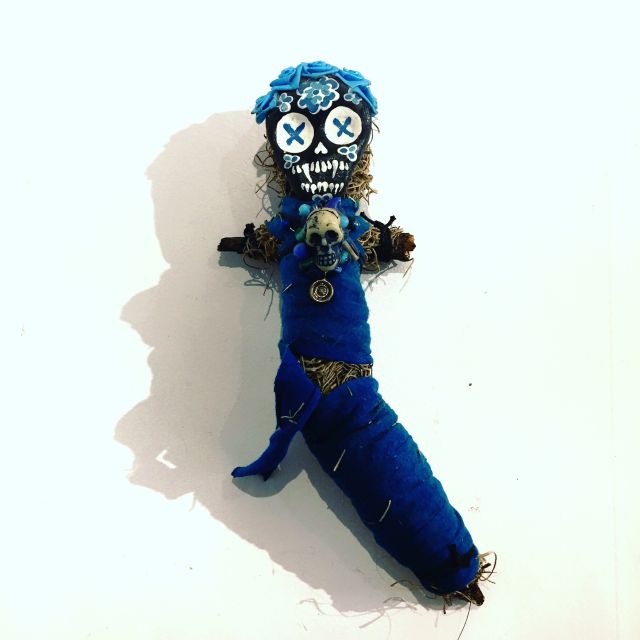
You should expect the tour to challenge familiar images. Voodoo is often presented through exaggerated stories about curses, dolls, and supernatural power. This walk aims to replace those shortcuts with historical and cultural context.
That does not mean the tour loses all mystery. New Orleans still has unusual stories, old buildings, and plenty of atmosphere. It simply places those elements behind a more accurate explanation.
The guides are the tour’s strongest feature
The guide can make or break a walking tour, and this experience has a long list of praised leaders. Orion is repeatedly singled out for his enthusiasm, accuracy, and passion for New Orleans. Gomez is described as lively, funny, and generous with local suggestions, including places to eat and drink.
Scott receives credit for correcting misinformation and explaining Voodoo clearly. Wes is praised for his personable manner and strong grasp of New Orleans history. Carlos is noted for being engaging, considerate, safe, and attentive to accessibility needs.
Other guides, including DJ, Matt, Eva, and Tim, have also received warm comments for their energy and command of the subject. Since the guide assigned to your departure can vary, you cannot count on one particular person unless the operator allows requests.
The common thread is presentation. The information is delivered in a conversational style, with occasional questions and interaction from the group. That makes a dense subject easier to absorb, especially during a warm afternoon walk.
What the 90-minute format means for you
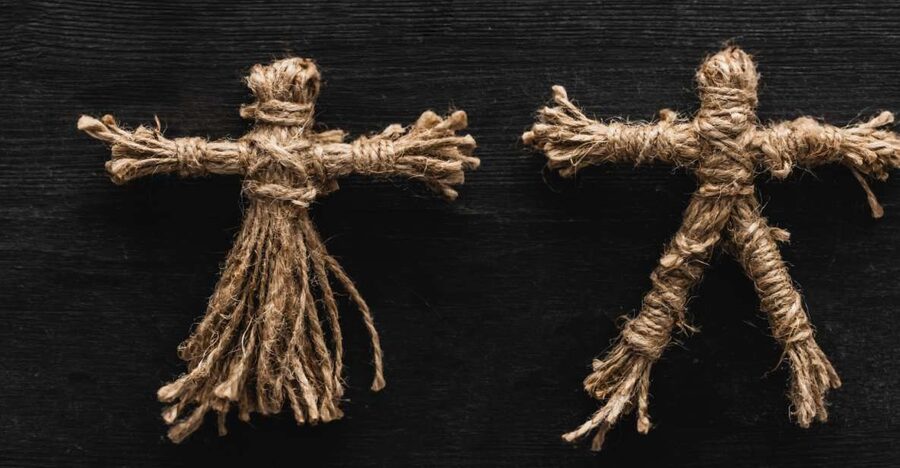
Ninety minutes is long enough to cover the main story without taking up half your day. You can fit this tour between other French Quarter plans, a meal, or a visit to another attraction.
The tradeoff is that the route moves at a steady pace. You may want the tour to last longer, especially if the guide is Orion or another strong storyteller and the group has plenty of questions. Several people have wished for more time to continue learning.
Comfort matters. Wear sturdy shoes, carry water, and plan for outdoor conditions. One direct tip from an earlier tour was to bring a water bottle and good walking shoes. That advice is simple, but it can determine whether you enjoy the final half hour.
Arrive 15 minutes before the scheduled start. There is no hotel pickup or drop-off, so you need to make your own way to the meeting point. The tour is conducted in English with a live guide.
Is $25 a fair price?
At $25 per person, this is a strong value if you want a guided introduction to New Orleans history and Voodoo. You are paying for a 90-minute walking tour, a licensed guide, and entry to an authentic Voodoo store.
The value is not in the number of attractions. You are not buying admission to a long list of formal sites. You are paying for the connections between places, people, and ideas. A good guide can explain in minutes what would take you far longer to piece together alone.
The price also compares well with the time commitment. You get a focused experience without surrendering an entire morning or afternoon. If your main interest is Voodoo, Marie Laveau, and the French Quarter, the cost is easy to justify.
I would be less enthusiastic if you want a slow cemetery visit, a long break, or a theatrical ghost production. This is an educational walking tour with spooky subject matter, not a full paranormal show.
Who should book this tour?
I would recommend it to first-time visitors who want a cultural introduction to New Orleans. It suits people who are curious about Marie Laveau but want more than sensational stories.
It is also a good choice if you have already seen the French Quarter and want to understand what lies behind its landmarks. The stops at Congo Square, the jazz birthplace, and sites connected to Marie Laveau give familiar streets a new layer of meaning.
Families can enjoy it if children are interested in history and can manage a 90-minute walk. The tone is entertaining, but the subject includes slavery, colonial law, race, and religion, so parents should decide if that fits their group.
I would skip it if you want a quiet, self-guided stroll or a break from historical explanation. You will be listening for most of the walk, and the route covers serious material along with the lighter stories.
Book with confidence if respectful cultural history matters to you. Request a guide such as Orion, Gomez, Scott, Wes, or Carlos if that is possible, but judge the tour by its subject and format rather than by one individual guide.
Should you book the Voodoo Queen Tour?
Yes, if you want a thoughtful, affordable look at Marie Laveau and the spiritual traditions of New Orleans. The best part is the way the tour corrects familiar myths while still keeping the stories entertaining.
The main caution is simple: bring water, wear good shoes, arrive early, and expect a full 90 minutes on foot. You may leave wishing for more time, but that is a better problem than leaving with only a handful of spooky clichés.
FAQ
How long is the Voodoo Queen Tour?
The walking tour lasts 90 minutes.
How much does the tour cost?
The listed price is $25 per person.
What language is the tour conducted in?
The tour is conducted in English with a live English-speaking guide.
Is a walking tour included?
Yes. The experience includes a guided walking tour through the French Quarter.
Is entry to a Voodoo store included?
Yes. Entry to an authentic Voodoo store is included.
Does the tour include hotel pickup and drop-off?
No. Hotel pickup and drop-off are not included.
Is the tour wheelchair accessible?
Yes. The activity is listed as wheelchair accessible.
What should I see on the tour?
The experience includes information about Marie Laveau’s final resting place and childhood home, the birthplace of jazz, Congo Square, the Code Noir, an authentic Voodoo store, and a Voodoo temple.
Can I cancel for a full refund?
Yes. You can cancel up to 24 hours before the scheduled activity for a full refund.
Just added in New Orleans
- New Orleans: French Quarter, Voodoo and Cultural Experience★ 4.5 · 972 reviews
- From New Orleans: Oak Alley Plantation Tour★ 4.5 · 443 reviews
- New Orleans: Bayou Tour in Jean Lafitte National Park★ 4.8 · 428 reviews
- New Orleans: Sunday Steamboat Jazz Cruise + Optional Brunch★ 4.3 · 470 reviews
- New Orleans: Whitney Plantation Tour with Transportation★ 4.7 · 619 reviews
- New Orleans: Guided Swamp Cruise by Tour Boat★ 4.7 · 570 reviews
- New Orleans: Swamp Boat Ride & Oak Alley Plantation Tour★ 4.7 · 383 reviews
- New Orleans: Oak Alley Plantation & Airboat Swamp Combo Tour★ 4.7 · 906 reviews
Ghost Tours, compared.
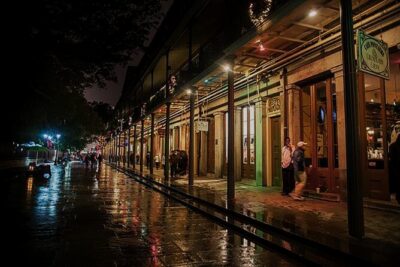
New Orleans Premier Ghost, Voodoo and Vampire Walking Tour
Read our review →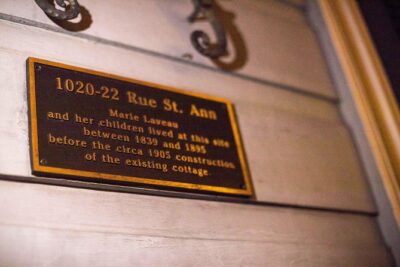
Adults-Only New Orleans Ghost, Crime, Voodoo, and Vampire Tour
Read our review →
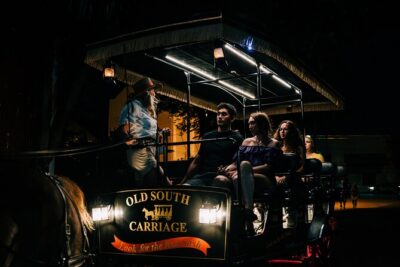
Haunted Evening Horse and Carriage Tour of Charleston
Read our review →
New Orleans Adults-Only Ghost, Voodoo and Vampire Tour
Read our review →
Savannah History and Haunts Candlelit Ghost Walking Tour
Read our review →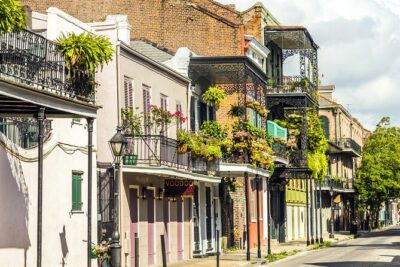
New Orleans French Quarter, Voodoo and Culture Walking Tour
Read our review →
New Orleans Haunted Ghost, Voodoo & Vampire Walking Tour
Read our review →Browse the lists this tour appears in