

Reviewed · HISTORICAL TOURS
Walking History Tour of St. Augustine’s Historic District
St. Augustine rewards slow footsteps. This walking tour links the city’s Spanish beginnings, Civil War-era stories, and Gilded Age makeover in one lively route. I especially like the way it goes beyond the usual Spanish-colonial tale, and I like the small-group limit of 15 people, which leaves room for questions. The main catch is timing: although advertised at 90 minutes, the tour often runs two hours or more.
Guide Kevin Rose is the star of the experience. He brings humor, local pride, and a remarkable command of St. Augustine’s past without sounding like he is reciting a memorized script. Bring comfortable shoes, water, and a flexible schedule. If you have another booking soon after, you may need to leave before the final stop.
In This Review
- Key points at a glance
- Why this St. Augustine walk is worth your morning
- Tolomato Cemetery and the city’s older layers
- Two churches reveal the Flagler Era
- Flagler College and Gilded Age ambition
- Plaza de la Constitucion and Florida’s seat of power
- The Castillo de San Marcos from the outside
- The old city gate and a saved landmark
- Kevin Rose’s style makes the difference
- Walking distance, group size, and comfort
- Who should book this tour?
- Value at $25 per person
- Should you book the St. Augustine history walk?
- FAQ
- How much does the Walking History Tour of St. Augustine cost?
- How long does the tour last?
- Where does the tour begin?
- Where does the tour end?
- How much walking is involved?
- Are attraction admission fees included?
- Is the tour offered in languages other than English?
- Can I cancel for a refund?
Key points at a glance
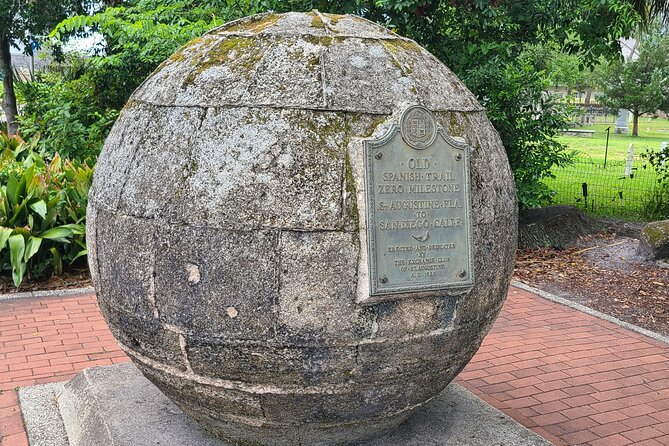
- A two-mile history lesson: The route covers about 1.7 to 2 miles through the historic district, with mostly easy walking.
- Seven meaningful stops: You see Tolomato Cemetery, two important churches, Flagler College, the central plaza, the Castillo, and the old city gate.
- More than Spanish colonial history: The tour connects the city’s founding with Henry Flagler’s late-1800s rebuilding and the Gilded Age.
- Kevin Rose’s personal touch: His humor, local knowledge, and willingness to answer questions earn especially high praise.
- Small-group format: A maximum of 15 people makes it easier to hear the guide and ask about details that catch your eye.
- Strong value at $25: The price is modest for a long, guided introduction to central St. Augustine, especially if the tour runs beyond two hours.
Why this St. Augustine walk is worth your morning
Many city tours give you a quick Spanish-colonial overview, point at the Castillo, and move on. This one tries to tell the whole local story, from the city’s earliest days through the changes brought by Henry Flagler and the Gilded Age.
That broader timeline is the tour’s best feature. You learn how the old city developed, but you also see how St. Augustine was reshaped in the late 1800s into a fashionable resort town. The result is a more useful picture of the city. St. Augustine is not just forts and Spanish flags. Its churches, cemeteries, hotels, public buildings, and civic spaces all reflect different chapters.
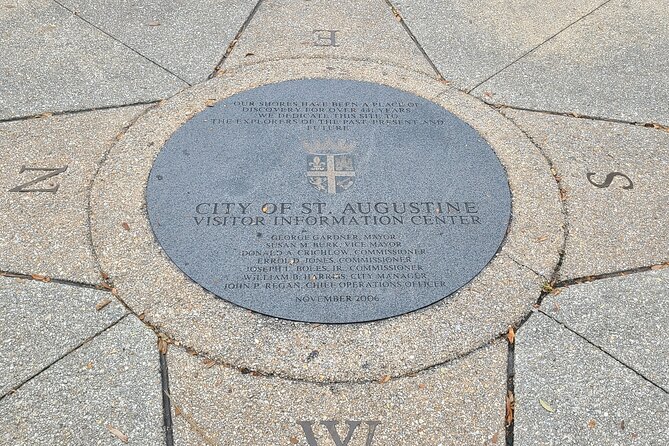
The route is also practical for first-time visitors. It begins at the St. Augustine and St. Johns County Visitor Information Center at 10 South Castillo Drive, then leads you through the historic core before returning to the same meeting point. You finish with a clearer sense of where the major sights sit in relation to one another.
At $25 per person, I consider this a good buy for anyone who wants context before exploring alone. The tour does not include admission inside the paid sites, but it still gives you a guided look at the exterior of the Castillo and passes the main attractions you are likely to visit later.
More Walking Tours in St Augustine:
- Feast of Saint Augustine Historical Walking Food Tour
★ 5.0 · 347 reviews - History and Hauntings of Salem Guided Walking Tour
★ 5.0 · 14,564 reviews - New Orleans Premier Ghost, Voodoo and Vampire Walking Tour
★ 4.5 · 12,856 reviews
Tolomato Cemetery and the city’s older layers
The first stop is Tolomato Cemetery, described as the oldest cemetery in St. Augustine. The tour presents it as predating the arrival of the Spanish in 1562, which immediately pushes you to think about the city’s past in a wider frame than the familiar colonial story.
You spend about five minutes here. That is enough for an introduction and a quick look, not a full cemetery visit. Admission is not included, so you should think of this as an outdoor stop within the walking route rather than a separate cemetery tour.
The Love Tree is also part of the stop, with the guide adding a playful warning to visit it at your own risk. That bit of humor helps set the tone. This is a history tour, but it is not meant to feel stiff or classroom-like.
Two churches reveal the Flagler Era
Grace United Methodist Church gives you an early look at the Flagler Era. Henry Flagler played a major role in reshaping St. Augustine in the late 1800s, and the church helps show that his influence reached beyond hotels and tourism.
You spend about five minutes here, likely hearing how the church fit into the city’s revival and modernization. The stop is brief, but it helps connect architecture to the larger changes taking place around St. Augustine.
The next church, Memorial Presbyterian Church, receives more time, about 10 minutes. The tour presents it as one of the city’s most beautiful buildings and explains the sad story behind its creation. That human element matters. Instead of treating the church as a pretty façade, the guide connects its design to loss, memory, and the people who shaped the city.
This is one of the tour’s strengths. Architecture becomes a doorway into personal stories, not just a list of dates and construction styles. Admission is not included at either church, so do not expect an interior visit as part of the $25 experience.
Flagler College and Gilded Age ambition
Flagler College occupies the former Ponce de Leon hotel, a building created to display wealth and luxury during the Gilded Age. The tour uses it to explain how St. Augustine changed from an old colonial settlement into a destination designed to impress wealthy visitors.
The scheduled stop is about five minutes, which is short. You should not expect a full interior tour or a detailed examination of every architectural feature. Instead, the guide gives you the historical setting, explains the hotel’s importance, and shows how Flagler’s plans altered the city.
That brief stop can be especially useful if you plan to tour Flagler College separately. You will already understand why the former hotel matters and what to look for. Admission is not included, and the tour itself focuses on the historical presentation rather than a full college visit.
I like that Flagler College appears alongside the colonial sites. It keeps the experience from becoming a narrow account of forts and governors. The Gilded Age story gives St. Augustine a second personality, one built around railroads, grand hotels, and ambitious redevelopment.
More History Tours in St Augustine:
- Private Guided Historic Electric Cart Tour of St. Augustine
★ 5.0 · 1,194 reviews - Guided Historical Tour of St. Augustine Per Person
★ 5.0 · 470 reviews - Ghost Tour of St. Augustine: The Original Haunted History Tour
★ 5.0 · 386 reviews - New York City: American Museum of Natural History Ticket
★ 4.5 · 15,447 reviews
Plaza de la Constitucion and Florida’s seat of power
Plaza de la Constitucion is the tour’s central civic stop. Founded in 1599 by royal decree, the plaza served as an important public space, while the Government House nearby functioned as Florida’s seat of power for nearly 250 years.
You spend roughly 10 minutes here. The guide explains how the plaza developed, what happened to the governors who lived and worked nearby, and how the Government House was recreated in 1933 through a Works Progress Administration project.
That last detail adds useful perspective. What you see today is not simply a preserved colonial scene. It also reflects a 20th-century effort to restore and reinterpret the city’s past. St. Augustine’s historic district has been shaped by preservation as well as by the original buildings and streets.
There is no admission charge for this stop. It is also a good place to pay attention to the city’s public life, since the plaza helps you understand how power, religion, commerce, and daily activity came together in the old center.
The Castillo de San Marcos from the outside
The Castillo de San Marcos National Monument is the longest scheduled stop, at about 15 minutes. A licensed fort guide explains the history of St. Augustine’s forts, the construction of the Castillo, and its importance to both the city and the nation.
The tour covers the exterior rather than taking you inside. Admission is not included, so plan a separate visit if you want to explore the fort’s rooms, walls, and exhibits.
Still, an exterior explanation is valuable. The massive stone structure can be hard to understand when you simply walk around it and take photographs. A guide can point out why its construction mattered and how the forts helped shape St. Augustine’s survival and identity.
This stop also gives you a chance to ask questions. The small group helps here, since you are not trying to hear a speech over a large crowd. Keep in mind that the fort stop comes near the end, which makes the longer running time important. One person had to leave before reaching it because the tour had taken longer than expected.
The old city gate and a saved landmark
The final stop is City Gate Spirits, at the traditional entrance to St. Augustine. The guide discusses the gate’s construction and the effort that saved it from demolition.
You spend about five minutes here. It is a compact stop, but it helps you picture how people entered the old city and how easily historic structures can disappear when a town modernizes.
The gate also brings the preservation theme into focus. St. Augustine’s old streets and buildings may look permanent now, but their survival required choices and, in some cases, determined local action.
After the gate, the tour returns to the Visitor Information Center. Since the route begins and ends at the same place, you are well positioned to continue exploring on foot or return to your car and make a new plan.
Kevin Rose’s style makes the difference
The guide can make or break a history walk. Here, Kevin Rose receives consistent praise for his humor, energy, and ability to explain complicated subjects in a clear way.
He welcomes questions and often follows them into related stories. That is part of why the tour tends to run long. Several groups finished after two hours, even though the scheduled duration is 90 minutes. Kevin himself acknowledges that he gets carried away with the stories and questions.
I see that as both a strength and a planning issue. If you enjoy history, the extra time feels like a bonus. You may hear details about St. Augustine, Florida, and local people that would never fit into a rigid script. If you have a restaurant reservation, museum entry, or other timed activity, leave a wide gap afterward.
His delivery also seems to suit different ages. The tour is described as casual, engaging, and comfortable for families as well as couples and friends. The humor keeps the pace from becoming dry, while the historical detail gives serious history fans something to enjoy.
The published score is five stars from 1,152 ratings, with 100 percent recommending the experience. That is unusually strong, and the praise centers on the same qualities: clear storytelling, local pride, humor, and a willingness to answer questions.
Walking distance, group size, and comfort
The route covers nearly two miles, with one description putting the distance at about 1.7 miles. The walking itself is generally easy, but you are on your feet through the historic district for the full experience.
Wear supportive shoes. This is not the time for footwear chosen only for photographs. Bring bottled water as well, especially in warm weather, since the route includes outdoor stops and the actual tour may last much longer than planned.
The group limit is 15 people. That is small enough for a personal feel without making the tour a private outing. It also gives you a better chance of hearing Kevin and asking about a detail that catches your attention.
A moderate level of physical fitness is recommended. Service animals are allowed, and the meeting point is near public transportation. The tour is offered in English, with a mobile ticket.
Weather matters. The experience requires good conditions, and poor weather can lead to cancellation. One cancellation caused a serious communication problem for a couple who had driven two hours, although the operator said it had sent emails and attempted calls and texts. To protect yourself, check your email before leaving and use the direct contact information provided after booking.
Who should book this tour?
I would choose this walk for a first visit to St. Augustine, especially if you want a useful orientation before touring the Castillo, Flagler College, or other sites on your own.
It is a strong fit for:
- History fans who want more than a short Spanish-colonial overview
- Couples and families who enjoy stories mixed with humor
- People who prefer walking and conversation to a large trolley tour
- Visitors curious about both colonial St. Augustine and the Gilded Age
- Anyone who likes asking questions rather than following a fixed speech
It may be less suitable if you want to enter every attraction during one outing. The paid sites are viewed from outside, and admission is not included. It is also not ideal for a tightly scheduled morning, since the tour may run well beyond 90 minutes.
Value at $25 per person
The $25 price is modest for a guided walk covering major parts of the historic district. You get a route that links seven significant places, a guide who can answer questions, and a framework that helps you make better use of later visits.
The best value comes from the context. You can look at the Castillo, churches, plaza, and Flagler College on your own, but it takes more effort to understand how they fit together. A good guide saves you that work and adds stories that are easy to miss from a sign or brochure.
The tradeoff is that the ticket does not cover admission inside the churches, Flagler College, or Castillo. Treat this as a guided introduction, not an all-inclusive attraction pass.
Free cancellation is available if you cancel at least 24 hours before the start time. Cancellations within 24 hours are not refunded. If bad weather or an insufficient number of bookings causes the operator to cancel, you are offered another date or a full refund.
Should you book the St. Augustine history walk?
Book it if you want an engaging introduction to the city and can keep your schedule open. The combination of colonial sites, Flagler-era buildings, cemetery stories, and preservation history gives you much more than a quick fort-and-plaza stroll.
I would book early, since the tour is often reserved about 16 days ahead and the group is capped at 15 people. Choose a day when you can allow two hours or more, wear comfortable shoes, and plan your indoor attraction visits separately.
Skip it if you need guaranteed 90-minute timing, want extensive interior access, or prefer to explore without a guide. For most history-minded visitors, though, the price is fair and Kevin Rose’s lively storytelling adds real value.
FAQ
How much does the Walking History Tour of St. Augustine cost?
The tour costs $25 per person.
How long does the tour last?
The scheduled duration is about 1 hour and 30 minutes. In practice, it may last two hours or longer because the guide often spends extra time answering questions and sharing stories.
Where does the tour begin?
The meeting point is the St. Augustine and St. Johns County Visitor Information Center at 10 South Castillo Drive, St. Augustine, Florida 32084.
Where does the tour end?
The tour ends back at the same meeting point.
How much walking is involved?
The route covers nearly two miles, or about 1.7 miles according to the tour information. A moderate level of physical fitness is recommended.
Are attraction admission fees included?
No. Admission is not included for Tolomato Cemetery, Grace United Methodist Church, Memorial Presbyterian Church, Flagler College, or the Castillo de San Marcos. The Plaza de la Constitucion and City Gate Spirits stops are listed as free.
Is the tour offered in languages other than English?
No. The tour is offered in English.
Can I cancel for a refund?
You can receive a full refund if you cancel at least 24 hours before the start time. Cancellations or changes made within 24 hours are not refunded. If the tour is canceled because of poor weather or because the minimum number of bookings is not met, you are offered another date or a full refund.
Just added in St Augustine
- Wine Tasting Cruise in St. Augustine★ 5.0 · 426 reviews
- The Original Haunted Pub Tour★ 4.5 · 382 reviews
- St. Augustine’s Wine, Cocktail and Food Experience★ 5.0 · 1,251 reviews
- Old Jail Museum Tour in St. Augustine★ 5.0 · 717 reviews
- Private Guided Historic Electric Cart Tour of St. Augustine★ 5.0 · 1,194 reviews
- Sunset Cruise of St. Augustine★ 5.0 · 1,235 reviews
- Nights of Lights Boat Cruise★ 4.5 · 382 reviews
- St. Augustine Live Music Cruise with Drinks and Sunset Option★ 5.0 · 315 reviews
Historical Tours, compared.


History and Hauntings of Salem Guided Walking Tour
Read our review →
Charleston’s Old South Carriage Historic Horse & Carriage Tour
Read our review →

Big Island in a Day: Volcanoes Waterfalls Sightseeing and History
Read our review →
Freedom Trail History Small Group Walking Tour
Read our review →
Historic Charleston Guided Sightseeing Walking Tour
Read our review →
Starship Landmark 90 Minute Sightseeing Cruise
Read our review →Browse the lists this tour appears in