
Reviewed · MUSEUMS
Musicians Hall of Fame and Museum Admission Ticket in Nashville
The players behind the stars matter. Nashville’s Musicians Hall of Fame and Museum gives you a close look at the working musicians, instruments, recording rooms, and technical gear that helped shape famous songs. I like the focus on the people behind the performances, and I like that the ticket includes the hands-on GRAMMY Museum Gallery®. The main caution is simple: this is a music-history museum, so visitors wanting only modern Nashville or country music may find parts of it less appealing.
I also like the freedom to spend one hour or most of an afternoon here. You can study the displays at your own pace, then try drums, keyboards, guitar, bass, singing, DJ equipment, and recording activities. It is about a 15-minute walk from Nashville’s main Broadway area, and parking can involve a longer walk, so plan that part before you arrive.
In This Review
- Quick takeaways
- Why this museum adds something different to Nashville
- Entering the Musicians Hall of Fame
- The instruments behind familiar songs
- Jack’s Tracks and the machinery of a hit
- Jimi Hendrix’s stage and the power of place
- The GRAMMY Museum Gallery® puts you to work
- How much time should you allow?
- Is the $28 ticket a good value?
- Getting there and planning around downtown
- Who will enjoy it most?
- My verdict: book it if the studio story interests you
- FAQ
- How much does admission to the Musicians Hall of Fame and Museum cost?
- How long does a visit usually take?
- What are the museum’s opening hours?
- Is the GRAMMY Museum Gallery® included?
- Can I play instruments at the museum?
- Can I see something connected with Jimi Hendrix?
- Is the museum suitable for most people?
- Can I cancel for a refund?
Quick takeaways
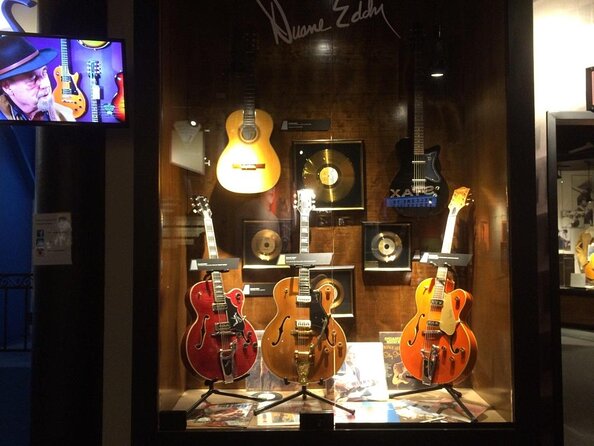
- Joe Osborn’s Fender bass: See the instrument used on recordings by The Carpenters, The Mamas and the Papas, The Grass Roots, and Simon and Garfunkel.
- Jimi Hendrix’s original stage: The museum preserves the stage where a young Hendrix once performed.
- Behind-the-scenes music making: Explore songwriting, engineering, producing, singing, recording, and DJ exhibits.
- Hands-on fun for families: Play instruments, sing with Ray Charles and the Raelettes, and experiment with studio equipment.
- Broad American music coverage: The collection reaches beyond country music into many styles and eras.
- Flexible visit length: Allow one to three hours, depending on how much you read and how long you spend in the interactive area.
Why this museum adds something different to Nashville
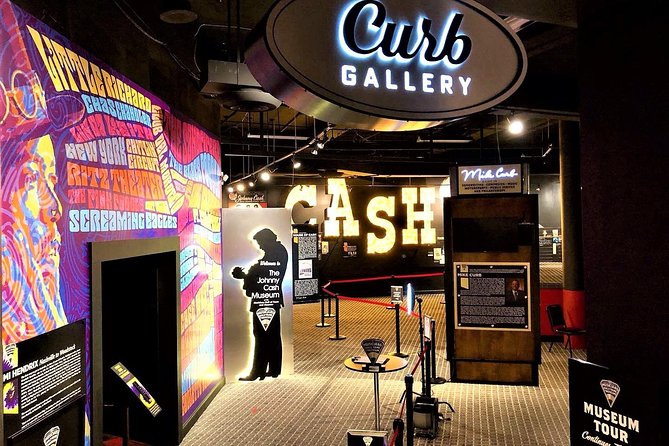
Nashville is famous for singers, songwriters, and country music, but a recording is never made by one person alone. The Musicians Hall of Fame and Museum puts the spotlight on the players who supplied the rhythm, melody, backing vocals, and studio skill behind major recordings.
That change in focus is the museum’s main strength. You will see famous names, but you will also learn about the bass players, drummers, engineers, producers, and session musicians who often received less public attention than the lead artist.
I find that especially useful if you already know Nashville’s headline attractions. The Country Music Hall of Fame centers on country music and its major figures. This museum takes a wider view of American popular music, with displays organized through different genres and periods.
You may find that some displays feel more historical than current. One comment described the collection as light on recent material, so this is better for understanding how recordings were made and how musicians worked than for keeping up with today’s chart stars.
More Museum Tours in Nashville:
- Country Music Hall of Fame and Museum Admission
★ 4.5 · 1,918 reviews - Nashville: Country Music Hall of Fame and Museum
★ 4.7 · 945 reviews - NYC: 9/11 Memorial & Museum Timed-Entry Ticket
★ 4.8 · 31,428 reviews
Entering the Musicians Hall of Fame
Your admission gives you access to the Musicians Hall of Fame and Museum in downtown Nashville. The museum is open Monday through Saturday from 10 a.m. to 5 p.m., and admission is listed at $28 per person.
There is no fixed guided schedule to follow. That matters because you can move slowly through the displays, skip material that does not interest you, and return to the interactive areas when they are free. A quick visit can take about an hour, while a careful visit with films and hands-on activities can stretch to three hours.
The museum’s appeal begins with the objects themselves. Instruments are not just decoration here. Their connection to specific recordings gives each one a practical story: who played it, what it sounded like, and how it contributed to a song people still recognize.
That approach works well for both serious music fans and casual visitors. You do not need to know every musician in advance. The displays provide context, and the range of material gives you plenty of chances to recognize a familiar name or recording.
The instruments behind familiar songs
One of the strongest examples is Joe Osborn’s Fender jazz bass. The instrument was used on hit songs associated with The Carpenters, The Mamas and the Papas, The Grass Roots, and Simon and Garfunkel.
Seeing a single bass linked to so many well-known recordings helps explain the role of a session musician. A lead singer may receive the credit, but the groove underneath the song can depend on a player whose work is heard more than seen.
You will also find musical instruments and artifacts connected with many major performers. The museum presents these items with information about the musicians and the recordings, giving you reasons to pause instead of simply walking past a wall of memorabilia.
The collection covers American music beyond one narrow category. You might find country-related material, but you will also encounter displays tied to rock, pop, soul, and other styles. That broad range is one reason I would choose this museum for a mixed-interest group.
A music fan can focus on instruments and recording details. Someone else in your group can read the artist stories, watch a film, or head to the interactive displays. That flexibility keeps the visit from feeling like a long corridor of objects behind glass.
Jack’s Tracks and the machinery of a hit
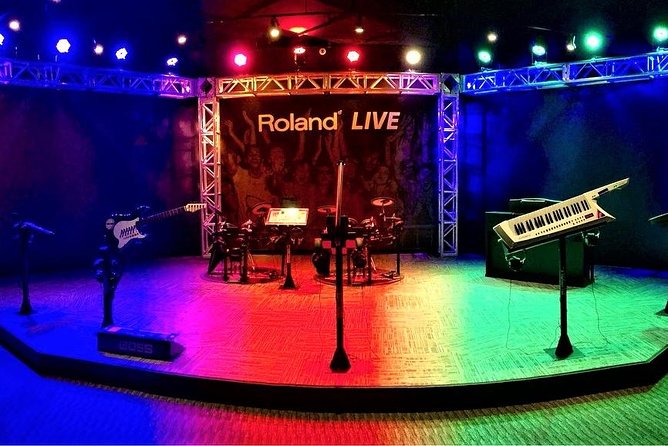
The control board from Jack’s Tracks Recording Studio is another major exhibit. Garth Brooks recorded most of his hits there, making the board a useful reminder that the final sound of a song depends on studio decisions as much as live performance.
For you, the value is in seeing the equipment that shaped the recording process. The display connects a physical object to choices made in a studio: balancing instruments, handling vocals, and turning many separate sounds into one finished track.
The museum also covers songwriting, engineering, and producing. These areas help answer questions that often get overlooked by casual music attractions. Who builds the arrangement? How does a producer shape a performance? What does an engineer actually do when a band records?
You can get a sense of those jobs through the hands-on displays in the GRAMMY gallery. The museum does not treat music as magic that simply happens when a famous person steps up to a microphone. It shows the work behind the finished song.
A few more options to weigh up in Nashville
- Nashville Hop On Hop Off Trolley Tour
★ 4.5 · 5,643 reviews - Nashville: Food Tour with 5+ Tastings of Local Delicacies
★ 5.0 · 2,704 reviews - Best of Nashville City Sightseeing Tour on Double Decker Bus
★ 4.5 · 2,601 reviews - Explore the City of Nashville Sightseeing Tour by Golf Cart
★ 5.0 · 2,544 reviews
Jimi Hendrix’s stage and the power of place
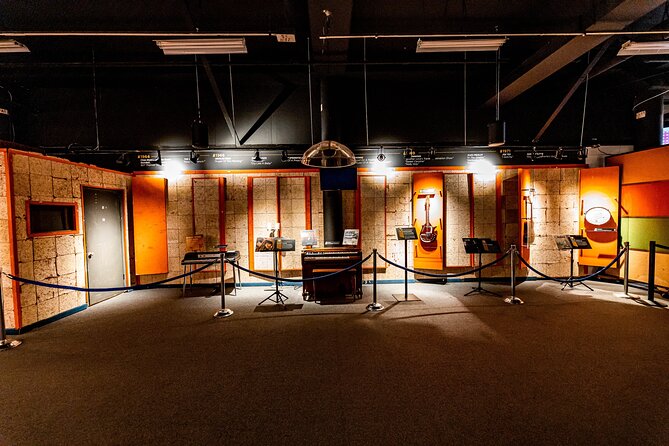
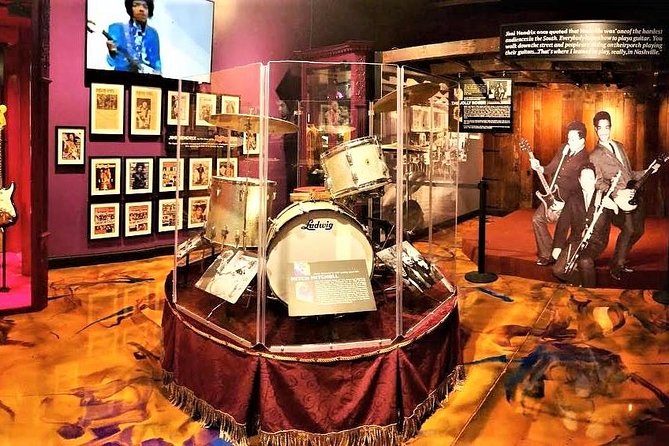
The original stage where a young Jimi Hendrix once performed is included with admission. It is a striking object because a stage is usually temporary, then removed or forgotten. Here, the platform becomes part of the story.
The Hendrix area receives particular attention for good reason. It links a legendary performer with a real physical setting, giving you something more tangible than a photograph or a name on a plaque.
The stage may be most meaningful if you already enjoy Hendrix’s music, but it also works as a visual reminder of how much can happen on a small performance platform. The museum uses objects like this to connect broad music history with specific places and tools.
If you are trying to see everything in one quick pass, do not rush this section. The displays reward a little reading, especially if you want to understand the person behind the artifact rather than just collect a few famous names.
The GRAMMY Museum Gallery® puts you to work
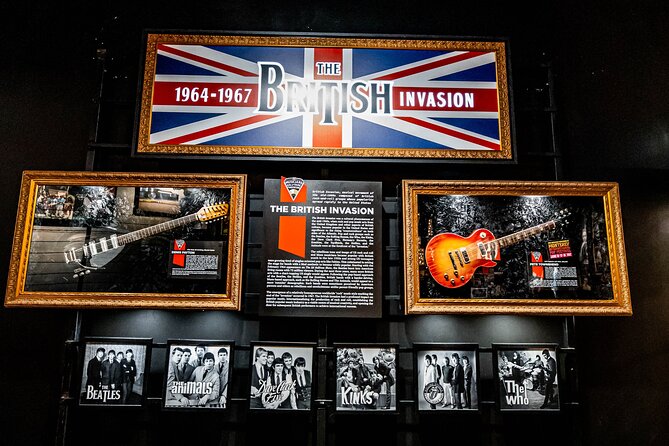
The included GRAMMY Museum Gallery® is where the visit becomes more active. With headphones, you can play electric drums, keyboard, bass, and guitar without turning the gallery into a wall of noise.
You can also sing along with Ray Charles and the Raelettes. That is a fun way to make the music personal, even if your singing belongs safely behind private headphones.
The gallery includes activities tied to singing, recording, and DJing. You can step into a booth and get a feel for what it takes to cut a record, rather than simply reading about the process.
Songwriting, engineering, and producing displays add another layer. I especially like this for families and groups with different ages because it turns a passive museum visit into something people can try together.
There is also a recording studio and rehearsal room for visitors who want a fuller recording experience. The exact amount of time you spend here will depend on interest and how busy the interactive area is, but the design gives you a reason to stay longer than the standard one-hour museum visit.
One practical point: the interactive section may not be equally satisfying for every adult. If you are mainly interested in artifacts and music history, you may spend only a short time here. If you visit with teenagers or children, this could become the part they remember best.
How much time should you allow?
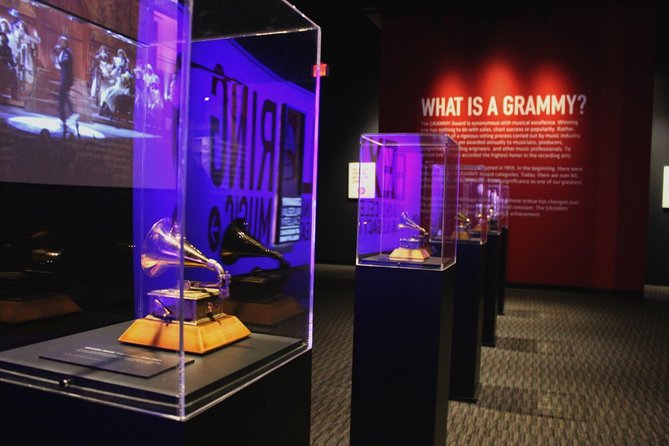
The official estimate is one to three hours. I would allow at least 90 minutes so you can see the primary displays without racing, then add time if you want to use the instruments and recording activities.
A quick one-hour visit can work if you read selectively and focus on the famous artifacts. A three-hour visit is realistic if you watch films, examine the displays in detail, and take turns in the interactive areas.
The museum is open from 10 a.m. to 5 p.m., Monday through Saturday. Since the admission is valid for the museum visit during opening hours, arriving earlier gives you more room to set your own pace. The information provided does not list Sunday hours, so check the selected date before planning a Sunday visit.
The group limit is listed as a maximum of 100 people. That is a sizable possible group, though the museum format still lets you move independently rather than remain with a guide.
Is the $28 ticket a good value?
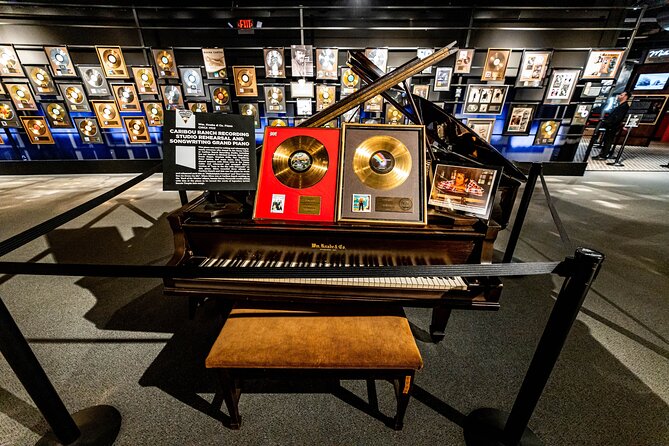
At $28 per person, this is not the cheapest quick stop in downtown Nashville. It becomes a better value when you use both parts of the admission: the Musicians Hall of Fame displays and the GRAMMY Museum Gallery® activities.
For a one-hour visit focused only on reading display labels, the price may feel less convincing. Several hours of music stories, historic instruments, films, and interactive exhibits make the cost easier to justify, especially for families or anyone who enjoys the technical side of recording.
The ticket also compares well for a group with mixed interests. One person can study artist memorabilia while another plays guitar or explores the recording booth. You do not have to buy a second ticket for the GRAMMY gallery, which is an important part of the value.
I would not book it solely because it is in Nashville. Book it because you want to understand how music is made, who helped make it, and what the studio process involves.
Getting there and planning around downtown
The museum is near public transportation, which gives you an alternative to driving. If you walk from the main Broadway area, allow roughly 15 minutes based on the route described by the attraction.
Driving may be less convenient than expected. One account described a long walk from the parking garage, so do not assume you will step out of your car at the museum entrance. Comfortable shoes are sensible, especially if you are already spending the day walking downtown.
The museum is slightly away from the loudest part of Nashville’s main entertainment strip. That is a drawback if you want every attraction packed tightly together, but it can also make a useful break from Broadway’s noise and crowds.
Confirmation is provided at booking. Most people can take part, and the experience is offered in English. There is no guide name to note because this is a museum admission visit rather than a tour led by a named guide.
The attraction requires good weather, and if poor weather causes a cancellation, you can be offered another date or a full refund. You can cancel for a full refund up to 24 hours before the experience start time. Inside that 24-hour window, refunds and changes are not accepted.
Who will enjoy it most?
I would recommend this museum to anyone who likes music but wants more than a display of costumes and famous faces. The strongest audience includes recording enthusiasts, fans of classic American music, families with teenagers, and visitors who enjoy interactive exhibits.
It is also a good choice for a group where not everyone listens to the same style. The collection is not limited to country music, and the displays move across genres and eras.
You may want to choose another attraction if your main goal is current music, a live show, or a highly guided storytelling experience. The museum asks you to read, look, listen, and experiment on your own.
For children, the interactive section provides the clearest reason to visit. For adults, the instruments, studio equipment, Hendrix stage, and recording stories are likely to carry the most weight.
My verdict: book it if the studio story interests you
I would book the Musicians Hall of Fame and Museum if you have at least 90 minutes in Nashville and want to see how famous recordings came together. The combination of Joe Osborn’s bass, Jack’s Tracks control board, Jimi Hendrix’s stage, and the GRAMMY gallery gives the visit a clear purpose.
I would be less eager to recommend it for someone who wants only the biggest modern stars or a strictly country-focused museum. The collection leans toward music history, older recordings, and the people working behind the lead performer.
For the best value, arrive with time to read, use the interactive equipment, and watch the films. At $28, it is a solid choice for music lovers and families, particularly if you treat it as a two-hour or three-hour stop rather than a quick photo opportunity.
FAQ
How much does admission to the Musicians Hall of Fame and Museum cost?
Admission is $28 per person. The ticket includes the Musicians Hall of Fame and Museum and access to the interactive GRAMMY Museum Gallery®.
How long does a visit usually take?
Plan for approximately one to three hours. A shorter visit works for a quick look, while a longer visit allows time for films, detailed displays, and interactive activities.
What are the museum’s opening hours?
The museum is open Monday through Saturday from 10 a.m. to 5 p.m. The supplied information does not list Sunday opening hours.
Is the GRAMMY Museum Gallery® included?
Yes. Access to the interactive GRAMMY Museum Gallery® is included with admission.
Can I play instruments at the museum?
Yes. The interactive gallery allows you to play electric drums, keyboard, bass, and guitar. You can also try singing, recording, producing, songwriting, engineering, and DJ activities.
Can I see something connected with Jimi Hendrix?
Yes. Admission includes access to the original stage where a young Jimi Hendrix performed.
Is the museum suitable for most people?
Most people can participate, and the museum is near public transportation. The experience is offered in English and has a maximum listed capacity of 100 people.
Can I cancel for a refund?
You can cancel at least 24 hours before the experience start time for a full refund. Cancellations or changes made less than 24 hours before the start time are not accepted for a refund.
Just added in Nashville
- Nashville Rollin Jamboree Comedy & Country Music Sing-Along Tour★ 5.0 · 965 reviews
- Delicious Donuts of Nashville: A Sweet City Walking Adventure★ 5.0 · 979 reviews
- “Murder in Music City” Night-Time Ghost Walking Tour of Nashville★ 4.5 · 742 reviews
- Open-Air Minibus Sightseeing Tour of Nashville★ 5.0 · 594 reviews
- Nashville Combo Tour: Sightseeing, Murals & Brewery/Distillery★ 5.0 · 641 reviews
- The Ghosts of Nashville Night-Time Walking Tour★ 4.5 · 799 reviews
- Nashville E-Bike Tour: Explore the Heart of Music City★ 5.0 · 444 reviews
- 60 Minute Escape Game at Opry Mills★ 5.0 · 370 reviews
Museums, compared.
Empire State Building Tickets – Observatory & Museum
Read our review →

9/11 Memorial, Ground Zero Tour with Optional 9/11 Museum Ticket
Read our review →

All-Access 9/11: Ground Zero Tour, Memorial and Museum, One World Observatory
Read our review →
Browse the lists this tour appears in