

Reviewed · MUSEUMS
Nashville: Country Music Hall of Fame and Museum
Country music tells America’s story. Nashville’s Country Music Hall of Fame and Museum makes that story easy to follow, from early recordings and working musicians to modern stars, gold records, stage clothes, instruments, and handwritten lyrics. I like the freedom of the self-guided format, and I like how the museum gives equal attention to sound, image, and personal stories.
The museum is also a good choice if your group has mixed musical tastes. You can spend time with Patsy Cline, Elvis, classic country performers, or current names such as Kane Brown and Lainey Wilson. My main caution is simple: two hours is not enough for many people. The building is large, and afternoon crowds can make popular displays slower to see.
In This Review
- Key points to know before you go
- Starting at 222 Rep. John Lewis Way South
- How the museum builds country music’s story
- Costumes, instruments, cars, and gold records
- Films, listening stations, and hands-on moments
- The Taylor Swift Education Center
- American Currents and changing exhibitions
- The Hatch Show Print Haley Gallery
- Ending in the Hall of Fame Rotunda
- How long should you stay?
- Who will enjoy this most?
- Practical advice for a smoother visit
- Is the $31 ticket worth it?
- Should you book the Country Music Hall of Fame?
- FAQ
- Where is the Country Music Hall of Fame and Museum?
- How much does admission cost?
- How long is the ticket valid?
- Is the visit guided?
- What is included with admission?
- Can I attend a songwriting program or artist interview?
- Is the museum wheelchair accessible?
- Can I bring food, drinks, or luggage?
Key points to know before you go
- Plan for two to four hours: The ticket is valid for one day, and the large collection rewards a relaxed visit rather than a quick walk-through.
- Follow country music from its beginnings to today: Displays connect early traditions with current performers, so you are not limited to one era.
- Expect more than glass cases: Listening stations, films, photo archives, interactive displays, and occasional hands-on programs keep the visit active.
- Save time for the Hall of Fame Rotunda: The final room, with its artists’ plaques, gives the museum a powerful closing moment.
- Check the Taylor Swift Education Center schedule: Weekend programs may include instruments, songwriting, artist interviews, and panel discussions.
- Bring a light day bag: Food, drinks, luggage, and large bags are not allowed inside.
Starting at 222 Rep. John Lewis Way South
Your visit begins inside the museum at the Information Desk, at 222 Rep. John Lewis Way S in downtown Nashville. This is a central location for a day of sightseeing, and the museum works well as an anchor between other downtown stops.
The admission costs $31 per person. That is a fair price if you like music museums and plan to stay for several hours. A quick visit of 60 to 90 minutes would feel expensive, but two and a half to four hours gives the ticket much better value.
There is no standard guide leading you from room to room. You set the pace, choose what to read, and decide which recordings or films deserve your time. Some visitors use handheld audio devices, while the museum also provides listening stations and other media as part of the galleries.
That freedom matters. If you arrive with children or with someone who only knows a few country performers, you can skip long text panels and focus on costumes, cars, instruments, and film. If you are a serious fan, you can slow down and read the details behind each artist and object.
More Museum Tours in Nashville:
- Country Music Hall of Fame and Museum Admission
★ 4.5 · 1,918 reviews - NYC: 9/11 Memorial & Museum Timed-Entry Ticket
★ 4.8 · 31,428 reviews - NYC: Empire State Building Tickets – Observatory & Museum
★ 4.7 · 25,757 reviews
How the museum builds country music’s story
The best part of the museum is its broad timeline. You are not simply walking past famous outfits. You are seeing how country music developed through artists, instruments, recording technology, radio, television, performance, and changing public tastes.
The exhibits use photographs, artifacts, lyrics, recordings, text panels, and archival footage. Each format does a different job. A handwritten lyric shows the work behind a song. A stage outfit shows how an artist created a public identity. A recording station lets you hear the music instead of treating it as a relic.
This mix also helps if country music is not your usual choice. One visitor who did not consider country a favorite still found the museum a worthwhile learning experience, partly because the displays connect music with family memories and American culture.
Give yourself time to move between older and newer material. The museum covers the early days of country music, established performers, and current stars. That range pleased families with different favorites, including older artists such as Patsy Cline and newer performers such as Kane Brown and Lainey Wilson.
Costumes, instruments, cars, and gold records
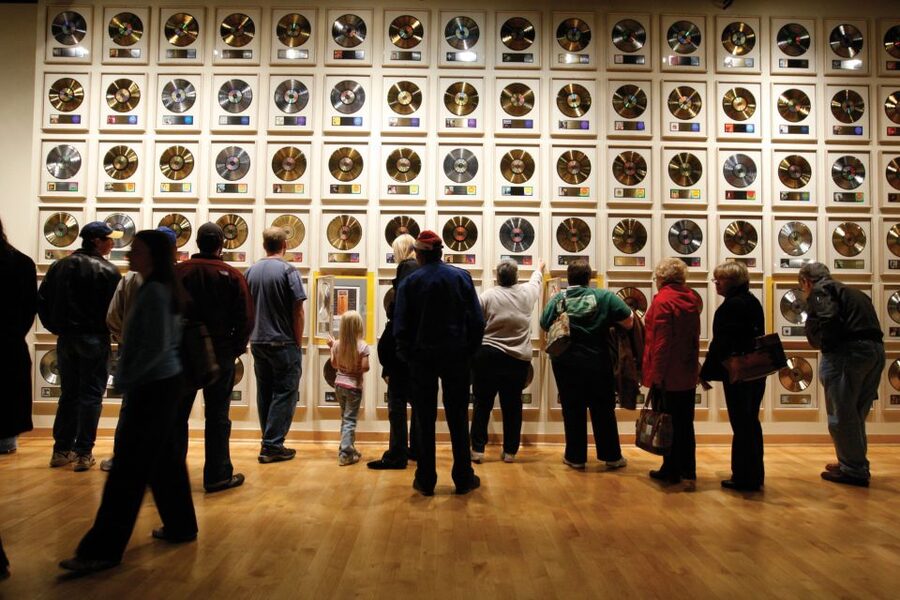
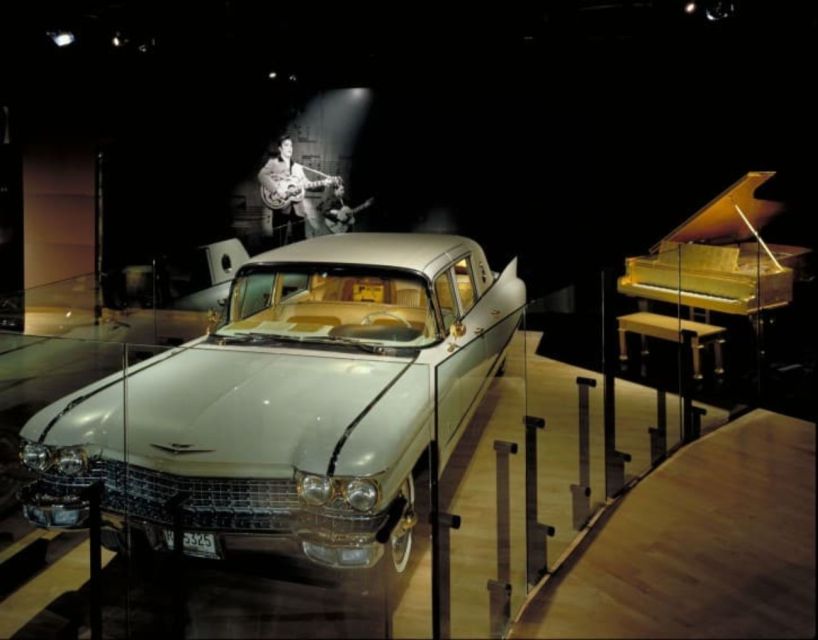
The physical objects give the museum much of its emotional pull. Awards and gold records catch your eye, but the costumes often tell a more personal story. Gowns, stage clothing, and performance outfits show how artists presented themselves under bright lights and before television cameras.
Instruments make the music feel practical and handmade. They remind you that country music grew from people playing, singing, writing, and recording, not from a distant entertainment industry. Even if you do not read every label, a guitar, microphone, or other musician’s tool can make the story more immediate.
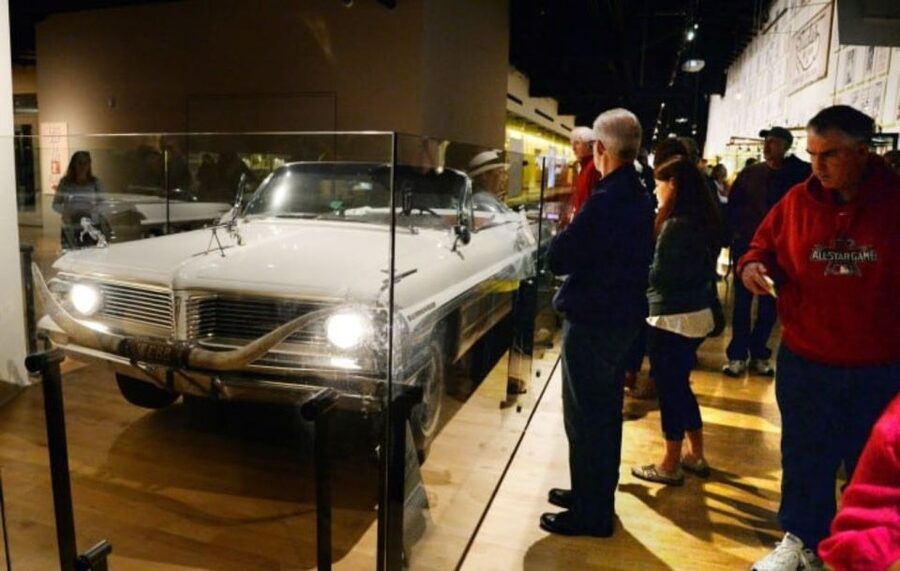
You will also find nostalgic objects and cars among the displays. These details broaden the visit beyond a list of singers. They place the music in its period and help explain why the museum appeals to people who enjoy American social history as much as they enjoy country songs.
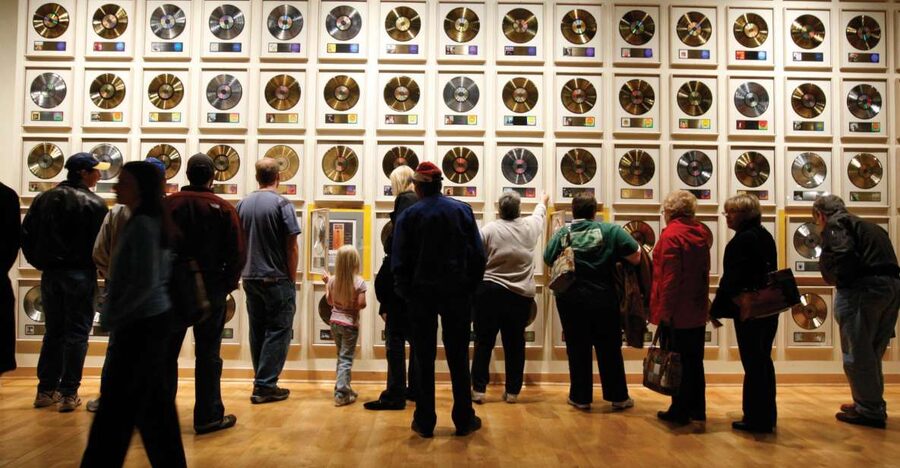
The gold record displays are especially effective. They provide a visual measure of how widely songs reached, while the nearby costumes and photographs bring the achievement back to the person who made it.
Films, listening stations, and hands-on moments
The museum does not ask you to read every panel in silence. Films and archival footage add voices and movement to the galleries, while audio stations let you hear the performers and songs being discussed.
One film tracing country music through the years is worth watching all the way through. It is easy to skip a screen when you are eager to see the next display, but the full film helps connect separate artists and eras.
Interactive features give the visit a lighter rhythm. You might find opportunities to listen, record, or take part in a music-related activity. A recording experience was a memorable part of one family’s visit, particularly because it created something they could keep.
The exact programming can change, so do not assume every activity runs every day. The museum includes access to special programming, with possible opportunities to play an instrument, attend an artist interview, join a songwriting program, or hear a panel discussion.
A few more options to weigh up in Nashville
- Nashville Hop On Hop Off Trolley Tour
★ 4.5 · 5,643 reviews - Nashville: Food Tour with 5+ Tastings of Local Delicacies
★ 5.0 · 2,704 reviews - Best of Nashville City Sightseeing Tour on Double Decker Bus
★ 4.5 · 2,601 reviews - Explore the City of Nashville Sightseeing Tour by Golf Cart
★ 5.0 · 2,544 reviews
The Taylor Swift Education Center
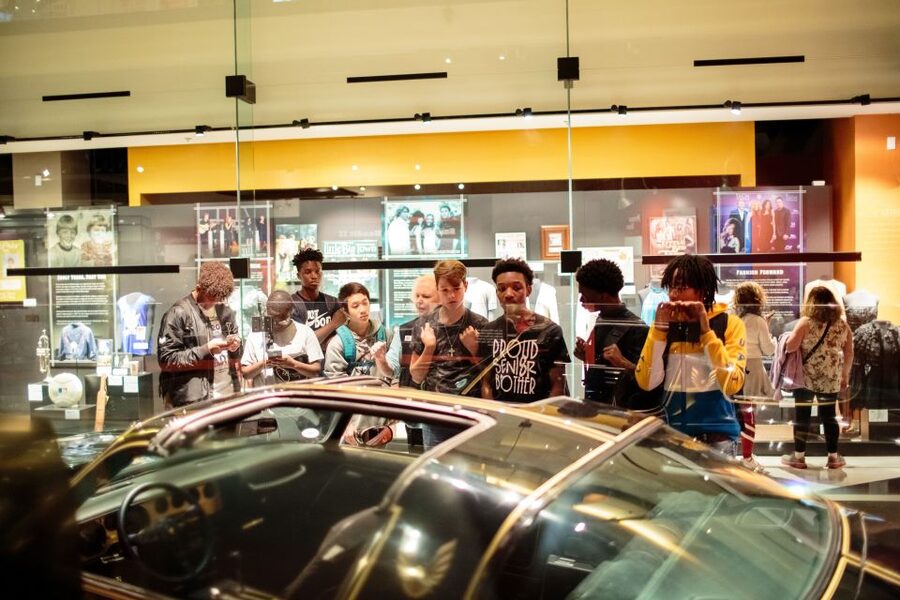
The Taylor Swift Education Center adds a modern, family-friendly part of the museum. Weekend programs may include instrument activities and songwriting sessions, along with panel discussions and artist interviews.
This section is useful for visitors who want to do something rather than only look. Children may find it more approachable than a long display of archival material, while adults can connect the creative process with the finished songs and performances elsewhere in the building.
Treat these programs as a bonus rather than the main reason to buy a ticket unless you have checked what is scheduled for your date. The admission includes the center, but a specific class, panel, or interview may depend on the museum’s program calendar.
The center also helps show that country music is still being made. The museum is not only about famous names from the past. It gives newer music a place beside older traditions.
American Currents and changing exhibitions
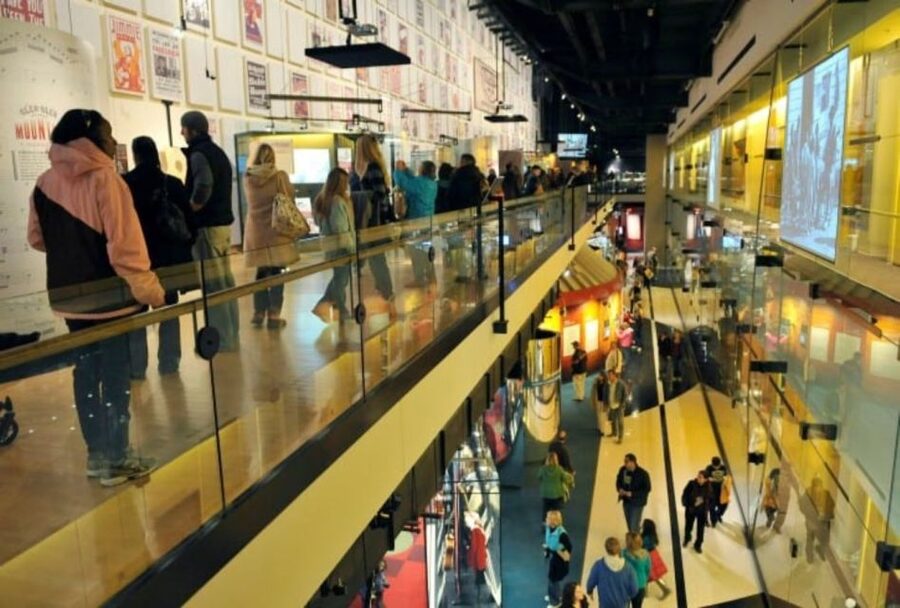
Your admission includes the major exhibition, including American Currents. This helps keep the experience connected to present-day country music instead of freezing the museum in one period.
Current exhibitions can change, so the exact artist focus will depend on when you visit. Recent displays have included large sections devoted to contemporary performers. One exhibit focused heavily on Luke Combs, and that scale will appeal to devoted fans, though I can also understand why some visitors may prefer a smaller display with more room for other artists.
That is an important point about a museum with changing exhibitions: the balance is not always exactly what every visitor wants. A fan of one performer may find a current display irresistible. Someone hoping for equal space for every decade may find that a temporary exhibit takes up a great deal of room.
Still, rotating material gives you a reason to return. The museum can feel different on a later Nashville visit, especially if you follow several generations of performers.
The Hatch Show Print Haley Gallery

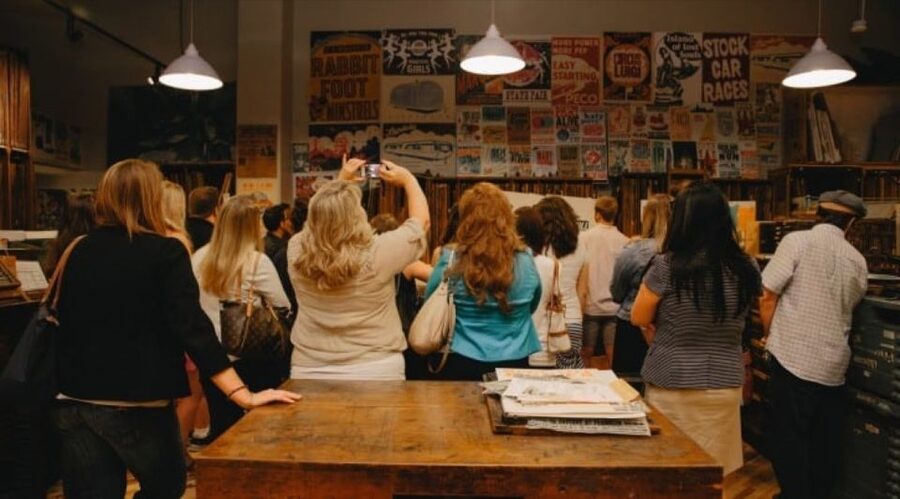
The ticket also includes entry to the Hatch Show Print Haley Gallery. This connects country music with the printed posters and visual design used to promote performers and shows.
It is a welcome change of pace after galleries filled with recordings and costumes. Printed concert art gives you another way to see how music reached the public, this time through bold images and lettering rather than sound.
The gallery is part of the admission, so you do not need to choose between it and the main museum. Make sure you do not rush past it simply because the Hall of Fame Rotunda is still ahead. The museum works best when you allow time for these supporting parts, not just the headline exhibits.
Ending in the Hall of Fame Rotunda

The walkthrough concludes in the Hall of Fame Rotunda, where plaques honor the artists who received country music’s highest recognition. This is the most ceremonial space in the museum, and it gives the visit a clear ending.
The Rotunda can feel surprisingly moving even if you arrived mainly for the costumes or famous recordings. After following the music through decades of work, the plaques gather those names into one place.
Take a few minutes here. The room is not simply a final corridor to cross before the exit. It is where the museum asks you to think about lasting influence, shared songs, and the performers who shaped the genre.
Several visitors described the Rotunda as the emotional high point of the visit. That makes sense. The rest of the museum explains the people and the work, while the Rotunda presents the honor in a single, memorable setting.
How long should you stay?
The official duration is one day from first activation, which gives you plenty of flexibility. You do not have to complete everything in one hurried circuit.
For a basic visit, allow at least two hours. I would plan on three hours as a safer minimum if you want to read labels, listen to recordings, watch films, and see the major exhibitions.
Four hours is reasonable for a dedicated fan, especially if you stop at the interactive features or attend a program. Some people could spend half a day here without running out of material.
Your timing also affects comfort. The museum can become crowded in the afternoon, and busy periods make it harder to stand at popular displays or take your time with small objects. On one Sunday, the experience improved as the afternoon crowd thinned. If your schedule allows, an earlier or later visit may feel calmer.
The building has also felt warm at times. Wear comfortable clothing and plan a short pause if you need one. You will be on your feet for much of the visit.
Who will enjoy this most?
This is an obvious pick for country music fans, but you do not need an encyclopedic knowledge of the genre. The displays give enough context to help you understand why the performers and songs matter.
I would recommend it for:
- Fans of classic and modern country music
- Families with different musical tastes
- People interested in American music and popular culture
- Visitors who prefer to explore independently
- Anyone who enjoys costumes, instruments, photographs, films, and memorabilia
- Repeat Nashville visitors looking for a substantial indoor attraction
It may be less satisfying if you want a live concert or a guided performance. This is a museum visit, not an evening show. You can encounter recordings and archival footage, but the main experience is looking, listening, and reading at your own pace.
The self-guided design is also not ideal for everyone. If you prefer a guide to explain every room and answer questions as you go, you may find the independent format less personal. For me, the ability to linger over a favorite artist or move quickly past a less familiar one is a strong advantage.
Practical advice for a smoother visit
Buy ahead if you want a firm place in your Nashville schedule, especially during a crowded travel period. Keep your admission details on your phone, and go to the Information Desk inside the museum when you arrive.
Do not bring food or drinks into the museum. Luggage and large bags are also not allowed, so leave bulky items elsewhere before you arrive.
The building is wheelchair accessible. That makes the museum workable for visitors who need step-free access, though the size of the collection still means you should allow enough time and take breaks as needed.
If you want the weekend programs at the Taylor Swift Education Center, check the available schedule before visiting. Instrument sessions, songwriting activities, interviews, and panels can add real value, but they are not the same as having a personal guide through the entire museum.
I would also avoid trying to combine the museum with too many tightly timed activities. The collection encourages stops that are hard to predict. A display of a favorite artist, a film you want to finish, or a recording activity can easily add an hour.
Is the $31 ticket worth it?
At $31, the ticket offers good value for a full visit. You receive access to the main galleries, American Currents, the Taylor Swift Education Center, the Hatch Show Print Haley Gallery, special programming when available, and the Hall of Fame Rotunda.
The value improves sharply once you stay beyond two hours. You are paying for a large collection with several kinds of content, not a short exhibit that you can finish in 30 minutes.
The price feels less worthwhile if you only have a brief gap between other plans, or if your group has no interest in music museums. But even people who do not usually choose country music may find the design, photographs, family connections, and American cultural story engaging.
The strongest value is the freedom to choose your own depth. You can make it a focused visit built around a few performers, or spend most of a day following the genre from its early roots to current names.
Should you book the Country Music Hall of Fame?
Yes, if you want a substantial Nashville attraction that works in almost any weather and suits both devoted fans and curious newcomers. Book it if you can spare at least two hours, and three or more is better.
I would especially recommend it to anyone who wants more than a quick photo stop. The costumes, gold records, instruments, archival footage, listening stations, current exhibitions, and final Rotunda create a full account of how country music was made and remembered.
Skip it only if your Nashville schedule is extremely tight or you want live music above all else. For most visitors, $31 buys a flexible, detailed, and genuinely worthwhile museum visit. Just arrive with time, travel light, and resist the temptation to rush the final room.
FAQ
Where is the Country Music Hall of Fame and Museum?
It is located at 222 Rep. John Lewis Way S, Nashville, Tennessee 37203. Meet inside the museum at the Information Desk.
How much does admission cost?
Admission costs $31 per person.
How long is the ticket valid?
The ticket is valid for one day from the time you first activate it.
Is the visit guided?
No. Admission provides a self-guided tour through the museum galleries. You explore at your own pace and can use the museum’s listening stations and available audio devices.
What is included with admission?
Admission includes the main museum galleries, American Currents, the Taylor Swift Education Center, the Hatch Show Print Haley Gallery, the Hall of Fame Rotunda, and access to special museum programming when available.
Can I attend a songwriting program or artist interview?
The museum offers special programming that may include instrument activities, songwriting programs, artist interviews, and panel discussions. The information provided does not guarantee a specific program on every date, so check the schedule for your visit.
Is the museum wheelchair accessible?
Yes. The museum is wheelchair accessible.
Can I bring food, drinks, or luggage?
No. Food and drinks are not allowed, and luggage or large bags cannot be brought inside.
Just added in Nashville
- Nashville: RCA Studio B & Country Music Hall of Fame Combo★ 4.8 · 322 reviews
- Nashville: Line Dancing Class with Keepsake Video★ 4.9 · 773 reviews
- From Nashville: Memphis Tour with Graceland VIP Access★ 4.9 · 383 reviews
- Nashville: Hop-on Hop-off Trolley Tour★ 4.6 · 1,634 reviews
- Nashville: Grand Ole Opry Show Ticket★ 4.8 · 1,041 reviews
- Nashville: Homes of the Stars Narrated Bus Tour★ 4.6 · 531 reviews
- Nashville: Double-Decker City Tour★ 4.6 · 738 reviews
- Nashville: Grand Ole Opry Backstage Tour★ 4.8 · 433 reviews
Museums, compared.
Empire State Building Tickets – Observatory & Museum
Read our review →

9/11 Memorial, Ground Zero Tour with Optional 9/11 Museum Ticket
Read our review →

All-Access 9/11: Ground Zero Tour, Memorial and Museum, One World Observatory
Read our review →
Browse the lists this tour appears in