
Reviewed · COOKING CLASSES
Hands-on Cajun Roux Cooking Class in New Orleans
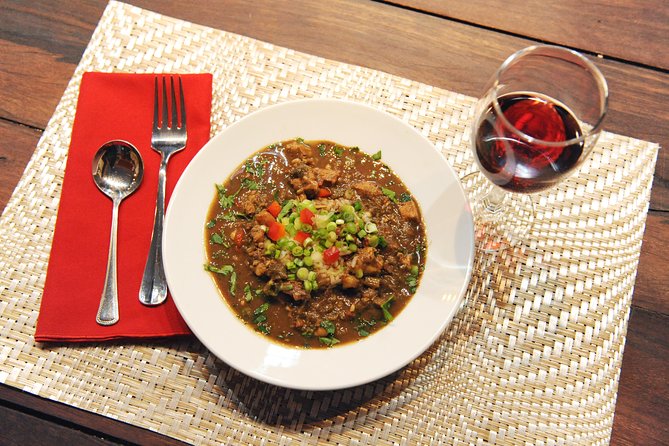
Great food is better when you make it. This three-hour New Orleans class turns Cajun cooking into a practical kitchen lesson, with gumbo, shrimp étouffée, and bananas Foster on the menu. I like the hands-on format and the small maximum of 10 people. I also like that you sit down to eat what you prepared, rather than watching a chef cook and leaving hungry. The main consideration is the price: at $163.85 per person, this is a special splurge, not a cheap meal.
The class is led by a local chef, with instructors such as Connor, Raymond, Mark, Jason, Cam, Erika, and Randy praised for their humor, patience, and clear teaching. You get wine or soda during the session, useful cooking tips for home, and a taste of local food culture. If you want a quick demonstration, this may feel too involved. If you want to chop, stir, learn, and eat, it is a strong choice.
In This Review
- Key points to know before booking
- Starting at 519 Wilkinson Street
- The Cajun Holy Trinity comes first
- Making the dark roux for gumbo
- A break, a glass of wine, and a second roux
- Sitting down to eat what you cooked
- Bananas Foster brings a little theater
- What the chefs add to the experience
- Is $163.85 a fair price?
- Who will enjoy this New Orleans class?
- Booking details worth keeping in mind
- Should you book the Cajun Roux Cooking Class?
- FAQ
- How long does the Cajun Roux Cooking Class last?
- What dishes will I learn to prepare?
- Are drinks included?
- Where does the class begin and end?
- How many people can attend?
- What is the cancellation policy?
Key points to know before booking
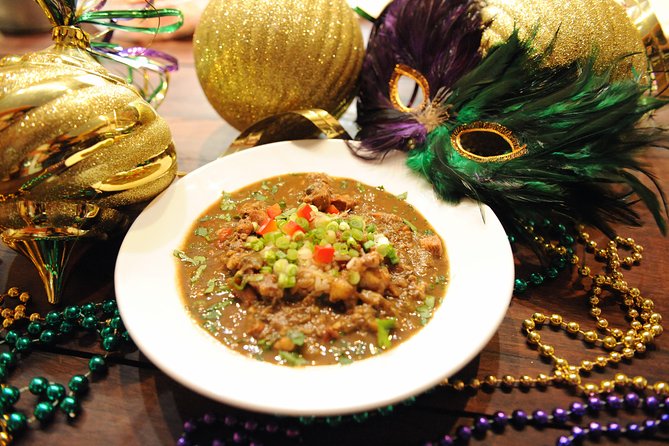
- You make three classic dishes: Chicken and andouille sausage gumbo, shrimp étouffée, and bananas Foster form a full New Orleans meal.
- The roux is the heart of the class: You prepare a dark roux for the gumbo and a light roux for the étouffée, learning why each one matters.
- The class is genuinely interactive: You cut, prep, cook, plate, and take part in the work instead of simply standing behind a demonstration counter.
- Small groups help: The maximum is 10 people, and some sessions are even smaller, giving you more chances to handle the food yourself.
- Drinks and dinner are included: Wine or soda is served during the lesson, followed by the meal you helped prepare.
- It suits mixed-age groups: Couples, families, friends, and teenagers have all found the class approachable and fun.
Starting at 519 Wilkinson Street
The class begins at 519 Wilkinson Street in New Orleans and ends at the same place. The location is near public transportation, which makes it easier to reach without arranging a private ride, though you should still allow enough time to arrive before the scheduled start.
The setting is part of the appeal. You are not being taken out to a distant cooking school for a formal, polished performance. You are heading to a teaching kitchen connected with New Orleans food culture, where the point is to learn techniques you can repeat at home.
The kitchen has been described as clean, modern, and well kept. That matters in a cooking class. You will be handling several dishes over about three hours, so an orderly work area helps the lesson feel calm rather than chaotic.
The group limit of 10 is another practical advantage. A larger class can leave you watching from the edge while one person handles the pan. Here, you have a better chance to get involved. Smaller bookings, including a class of four, have been especially praised for giving each person more room to work.
A few more options to weigh up in New Orleans
- New Orleans Demonstration Cooking Class with Meal
★ 5.0 · 3,000 reviews - New Orleans Hands-On Cooking Class with Meal
★ 5.0 · 1,183 reviews - New Orleans: Cajun and Creole Cooking Class
★ 4.9 · 730 reviews
The Cajun Holy Trinity comes first
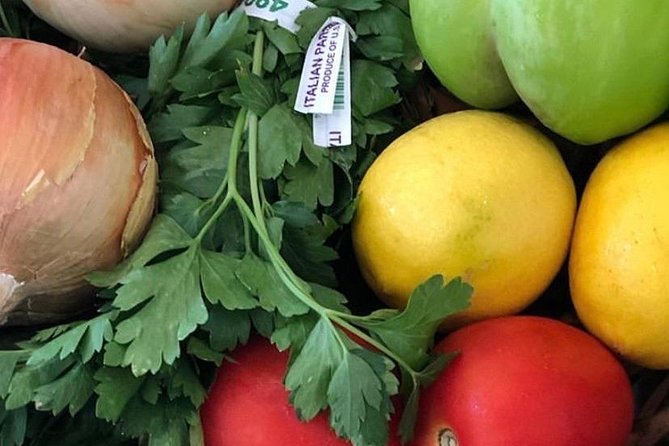
The lesson begins with the Cajun Holy Trinity, a foundation of Louisiana cooking. Your chef explains why this base matters, then gets everyone cutting and preparing ingredients.
This opening is more useful than a quick list of recipes. You begin to see how Cajun cooking builds flavor from simple preparation and careful timing. The class is not only about copying a gumbo recipe. It gives you a way to think about the cooking process.
That makes the session friendly to different skill levels. People who cook often can pick up small changes in technique, while beginners get a clear path through the meal. Raymond, Mark, Cam, and the other instructors are repeatedly praised for making the kitchen feel comfortable rather than intimidating.
You should expect to do real work. The class is not a chef’s demonstration with a finished plate appearing at the end. You chop, prepare, and take on assigned tasks as the meal comes together. One useful feature of a small group is that everyone can stay busy.
The chefs also add local stories and personal cooking advice. Raymond has been praised for telling stories about his life in New Orleans and his own route into cooking. Mark is known for mixing humor with practical tips. Cam adds background about Cajun and Creole culture while explaining how to build flavor.
Making the dark roux for gumbo
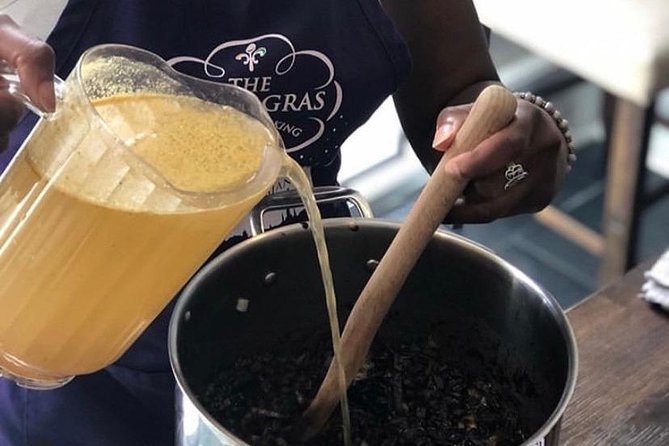
Once the preparation is ready, the class turns to the dark roux for the chicken and andouille sausage gumbo. This is the technical center of the lesson.
Roux can look simple on paper, but the color and timing affect the finished dish. The class gives you a chance to see the process up close and learn the technique instead of treating it as a mysterious chef trick.
This is also where the class earns its name. You are not just learning what gumbo tastes like. You are learning how the roux helps create the dish’s body and flavor.
The menu uses chicken and andouille sausage, giving you a traditional, hearty starter. The quantity is substantial enough to serve as part of the sit-down meal, and extra portions have sometimes been available to take home.
The gumbo receives the strongest praise throughout the supplied feedback. Several people describe it as the best gumbo they had eaten in New Orleans, and one parent said the dish inspired a 12-year-old to try making the recipe at home.
I would pay close attention during this part, even if you are already comfortable in the kitchen. Roux technique is the skill most likely to repay you later, since you can use the method in other Cajun dishes.
A break, a glass of wine, and a second roux
After the group has worked through the first stage, there is a short break and your first glass of wine. Soda pop is available instead, so you do not need to drink alcohol to take part.
This pause helps the three-hour class keep a pleasant rhythm. You have time to reset before beginning the second major preparation. It also gives the group a chance to talk, which adds a social side to the experience for couples and groups of friends.
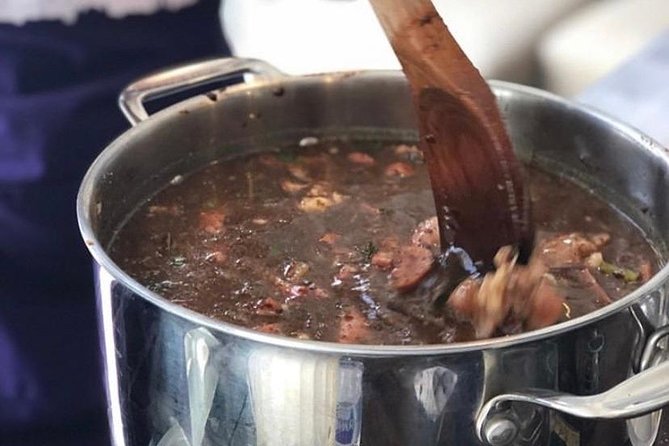
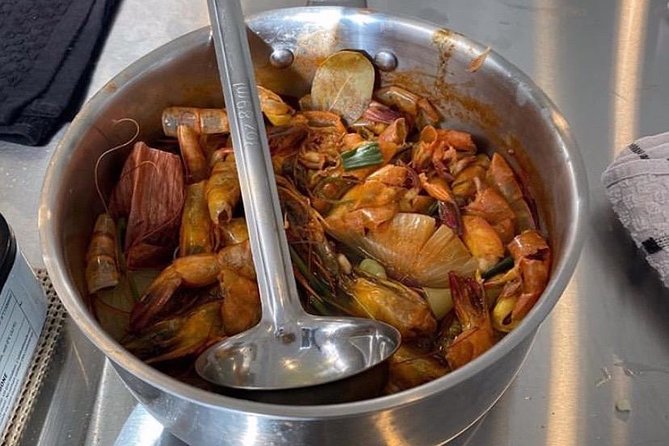
Next comes the light roux for shrimp étouffée. The contrast with the dark roux is one of the most useful parts of the class. You see that similar ingredients and methods can lead to different results when the cooking stage changes.
The shrimp étouffée becomes the main course. The chefs guide you through the process, explain each step, and help with plating once the food is ready. The emphasis is on learning by doing, so you should expect to handle ingredients and contribute to the final dish.
The class is particularly good for people who want to leave with more than a pleasant memory. The instructors explain techniques that can be used in everyday cooking, and several people have said they felt confident enough to try the dishes at home.
You may want to bring a way to record notes on your phone if the instructor allows it. Some cooking tips are easy to forget after a full meal and a busy afternoon. One person specifically wished for a written gumbo recipe, so do not assume every detail will automatically arrive as a printed handout.
A different kind of day out entirely:
- New Orleans Premier Ghost, Voodoo and Vampire Walking Tour
★ 4.5 · 12,856 reviews - New Orleans Steamboat Natchez Jazz Cruise with Dinner Option
★ 4.0 · 7,533 reviews - Adults-Only New Orleans Ghost, Crime, Voodoo, and Vampire Tour
★ 5.0 · 6,545 reviews - New Orleans Food Walking Tour of the French Quarter with Small-Group Option
★ 5.0 · 6,118 reviews
Sitting down to eat what you cooked
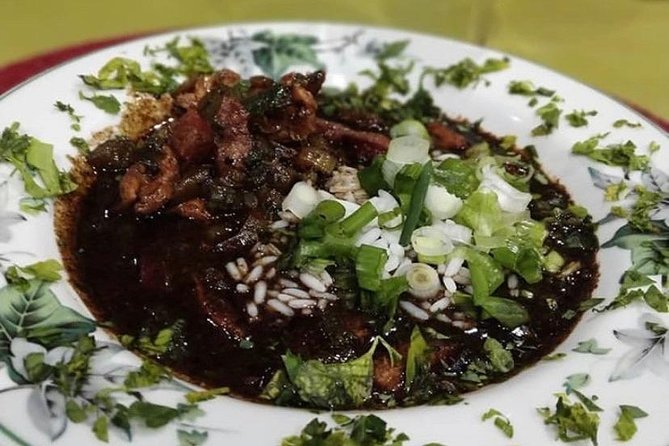
After the dishes are plated, everyone sits down to eat. This is a major difference between the class and a standard food tour or restaurant meal.
You know exactly what went into the plates because you helped prepare them. The meal also gives you a chance to judge the results of the techniques while the lesson is still fresh.
The menu works well as a three-course progression:
- Chicken and andouille sausage gumbo
- Shrimp étouffée
- Bananas Foster
The gumbo is filling and savory, while the étouffée gives the meal a second Cajun preparation with shrimp. The two dishes also let you compare the dark and light roux techniques rather than learning only one method.
The food is a strong part of the value. People who took the class with cooking experience still found the meal worthwhile, while beginners appreciated that the chefs broke down each stage clearly. The class is designed to make the finished food approachable, not to test you like a professional examination.
A shared meal also works well for groups. Friends can divide up the tasks, then sit together afterward. Families get an activity that involves everyone, including teenagers. One family said two 17-year-olds enjoyed the class, including the one who already considered herself a serious food fan.
Bananas Foster brings a little theater
The final part of the class is Bananas Foster. The chef teaches a reliable method for preparing the dessert and explains how to impress friends and family with it at home.
This is a smart ending. After working through savory dishes, you finish with something sweet and memorable. The dessert also adds a touch of showmanship without requiring you to commit to a full day of culinary training.
Bananas Foster has been singled out as one of the most enjoyable parts of the class. Some people described the dessert as the best part of the meal, while others praised it as a fitting finish after the gumbo and étouffée.
Because the chef demonstrates a fool-proof approach, this section is useful even if you do not often make desserts. You get a recipe idea that can be repeated for family and friends, rather than a dish that only works in a professional kitchen.
What the chefs add to the experience
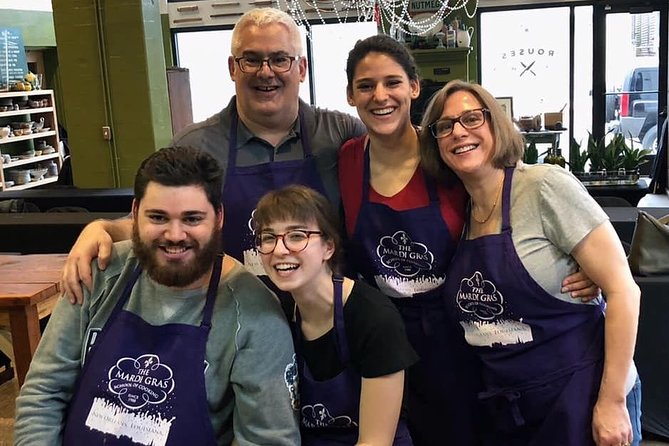
The individual chef makes a real difference here. The teaching team includes several instructors, and the feedback highlights different strengths.
Connor is praised for being patient, professional, and attentive. Raymond is described as funny, encouraging, and an experienced chef who has cooked for the Super Bowl and won cooking competitions. Mark brings energy, humor, and stories, while Jason is praised for explaining Cajun roux technique in a relaxed way.
Cam adds cultural background and practical advice about building flavor. Erika receives praise for the quality of the preparation and the teaching space. Randy helped keep a session positive during a difficult New Year period in the city.
You cannot choose the chef with certainty based on the booking details provided, but the consistent pattern is reassuring. The instructors are not simply there to produce food. They explain, encourage, and adjust their teaching for the people in the room.
That personal approach is especially helpful if you feel nervous around a hot pan or unfamiliar ingredients. The class has been described as comfortable for people without much kitchen experience, and the chefs appear to place more value on participation than perfection.
Is $163.85 a fair price?
At $163.85 per person, the class costs more than ordering gumbo and étouffée at a casual restaurant. You should book it for the instruction and the experience, not just for the amount of food.
The price includes roughly three hours with a chef, hands-on preparation, wine or soda, and a sit-down meal. You also leave with techniques you can use at home. That makes the cost easier to justify if you enjoy cooking or want a special activity during a New Orleans visit.
For a group of friends, the class can be good value because the social experience is built in. Group discounts are available, which may help reduce the total cost for a larger booking.
For a family, consider the ages and interests of everyone attending. The class has worked well for families with children and teenagers, but anyone who dislikes cooking may find three hours too long. The setting is active, not passive.
I would compare this with the cost of a good New Orleans dinner plus another paid activity. If your goal is simply to eat the city’s food, a restaurant may be cheaper. If you want a meal, a lesson, and a skill you can show off later, the class offers more than a standard dinner.
Who will enjoy this New Orleans class?
I would recommend it most strongly to:
- Couples looking for a shared activity beyond restaurant hopping
- Friends who enjoy food, drinks, and a relaxed group setting
- Families with older children or teenagers who like practical activities
- Home cooks who want to improve their roux technique
- First-time visitors who want a direct introduction to Cajun food
- Repeat visitors who have already covered the main sightseeing stops
It is less suitable for anyone seeking a quick tasting, a quiet meal, or a strictly private experience. The class has a maximum of 10 people, so you will share the kitchen and meal with others.
The pace also depends on the group. A class with four people may give you more individual cooking time than a full session. Either way, the format is designed for participation, so arrive ready to work rather than simply observe.
Booking details worth keeping in mind
The experience is offered in English and includes a mobile ticket. Confirmation is provided at booking, and the meeting point is near public transportation.
It is booked about 26 days ahead on average, so I would not leave it until the last day of a short New Orleans trip. A cooking class can fill a useful afternoon or evening, but make sure you allow the full three hours rather than scheduling another activity too tightly afterward.
Free cancellation is available if you cancel at least 24 hours before the start time. Cancellations made less than 24 hours ahead are not refunded, and changes inside that window are not accepted. The cut-off follows New Orleans local time.
The experience receives a 5 out of 5 rating from 356 ratings, with 99 percent of customers recommending it. Those numbers do not guarantee that every class will match your personal taste, but they fit the repeated praise for the food, small groups, chef instruction, and friendly atmosphere.
Should you book the Cajun Roux Cooking Class?
Yes, if you want to learn by doing. The class gives you three classic dishes, two different roux techniques, a dessert lesson, drinks, and a meal at the end. The strongest reason to book is the chance to recreate the food at home, especially the gumbo.
I would skip it if you are watching your budget closely or would rather spend the same money on a longer restaurant meal. But if you value an activity that combines food, local stories, and useful instruction, this is one of the better ways to spend three hours in New Orleans.
Book ahead, especially if your schedule is short or you want a particular date. Bring curiosity, an appetite, and a willingness to stir the pot. That is where the good stuff begins.
FAQ
How long does the Cajun Roux Cooking Class last?
The class lasts approximately three hours.
What dishes will I learn to prepare?
The menu includes chicken and andouille sausage gumbo, shrimp étouffée, and bananas Foster.
Are drinks included?
Yes. Wine is included, and soda pop is available as an alternative.
Where does the class begin and end?
The class starts at 519 Wilkinson Street, New Orleans, Louisiana 70130. It ends back at the same meeting point.
How many people can attend?
The activity has a maximum of 10 travelers.
What is the cancellation policy?
You can cancel for a full refund up to 24 hours before the experience starts. Cancellations or changes made less than 24 hours before the start time are not accepted for a refund.
Just added in New Orleans
- Whitney Plantation Tour with Transportation from New Orleans★ 4.5 · 1,351 reviews
- New Orleans Yellow Fever Ghost Tour★ 5.0 · 1,298 reviews
- VIP Jazz Dinner Cruise with Private Tour and Open Bar Option★ 4.5 · 838 reviews
- New Orleans Delicious Donuts & Beignets: A Sweet Walking Tour★ 5.0 · 928 reviews
- New Orleans Private Carriage Tour of the French Quarter★ 5.0 · 537 reviews
- The Escape Game at the French Quarter in New Orleans★ 5.0 · 364 reviews
- New Orleans French Quarter Photo Shoot★ 5.0 · 462 reviews
- The Ghosts of New Orleans Tour★ 4.5 · 702 reviews
Cooking Classes, compared.
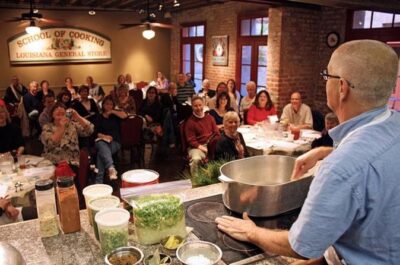
New Orleans Demonstration Cooking Class with Meal
Read our review →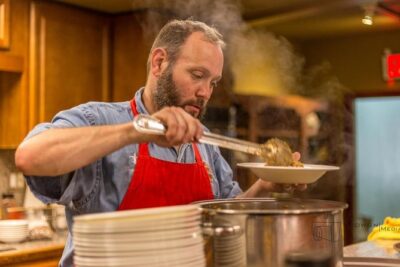
New Orleans Hands-On Cooking Class with Meal
Read our review →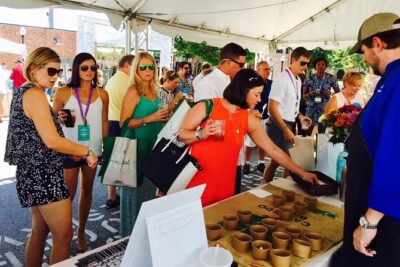
Undiscovered Charleston: Half Day Food, Wine & History Tour with Cooking Class
Read our review →
Browse the lists this tour appears in