
Reviewed · WORKSHOPS
New Orleans: Cajun and Creole Cooking Class
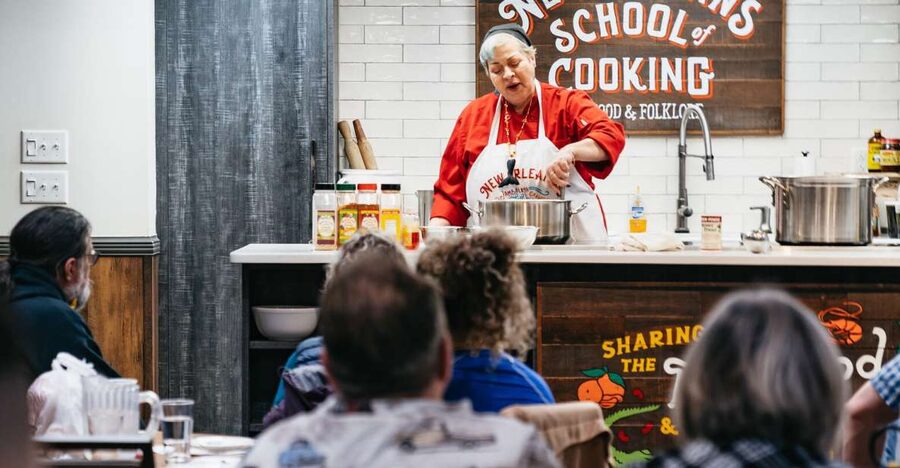
Come hungry for stories and second helpings. This New Orleans School of Cooking experience brings Cajun and Creole food to life in a renovated early-1800s molasses warehouse in the French Quarter. You watch a chef prepare several classic dishes, hear how food connects to New Orleans culture, then eat what was made with local beer, iced tea, lemonade, or coffee at the morning session.
I especially like the generous meal and the way the chefs connect each recipe to local customs and folklore. The recipe copies and store coupon add real value, too. The main catch is important: despite the name, this is primarily a cooking demonstration, not a hands-on class. You will usually watch the chef cook rather than chop, stir, or build the dishes yourself.
The experience costs $40 per person and lasts about two to two and a half hours. That is a fair price for a substantial lunch, drinks, instruction, recipes, and a French Quarter setting. Chef names vary by session, but past classes have featured entertaining instructors such as Austin, Lynn, Eric, Dianne Honoré, Harriet, and Chef T.
In This Review
- Key points at a glance
- Entering the French Quarter cooking school
- A chef-led lesson with plenty of New Orleans character
- What actually happens during the demonstration
- Gumbo, jambalaya, and the lessons behind them
- The meal, drinks, and portion sizes
- Why the $40 price is fair
- Taking Louisiana cooking home
- Who should book this experience?
- Final verdict: book it for food, stories, and a full lunch
- FAQ
- Is this a hands-on cooking class?
- How much does the New Orleans cooking class cost?
- How long does the experience last?
- What food might be served?
- Are drinks included?
- Where do I check in?
Key points at a glance
- The food changes by day: Your menu may include gumbo, jambalaya, red beans and rice, shrimp Creole, crawfish étouffée, bread pudding, or bananas Foster.
- It is a demonstration first: You observe the chef prepare the dishes and explain the techniques, rather than cooking at an individual station.
- The setting has character: Class takes place in a renovated molasses warehouse built in the early 1800s, right in the French Quarter.
- Lunch is part of the lesson: You eat a three or four-course Cajun and Creole meal with Dixie beer, iced tea, and lemonade.
- The teaching is lively: Chefs mix food instruction with New Orleans history, folklore, humor, and questions from the room.
- You leave with useful souvenirs: Recipe copies, a general-store coupon, and the option to buy local products such as Joe’s Stuff Creole Seasoning.
Entering the French Quarter cooking school
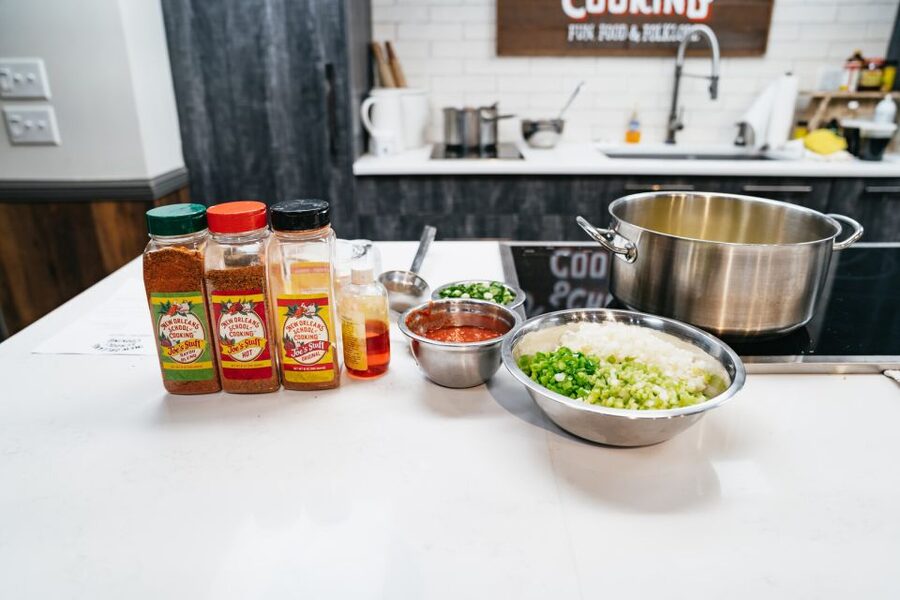
You begin at the New Orleans School of Cooking General Store. Check in at the register, then take a little time to look around before the class starts. The store carries locally sourced products and is known for Joe’s Stuff Creole Seasoning, a popular blend associated with the school and used by local cooks.
This opening stop matters because it gives you a quick look at the cooking culture behind the class. You are not simply walking into a generic demonstration room. The seasoning, sauces, mixes, cookbooks, and other Louisiana products give you a sense of how local flavors are packaged and shared.
The class takes place inside a renovated molasses warehouse dating from the early 1800s. That building adds a useful sense of place, especially if you are already exploring the French Quarter. You get a food lesson in a building tied to the working past of the city, not in an anonymous modern kitchen.
The meeting point is easy to understand, but hotel pickup is not provided. Plan to make your own way to the store and allow enough time to find it in the French Quarter. At the end, you receive a coupon for the general store, so you can return to buy seasoning, cooking supplies, or gifts if something catches your eye.
A few more options to weigh up in New Orleans
- New Orleans Demonstration Cooking Class with Meal
★ 5.0 · 3,000 reviews - Undiscovered Charleston: Half Day Food, Wine & History Tour with Cooking Class
★ 5.0 · 948 reviews
A chef-led lesson with plenty of New Orleans character
The chef prepares the food in front of the class and explains the steps as the dishes come together. The strongest part of the experience is often the personality of the instructor. Austin has been praised for high energy and humor, Lynn for warmth and clear teaching, and Dianne Honoré, also known as Gumbo Marie, for mixing food, history, and fun with real passion.
Eric has also received praise for explaining both the dishes and their background while keeping the room laughing. Harriet has been described as lively, attentive, and a good teacher, cook, and historian. The chef changes, so you should not book around one particular person, but the format clearly gives instructors room to tell stories and answer questions.
The historical material is not an unrelated lecture added to fill time. It explains why New Orleans cooking has so many layers. You learn about the links between food, people, local customs, and the city’s past while watching recipes that are still eaten today.
One of the pleasures here is the chance to ask questions. The chef may stop to clarify a cooking step or discuss a related food topic. That makes the lesson feel more like a friendly conversation than a fixed stage show.
There is one practical issue. One attendee found it hard to hear everything and suggested a microphone. If you have hearing concerns, try to sit where you can see and hear the chef clearly. The class is in English, and the spoken explanations are a major part of its value.
What actually happens during the demonstration
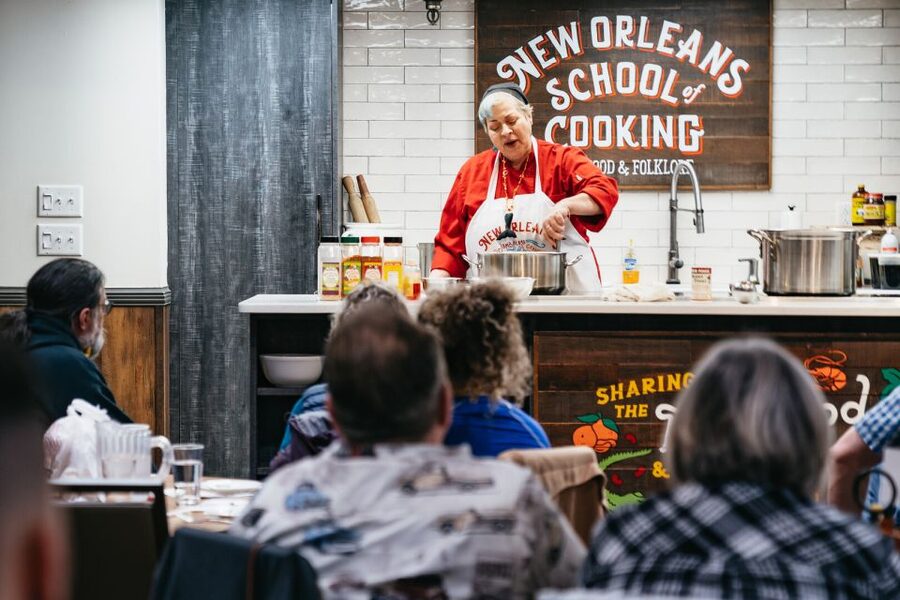
The menu depends on the day and on whether you attend the 10:00 a.m. or 2:00 p.m. session. The dishes are prepared in stages, and you eat the finished food as part of the meal. Because you are served several courses, you should not plan a large meal immediately before or after.
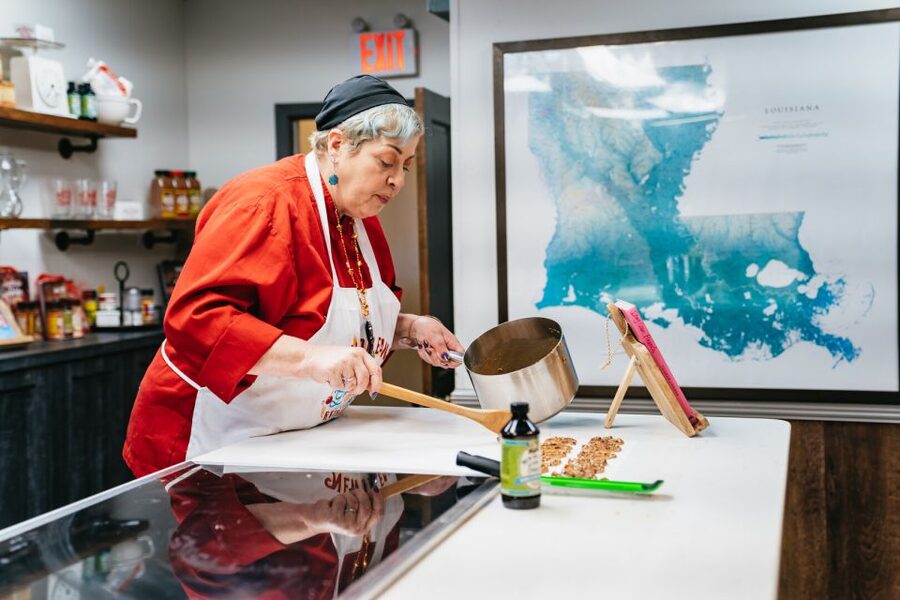
The morning class generally offers the broadest meal, with three or four courses depending on the day. You also receive hot coffee with the 10:00 a.m. session. The afternoon class includes a smaller selection on some days, often centered on two savory dishes and pralines.
Here is the published menu pattern:
10:00 a.m. class
- Saturday, Sunday, and Wednesday: gumbo, jambalaya, bread pudding, and pralines
- Monday: gumbo, red beans and rice, pecan pie, and pralines
- Tuesday: gumbo, jambalaya, bananas Foster, and pralines
- Thursday: corn and crab bisque, shrimp Creole, bananas Foster, and pralines
- Friday: crawfish étouffée, shrimp and artichoke soup, bread pudding, and pralines
2:00 p.m. class
- Saturday: crawfish étouffée, shrimp and artichoke soup, and pralines
- Sunday and Tuesday: corn and crab bisque, chicken étouffée, and pralines
- Monday, Thursday, and Friday: gumbo, jambalaya, and pralines
- Wednesday: gumbo, chicken Creole, and pralines
Menus can be a deciding factor. If gumbo is your main goal, several sessions offer it, but not all. If you want crawfish étouffée, check for the Friday morning or Saturday afternoon class. For red beans and rice, Monday morning is the key choice. The schedule also gives you a reason to return if you want to see another set of dishes.
Gumbo, jambalaya, and the lessons behind them
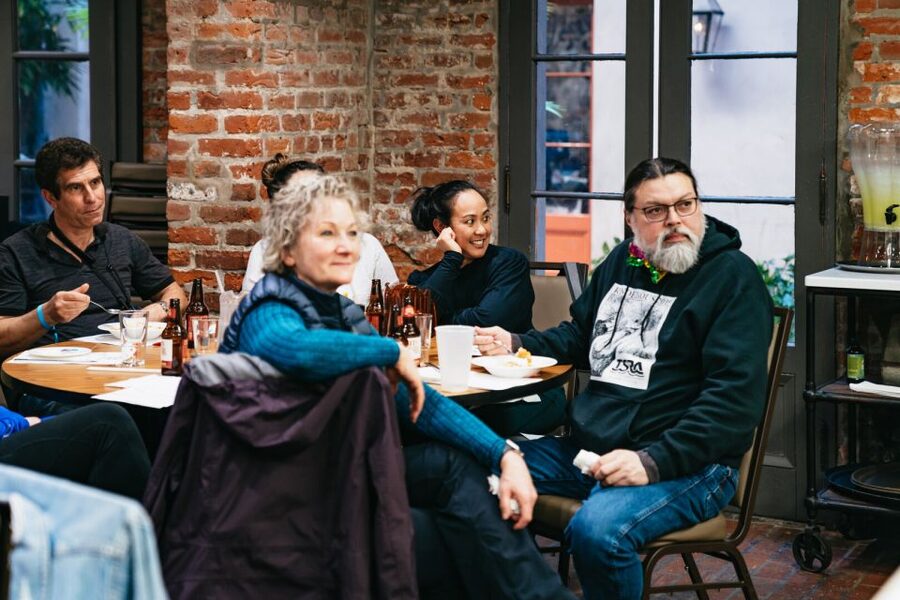
Gumbo is one of the central dishes in the program and appears on many of the menus. It gives the chef a good way to explain the building blocks of Louisiana cooking, including seasoning and the steps that shape the final flavor.
Jambalaya appears on several morning and afternoon menus. It is a filling dish, which helps explain why the portions can feel more like a full lunch than a sample. The combination of savory food and stories makes this a strong first-day activity in New Orleans. You get an introduction to local tastes before choosing other restaurants around the city.
The class also covers dishes that show a wider range of Louisiana cooking. Depending on the day, you may see corn and crab bisque, shrimp Creole, chicken Creole, shrimp and artichoke soup, red beans and rice, or crawfish étouffée.
Dessert is not an afterthought. Pralines appear on every listed menu, giving you a sweet example of a Louisiana favorite. Other desserts include pecan pie, bread pudding, bananas Foster, and, in one morning program, both bread pudding and pralines.
I like this structure because the class teaches more than one recipe. You see how a meal is built, moving from soup or stew to a main dish and then dessert. You also get a better idea of which Louisiana recipes you might realistically make at home.
A different kind of day out entirely:
- New Orleans Premier Ghost, Voodoo and Vampire Walking Tour
★ 4.5 · 12,856 reviews - New Orleans Steamboat Natchez Jazz Cruise with Dinner Option
★ 4.0 · 7,533 reviews - Adults-Only New Orleans Ghost, Crime, Voodoo, and Vampire Tour
★ 5.0 · 6,545 reviews - New Orleans Food Walking Tour of the French Quarter with Small-Group Option
★ 5.0 · 6,118 reviews
The meal, drinks, and portion sizes
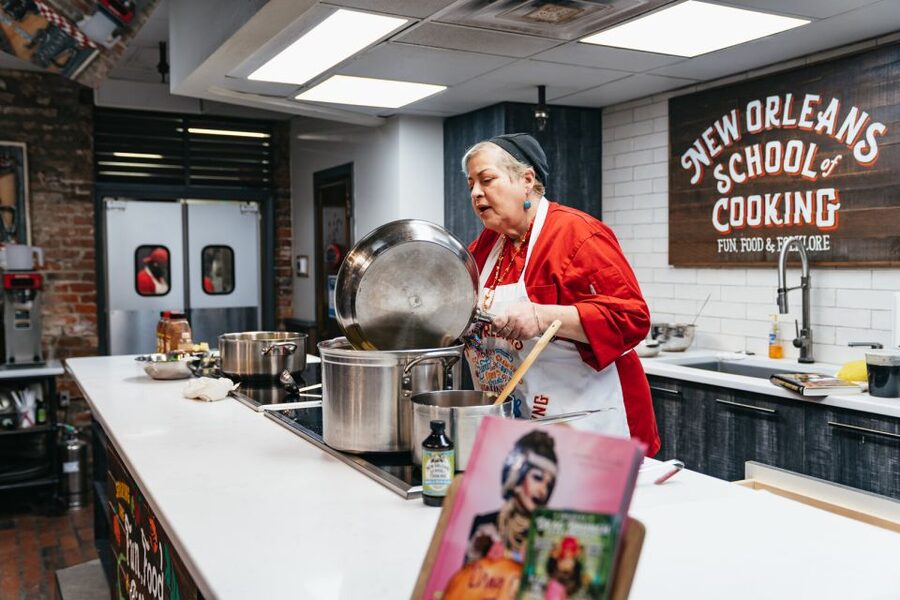
After watching the preparation, you sit down to eat the finished food. Included drinks are Dixie beer, iced tea, and lemonade. The morning class also includes hot coffee.
The meal is one of the strongest reasons the $40 price works. You receive a three or four-course Cajun and Creole meal rather than a tiny tasting portion. Several people have found the servings large enough to replace lunch, and one particularly useful tip is simple: do not eat much beforehand.
The drink selection keeps things casual and local. Beer works well with gumbo or étouffée, while iced tea and lemonade give you nonalcoholic choices. Outside drinks are not allowed, so you should rely on the refreshments provided by the school.
The food receives consistent praise, especially the gumbo. One person who had eaten gumbo around New Orleans considered the class version the best of the trip. That does not mean it will replace every restaurant meal, but it shows the chef’s cooking is not merely a prop for the lesson.
Dietary needs require advance attention. One class provided alternatives for people with shellfish allergies, and another attendee said a vegetarian option was especially good. Since the menus often include crab, shrimp, or crawfish, contact the provider before booking if you have an allergy or follow a restricted diet. Do not assume every menu can be adjusted without notice.
Why the $40 price is fair
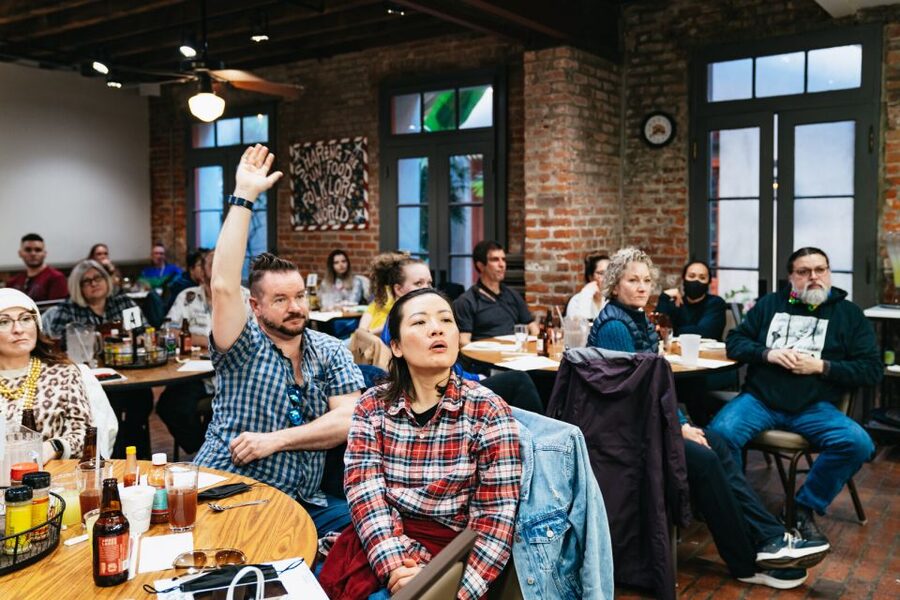
At $40, this is good value if you want both a meal and an activity. Your price includes the chef instructor, the prepared food, local drinks, recipe copies, and a store coupon. You also get a couple of hours of entertainment and food education in a historic French Quarter building.
The value is less clear if you want a technical cooking workshop with lots of physical practice. You are paying for the chef’s instruction, storytelling, food, and atmosphere, not for use of a cutting board and stove. If you expected to cook every dish yourself, the title could leave you disappointed.
For many people, though, the demonstration format is a benefit. You can focus on what the chef is saying, watch the full process, ask questions, and then enjoy the food without worrying about your own timing. It works well for families, mixed-age groups, and anyone who would rather learn while seated.
The class also saves you from spending another $40 or more on a separate lunch, though restaurant prices vary. Add the recipes and store coupon, and the experience feels especially worthwhile for anyone who wants to repeat the dishes at home.
Taking Louisiana cooking home
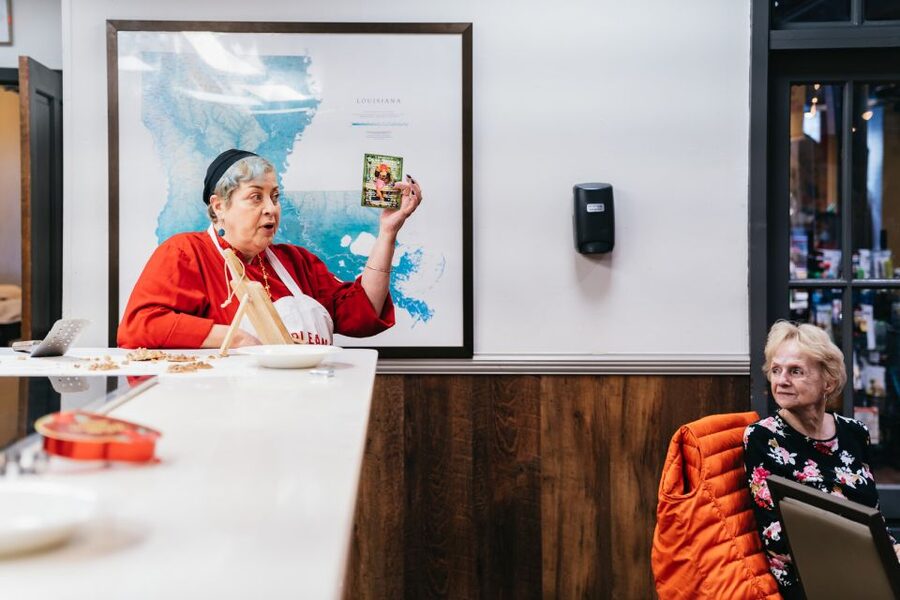
The recipe copies are more useful than a standard souvenir. You can try the gumbo, jambalaya, pralines, or other dishes after returning home, and the class gives you a better sense of the steps than a recipe card alone.
The general store makes that follow-up easier. You can use the coupon toward products such as Joe’s Stuff Creole Seasoning, which lets you bring a recognizable Louisiana flavor into your own kitchen. One useful shopping tip is to leave room in your bag for seasoning or other local cooking products, especially if you want gifts.
Do not expect the class to turn you into a Cajun or Creole cook in two hours. It gives you a strong introduction, not a full professional course. Still, watching an experienced chef explain the process while you taste the results can make the recipes less intimidating.
The lesson also helps you understand that Cajun and Creole food is not just a list of famous dishes. The stories and cultural context give meaning to what is on your plate. That is why the historical side matters as much as the ingredient list.
Who should book this experience?
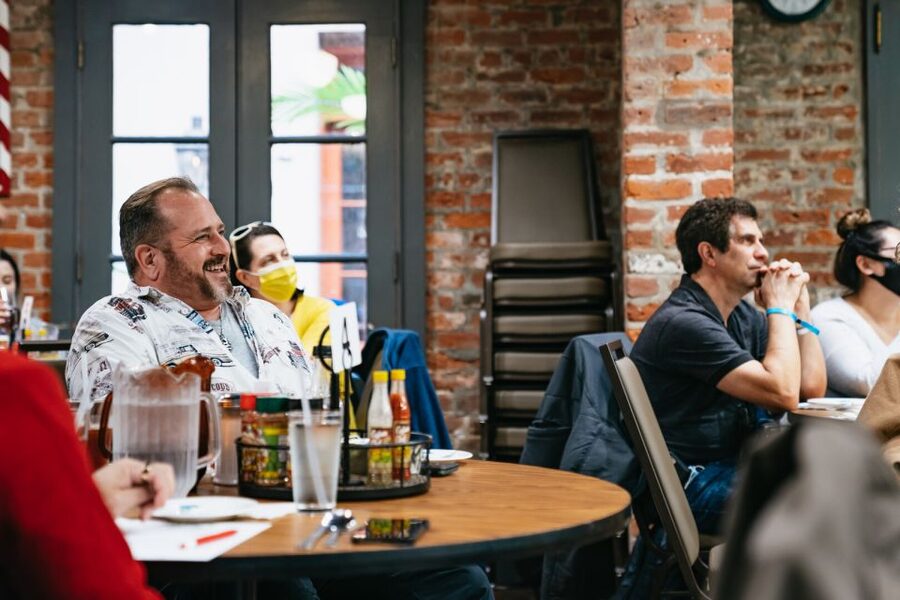
I would recommend it to first-time visitors who want an easy introduction to New Orleans food. It is also a smart choice for families and groups because you can learn, eat, and enjoy the chef’s humor without needing everyone to handle kitchen tasks.
Food lovers will appreciate the menu variety. If you are deciding between gumbo, jambalaya, étouffée, or pralines, choose your class time based on the published schedule. A morning class is best if you want the largest meal and coffee. The afternoon class can work well if you prefer a later lunch and a shorter menu.
This is also a good rainy-day plan or a useful activity early in your stay. It gives you a quick guide to local flavors and may help you order with more confidence at restaurants later.
I would hesitate to recommend it to someone specifically seeking a hands-on cooking class. You will not generally prepare the food yourself. The name should be understood as a demonstration with a meal, not a workshop where every participant cooks.
The activity is wheelchair accessible, taught in English, and lasts between two and 150 minutes depending on the session. Free cancellation is available up to 24 hours in advance, and you can reserve now and pay later, which helps if your New Orleans schedule is still shifting.
Final verdict: book it for food, stories, and a full lunch
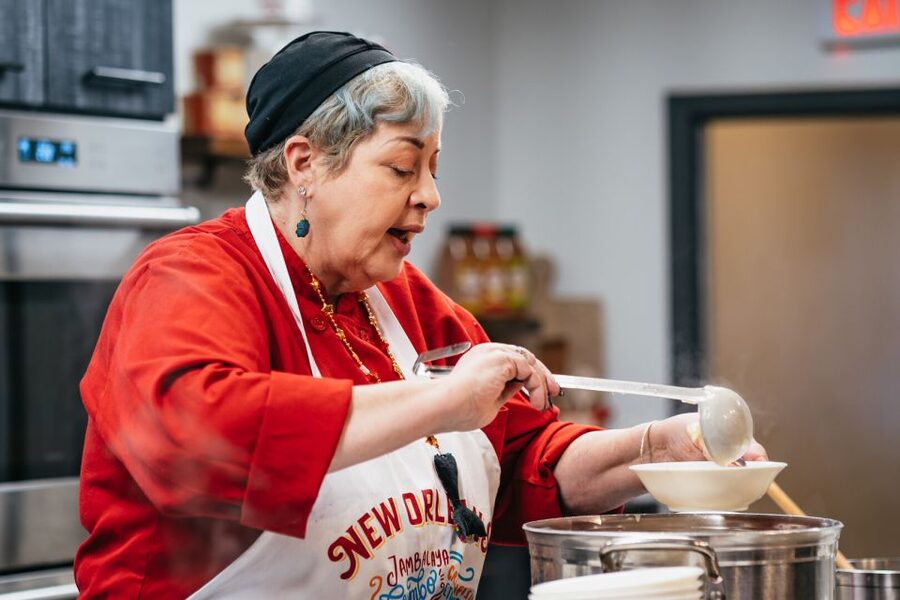
Book this experience if you want a relaxed, entertaining introduction to New Orleans cuisine with a real meal at the end. The strongest features are the funny and warm chefs, the generous portions, the local drinks, the French Quarter setting, and the useful recipes you can take home.
Before you reserve, check two things: the day’s menu and your expectations about participation. Choose the menu that matches your appetite, and think of the activity as a cooking demonstration. If that sounds good, $40 is a sensible spend for a tasty and informative part of your New Orleans visit.
FAQ
Is this a hands-on cooking class?
No. The experience is primarily a cooking demonstration. You watch the chef prepare Cajun and Creole dishes, listen to the explanations, and eat the finished food.
How much does the New Orleans cooking class cost?
The price is $40 per person.
How long does the experience last?
The class lasts between two and 150 minutes. Starting times vary, with listed sessions at 10:00 a.m. and 2:00 p.m.
What food might be served?
Menus vary by day. Possible dishes include gumbo, jambalaya, red beans and rice, shrimp Creole, chicken Creole, crawfish étouffée, corn and crab bisque, bread pudding, pecan pie, bananas Foster, and pralines.
Are drinks included?
Yes. Dixie beer, iced tea, and lemonade are included. Hot coffee is included with the 10:00 a.m. class. Outside drinks are not allowed.
Where do I check in?
Enter the New Orleans School of Cooking General Store and check in at the register. Hotel pickup and drop-off are not included.
Just added in New Orleans
- New Orleans: French Quarter, Voodoo and Cultural Experience★ 4.5 · 972 reviews
- From New Orleans: Oak Alley Plantation Tour★ 4.5 · 443 reviews
- New Orleans: Voodoo Queen Tour of French Quarter★ 4.7 · 482 reviews
- New Orleans: Bayou Tour in Jean Lafitte National Park★ 4.8 · 428 reviews
- New Orleans: Sunday Steamboat Jazz Cruise + Optional Brunch★ 4.3 · 470 reviews
- New Orleans: Whitney Plantation Tour with Transportation★ 4.7 · 619 reviews
- New Orleans: Guided Swamp Cruise by Tour Boat★ 4.7 · 570 reviews
- New Orleans: Oak Alley Plantation & Airboat Swamp Combo Tour★ 4.7 · 906 reviews
Workshops, compared.
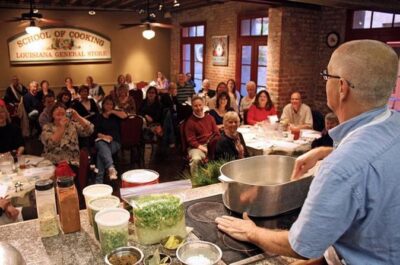
New Orleans Demonstration Cooking Class with Meal
Read our review →
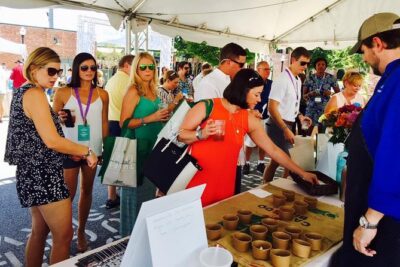
Undiscovered Charleston: Half Day Food, Wine & History Tour with Cooking Class
Read our review →



Beginner-Friendly Waikiki Beach Surfing Lesson
Read our review →Browse the lists this tour appears in