
Reviewed · MUSEUMS
The National WWII Museum Campus Pass plus 4-D Film
The war’s human cost comes sharply into view. New Orleans’ National WWII Museum pairs five museum pavilions with the powerful Beyond All Boundaries 4D film, giving you both careful historical displays and a cinematic account of the conflict. I like the freedom to enter the museum before your scheduled film, and I like that the wide choice of screening times makes it easier to build a full day around your plans. The main consideration is time: this is a large campus, and four hours will only scratch the surface.
The $49.35 price is reasonable if you use the ticket well, especially since the film is included and many visitors spend six to eight hours on site. I would not treat this as a quick rainy-day stop. Expect a lot of walking and reading, along with loud sounds, flashing lights, fog, sudden chair movements, and difficult wartime images that may not suit every child or adult.
In This Review
- Key points to know before you go
- Why this museum deserves a full New Orleans day
- Entering the five-pavilion campus
- Following the war through personal stories
- The Solomon Victory Theater and Beyond All Boundaries
- How much walking and reading should you expect?
- Who will appreciate this experience most?
- Is $49.35 a good value?
- Practical timing for a one-day visit
- What the museum does especially well
- Where you should set your expectations
- Should you book the campus pass and 4D film?
- FAQ
- Where is the National WWII Museum located?
- What does the $49.35 ticket include?
- Can I enter the museum before my film time?
- What are the museum’s opening hours?
- Is the Beyond All Boundaries film narrated by Tom Hanks?
- What effects are used during the 4D film?
- Is the film suitable for people with medical sensitivities?
- Is the film closed captioned?
- Can I cancel for a refund?
Key points to know before you go
- Tom Hanks narrates the Beyond All Boundaries 4D film, presented with moving seats, fog, lighting, sound, scenery, and layered projection.
- The six-acre campus needs serious time, with five pavilions and enough material for a full day or a return visit.
- Your film time is the fixed part of the day, while you can enter the museum before that screening to begin exploring.
- The exhibits cover more than battlefield action, including women, Black Americans, Native Americans, political leaders, civilians, and several national perspectives.
- The experience is moving and sometimes hard to watch, with Holocaust imagery, loud effects, flashing lights, and startling scenes.
- The ticket is best for history-minded adults, older children, and teens, not young children seeking a hands-on entertainment venue.
Why this museum deserves a full New Orleans day
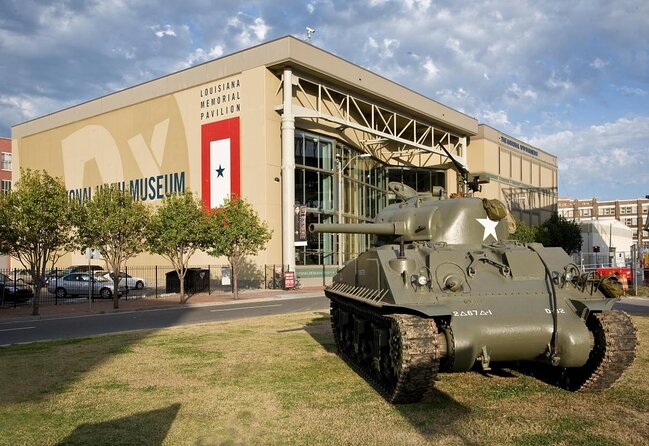
The National WWII Museum occupies a sprawling six-acre campus in downtown New Orleans. It is the official United States museum of World War II, and its scale quickly changes your idea of what a museum visit will involve.
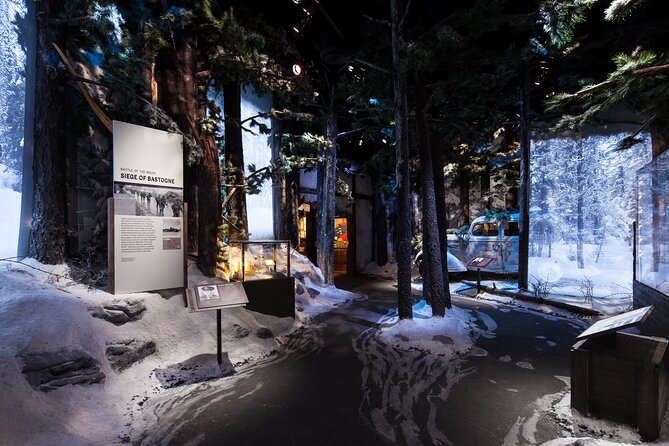
You are not walking through one long gallery and leaving after an hour. The campus includes five separate pavilions, each with displays, films, audio, photographs, artifacts, and large amounts of text. I would plan at least half a day for a brisk visit, but a full day is the better choice if you want to read carefully and watch the short films along the way.
Several people have spent five to eight hours here and still felt they had missed material. That is useful planning information. If you have only three hours, you can still get a worthwhile introduction, but you will need to accept that some sections will go unseen.
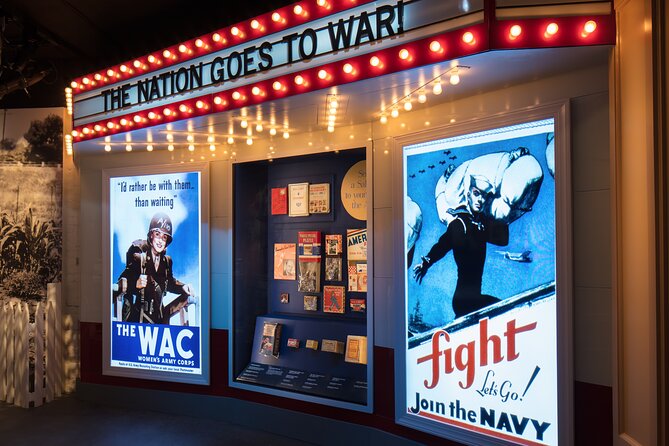
The museum is especially strong at connecting major events to personal lives. Alongside military operations, you encounter accounts involving women, Black Americans, Native Americans, political leaders, civilians, and people from different countries. That wider view helps prevent the war from becoming only a sequence of dates, generals, and maps.
More Museum Tours in New Orleans:
- The National WWII Museum Admission Ticket New Orleans
★ 5.0 · 2,202 reviews - French Quarter Walking Tour With Comp 1850 House Museum Admission
★ 5.0 · 781 reviews - New Orleans: The National WWII Museum Ticket
★ 4.8 · 704 reviews
Entering the five-pavilion campus
The ticket lets you enter the museum at any time before your selected film. That flexibility matters because the movie has a fixed starting time, while the exhibits can fit around it.
I would arrive early rather than treat the film as the starting point. Use your first hour to get oriented and begin one of the major exhibit paths. Then attend the screening at the reserved time and return to the museum afterward.
The campus layout can take some getting used to. Several areas have audio and visual displays, and the amount of material can feel dense. If you move too quickly, you may remember the scale but miss the personal stories that give the displays their emotional force.
The museum is clean and professionally arranged, with staff available if you need help. Still, do not expect a short, simple route. Good walking shoes matter, and you should bring your glasses if you need them for extended reading.
Following the war through personal stories
The best part of the museum is its sense of human scale. Films and recorded voices bring the period closer than labels alone can manage. You may begin with a broad military subject, then find yourself reading about one person’s service, family, fear, or return home.
An optional Follow a Soldier Dog Tag experience adds a personal trail through the museum. It lets you follow the story of a particular service member as you move through the displays. The dog tag activity is not described as part of this $49.35 package, so ask at the museum if you want to add it.
Interactive kiosks also appear throughout the campus. They give you more ways to explore the material, though the museum is still primarily built around reading, listening, watching, and reflecting. This is not an amusement attraction with constant touch-screen activity.
The museum also addresses life after the war. That section matters because it widens the story beyond victory and surrender. It gives you a chance to consider what happened to societies, families, and service members once the fighting ended.
The Solomon Victory Theater and Beyond All Boundaries
Your selected time is for Beyond All Boundaries in the Solomon Victory Theater. The film is narrated by Tom Hanks and uses 4D effects to make the presentation more physical than a standard historical documentary.
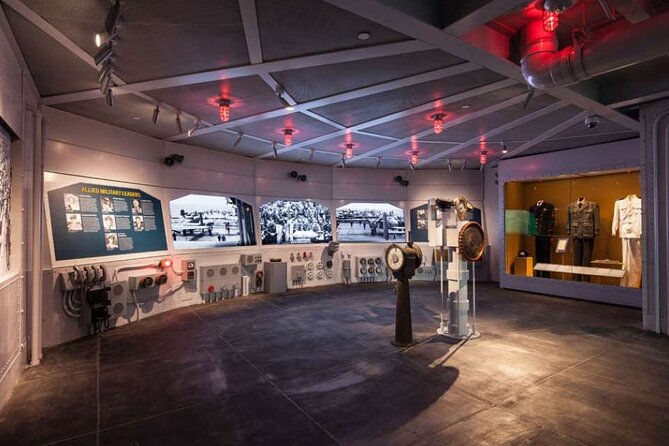
The theater includes vibrating seats, moving props and scenery, lighting changes, loud sound effects, fog, and sudden chair movements. A multi-layered projection system adds to the presentation. These effects are designed to place you closer to the action, but they can also be startling.
I would call the film an important part of the package, not an optional extra. It gives you a fast-moving overview of the war and adds an emotional punch after you have begun to understand the displays. Many people consider it worth the additional cost included in this ticket.
The film is not closed captioned. Assisted listening devices are available through the Visitor Services desk in the Solomon Victory Theater for people with hearing loss.
Take the health warnings seriously. Loud noises, flashing lights, fog, and moving chairs may aggravate some medical conditions. Stationary seating is available, so ask about it before the screening if you need a calmer setup.
The images can also be difficult. The museum presents the suffering and crimes of war, including very painful images connected with Nazi death camps. This is serious material, not a light attraction to fill an afternoon between meals.
A few more options to weigh up in New Orleans
- New Orleans Premier Ghost, Voodoo and Vampire Walking Tour
★ 4.5 · 12,856 reviews - New Orleans Steamboat Natchez Jazz Cruise with Dinner Option
★ 4.0 · 7,533 reviews - Adults-Only New Orleans Ghost, Crime, Voodoo, and Vampire Tour
★ 5.0 · 6,545 reviews - New Orleans Food Walking Tour of the French Quarter with Small-Group Option
★ 5.0 · 6,118 reviews
How much walking and reading should you expect?
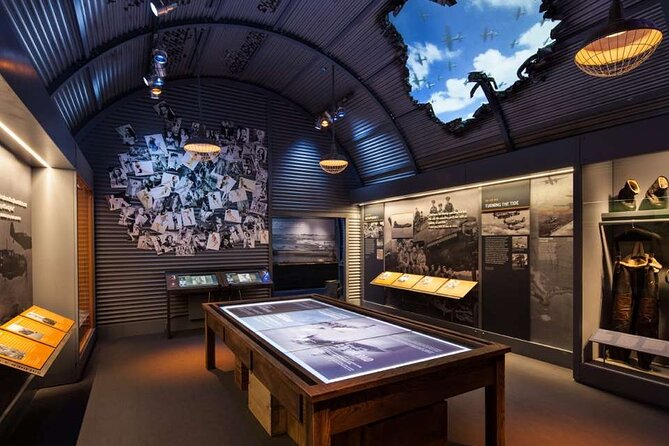
A full day here can be tiring even if you normally enjoy museums. The campus is large, and the exhibits require steady movement between buildings as well as long periods on your feet.
You will also read a great deal. That is part of the museum’s strength, but it affects your pace. If you try to absorb every panel, caption, film, and audio segment, you may need more than one day.
A useful plan is to choose your priorities before you arrive. You might focus first on the European theater, the Pacific theater, liberation, or the exhibits on life before and after the war. Then use any remaining time for displays that catch your attention.
The museum includes a place to eat, which makes a full-day visit more practical. A meal break can help you reset before returning to the exhibits. I would not schedule another major attraction immediately afterward.
Who will appreciate this experience most?
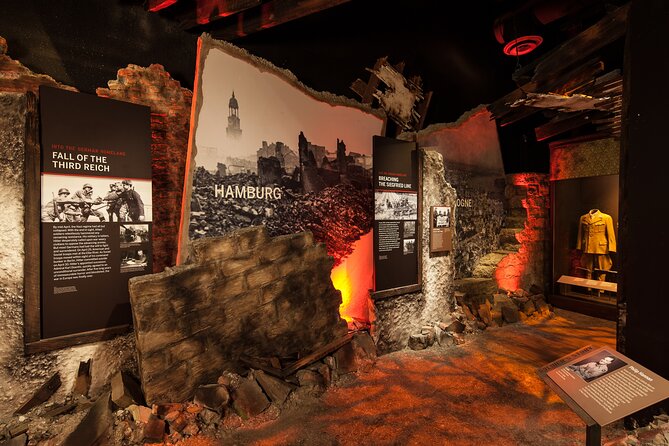
This ticket suits adults with a strong interest in World War II, military history, political history, or personal stories from the period. It also works well for older children and teenagers who can manage substantial reading and serious subject matter.
A 13-year-old with a special interest in military history may find the experience inspiring. The museum can make the sacrifices of the period feel real, and the scale of the displays gives young history students plenty to think about.
I would be cautious with young children. The museum is not designed as a simple interactive play space, and the film includes loud, sudden, and intense effects. Even adults who expect difficult material may find some images upsetting.
The experience can also be meaningful for families with a direct connection to World War II. One touching feature is the opportunity to locate commemorative bricks placed in honor of relatives who served. If your family has a wartime story, allow time for that personal connection.
Is $49.35 a good value?
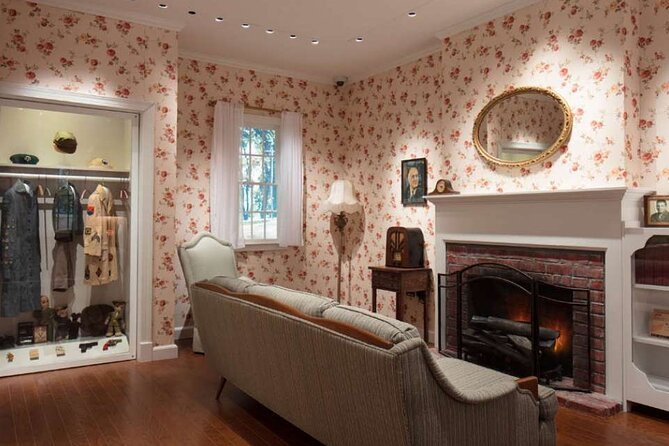
At $49.35 per person, this is not a bargain attraction, but the price can work well if you spend most of the day on campus. You receive museum admission plus the timed 4D film, and the package avoids standing in a ticket-purchase line.
The value is strongest for people who enjoy museums at a deliberate pace. If you spend only two hours and skip much of the film, the cost feels less convincing. If you stay five to eight hours, watch the movie, and explore several pavilions, the admission becomes easier to justify.
The ticket also removes one planning problem. You choose the film time in advance, then enter the museum before that time. Since screenings have several available slots, you can fit the visit around lunch or another New Orleans plan.
A second-day option may be available at the museum for $15, according to the information provided by visitors who wanted more time. Confirm the current terms at the museum before relying on that option. For serious history fans, a second day may be more satisfying than racing through the campus in one long push.
Practical timing for a one-day visit
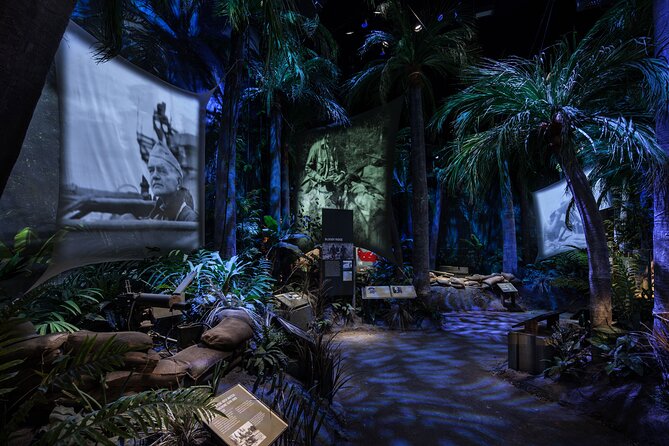
The museum is open Monday through Sunday from 9 a.m. to 5 p.m. Your film time is fixed, so arrive with enough room to enter, get oriented, and begin touring before the screening.
For a half-day visit, I would choose one or two major areas, watch the film, and accept that you will not see everything. Give yourself at least three hours if you also want to include the film and a meal, though that is a minimum rather than an ideal schedule.
For a stronger visit, arrive in the morning and stay until closing. Begin with the exhibits that matter most to you, attend the film at your reserved time, then use the afternoon for sections you had to pass earlier.
The museum is near public transportation, which helps if you do not have a car. Mobile tickets make entry simpler, and confirmation is provided when you book. Service animals are allowed, and most people can participate.
Free cancellation is available if you cancel at least 24 hours before the experience start time. Cancellations or changes within 24 hours are not refunded or accepted. If poor weather causes the experience to close, you are offered another date or a full refund.
What the museum does especially well
The emotional weight is its greatest strength. The museum does not reduce World War II to equipment and troop movements. Voices, films, photographs, and individual accounts show what the war demanded from soldiers and civilians.
The range of perspectives is another major asset. You can learn about the European and Pacific theaters while also seeing how women, Black Americans, Native Americans, political leaders, and people from other countries fit into the larger story.
The film gives the day a strong center. Beyond All Boundaries uses its theater effects to make the war feel immediate. It is loud and sometimes startling, but that physical presentation is why the film remains memorable.
The campus rewards patience. You can move quickly and still see impressive displays, but the real value comes from stopping for the voices, captions, and personal details. This is a place where extra time changes the experience.
Where you should set your expectations
The museum is not a guided tour. You explore on your own, and one person found that extra expert insight would have helped. Staff can assist, but the ticket does not include a personal guide who leads you from pavilion to pavilion.
Navigation may also require attention. With multiple buildings and many audio and visual areas, it is possible to lose track of where you are in the overall story. Take a moment at the start to understand the layout and decide what you most want to see.
The presentation also has limits. One visitor found certain aspects of the Pacific war absent or less fully addressed, including Japanese death marches and forced medical experiments. No museum can cover every subject equally, so consider this a major American museum about World War II rather than a complete account of every wartime experience.
The emotional tone is consistently serious. If you want a relaxed attraction with a few historical displays, choose another New Orleans activity. If you are ready to confront grief, sacrifice, racism, genocide, combat, and the difficult choices of wartime, the museum offers much more.
Should you book the campus pass and 4D film?
I would book it if World War II history matters to you, or if you want one substantial cultural day in New Orleans. The combination of a large museum campus and a reserved Beyond All Boundaries screening gives you a clear plan without forcing you into a guided group.
Book it with enough time. A morning arrival, a midday film, lunch on site, and an afternoon return to the exhibits is a sensible approach. Wear comfortable shoes, bring reading glasses if needed, and think carefully about the film’s sound, lighting, and motion effects.
I would skip it if your schedule allows only a quick stop, if you dislike extensive reading, or if loud effects and distressing wartime images are a concern. For everyone else, the $49.35 package is a strong use of a New Orleans day, provided you treat the museum as a full campus rather than a one-hour attraction.
FAQ
Where is the National WWII Museum located?
The museum is in downtown New Orleans, on a six-acre campus.
What does the $49.35 ticket include?
It includes admission to the National WWII Museum campus and timed entry to the Beyond All Boundaries 4D film in the Solomon Victory Theater.
Can I enter the museum before my film time?
Yes. You may enter the museum at any time before your selected film screening.
What are the museum’s opening hours?
The museum is open Monday through Sunday from 9 a.m. to 5 p.m.
Is the Beyond All Boundaries film narrated by Tom Hanks?
Yes. Tom Hanks narrates the film.
What effects are used during the 4D film?
The theater uses vibrating seats, moving props and scenery, lighting and sound effects, fog, sudden chair movements, and a multi-layered projection process.
Is the film suitable for people with medical sensitivities?
Some effects may aggravate medical conditions. Loud noises, flashing lights, fog, and sudden chair movements are used, and stationary seating is available.
Is the film closed captioned?
No. It is not closed captioned, but assisted listening devices are available at the Visitor Services desk in the Solomon Victory Theater.
Can I cancel for a refund?
Yes, if you cancel at least 24 hours before the experience start time. Cancellations within 24 hours are not refunded, and changes within 24 hours are not accepted.
Just added in New Orleans
- Whitney Plantation Tour with Transportation from New Orleans★ 4.5 · 1,351 reviews
- New Orleans Yellow Fever Ghost Tour★ 5.0 · 1,298 reviews
- VIP Jazz Dinner Cruise with Private Tour and Open Bar Option★ 4.5 · 838 reviews
- New Orleans Delicious Donuts & Beignets: A Sweet Walking Tour★ 5.0 · 928 reviews
- New Orleans Private Carriage Tour of the French Quarter★ 5.0 · 537 reviews
- The Escape Game at the French Quarter in New Orleans★ 5.0 · 364 reviews
- New Orleans French Quarter Photo Shoot★ 5.0 · 462 reviews
- The Ghosts of New Orleans Tour★ 4.5 · 702 reviews
Museums, compared.
Empire State Building Tickets – Observatory & Museum
Read our review →

9/11 Memorial, Ground Zero Tour with Optional 9/11 Museum Ticket
Read our review →

All-Access 9/11: Ground Zero Tour, Memorial and Museum, One World Observatory
Read our review →
Browse the lists this tour appears in